
Overview
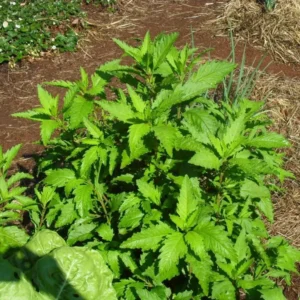
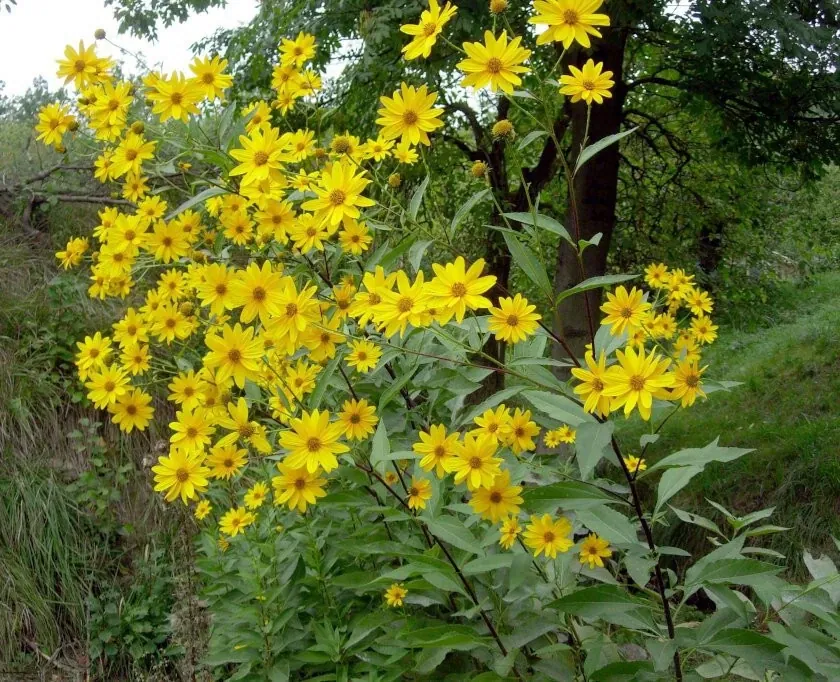
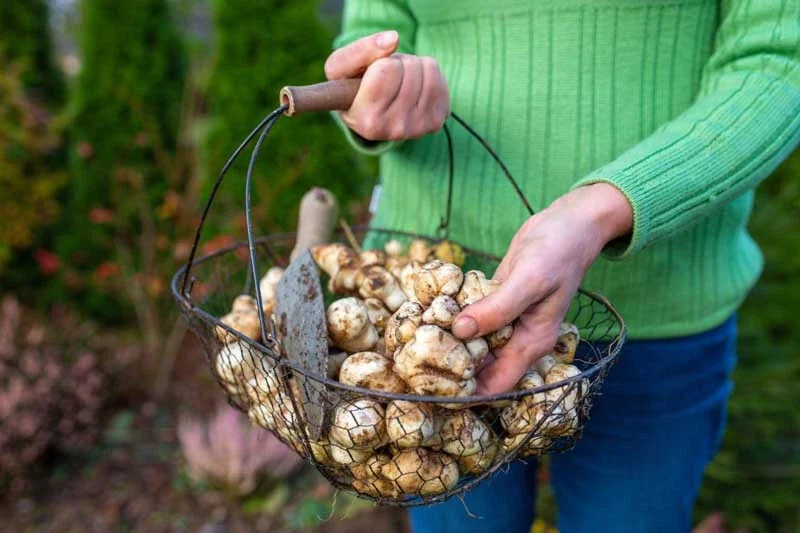
Introduce a unique and highly productive addition to your garden with this Jerusalem Artichoke live plant. Also widely known as Sunchoke or Earth Apple, this fascinating perennial herb, scientifically named Helianthus tuberosus, is celebrated for its nutritious, potato-like tubers and its cheerful, sunflower-like yellow flowers that adorn the garden in summer. Unlike its name suggests, the Jerusalem Artichoke is not related to the traditional artichoke and is native to North America. It is a member of the sunflower family, offering both ornamental beauty and a bountiful harvest. This starter plant provides a fantastic opportunity to grow Jerusalem Artichoke tubers, which are a versatile and healthy ingredient, perfect for roasting, boiling, or eating raw in salads. Its resilience and ease of cultivation make it an excellent choice for both novice and experienced gardeners looking for an edible perennial plant that thrives outdoors.
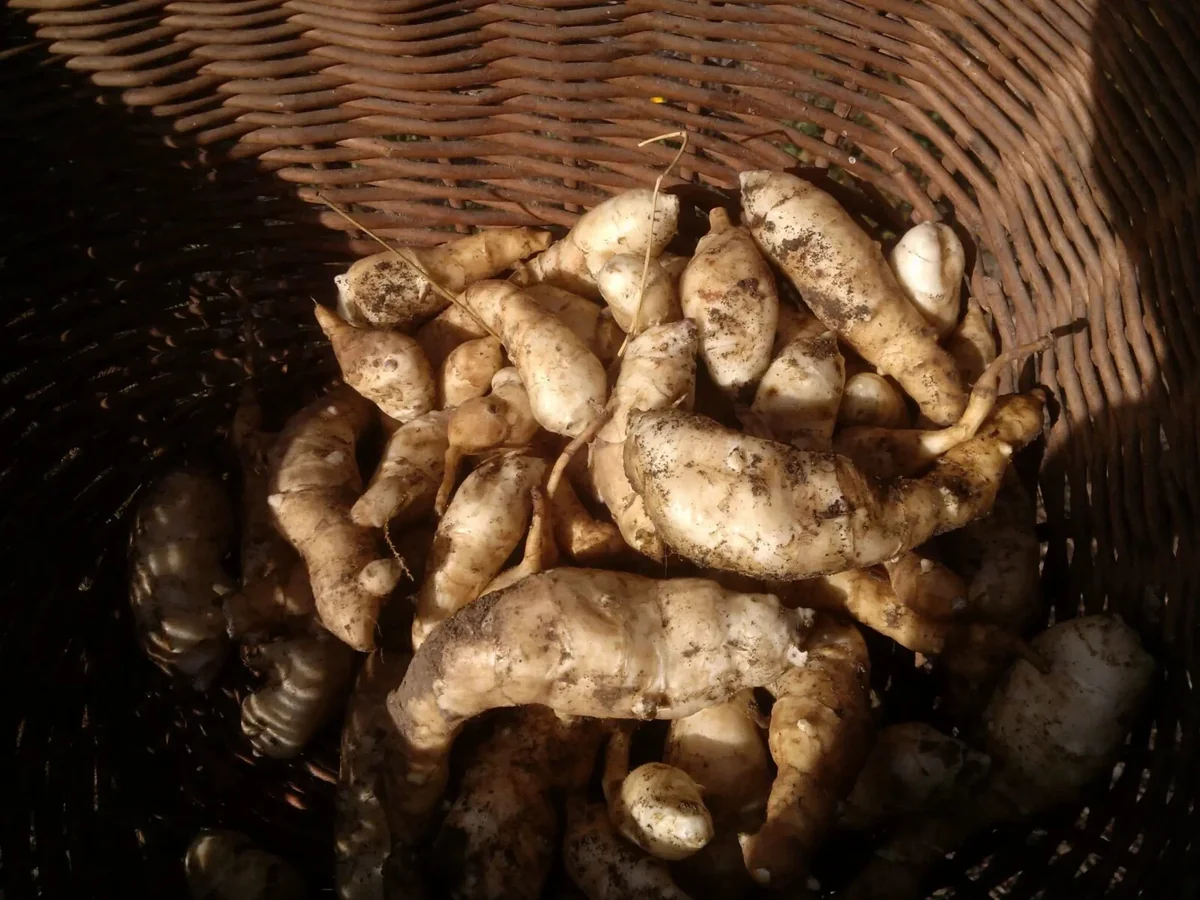
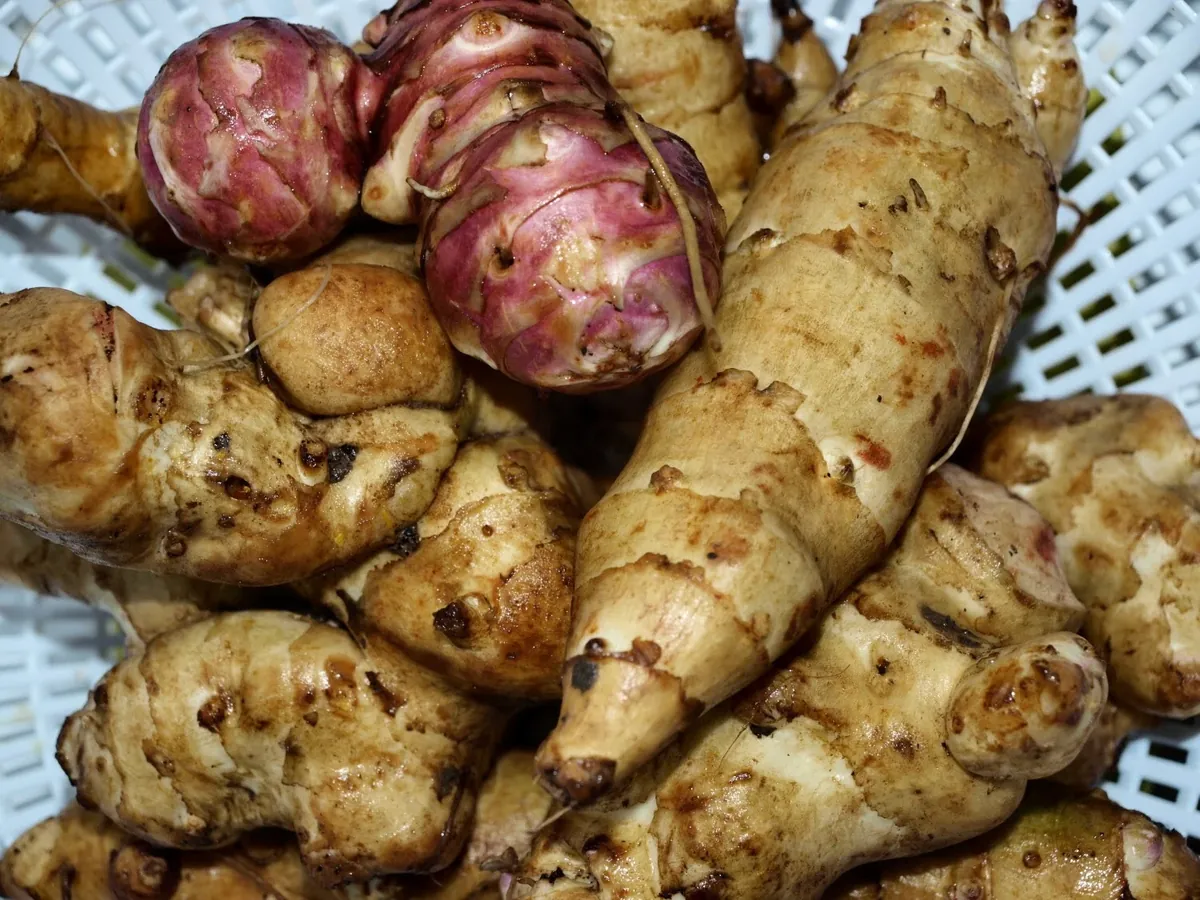
Our Jerusalem Artichoke live plant is a vigorous grower, establishing quickly to produce a generous crop of tubers. These tubers are known for their sweet, nutty flavor and a satisfying crunchy texture when raw. They are also a good source of inulin, a prebiotic fiber beneficial for gut health. This plant is a true garden workhorse, providing food, beauty, and a natural screen due to its tall growth habit. Prepare to enjoy a sustainable and delicious harvest year after year with minimal effort.
Key Benefits
The Jerusalem Artichoke live plant offers a multitude of benefits, making it an invaluable asset to any home garden. Beyond its culinary uses, it provides ecological advantages and ease of maintenance, ensuring a rewarding gardening experience.
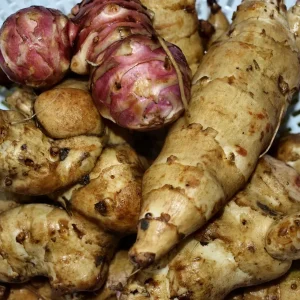
- Sustainable Food Source: Enjoy a continuous supply of nutritious, earthy tubers. These sunchokes can be harvested from late fall through early spring, providing fresh produce when many other garden crops are dormant. They are a healthy alternative to potatoes, rich in fiber and minerals.
- Easy to Grow Perennial: This robust plant is incredibly low-maintenance and returns year after year, reducing the need for annual replanting. It tolerates a wide range of soil conditions and climates, making Sunchoke plant care relatively straightforward for any gardener.
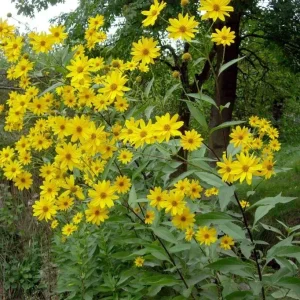
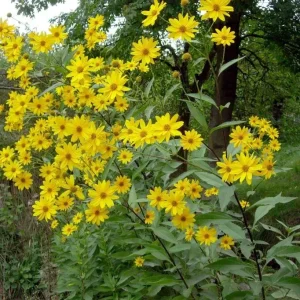
- Attractive Summer Blooms: In addition to edible tubers, the plant produces bright yellow, sunflower-like flowers in late summer to fall, adding a vibrant splash of color to your landscape. These blooms also attract beneficial pollinators to your garden.
- Versatile Culinary Uses: The tubers can be prepared in numerous ways – roasted, fried, boiled, mashed, or enjoyed raw in salads. Their unique flavor profile, often described as a cross between a potato and a water chestnut, adds an interesting dimension to many dishes.
- Soil Improvement: As a tall, vigorous plant, the Helianthus tuberosus helps to break up compacted soil and can improve soil structure over time, contributing to a healthier garden ecosystem. Its extensive root system also helps prevent soil erosion.
- Natural Privacy Screen: Growing up to 8-10 feet tall, these plants can form an effective and attractive natural screen, perfect for delineating garden spaces or providing privacy during the summer months.
- Health Benefits: Rich in inulin, a dietary fiber, Jerusalem Artichokes can aid digestion and support gut health. They are also a good source of iron, potassium, and B vitamins, contributing to a balanced diet.
Plant Care & Growing Tips
Ensuring the success of your Jerusalem Artichoke live plant is simple with a few key care guidelines. These resilient plants are known for their hardiness and ability to thrive in various conditions, making Sunchoke plant care an enjoyable and accessible task for gardeners of all levels. Understanding their basic needs will lead to a bountiful harvest of delicious tubers.
For optimal growth, Jerusalem Artichoke plants prefer a location that receives Full Sun to Medium Sun, meaning at least 6-8 hours of direct sunlight per day. While they can tolerate some partial shade, ample sunlight promotes stronger growth and a better tuber yield. They are quite adaptable to soil types but flourish in well-draining soil with a rich organic content. Clay, loam, peat, and saline soils are all suitable, as long as they don’t become waterlogged. Good drainage is crucial to prevent tuber rot. The plant is perennial and grows vegetatively, spreading readily. It’s often recommended to plant them in an area where their spread can be managed, or in a dedicated bed where they won’t outcompete other plants.
Watering should be consistent, especially during dry spells, to maintain medium soil moisture. While they are somewhat drought-tolerant once established, regular watering will encourage larger, healthier tubers. Fertilization is generally not heavily required, but incorporating compost or a balanced organic fertilizer into the soil at planting time and annually in spring can boost growth. These plants are hardy in USDA zones 3-9 and are well-suited to continental climates. They are deciduous, with foliage dying back in winter and reappearing in spring. Common problems are few, but monitoring for slugs and snails, especially on young plants, can be beneficial. Proper spacing, about 12-18 inches apart, ensures each plant has enough room to develop its tubers without overcrowding.
Size & Details
This listing is for one Jerusalem Artichoke live plant, provided as a healthy starter plant, typically dug up fresh when ordered to ensure maximum vitality upon arrival. The plant form is a vegetative plant, ready to establish quickly in your garden. While specific dimensions can vary based on the growth stage and time of year, these plants are known for their vigorous growth, often reaching heights of 6 to 10 feet during the growing season. The foliage is deciduous, providing a lush green presence throughout the summer before dying back in the fall. The tubers, which are the edible part, typically mature in late autumn and can be harvested through winter into early spring. Each plant can produce a significant yield of tubers, ensuring a plentiful harvest for culinary use.
The plant is designed for outdoor cultivation, thriving in conditions suitable for a perennial herb. It prefers a medium watering schedule and can adapt to various well-draining soil types including clay, loam, peat, and even saline conditions. Expect vibrant yellow flowers in the summer, adding an attractive element to your landscape. This single plant provides a robust start for cultivating your own supply of delicious sunchokes, a truly rewarding edible perennial plant for any garden.
Frequently Asked Questions
- Q: How big does this plant get? A: The Jerusalem Artichoke live plant is a vigorous grower and can reach heights of 6 to 10 feet (1.8 to 3 meters) during its active growing season in summer, forming a tall, bushy plant.
- Q: Is this an indoor or outdoor plant? A: This plant is primarily an outdoor perennial herb. While it can be started indoors in pots, it thrives best when planted directly in the garden where its tubers can develop properly.
- Q: How much sunlight does it need? A: The Jerusalem Artichoke live plant prefers full sun to medium sun, requiring at least 6 to 8 hours of direct sunlight daily for optimal growth and tuber production.
- Q: Is this plant easy to care for? A: Yes, Sunchoke plant care is considered very easy. It’s a hardy perennial that tolerates a wide range of conditions and requires minimal attention once established, making it suitable for beginners.
- Q: What condition will it arrive in? A: Your Jerusalem Artichoke live plant will arrive as a carefully prepared starter plant, often dug up when ordered, ensuring it is fresh and ready for planting to minimize transplant shock.
- Q: How long until it blooms? A: The plant typically produces attractive yellow, sunflower-like blooms in late summer to early fall, usually a few months after spring planting.
- Q: When is the best time to plant Jerusalem Artichoke? A: The best time to plant Jerusalem Artichoke tubers or starter plants is in early spring, after the last frost, to allow them to establish before the summer growing season.
- Q: Will it survive winter in my zone? A: Helianthus tuberosus is very hardy and can survive winters in USDA Zones 3-9. The foliage will die back, but the tubers will overwinter in the ground and sprout again in spring.
- Q: Can I use Jerusalem Artichoke in cooking? A: Absolutely! The tubers of the Jerusalem Artichoke live plant are highly versatile and delicious. They can be roasted, boiled, fried, mashed, or eaten raw in salads, offering a sweet, nutty flavor.
- Q: What type of soil does it prefer? A: This plant is adaptable but thrives in well-draining soil. It can grow in clay, loam, peat, and even saline soils, as long as good drainage is provided to prevent tuber rot.


Reviews
There are no reviews yet.