Overview
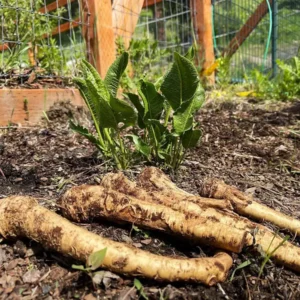
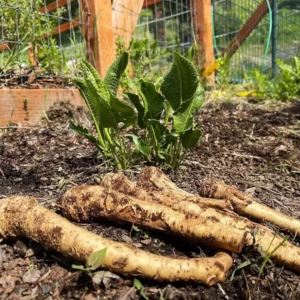
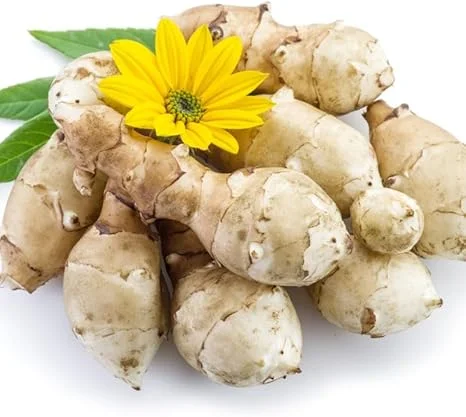
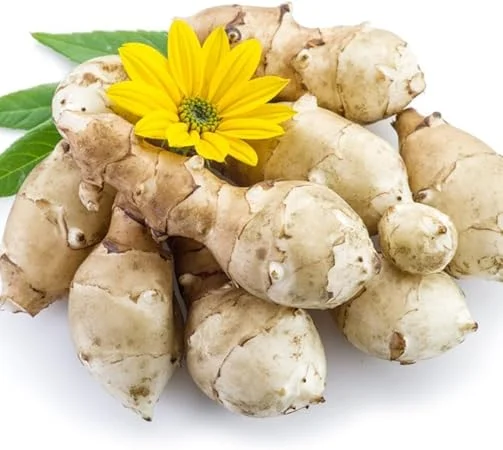
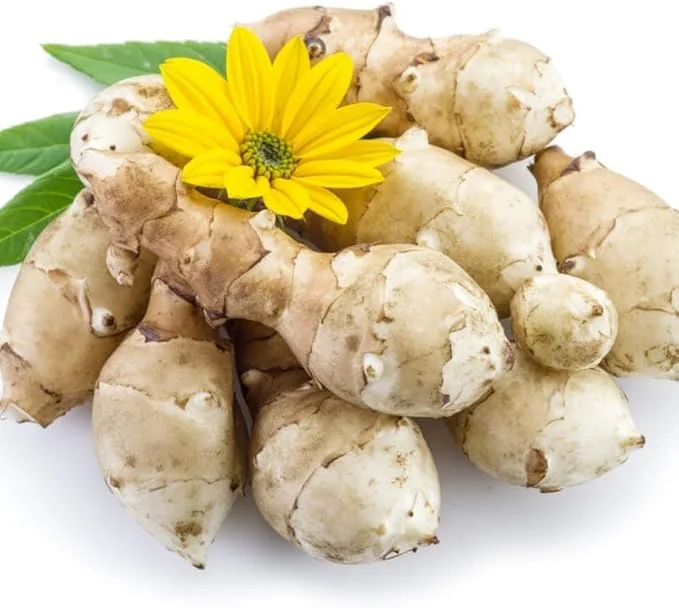
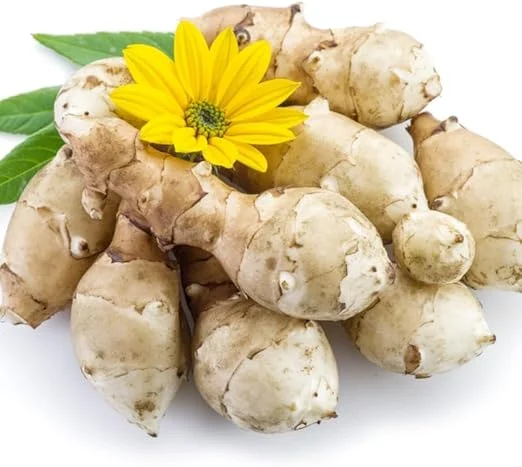
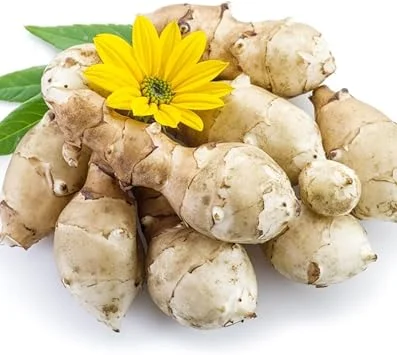
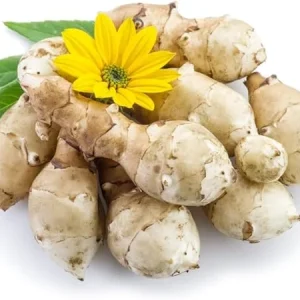
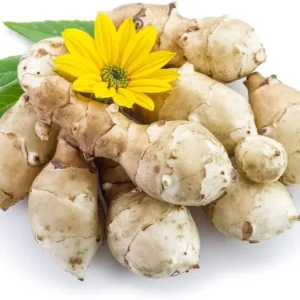
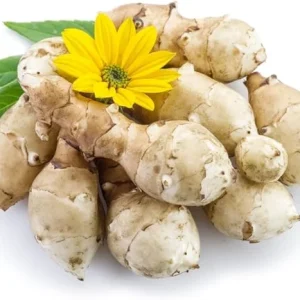
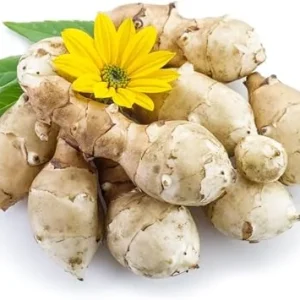
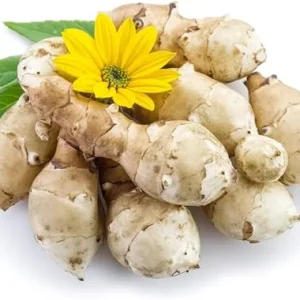
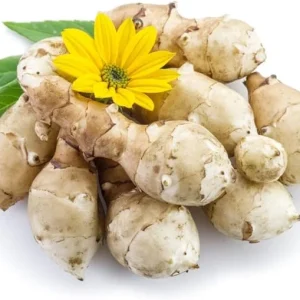
Embark on a rewarding gardening journey with these high-quality Jerusalem artichoke tubers. Also widely known as sunchokes or sunroots, these fascinating perennial vegetables are celebrated for their delicious, nutty-flavored tubers and their striking, sunflower-like blooms. Each order provides 5 fresh, viable tubers, carefully selected and ready for planting in your home garden. Perfect for both novice and experienced gardeners, these tubers are an excellent choice for adding a unique and productive element to your landscape. Growing up to 5-10 feet tall, Jerusalem artichokes offer a dual benefit: a beautiful visual display with their tall stalks and yellow flowers, and a generous underground bounty of nutritious, edible roots. They are remarkably easy to grow and maintain, making them a fantastic addition to any vegetable patch or edible landscape design. Discover the joy of harvesting your own fresh, earthy tubers directly from your garden.
These versatile plants are known for their resilience and ability to thrive in various conditions, making them a reliable crop. The tubers, which are the edible part, can be enjoyed raw or cooked, offering a crisp texture and a sweet, earthy flavor. Beyond their culinary appeal, fresh sunchokes are also known for their health benefits, being a good source of inulin, a prebiotic fiber. Planting these tubers is a simple process, and with proper care, you can expect a robust harvest within 120-150 days. They are a fantastic way to introduce sustainable food sources into your backyard. Consider adding these edible roots for planting to your garden this season and enjoy the abundance they bring.
Key Benefits
Growing Jerusalem artichokes in your garden offers a plethora of advantages, from culinary delights to garden aesthetics. These hardy plants are a fantastic addition for anyone looking to expand their edible landscape.
- Abundant Edible Harvest: Enjoy a prolific yield of delicious, nutty tubers that can be used in a variety of culinary applications, from roasting and boiling to salads. These Jerusalem artichoke tubers provide a healthy and sustainable food source.
- Hardy Perennial Growth: Once established, these plants return year after year, providing a continuous supply of tubers without the need for annual replanting. They are robust and resilient, thriving in USDA Zones 3-9.
- Attractive Garden Feature: Beyond their edible roots, Jerusalem artichokes produce tall stalks with bright yellow, sunflower-like blossoms, adding a beautiful, natural touch to your garden landscape.
- Easy to Grow: Known for their low maintenance requirements, these plants are perfect for gardeners of all skill levels. They adapt well to various soil types and are relatively pest-resistant.
- Nutrient-Rich Food Source: The tubers are a good source of fiber, iron, and potassium, making them a healthy addition to your diet. They contain inulin, a prebiotic that supports gut health.
- Versatile Culinary Use: The tubers can be eaten raw, roasted, mashed, or added to soups and stews, offering a unique flavor and texture profile to many dishes. Learning how to grow Jerusalem artichoke opens up a world of culinary possibilities.
- Soil Improvement: The extensive root system of Jerusalem artichokes can help improve soil structure and prevent erosion, contributing to a healthier garden ecosystem.
Plant Care & Growing Tips
Successfully cultivating Jerusalem artichoke tubers is straightforward, as these plants are incredibly resilient and forgiving. They thrive best in a location that receives full sun, meaning at least 6-8 hours of direct sunlight per day. This ensures robust growth and optimal tuber development. While they are adaptable to a range of soil conditions, well-draining soil is crucial to prevent tuber rot. Amend heavy clay soils with organic matter like compost to improve drainage and fertility. A slightly acidic to neutral pH (6.0-7.0) is ideal for these plants.
Plant the tubers 3-5 inches deep and about 12-18 inches apart, in rows spaced 3 feet apart. Spring, after the last frost, is the ideal time for planting, though they can also be planted in the fall in milder climates. Moderate watering is generally sufficient; keep the soil consistently moist but not waterlogged, especially during dry spells and when the plants are actively growing. Once established, they are somewhat drought-tolerant. Fertilization is usually not heavily required, especially if planted in rich soil. However, a balanced organic fertilizer can be applied in early spring to boost growth. Monitor for common garden pests, though Jerusalem artichokes are generally quite resistant. These sunroots for garden beds are an excellent choice for a productive and low-maintenance crop. You’ll find that learning how to grow Jerusalem artichoke is a rewarding experience.
Size & Details
This product includes 5 individual, fresh Jerusalem artichoke tubers, ready for direct planting. Each tuber is carefully selected to ensure viability and healthy growth. These hardy perennial plants are suitable for USDA Zones 3-9, indicating their excellent cold hardiness. When mature, the plants typically reach a height of 5-10 feet, creating a striking vertical element in your garden, and spread approximately 3-5 feet wide. The tubers mature and are ready for harvest within 120-150 days after planting, usually in the fall after the first frost. These edible roots for planting are shipped as dormant tubers, ensuring they arrive in optimal condition for successful establishment in your garden. They are ideal for both in-ground planting and cultivation in large raised beds or containers.
Frequently Asked Questions
- Q: How big do these Jerusalem artichoke plants get? A: These plants typically grow quite tall, reaching heights of 5-10 feet. They also spread about 3-5 feet wide, so ensure they have ample space in your garden.
- Q: Is this an indoor or outdoor plant? A: Jerusalem artichoke tubers are outdoor plants. They are hardy perennials that thrive in full sun and are best grown in garden beds or large outdoor containers.
- Q: How much sunlight does it need? A: Jerusalem artichokes require full sun exposure, meaning at least 6-8 hours of direct sunlight daily, for optimal growth and tuber production.
- Q: Is this plant easy to care for? A: Yes, Jerusalem artichokes are known for being very easy to care for. They are hardy, adaptable, and require minimal maintenance, making them suitable for beginners.
- Q: What condition will the sunchokes arrive in? A: Your 5 fresh sunchokes will arrive as dormant, bare tubers, ready for planting. They are carefully packaged to ensure they remain fresh and viable during transit.
- Q: Can I eat these Jerusalem artichoke tubers? A: Absolutely! These are edible roots for planting, and the tubers can be eaten raw, roasted, boiled, or used in various culinary dishes. They have a delicious, nutty flavor.
- Q: When is the best time to plant these tubers? A: The ideal time to plant Jerusalem artichoke tubers is in the spring after the last frost, or in the fall in areas with milder winters.
- Q: Will they survive winter in my zone? A: Yes, these plants are hardy perennials suitable for USDA Zones 3-9, meaning they are very cold-tolerant and will typically survive winter and return in the spring.
- Q: How long until I can harvest the tubers? A: You can expect to harvest the tubers approximately 120-150 days after planting, typically in late fall once the foliage has died back.
- Q: What kind of soil do these sunroots prefer? A: While adaptable, sunroots for garden beds prefer well-draining soil. Amending with compost can improve soil structure and fertility.


Reviews
There are no reviews yet.