Overview
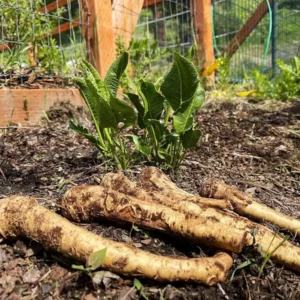
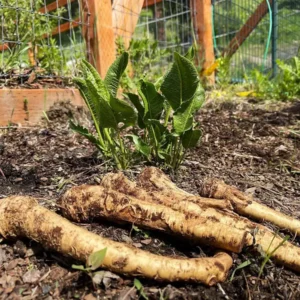
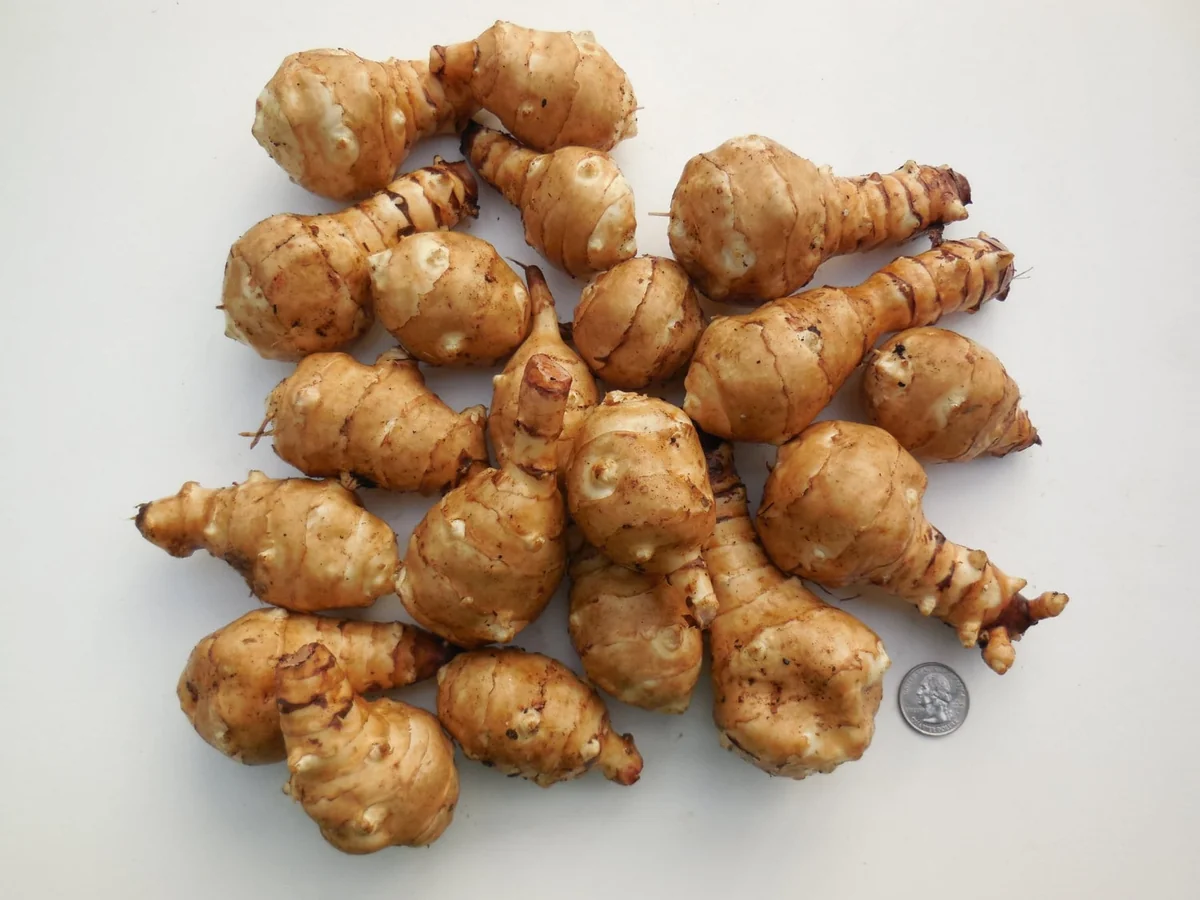
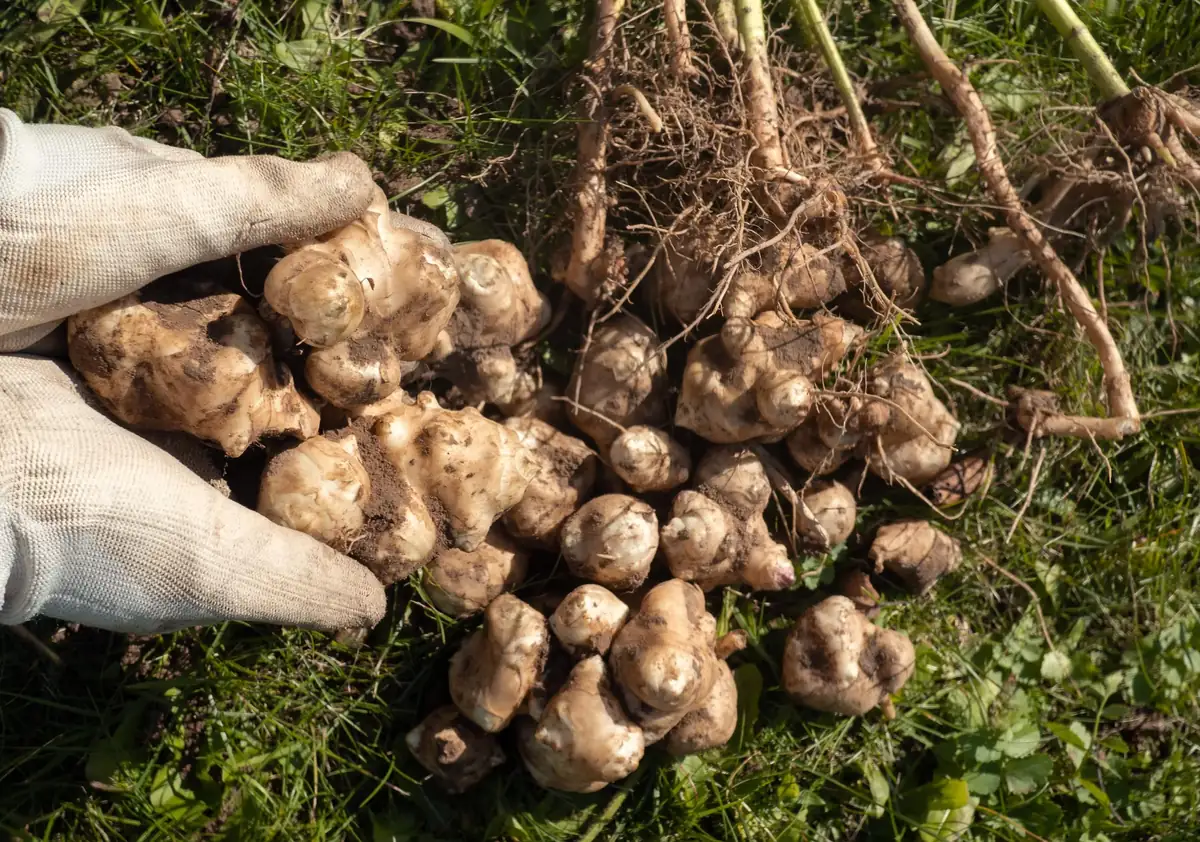
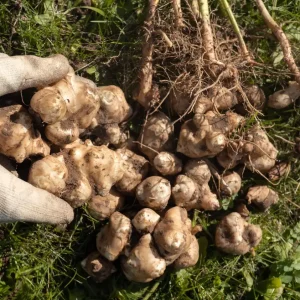
Cultivate your own delicious and nutritious harvest with our premium Jerusalem Artichoke tubers, commonly known as Sunchokes. This offering provides over 2 lbs Jerusalem Artichoke tubers, perfect for both planting in your garden or enjoying as a culinary delight. Scientifically named Helianthus tuberosus, these tubers are a fantastic, low-maintenance root vegetable that offers a unique flavor profile and a host of health benefits. Whether you’re looking to expand your edible landscape or add a new ingredient to your kitchen, these freshly dug Sunchokes are an excellent choice. They are known for their ease of growth and ability to thrive in various conditions, making them ideal for both seasoned gardeners and beginners alike. Experience the satisfaction of growing your own food with these versatile and resilient tubers.
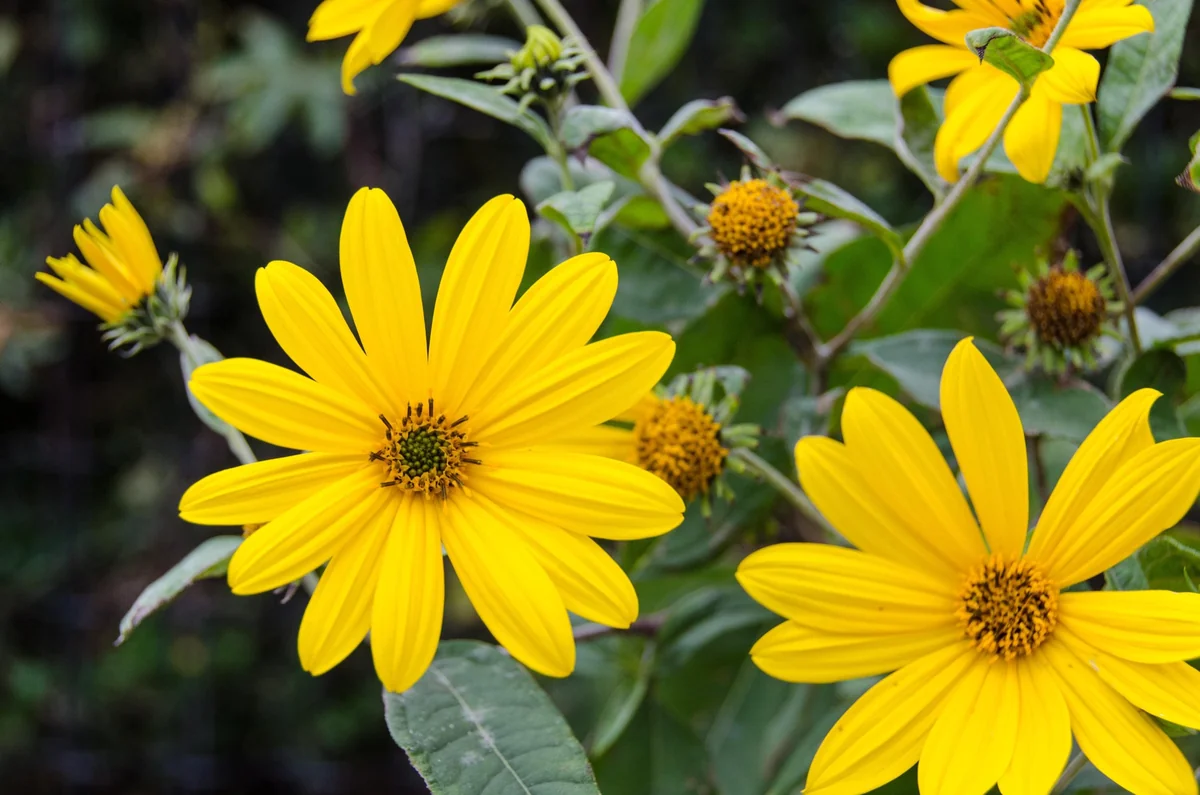
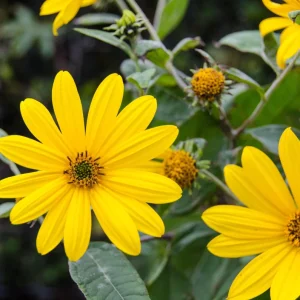
Our Sunchokes for planting are carefully selected to ensure vigorous growth and abundant yields. These particular tubers are large-sized, signifying robust health and excellent potential for propagation. You have the flexibility to plant them whole or cut them into pieces, ensuring each piece has at least two ‘eyes’ for optimal sprouting. Beyond their underground bounty, Helianthus tuberosus also produces attractive, long-lasting yellow daisy-like flowers, adding a touch of natural beauty to your garden. This dual-purpose plant is not only a fantastic food source but also contributes to the aesthetic appeal of your outdoor space. Enjoy a sustainable and productive gardening experience with these exceptional Sunchokes.
Key Benefits
Growing Jerusalem Artichoke tubers offers a multitude of advantages, from their culinary versatility to their ease of cultivation. These benefits make them a highly desirable addition to any garden or kitchen.
- Nutrient-Rich Food Source: Sunchokes are an excellent source of inulin, a prebiotic fiber that supports gut health. They are also low in calories and carbohydrates, making them a great option for those managing blood sugar or following specific diets. Enjoy them raw, roasted, or in stir-fries.
- Easy to Grow: Known for their resilience, Helianthus tuberosus is incredibly easy to cultivate. They require minimal care once established and can thrive in a variety of soil types and climates, making them perfect for gardeners of all skill levels.
- Organic and Non-GMO: Our tubers are grown using organic practices, free from herbicides and pesticides. This ensures you receive a natural, non-GMO product that is safe and healthy for consumption and planting.
- Abundant Yields: Once planted, Sunchokes for planting will produce a prolific harvest of tubers year after year. They naturalize well, providing a continuous supply of this delicious vegetable without much effort.
- Beautiful Flowers: In addition to their edible tubers, Jerusalem Artichokes produce cheerful yellow daisy-like flowers in late summer to fall. These blooms add seasonal color to your garden and can be used as cut flowers indoors.
- Soil Improvement: The extensive root system of Helianthus tuberosus can help improve soil structure, making it a beneficial plant for enhancing garden health and biodiversity.
- Drought Tolerant: These hardy plants are quite tolerant of dry conditions once established, reducing the need for constant watering and making them a sustainable choice for many garden settings.
Plant Care & Growing Tips
Cultivating Jerusalem Artichoke tubers is a straightforward process, and with a few simple guidelines, you can ensure a bountiful harvest. These resilient plants are forgiving and adaptable, making them a joy to grow for any gardener. For successful growth of your Sunchokes for planting, ensure you select a site that receives ample sunlight and has well-draining soil. They can tolerate a range of soil conditions but prefer a slightly acidic to neutral pH. Proper spacing is important as these plants can spread vigorously.
Planting can occur anytime the ground is not frozen, typically from late fall after the first frost until early spring before new growth begins. Dig a trench about 4-6 inches deep and space the tubers about 12-18 inches apart. If cutting larger tubers, ensure each piece has at least two ‘eyes’ and plant immediately after cutting to prevent drying. Water thoroughly after planting. Once established, Helianthus tuberosus requires minimal watering, primarily during prolonged dry spells. They generally do not need heavy fertilization, especially if planted in fertile soil. You can top-dress with compost annually to replenish nutrients. Watch for pests like aphids, though Jerusalem Artichokes are generally robust and pest-resistant. Harvesting usually occurs after the first hard frost in the fall, which sweetens the tubers. Dig carefully to avoid damaging the tubers, and leave some in the ground for next year’s crop to ensure continuous organic Jerusalem Artichoke production.
Size & Details
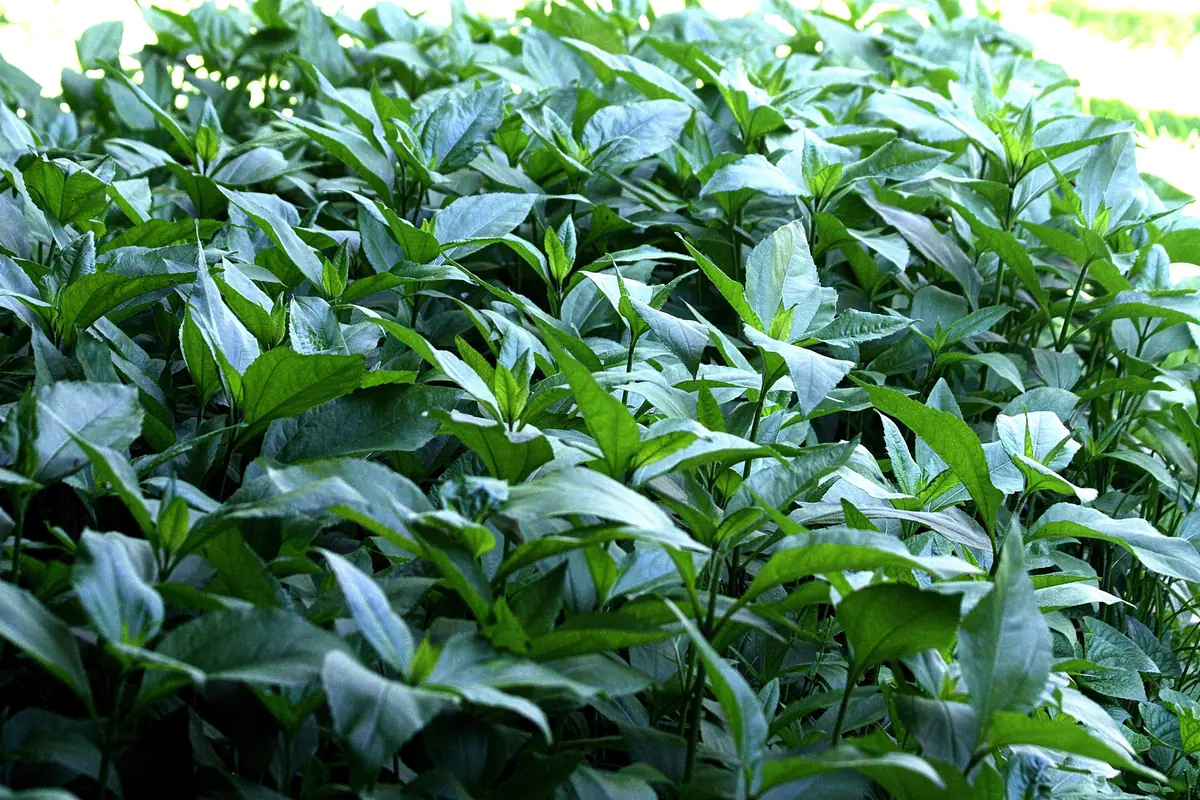
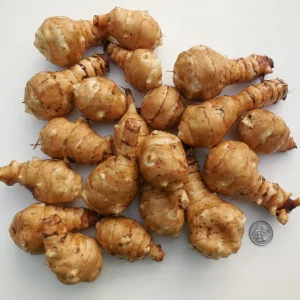
This offering includes over 2 lbs Jerusalem Artichoke tubers, providing a generous quantity for both planting and immediate consumption. The tubers are described as large-sized, indicating healthy, well-developed specimens ready for vigorous growth. Each tuber contains multiple ‘eyes,’ which are essential for successful sprouting. When planting, you can choose to plant the tubers whole or cut them into pieces, ensuring that each piece has at least two eyes. This flexibility allows you to maximize your planting area and potential harvest. These tubers are shipped freshly dug, prioritizing their vitality and readiness for your garden. Expect these plants to grow tall, typically reaching 6-10 feet, producing a significant yield of delicious Sunchokes for planting or eating.
Frequently Asked Questions
- Q: How big does this plant get and what size are the tubers? A: The Jerusalem Artichoke plant can grow quite tall, typically reaching heights of 6 to 10 feet. The tubers included in this package are described as large-sized, providing a substantial amount for planting or culinary use.
- Q: Is this an indoor or outdoor plant? A: Jerusalem Artichoke tubers are primarily grown outdoors. They thrive in garden settings and require ample space and sunlight to produce their abundant harvest.
- Q: How much sunlight does it need? A: For optimal growth and tuber production, Helianthus tuberosus prefers a location with full sun, meaning at least 6-8 hours of direct sunlight per day. They can tolerate partial shade but may produce fewer tubers.
- Q: Is this plant easy to care for? A: Yes, Jerusalem Artichokes are known for being very easy to care for. They are resilient, drought-tolerant once established, and require minimal attention, making them an excellent choice for beginner gardeners or those seeking low-maintenance crops.
- Q: What condition will the tubers arrive in? A: The Jerusalem Artichoke tubers are freshly dug and shipped to ensure maximum viability. They will arrive ready for immediate planting or consumption.
- Q: Can I use these Sunchokes for planting and eating? A: Absolutely! These versatile tubers are suitable for both purposes. Please let your supplier know your primary intention (eating or planting) upon order so they can provide the best preparation (washed or unwashed).
- Q: When is the best time to plant Jerusalem Artichoke tubers? A: The ideal time to plant Sunchokes for planting is from late fall (after the first hard frost) until early spring, as long as the ground is not frozen. This allows them to establish before the growing season.
- Q: What is the USDA hardiness zone for Jerusalem Artichokes? A: Jerusalem Artichokes are very hardy and can grow in a wide range of USDA zones, typically from zone 3 to 9. They are quite tolerant of cold winters.
- Q: Are these tubers grown organically? A: Yes, these organic Jerusalem Artichoke tubers are grown without the use of herbicides or pesticides, ensuring a natural and healthy product for your garden and table.
- Q: How long until I can harvest the tubers? A: You can typically harvest Helianthus tuberosus tubers in the fall, after the first hard frost. This frost helps to convert starches into sugars, improving their flavor. You’ll usually get a harvest in the first year after planting.


Reviews
There are no reviews yet.