Overview
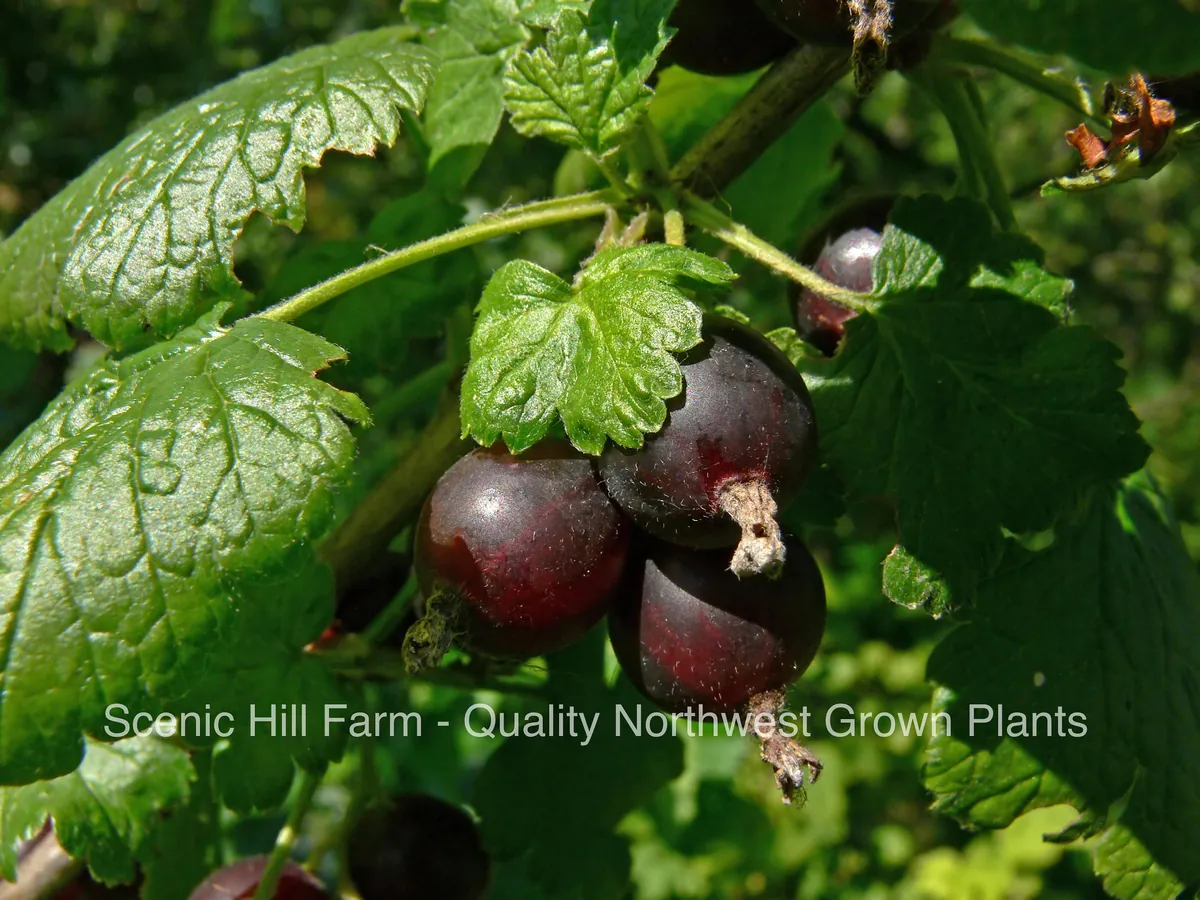
Introducing the Jostine thornless black currant gooseberry hybrid, a remarkable live plant that brings the best of both worlds to your garden. This unique hybrid combines the robust flavor of black currants with the desirable characteristics of gooseberries, resulting in a vigorous and highly productive berry bush. What truly sets the ‘Jostine’ apart is its thornless nature, making harvesting a joy rather than a prickly chore. As a disease resistant berry plant, it offers peace of mind and requires less intervention, allowing you to enjoy abundant harvests with minimal fuss. These berries are not only delicious for fresh eating but also perfect for culinary applications like jellies, jams, and pies, providing a versatile addition to your home-grown produce. The ‘Jostine’ is a live, rooted plant, typically shipping 6-16 inches tall, ready to establish itself in your garden and provide years of delicious fruit.
The ‘Jostine’ hybrid is a testament to horticultural innovation, offering a compact yet prolific solution for berry enthusiasts. Its ability to thrive in a wide range of climates, specifically hardy to USDA zones 3-8, makes it a suitable choice for many regions across the United States. Whether you’re a seasoned gardener or just starting your edible landscape, this thornless berry bush provides an accessible and rewarding experience. Imagine stepping into your garden and plucking sweet, juicy berries directly from a thorn-free plant – that’s the promise of the ‘Jostine’.
Key Benefits
The Jostine thornless black currant gooseberry hybrid offers a wealth of advantages for any home gardener looking to cultivate their own fruit. Its unique combination of traits makes it a standout choice for both convenience and culinary delight.
- Thornless Harvesting: One of the most significant benefits is its completely thornless nature. This eliminates the discomfort and scratches typically associated with harvesting currants and gooseberries, making the process enjoyable for all ages and skill levels. You can easily pick handfuls of ripe berries without worry.
- Disease Resistance: This hybrid is specifically bred to be a disease resistant berry plant, reducing the need for chemical treatments and ensuring a healthier, more robust plant. This resilience contributes to consistent yields and less maintenance, saving you time and effort.
- High Production: The ‘Jostine’ is known for its high yield of medium to large berries. With proper care, you can expect a generous harvest, providing plenty of fruit for fresh consumption and preserving.
- Excellent Flavor & Versatility: The berries boast a good, balanced flavor profile, making them ideal for a variety of uses. They are delicious when eaten fresh, and their robust taste holds up beautifully in jellies, jams, pies, and other baked goods.
- Berries Keep Well on the Bush: Unlike some other fruits that require immediate harvesting, the ‘Jostine’ berries have the added advantage of holding well on the bush. This allows for a more flexible harvesting schedule and extends the window for enjoying fresh fruit.
- Cold Hardy: With hardiness in USDA zones 3-8, this edible berry plant outdoor is exceptionally resilient to cold temperatures, making it suitable for a broad range of climates and ensuring it will return year after year.
Plant Care & Growing Tips
To ensure your Jostine thornless black currant gooseberry hybrid thrives and produces abundant fruit, understanding its specific care requirements is essential. This hardy plant is relatively low maintenance, especially given its disease resistant berry plant characteristics, but a few key practices will maximize your harvest. Currants and gooseberries prefer a location with full sun to partial shade. In hotter climates (USDA Zone 7 and 8), some afternoon shade can be beneficial to protect the plant from intense heat. Aim for at least 6 hours of direct sunlight daily for optimal fruit production. The soil should be well-draining, rich in organic matter, and have a slightly acidic to neutral pH (6.0-7.0). Amending heavy clay soils with compost or peat moss before planting will improve drainage and fertility.
Watering is crucial, especially during the establishment phase and dry spells. Keep the soil consistently moist but never waterlogged. Deep watering once or twice a week is generally better than frequent shallow watering. Reduce watering in the fall as the plant prepares for dormancy. Fertilize in early spring with a balanced slow-release fertilizer or an organic compost. Avoid high-nitrogen fertilizers, which can promote leafy growth at the expense of fruit production. Pruning should be done in late winter or early spring while the plant is dormant. Remove any dead, damaged, or weak branches, and thin out older, less productive stems to encourage new growth and better air circulation. The ‘Jostine’ is a robust thornless berry bush, but regular inspection for pests and diseases, though rare, is always a good practice.
The black currant gooseberry plant care routine is straightforward, making it an excellent choice for gardeners of all experience levels. Its hardiness to USDA zones 3-8 means it can withstand significant temperature fluctuations. Ensure adequate air circulation around the plant to prevent fungal issues. While this hybrid is disease resistant, it’s always wise to be aware of local agricultural advisories regarding currants and gooseberries, especially concerning white pine blister rust, which some varieties can host. However, the ‘Jostine’ is specifically bred for resistance, offering a reliable and productive addition to your garden.
Size & Details
The Jostine thornless black currant gooseberry hybrid is shipped as a live, rooted plant, not a bare root specimen. These plants typically arrive 6-16 inches tall, though they may be pruned slightly to fit into shipping boxes, ensuring their safe transit. Upon arrival, the plant will be fully rooted in its nursery pot, ready for transplanting into your garden. As a vigorous grower, the ‘Jostine’ will quickly establish itself and begin to develop into a productive berry bush. Its mature size will vary depending on growing conditions and pruning practices, but it generally forms a compact to medium-sized shrub, making it suitable for various garden spaces, including smaller yards or container gardening.
These plants are hardy to USDA zones 3-8, indicating their ability to tolerate cold temperatures down to -40°F (-40°C) in zone 3. Expect fruiting to begin within the first couple of years after planting, with full production typically achieved by the third or fourth year. The berries are medium to large in size, offering a substantial harvest. The ‘Jostine’ is designed for longevity, providing many seasons of delicious fruit. This edible berry plant outdoor is a long-term investment for your home garden, promising consistent yields and delightful flavors.
Frequently Asked Questions
- Q: How big does the Jostine thornless black currant gooseberry hybrid get? A: The ‘Jostine’ is a vigorous grower and can reach a mature height and spread of 3-5 feet. Its ultimate size can be managed through regular pruning, allowing it to fit well in various garden settings.
- Q: Is this an indoor or outdoor plant? A: The Jostine thornless black currant gooseberry hybrid is an outdoor plant. It requires a period of winter dormancy to produce fruit and is hardy in USDA zones 3-8, making it suitable for most outdoor climates in the US.
- Q: How much sunlight does the thornless berry bush need? A: For optimal fruit production, this plant needs at least 6 hours of direct sunlight per day. In very hot climates, providing some afternoon shade can prevent stress and sunburn.
- Q: What condition will the plant arrive in? A: Your ‘Jostine’ plant will arrive as a live, rooted plant, typically 6-16 inches tall. It will be actively growing with leaves in spring and summer, and dormant without leaves in fall and winter. It may be pruned to fit the shipping box.
- Q: Is this disease resistant berry plant easy to care for? A: Yes, the ‘Jostine’ is considered relatively easy to care for, especially due to its inherent disease resistance. With proper sunlight, well-draining soil, and consistent watering, it will thrive and produce fruit with minimal fuss.
- Q: Can I use the berries from this plant for making jams and jellies? A: Absolutely! The berries from the Jostine thornless black currant gooseberry hybrid have excellent flavor and high pectin content, making them perfect for homemade jams, jellies, pies, and other preserves.
- Q: When is the best time to plant the ‘Jostine’ hybrid? A: The best time to plant is typically in the spring after the last frost, or in the fall before the ground freezes. This allows the plant sufficient time to establish its root system before extreme temperatures.
- Q: Will the edible berry plant outdoor survive winter in my zone? A: Yes, if you are in USDA zones 3-8, the ‘Jostine’ is specifically bred to be cold hardy and will survive winter. It requires a cold dormancy period to produce fruit the following season.
- Q: What kind of soil does this plant prefer? A: This plant thrives in well-draining soil that is rich in organic matter. A slightly acidic to neutral pH (6.0-7.0) is ideal. Amending with compost will greatly benefit its growth.
- Q: Do I need multiple plants for pollination? A: Most black currant and gooseberry hybrids, including the ‘Jostine’, are self-fertile, meaning a single plant can produce fruit. However, planting multiple bushes can sometimes lead to even larger yields.


Reviews
There are no reviews yet.