Overview
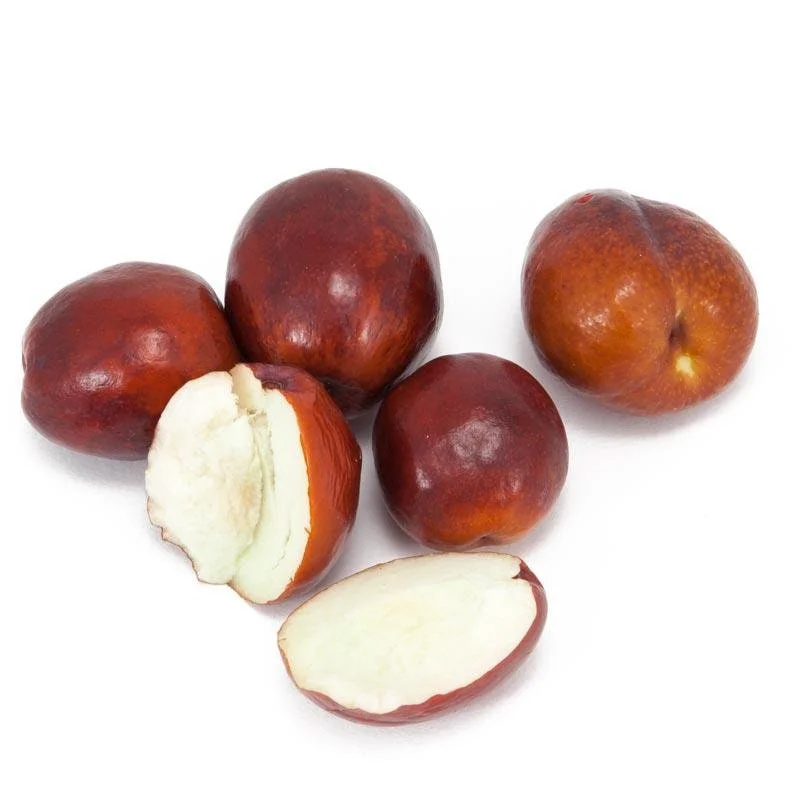
Bring the exotic taste of the Far East to your garden with a magnificent jujube li tree. This resilient and highly productive live plant is renowned for its exceptional fruit quality and ease of cultivation. The ‘Li’ variety is particularly prized for producing some of the largest jujubes, often exceeding the size of other popular cultivars like ‘Lang’. Originating from China, the jujube (Ziziphus jujuba) is also known as the Chinese date, and its fruits offer a delightful, crisp texture and sweet, apple-like flavor when fresh. As they mature, the fruits develop a wrinkled skin and a chewy texture, similar to a dried date. This specific li jujube fruit tree is a grafted specimen, ensuring it will bear fruit true to type and typically within a shorter timeframe compared to seed-grown plants. It is a fantastic choice for both seasoned gardeners and those new to growing fruit trees, offering beauty, shade, and a bountiful harvest.
The jujube li tree is a deciduous tree that adapts well to a wide range of climates, making it a versatile addition to many landscapes. Its moderate size and attractive foliage make it suitable for various garden designs, from edible landscapes to ornamental plantings. Historically, jujubes have been cultivated for thousands of years, valued not only for their delicious fruit but also for their traditional medicinal uses. This robust tree thrives with minimal care once established, providing a low-maintenance option for fresh, home-grown fruit.
Key Benefits
The jujube li tree offers a multitude of advantages for the home gardener, blending ornamental appeal with practical fruit production. Its hardiness and delicious fruit make it a standout choice for many landscapes.
- Exceptional Fruit Quality: The ‘Li’ variety is celebrated for its very large, round, and incredibly flavorful fruits. Enjoy them fresh off the tree for a crisp, sweet snack, or dry them for a chewy treat similar to dates. Growing your own li jujube fruit tree ensures a fresh supply.
- Drought Tolerance: Once established, jujube trees are remarkably drought-tolerant, requiring less water than many other fruit trees. This makes them an excellent choice for xeriscaping or gardens in drier climates.
- Low Maintenance: These trees are known for their resilience and require minimal pruning or pest management, making them an easy-care option for busy gardeners. You’ll spend more time enjoying the fruit than tending the tree.
- Cold Hardiness: The jujube li tree is surprisingly cold-hardy, thriving in USDA Zones 5-10. This broad range makes it suitable for many regions where other subtropical fruit trees might struggle.
- Grafted for Early Fruiting: Our trees are grafted, which means they will produce fruit faster and ensure the ‘Li’ variety’s desirable characteristics. This ensures you’ll be enjoying fresh jujubes sooner.
- Ornamental Value: Beyond its fruit, the jujube tree offers attractive, glossy green foliage and a graceful form, adding aesthetic appeal to your garden throughout the growing season.
- Versatile Use: The fruit can be eaten fresh, dried, or used in various culinary applications, including jams, jellies, and desserts. The versatility of the fruit adds another layer of benefit to growing jujube trees.
Plant Care & Growing Tips
Caring for your jujube li tree is relatively straightforward, as these trees are known for their resilience and adaptability. To ensure a healthy and productive tree, understanding its basic needs for sunlight, water, and soil is crucial. Jujubes thrive in full sun, meaning they need at least 6-8 hours of direct sunlight per day to produce the best fruit. Choose a location in your garden that receives ample sun exposure throughout the day. While tolerant of various soil types, they prefer well-draining soil and can even do well in poor or sandy soils, as long as they are not waterlogged. Avoid heavy clay soils that retain too much moisture, which can lead to root rot. If your soil is heavy, amend it with organic matter like compost or sand to improve drainage.
When it comes to watering, newly planted grafted jujube tree specimens require regular watering to help establish their root system. Water deeply once or twice a week, depending on your climate and soil type, allowing the top few inches of soil to dry out between waterings. Once established (typically after the first year), jujube trees are remarkably drought-tolerant and will only need supplemental watering during extended dry periods or extreme heat. Overwatering is more detrimental than underwatering for these trees. Fertilization is generally not heavily required; a balanced, slow-release fertilizer applied in early spring can be beneficial, but avoid over-fertilizing, which can promote leafy growth at the expense of fruit production. Pruning is minimal and usually involves removing dead, damaged, or crossing branches to maintain a good structure and promote air circulation. The ziziphus jujuba li is generally pest and disease resistant, further simplifying its care.
These trees are hardy in USDA Zones 5-10, meaning they can withstand winter temperatures down to -10°F to -20°F. In colder zones, consider providing winter protection for young trees or growing them in large containers that can be moved indoors. The tree’s height will be around 2-3 feet tall when shipped, and it will arrive in a 3-gallon pot, ready for planting. They are relatively fast-growing, and with proper care, you can expect fruit production within a few years. Understanding how to care for your jujube li tree will ensure a long-lasting and fruitful addition to your landscape.
Size & Details
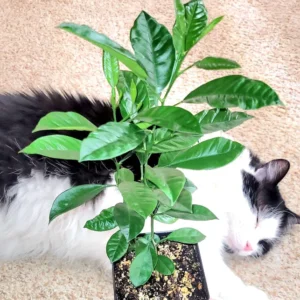
This offering is for a vibrant jujube li tree, standing approximately 2 to 3 feet tall upon arrival. It is a grafted specimen, ensuring genetic purity and faster fruit production of the desirable ‘Li’ variety. The tree will be shipped to you securely within a 3-gallon nursery pot, complete with its established root system and growing medium, making for an easy transition to your garden or a larger container. The ‘Li’ variety is known for producing very large, round fruits, typically larger than those from the ‘Lang’ cultivar. Expect a moderate growth rate, eventually reaching a mature height of 15-30 feet, with a similar spread, though it can be kept smaller with pruning. This grafted jujube tree is perfect for immediate planting and will establish quickly in its new environment. The fruit size is consistently very large, making it a highly sought-after variety for fresh eating and drying. This robust tree is well-suited for a variety of landscapes and climates.
Frequently Asked Questions
- Q: How big does this plant get? A: This jujube li tree arrives at 2-3 feet tall and can eventually reach a mature height of 15-30 feet with a similar spread. Its size can be managed with regular pruning.
- Q: What size pot does it come in? A: The tree will be shipped in a 3-gallon nursery pot, providing a healthy root system ready for transplanting.
- Q: Is this an indoor or outdoor plant? A: The jujube li tree is primarily an outdoor fruit tree, thriving in full sun. In colder climates (below USDA Zone 5), it can be grown in a large container and moved indoors during winter.
- Q: How much sunlight does it need? A: Jujube trees require full sun, meaning at least 6-8 hours of direct sunlight per day, to produce the best fruit yields.
- Q: Is this plant easy to care for? A: Yes, growing jujube trees is considered relatively easy. They are drought-tolerant once established, resistant to most pests and diseases, and require minimal pruning.
- Q: What condition will it arrive in? A: Your grafted jujube tree will arrive as a healthy, live plant, securely packaged in its 3-gallon pot with soil, ready for planting.
- Q: Can I use the fruit in cooking? A: Absolutely! Li jujubes are excellent for fresh eating, drying like dates, or incorporating into various dishes, jams, and desserts. The versatility of the li jujube fruit tree is a major benefit.
- Q: How long until it blooms and fruits? A: As a grafted tree, it typically begins to bear fruit within 1-3 years after planting, depending on growing conditions and care.
- Q: When is the best time to plant? A: The best time to plant a jujube li tree is in early spring after the last frost, or in early fall in warmer climates, allowing it time to establish before extreme temperatures.
- Q: Will it survive winter in my zone? A: This variety is cold-hardy, thriving in USDA Zones 5-10. It can withstand winter temperatures down to -10°F to -20°F.


Reviews
There are no reviews yet.