Overview
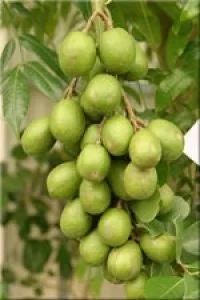
Discover the joy of growing your own tropical fruits with this vibrant June plum live plant. Also known as Dwarf Ambarella, this remarkable fruit tree is celebrated for its rapid growth and early fruit production, often yielding delicious plums within its first year. Standing at an impressive 2 to 3 feet tall, this specimen is ready to establish itself in your garden or a large container, bringing an exotic touch and a bounty of fruit. The June plum, scientifically known as Spondias dulcis, is a highly sought-after tropical plant, prized for its versatile fruit that can be enjoyed fresh, in juices, or even in savory dishes. Its unique flavor, often compared to a blend of apple and mango, makes it a delightful addition to any fruit enthusiast’s collection. This particular dwarf ambarella tree is selected for its robust health and readiness to produce, ensuring a rewarding gardening experience.
Key Benefits
Cultivating a June plum live plant offers a multitude of benefits, from its ornamental appeal to its delicious yields. This fast-growing fruit tree is an excellent choice for gardeners looking for both beauty and productivity. Its lush foliage and the promise of tropical fruit make it a standout addition to any landscape or patio.
- Early & Abundant Fruit Production: The June plum live plant is known for fruiting quickly, often within a year of planting, even at a young age. You’ll enjoy a generous harvest of juicy, flavorful plums perfect for various culinary uses.
- Compact Growth Habit: As a dwarf ambarella tree, it maintains a manageable size, making it suitable for smaller gardens, patios, or container growing. This allows even those with limited space to enjoy fresh tropical fruit.
- Versatile Culinary Uses: The fruit of the June plum live plant can be eaten fresh, providing a crisp, tangy, and sweet experience. It’s also excellent for making refreshing juices, delicious jellies, sauces, and even unique savory dishes, offering a taste similar to apple butter.
- Attractive Ornamental Plant: Beyond its fruit, the June plum features attractive green foliage, adding a tropical aesthetic to your outdoor or indoor space. It’s a beautiful specimen plant that enhances any garden design.
- Relatively Low Maintenance: Once established, the June plum live plant is quite resilient and doesn’t require excessive care, making it an ideal choice for both experienced and novice gardeners looking for an edible fruit plant.
Plant Care & Growing Tips
Caring for your June plum live plant is straightforward, especially when provided with the right conditions. This tropical fruit tree thrives in warm environments and appreciates consistent attention to its basic needs. Proper care will ensure a healthy plant and a bountiful harvest of delicious fruit.
For optimal growth, your June plum live plant requires plenty of sunlight. It performs best in a location where it receives at least 6-8 hours of direct sunlight per day. If growing indoors, place it near a south-facing window or use supplemental grow lights. The ideal soil for a dwarf ambarella tree is well-draining, fertile, and slightly acidic to neutral (pH 6.0-7.0). A good quality potting mix enriched with organic matter works well for container planting. Ensure the pot has adequate drainage holes to prevent waterlogging, which can be detrimental to the roots.
Watering should be consistent, especially during dry periods and when the plant is actively growing and fruiting. Keep the soil consistently moist but never soggy. Allow the top inch or two of soil to dry out slightly between waterings. Reduce watering frequency during cooler months. The June plum is a tropical fruit tree and prefers warm temperatures, ideally above 60°F (15°C). It is sensitive to frost, so if you live in a region with cold winters (below USDA Zone 9), it’s best to grow it in a container that can be moved indoors or protected during colder months. Fertilize your edible fruit plant every 2-3 months during the growing season with a balanced, slow-release fertilizer or a liquid feed formulated for fruit trees. Watch out for common pests like aphids or mealybugs; treat with organic insecticidal soap if necessary. Pruning can be done to maintain shape and encourage branching, leading to more fruit production.
Size & Details
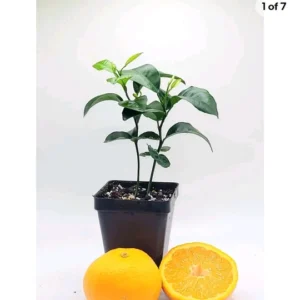
This offering is for one robust June plum live plant, standing approximately 2 to 3 feet tall from the base of the plant to the top of its foliage. It is shipped in a 3-gallon nursery pot, ensuring a well-established root system ready for transplanting into a larger container or directly into your garden. The tropical fruit tree is a fast grower, capable of producing fruit within its first year, even at this young height. Its compact nature, typical of a dwarf ambarella tree, means it will not become excessively large, making it a great choice for various garden sizes or for growing in containers on patios and balconies. Expect this plant to quickly settle into its new home and begin its journey towards bearing delicious June plums, a true delight for any gardener.
Frequently Asked Questions
- Q: How big does this June plum live plant get? A: This particular plant is 2 to 3 feet tall upon arrival. As a dwarf ambarella tree, it typically reaches a mature height of 6-10 feet when planted in the ground, though it can be kept smaller with pruning in containers.
- Q: Is this an indoor or outdoor plant? A: The June plum live plant is a tropical species. It can be grown outdoors year-round in USDA Zones 9-11. In colder climates, it is best grown in a container and brought indoors during winter months.
- Q: How much sunlight does a dwarf ambarella tree need? A: This fruit tree thrives in full sun, requiring at least 6-8 hours of direct sunlight per day to produce abundant fruit. Ensure it receives ample light both indoors and outdoors.
- Q: Is this plant easy to care for? A: Yes, the June plum is considered relatively easy to care for, especially once established. It requires consistent watering, plenty of sunlight, and protection from frost. It’s a rewarding edible fruit plant for gardeners of all levels.
- Q: What condition will the tropical fruit tree arrive in? A: Your June plum will arrive as a healthy, well-rooted live plant, 2 to 3 feet tall, securely shipped in its 3-gallon nursery pot to ensure minimal stress during transit.
- Q: How long until it produces fruit? A: One of the great advantages of the June plum live plant is its quick fruiting. Many plants begin to produce fruit within the first year of planting, even at a young height.
- Q: What’s the best soil for a June plum live plant? A: A well-draining, fertile soil mix is best. For container planting, use a high-quality potting mix amended with compost. For in-ground planting, ensure good drainage and enrich the soil with organic matter.
- Q: Can I grow this tropical fruit tree in a large pot? A: Absolutely! The dwarf nature of this ambarella tree makes it an excellent candidate for container growing. Choose a large pot (at least 15-20 gallons) to allow for root growth and easier mobility.
- Q: What does June plum fruit taste like? A: The fruit has a unique flavor profile often described as a blend of apple, mango, and pineapple, with a slight tartness. It’s crisp when eaten fresh and develops a richer flavor when cooked, similar to apple butter.
- Q: Is the June plum live plant pest resistant? A: While generally robust, like all plants, it can occasionally encounter pests such as aphids or spider mites. Regular inspection and prompt treatment with organic pest control methods will keep your plant healthy.


Reviews
There are no reviews yet.