Overview
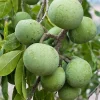
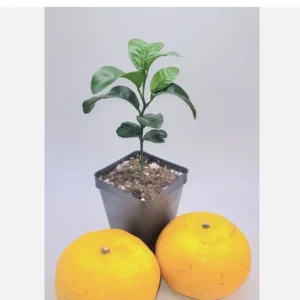
Cultivate your own tropical harvest with this vibrant June Plum live plant, scientifically known as Spondias dulcis. Also commonly referred to as dwarf ambarella, this fascinating fruit tree is prized for its rapid growth and delicious, apple-like fruit. Originating from the South Pacific, the June Plum is an excellent addition to any garden or patio, especially for those in warmer climates or with suitable indoor growing conditions. This particular specimen arrives as a healthy, thriving plant, typically measuring 2 to 3 feet tall, and ready to be planted in its new home. The June Plum live plant is known for its ability to produce fruit quickly, often within a year of planting, making it a rewarding choice for both novice and experienced gardeners seeking an exotic fruit experience.
Key Benefits
The June Plum live plant offers a multitude of advantages, from its aesthetic appeal to its abundant, edible harvest. It’s a truly unique specimen that enhances any living space or garden with its tropical charm and practical uses.
- Fast Fruit Production: Enjoy fresh fruit in less than one year, even when the plant is relatively young and compact. This rapid turnaround makes the June Plum live plant a highly satisfying choice for fruit enthusiasts.
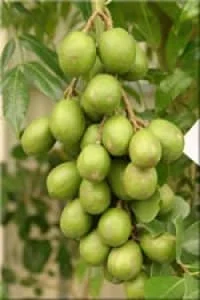
- Delicious Edible Fruit: The fruit of the Spondias dulcis plant is versatile and can be eaten fresh, made into refreshing drinks, or transformed into jellies with a taste reminiscent of apple butter.
- Compact Growth Habit: As a dwarf ambarella tree, it is suitable for smaller gardens or container growing, reaching an average height of 8 feet and a width of 6 feet, making it manageable for various spaces.
- Ornamental Value: Beyond its fruit, the June Plum offers attractive foliage, adding a lush, tropical aesthetic to your landscape or indoor environment.
- Unique Flavor Profile: Experience the distinct, sweet-tart taste of June Plums, a delightful addition to your culinary adventures that stands out from common fruits.
- Robust and Resilient: This plant is known for its relatively hardy nature, thriving in appropriate conditions and resisting common garden pests and diseases.
- Easy to Grow: With proper care, the tropical fruit tree is straightforward to maintain, making it accessible even for those new to growing fruit-bearing plants.
Plant Care & Growing Tips
Caring for your June Plum live plant is relatively simple, given the right conditions. This tropical species thrives in warm environments and requires consistent attention to light, water, and soil. To ensure vigorous growth and abundant fruit production, understanding its specific needs is crucial.
For sunlight, the dwarf ambarella tree prefers full sun, meaning at least 6-8 hours of direct sunlight per day. If grown indoors, place it near a south-facing window or use supplemental grow lights to meet its light requirements. Outdoors, choose a location that receives ample sunshine throughout the day. When it comes to watering, consistent moisture is key, especially during fruiting season. Water thoroughly when the top inch of soil feels dry to the touch, ensuring good drainage to prevent root rot. Reduce watering slightly during cooler months. The ideal soil type for the Spondias dulcis plant is a well-draining, fertile loam with a slightly acidic to neutral pH. A good quality potting mix enriched with compost works well for container-grown plants. This plant is sensitive to cold temperatures, with damage occurring at around 28°F. It is best suited for USDA Zones 9 and above. In colder zones, it should be grown in a container and brought indoors during winter or protected from frost. Fertilize regularly during the growing season (spring and summer) with a balanced, slow-release fertilizer or a liquid feed formulated for fruit trees. Pruning can be done to maintain shape and size, and to encourage more fruit production. Watch out for common pests like aphids or scale insects; address them promptly with horticultural oil or insecticidal soap.
Size & Details
This offering is for one healthy June Plum live plant, carefully nurtured to ensure its vitality upon arrival. Each plant typically stands between 2 to 3 feet tall, providing a substantial specimen ready for immediate planting. It is shipped securely in a 3-gallon pot, complete with its root ball and established soil, minimizing transplant shock and promoting continuous growth. The June Plum is known for its fast growth rate, often producing fruit within its first year, even at this young height. When mature, the dwarf ambarella tree can reach an average height of 8 feet with a spread of 6 feet, making it a manageable size for most home gardens or large containers. The fruit typically ripens in the fall and winter seasons, offering a unique harvest when many other fruits are not in season. This provides a consistent supply of delicious, tangy plums for fresh consumption or various culinary uses.
Frequently Asked Questions
- Q: How big does this plant get? A: This June Plum live plant is typically 2 to 3 feet tall when shipped. At maturity, the dwarf ambarella tree can reach an average height of 8 feet and a width of 6 feet, making it suitable for both garden and container growing.
- Q: What size pot does it come in? A: Each plant is shipped in a sturdy 3-gallon nursery pot, ensuring the root system is well-established and ready for its new home. You may choose to repot into a larger container or plant directly in the ground.
- Q: Is this an indoor or outdoor plant? A: The Spondias dulcis plant is a tropical fruit tree best suited for outdoor growing in USDA Zones 9 and above. In colder climates, it can be grown as an indoor plant or in a container that can be moved indoors during winter.
- Q: How much sunlight does it need? A: This tropical fruit tree thrives in full sun, requiring at least 6-8 hours of direct sunlight daily for optimal growth and fruit production. Ensure good light exposure if growing indoors.
- Q: Is this plant easy to care for? A: Yes, the June Plum live plant is considered relatively easy to care for, especially when its basic needs for sunlight, water, and well-draining soil are met. It’s a rewarding plant for gardeners of all experience levels.
- Q: What condition will it arrive in? A: Your June Plum live plant will arrive healthy, well-rooted, and carefully packaged to minimize stress during transit, ready for planting or placement in your home or garden.
- Q: How long until it produces fruit? A: One of the most exciting features of the dwarf ambarella tree is its rapid fruit production. Many plants begin bearing fruit within one year of planting, even when they are relatively small.
- Q: When is the best time to plant? A: If planting outdoors in suitable zones, spring or early summer is ideal, allowing the plant to establish before cooler weather. Container plants can be established year-round indoors.
- Q: What does the fruit taste like? A: The fruit of the June Plum live plant has a unique sweet-tart flavor, often described as similar to a crisp apple with hints of other tropical notes. It’s excellent eaten fresh or used in various culinary applications.
- Q: Will it survive winter in my zone? A: The June Plum is sensitive to cold and will suffer damage below 28°F. If you are in a zone colder than USDA 9, it is essential to provide winter protection or grow it in a container that can be moved indoors.


Reviews
There are no reviews yet.