Overview
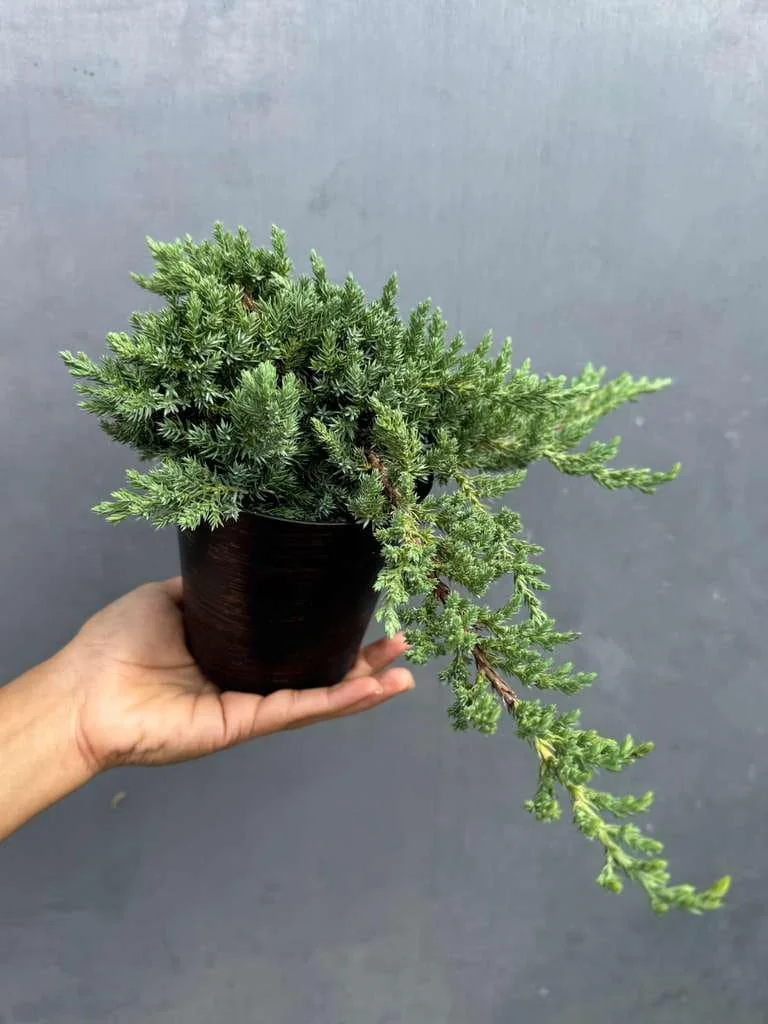
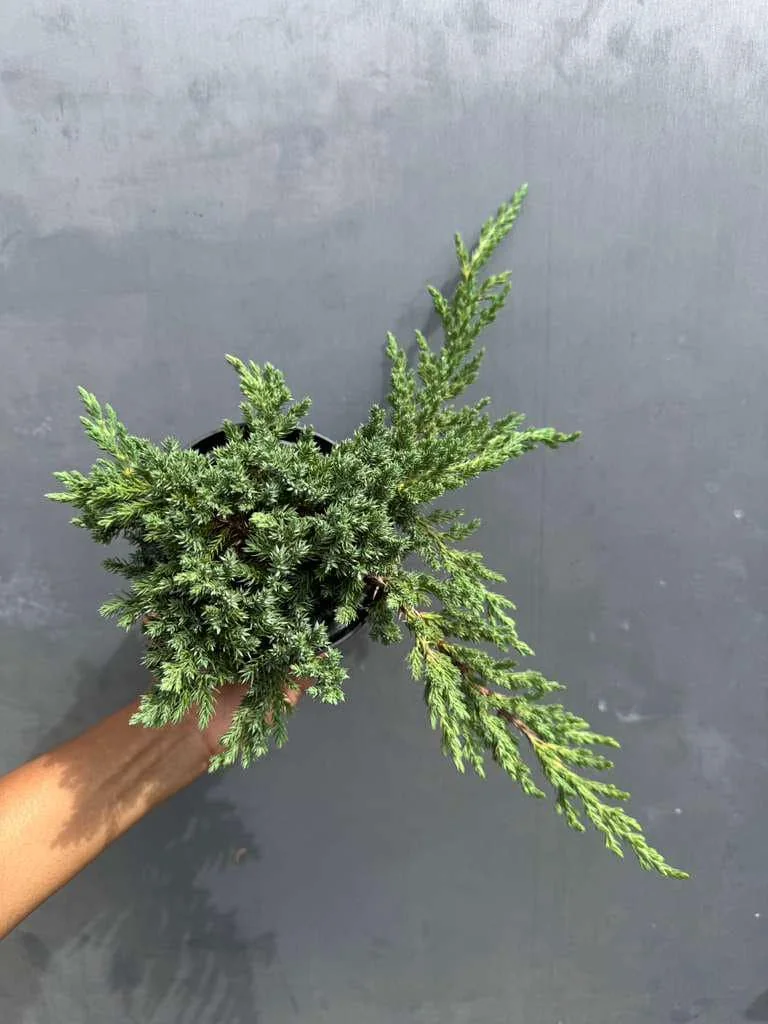
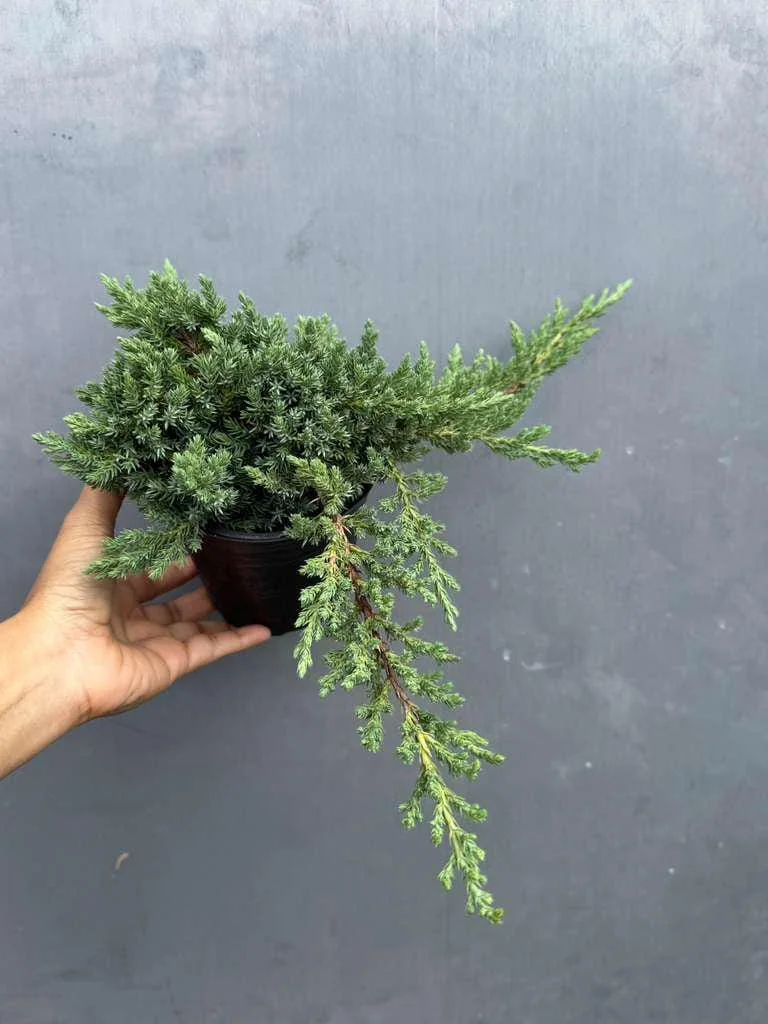
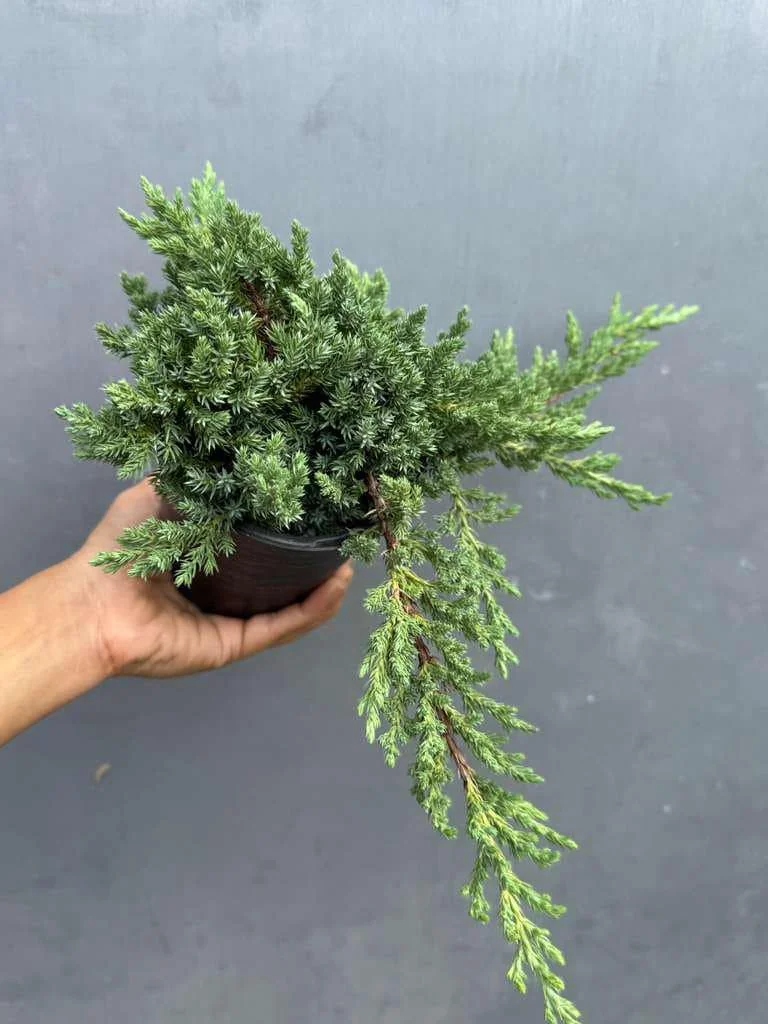
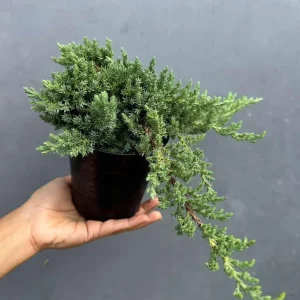
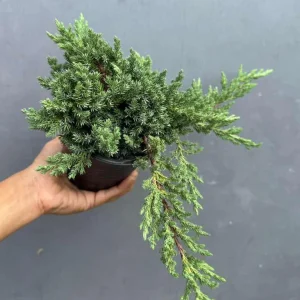
Discover the timeless beauty of the juniper procumbens bonsai tree, a captivating live plant that brings a sense of peace and artistry to any setting. This particular variety, Juniperus procumbens ‘Nana’, is celebrated for its natural dwarfing characteristics and graceful, spreading form, making it an excellent choice for bonsai cultivation. Originating from Japan, the Juniper Procumbens is a hardy and adaptable evergreen, renowned for its resilience and ability to thrive for decades with proper care. It features dense, needle-like foliage that ranges from vibrant green to blue-green, often developing a beautiful reddish-brown bark as it matures. Ideal for those seeking a tranquil and long-lasting botanical companion, this outdoor bonsai plant is a living sculpture that evolves with time and care, offering continuous visual interest and a connection to nature.
Its compact size and intricate branch structure make it a stunning focal point, whether displayed on a patio, balcony, or garden. The inherent beauty and relative ease of maintenance contribute to its popularity among plant lovers, making it a fantastic introduction to the world of bonsai. Each plant is unique, developing its individual character and charm over the years, providing a rewarding experience for its owner. Embrace the art of bonsai with this exquisite Juniper Procumbens, a symbol of longevity and endurance.
Key Benefits
Owning a juniper procumbens bonsai tree offers a multitude of benefits, from aesthetic appeal to personal well-being. This exquisite plant is more than just decor; it’s a living piece of art that enriches your environment.
- Exceptional Aesthetic Appeal: The unique, sculpted form and vibrant green foliage of the Juniper Procumbens make it a striking decorative element. It adds a touch of sophistication and natural beauty to any outdoor space, creating a serene and contemplative atmosphere.
- Resilient and Long-Lived: Known for its hardiness, this outdoor bonsai plant can thrive for many years, becoming a cherished part of your home. With consistent care, it offers decades of enjoyment and develops more character with age.
- Stress Reduction and Mindfulness: The practice of caring for a bonsai tree, including pruning and watering, can be a meditative and calming activity. It encourages mindfulness and provides a peaceful escape from daily stresses, fostering a sense of accomplishment.
- Ideal for Beginners: The Juniper Procumbens is often recommended for those new to bonsai due to its forgiving nature and adaptability. Its resilience makes it easier to learn the basics of bonsai tree care without excessive difficulty.
- Unique Gift Idea: A small bonsai plant like this makes an incredibly thoughtful and unique gift for plant enthusiasts, art lovers, or anyone appreciating natural beauty. It’s a living gift that continues to grow and evolve.
- Symbol of Good Fortune: In many cultures, bonsai trees are considered symbols of harmony, peace, and longevity, making them a wonderful lucky houseplant to have in your home or garden.
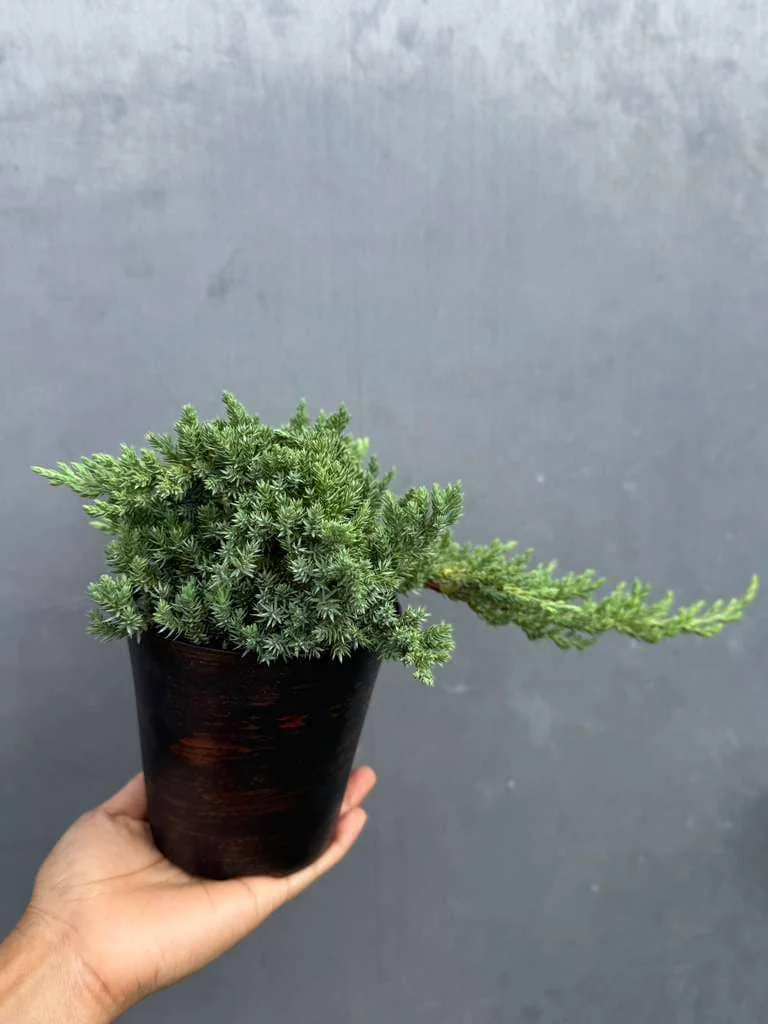
- Compact Size: Perfectly sized for smaller spaces, this bonsai comes in a 4-inch pot, making it suitable for balconies, patios, or even as a desk companion if kept outdoors.
Plant Care & Growing Tips
Caring for your juniper procumbens bonsai tree is a rewarding experience that requires understanding its specific needs. This resilient outdoor bonsai plant thrives when given the right conditions, ensuring its longevity and vibrant appearance. The most crucial aspect of bonsai tree care for Juniper Procumbens is adequate sunlight. It requires full sun, meaning at least 4–6 hours of direct sunlight daily to maintain its vigor and color. While classified as an outdoor plant, it can tolerate brief periods indoors for display, but prolonged indoor conditions will weaken it over time. Choose a location that receives ample morning sun and some afternoon shade in extremely hot climates to prevent scorching.
Watering is another critical component of its care. You should water your bonsai when the topsoil feels slightly dry to the touch. It’s essential to water thoroughly until water drains out of the pot, ensuring the entire root ball is moistened. Avoid letting the soil dry out completely, as this can stress the plant, but also prevent it from becoming soggy, which can lead to root rot. During warmer summer months, you may need to water more frequently, sometimes daily, depending on the temperature and humidity. The soil composition is also vital; use a well-draining bonsai mix, typically containing akadama, pumice, and lava rock. Standard potting soil retains too much moisture and is generally unsuitable for bonsai. Fertilize sparingly during the growing season (spring to early fall) with a balanced liquid bonsai fertilizer, diluted to half strength. Protect your juniper from harsh winter winds and extreme cold by moving it to a sheltered location or providing winter protection in colder USDA zones.
Size & Details
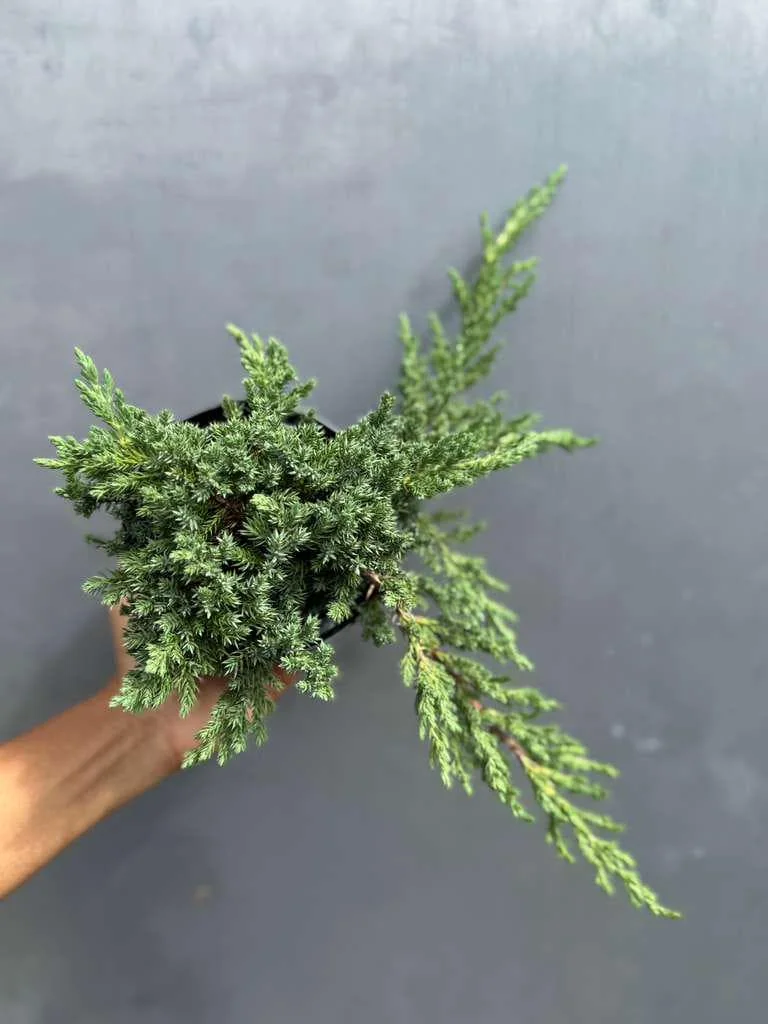
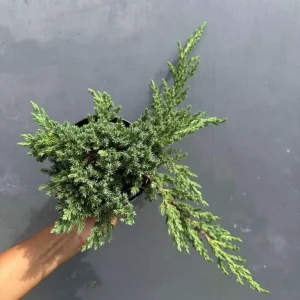
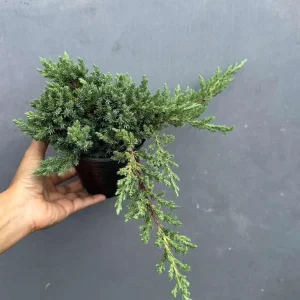
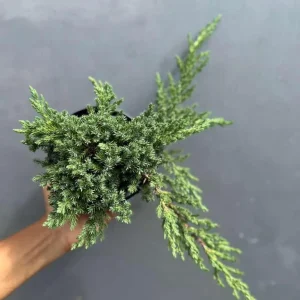
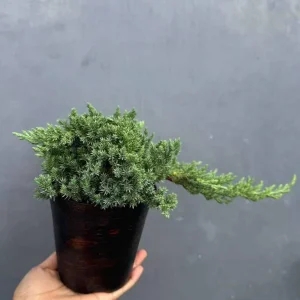
This exquisite juniper procumbens bonsai tree arrives as a healthy, established live plant in a 4-inch decorative pot, ready to enhance your outdoor living space. The plant you receive will be similar in form and vigor to the images shown, showcasing the characteristic spreading growth and dense foliage of the Juniper Procumbens ‘Nana’ variety. While its exact height and width will vary slightly due to its natural growth, it is typically a compact, desk-friendly size, perfect for display on a table or shelf. Juniper Procumbens is a relatively slow-growing species, which contributes to its suitability for bonsai, allowing for careful shaping and development over many years. It will maintain a manageable size with regular pruning and shaping. This small bonsai plant is shipped in its pot with soil, ensuring minimal transplant shock and easy integration into its new home. Expect a mature plant to develop a strong trunk and intricate branch structure, offering a continuous journey of growth and artistic expression.
Frequently Asked Questions
- Q: How big does this plant get? A: The juniper procumbens bonsai tree is a slow-growing variety that remains compact. With consistent pruning and shaping, it can be maintained at a small, manageable size suitable for a 4-inch pot, typically reaching 6-12 inches in height and spread.
- Q: Is this an indoor or outdoor plant? A: This is primarily an outdoor bonsai plant. While it can be brought indoors for short periods for display, it requires significant direct sunlight and air circulation to thrive long-term. Prolonged indoor conditions can weaken its health.
- Q: How much sunlight does it need? A: The Juniper Procumbens requires full sun, meaning at least 4–6 hours of direct sunlight daily. Placing it in a sunny spot outdoors, such as a patio or balcony, is ideal for its health and vigorous growth.
- Q: Is this plant easy to care for? A: Yes, the Juniper Procumbens is considered one of the easier bonsai species to care for, making it an excellent choice for beginners interested in bonsai tree care. Its resilience and adaptability contribute to its forgiving nature.
- Q: What condition will it arrive in? A: Your small bonsai plant will arrive as a healthy, live plant, securely packaged in its 4-inch decorative pot with soil. We take great care to ensure it reaches you in excellent condition, ready for its new home.
- Q: When is the best time to plant or repot? A: Repotting is typically done in early spring before new growth begins, usually every 2-3 years depending on the plant’s growth rate. It’s best to avoid planting or repotting during extreme heat or cold.
- Q: Will it survive winter in my zone? A: The Juniper Procumbens is hardy in USDA zones 4-9. In colder zones, it will need winter protection, such as being moved to an unheated garage or shed, or mulched to protect its roots from freezing.
- Q: Is this considered a lucky houseplant? A: Yes, bonsai trees, including the Juniper Procumbens, are often regarded as symbols of harmony, balance, and good fortune in various cultures, making it a wonderful addition to any home.
- Q: What type of pot does it come in? A: It comes in a 4-inch decorative pot, which complements the natural beauty of the bonsai and makes it ready for immediate display.
- Q: How often should I fertilize my bonsai? A: Fertilize your juniper procumbens bonsai tree during the growing season (spring to early fall) with a balanced liquid bonsai fertilizer. Dilute it to half strength and apply every 2-4 weeks, reducing frequency in cooler months.


Reviews
There are no reviews yet.