Overview
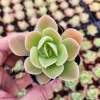
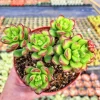
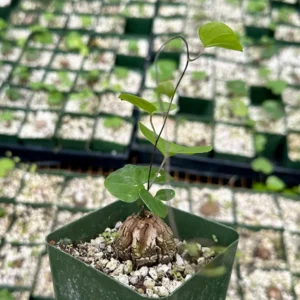
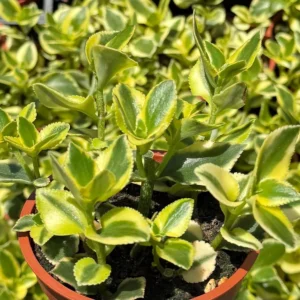
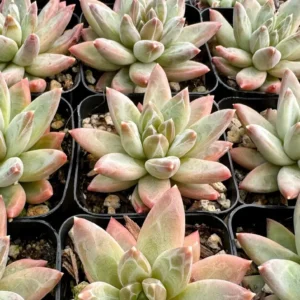
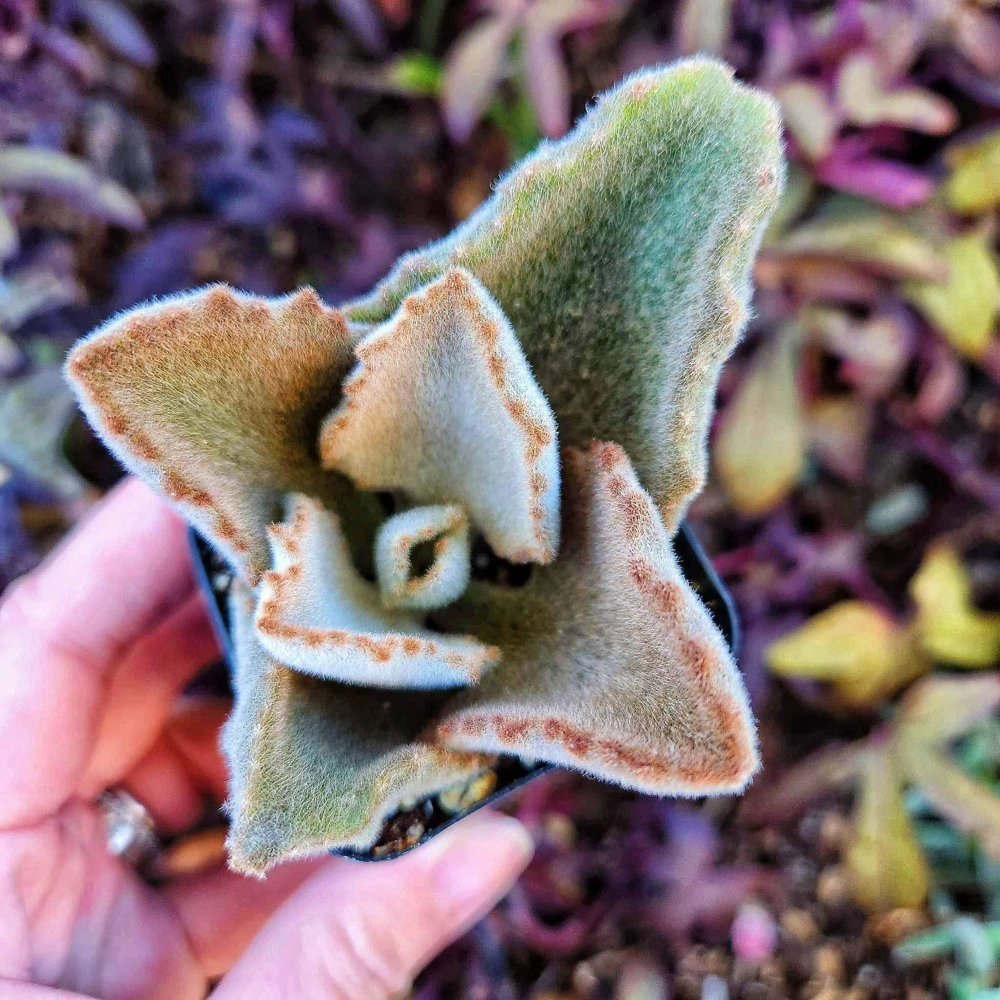
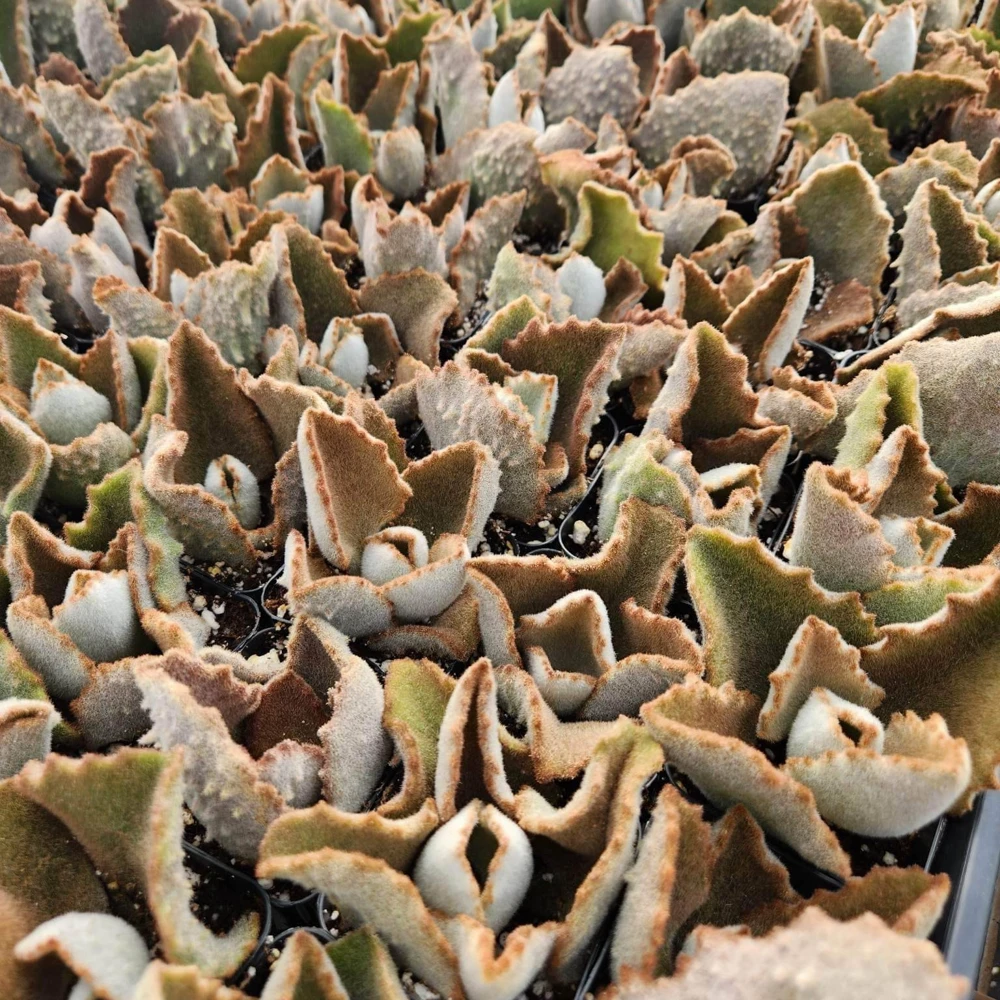
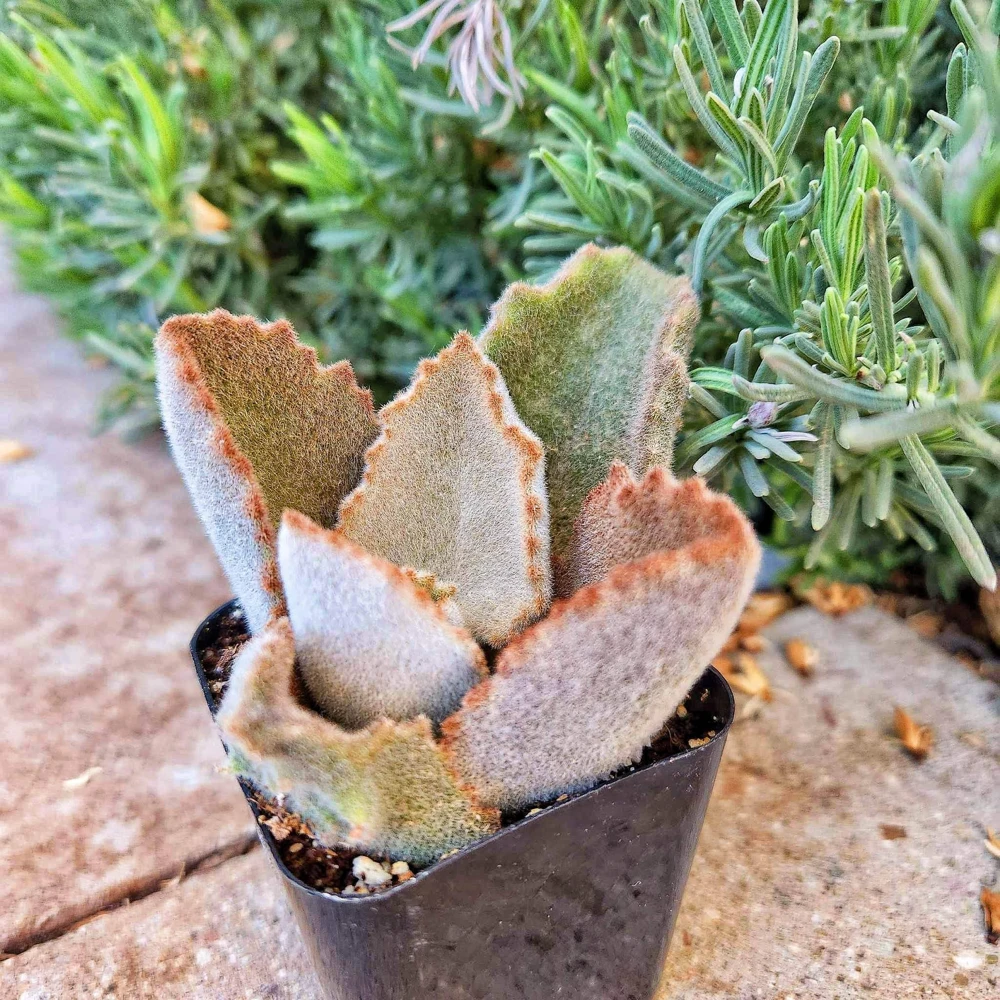
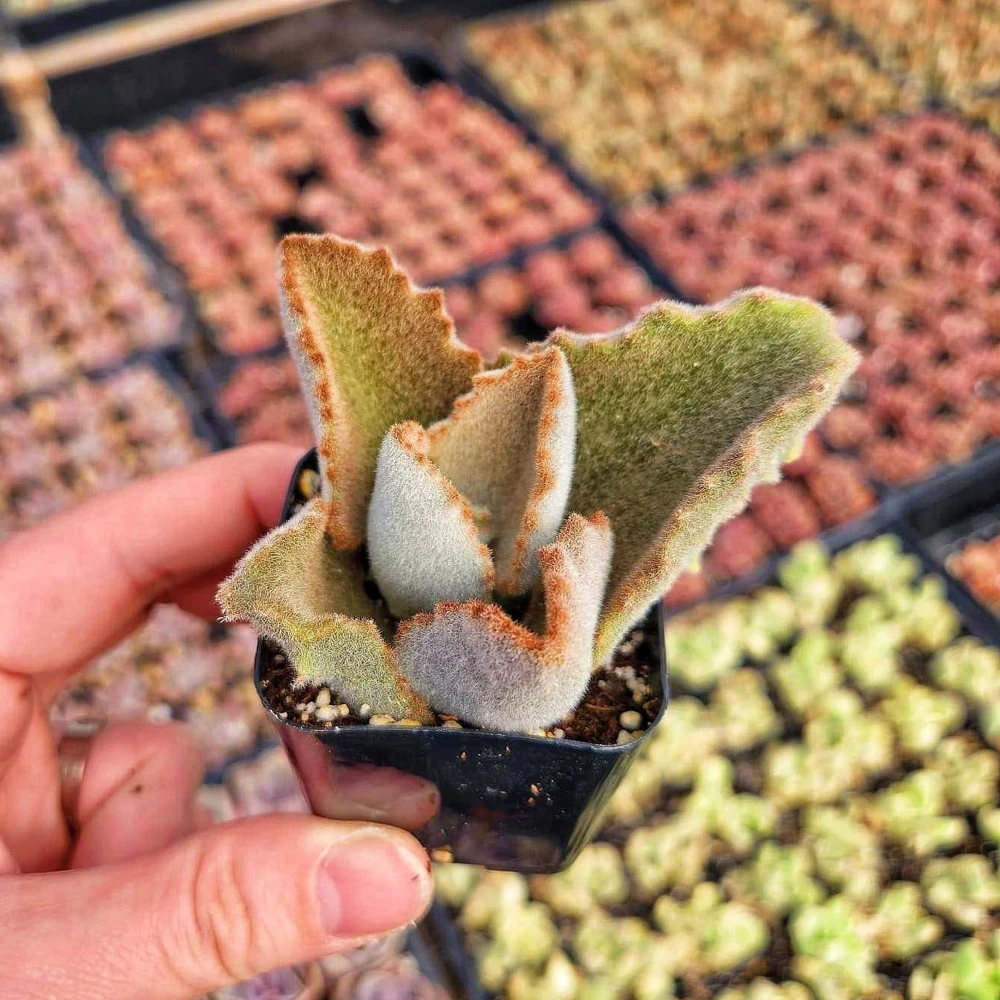
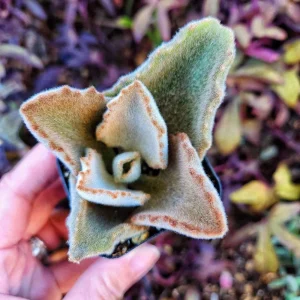
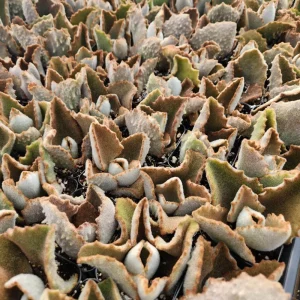
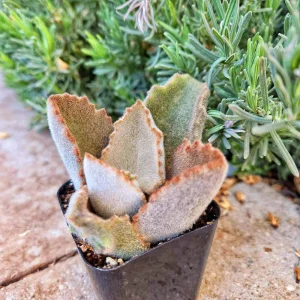
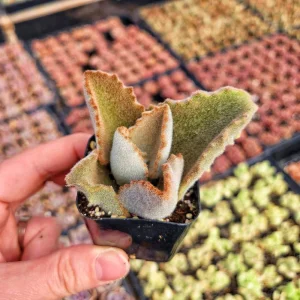
Introduce an extraordinary botanical specimen to your home with the Kalanchoe Beharensis Fang live plant. This captivating succulent, often simply called ‘Fang Kalanchoe,’ is renowned for its unique, almost otherworldly appearance. Originating from Madagascar, this Kalanchoe species stands out with its thick, velvety, triangular leaves that develop distinctive tooth-like protrusions, giving it its ‘Fang’ moniker. The foliage is typically a muted green, sometimes with a reddish tint on the edges when exposed to ample light, and is covered in fine, soft hairs, making it a tactile delight. As a live plant, it arrives potted in a 2-inch nursery container, ready to be displayed or repotted into your favorite decorative planter. Its architectural form and low-maintenance nature make it an ideal choice for both seasoned succulent collectors and those new to indoor gardening.
The Kalanchoe Fang succulent is a relatively slow-growing plant, developing into an upright, shrub-like form over time. Its unusual texture and shape provide a fantastic focal point in succulent arrangements, terrariums, or as a standalone desk plant. Despite its exotic appearance, caring for this Kalanchoe is straightforward, requiring minimal attention once its basic light and watering needs are met. It thrives in conditions similar to many other succulents, making it a resilient and rewarding plant to cultivate indoors. The unique ‘fangs’ are actually small, hardened projections along the leaf margins, adding to its intrigue and making it a conversation starter among plant enthusiasts.
Key Benefits
The Kalanchoe Beharensis Fang live plant offers several advantages that make it a highly desirable addition to any plant collection. Its striking appearance and ease of care are just a few of its many positive attributes.
- Unique Textured Foliage: The most prominent feature of this Kalanchoe is its distinctive fuzzy, tooth-like leaves. The soft, velvety texture combined with the ‘fang’ projections creates an unparalleled aesthetic interest, making it a true standout among succulents.
- Low Maintenance & Drought Tolerant: Like most succulents, the Kalanchoe Fang succulent is incredibly forgiving. It requires infrequent watering and can tolerate periods of neglect, making it perfect for busy individuals or beginner plant parents.
- Architectural & Sculptural Form: Its upright growth habit and uniquely shaped leaves contribute to a strong architectural presence. It adds a modern, sculptural element to any indoor space, enhancing contemporary or minimalist decor.
- Air Purification Qualities: While succulents generally have lower air-purifying capabilities than some other houseplants, they still contribute to a healthier indoor environment by absorbing some toxins and releasing oxygen.
- Compact Size for Versatility: Arriving in a 2-inch pot, this plant is ideal for small spaces, windowsills, desks, or as part of a mixed succulent planter. Its manageable size allows for flexible placement and creative display options.
- Pet-Friendly (with caution): While Kalanchoe species are generally considered toxic if ingested in large quantities, the ‘Fang’ variety is less commonly reported for issues. However, it’s always best to keep all plants out of reach of curious pets.
- Easy to Propagate: This Kalanchoe Beharensis Fang live plant is relatively easy to propagate from stem or leaf cuttings, allowing you to expand your collection or share with friends.
Plant Care & Growing Tips
Caring for your Kalanchoe Beharensis Fang live plant is quite simple, provided you understand its succulent nature. It thrives on neglect rather than over-attention, particularly when it comes to watering. For optimal growth, place your Kalanchoe in a location that receives bright, indirect light. A south or west-facing window with some protection from intense afternoon sun is usually ideal indoors. While it can tolerate some direct morning sun, prolonged exposure to harsh light can scorch its delicate fuzzy leaves. If kept outdoors in a suitable climate, ensure it’s in a shaded area to prevent sunburn.
Watering is the most crucial aspect of care for this fuzzy leaf Kalanchoe. It is imperative to allow the soil to dry out completely between waterings. Overwatering is the quickest way to kill a succulent, leading to root rot. Infrequent watering, perhaps once every 2-4 weeks depending on your indoor environment’s humidity and temperature, is typically sufficient. Always check the soil moisture by feeling the top inch or two; if it feels dry, it’s time to water. When you do water, do so thoroughly until water drains from the bottom of the pot, then allow any excess to drain away. Use a fast-draining soil mix, such as a succulent and cactus blend, often supplemented with perlite or pumice to enhance drainage. Repotting should only be done when the plant outgrows its current container, typically every 1-2 years, using a pot with drainage holes, preferably terracotta, which helps wick away excess moisture.
Fertilize your Kalanchoe sparingly, only during its active growing season (spring and summer), about once a month with a diluted balanced liquid houseplant fertilizer. Avoid fertilizing in fall and winter when the plant’s growth slows down. Temperatures between 65-80°F (18-27°C) are ideal. Protect it from frost, as it is not cold-hardy. Watch out for common pests like mealybugs or spider mites, which can be treated with insecticidal soap or neem oil. This unique indoor succulent generally suffers from few problems if its basic needs are met.
Size & Details
This offering includes one live Kalanchoe Beharensis Fang live plant, which arrives established in a 2-inch nursery pot. At this size, the plant is compact and perfect for starting your collection or adding to an existing succulent display. The exact height and spread will vary slightly due to natural growth patterns, but typically, juvenile plants in this size pot will be around 2-4 inches tall. This succulent has a moderate growth rate and, with proper care, can eventually grow into a larger, shrub-like specimen, reaching up to 1-2 feet tall indoors over several years. The plant is shipped in its nursery pot with soil, ensuring minimal shock during transit and providing a stable environment upon arrival. This Kalanchoe care tips are essential for its continued growth and unique aesthetic.
Frequently Asked Questions
- Q: How big does this Kalanchoe Beharensis Fang live plant get? A: This Kalanchoe Beharensis Fang live plant is currently in a 2-inch pot. With optimal care, it can eventually grow into a small shrub, reaching heights of 1 to 2 feet indoors over several years, making it a substantial unique indoor succulent.
- Q: Is this an indoor or outdoor plant? A: The Kalanchoe Beharensis Fang is primarily grown as an indoor plant in most climates due to its sensitivity to cold. It can be grown outdoors in USDA Zones 9-11, provided it is in a shaded or partially shaded location.
- Q: How much sunlight does the Kalanchoe Fang succulent need? A: This succulent thrives in bright, indirect light. A spot near a south or west-facing window is ideal, but protect it from intense, direct afternoon sun to prevent scorching of its fuzzy leaves.
- Q: Is this plant easy to care for? A: Yes, the Kalanchoe Fang succulent is considered relatively easy to care for, especially for those familiar with succulents. Its main requirements are bright light and infrequent watering, making it a great choice for beginners.
- Q: What condition will my Kalanchoe Fang succulent arrive in? A: Your Kalanchoe Fang succulent will arrive as a live plant, securely packaged in its 2-inch nursery pot with soil, ensuring it is ready for display or repotting upon arrival. Some natural variations in color and shape may occur.
- Q: How often should I water my fuzzy leaf Kalanchoe? A: Water infrequently, allowing the soil to dry out completely between waterings. This could be anywhere from every 2 to 4 weeks, depending on your home’s temperature and humidity. Always check the soil moisture before watering again.
- Q: What kind of soil is best for this Kalanchoe? A: A well-draining soil mix is crucial. Use a specialized succulent and cactus mix, or amend regular potting soil with plenty of perlite or pumice to ensure excellent drainage. This helps prevent root rot in your fuzzy leaf Kalanchoe.
- Q: Is Kalanchoe Beharensis Fang pet-safe? A: While Kalanchoe species are generally considered toxic if ingested, especially in large quantities, the ‘Fang’ variety is less commonly reported for issues. However, it’s always safest to keep all plants out of reach of pets.
- Q: Can I propagate this Kalanchoe? A: Yes, the unique indoor succulent is relatively easy to propagate from stem or leaf cuttings. Allow cuttings to callus for a few days before planting them in well-draining soil.
- Q: What are some good Kalanchoe care tips for beginners? A: For beginners, remember bright indirect light and infrequent watering are key. Use well-draining soil, avoid overwatering, and protect from cold temperatures to ensure your Kalanchoe care tips lead to a thriving plant.


Reviews
There are no reviews yet.