Overview
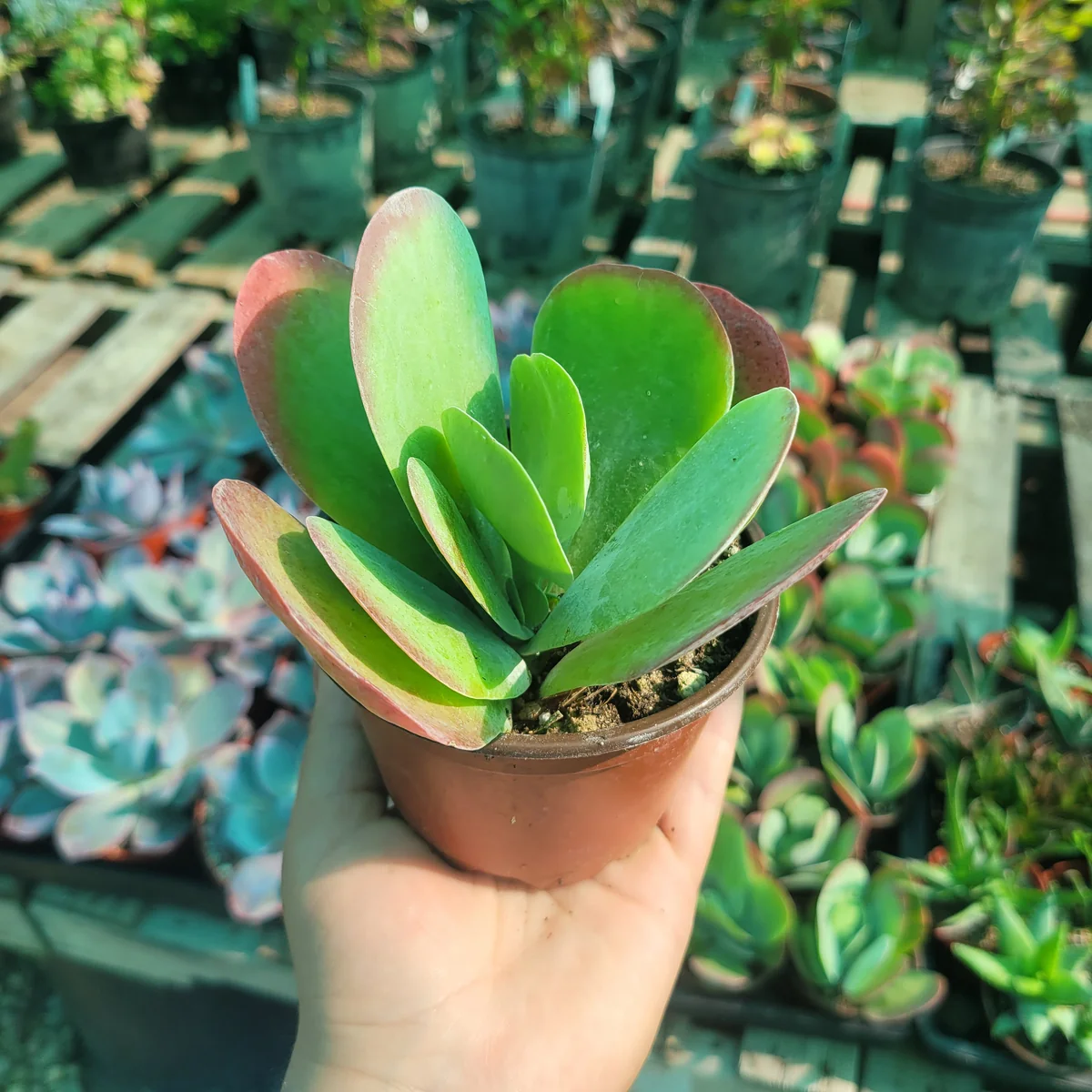
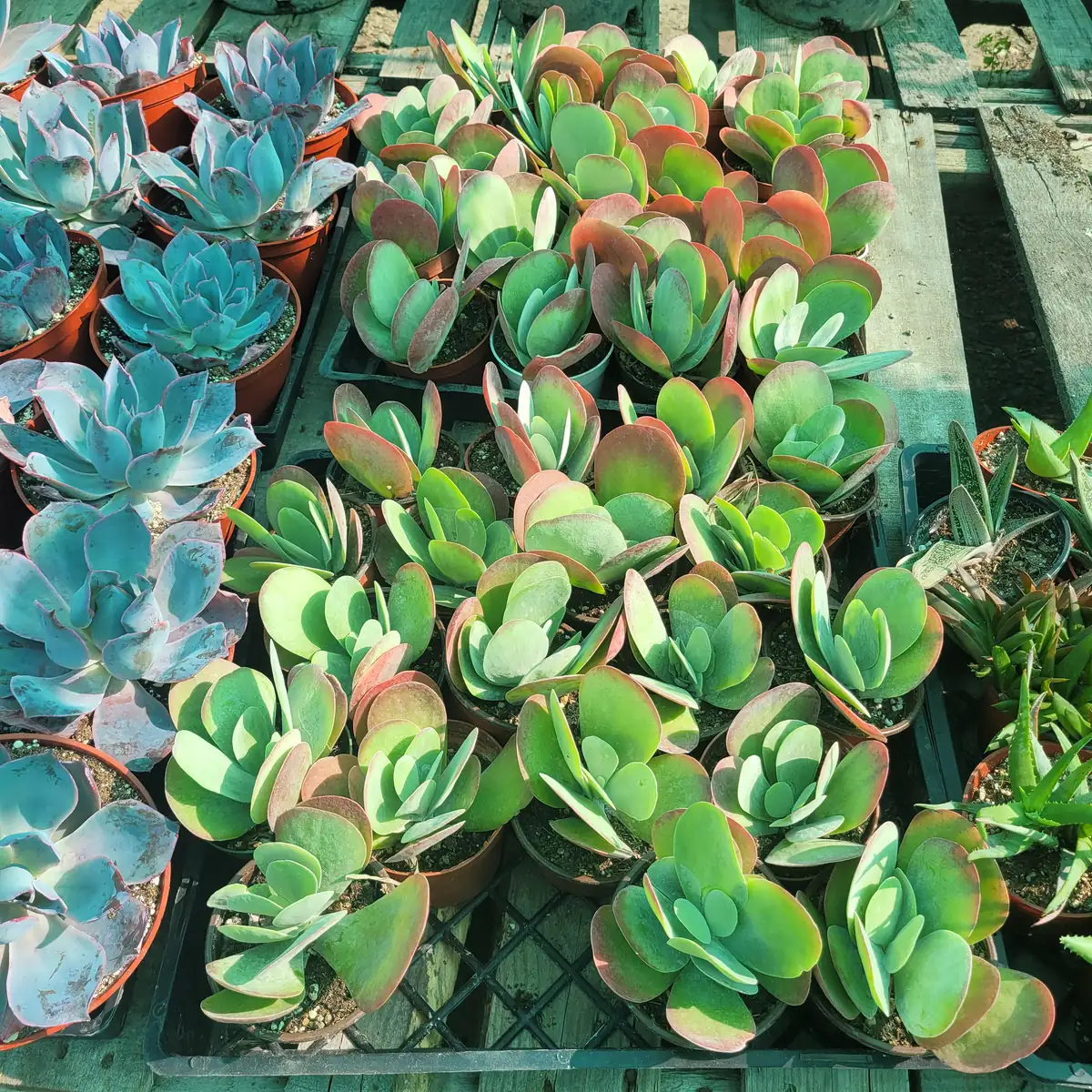
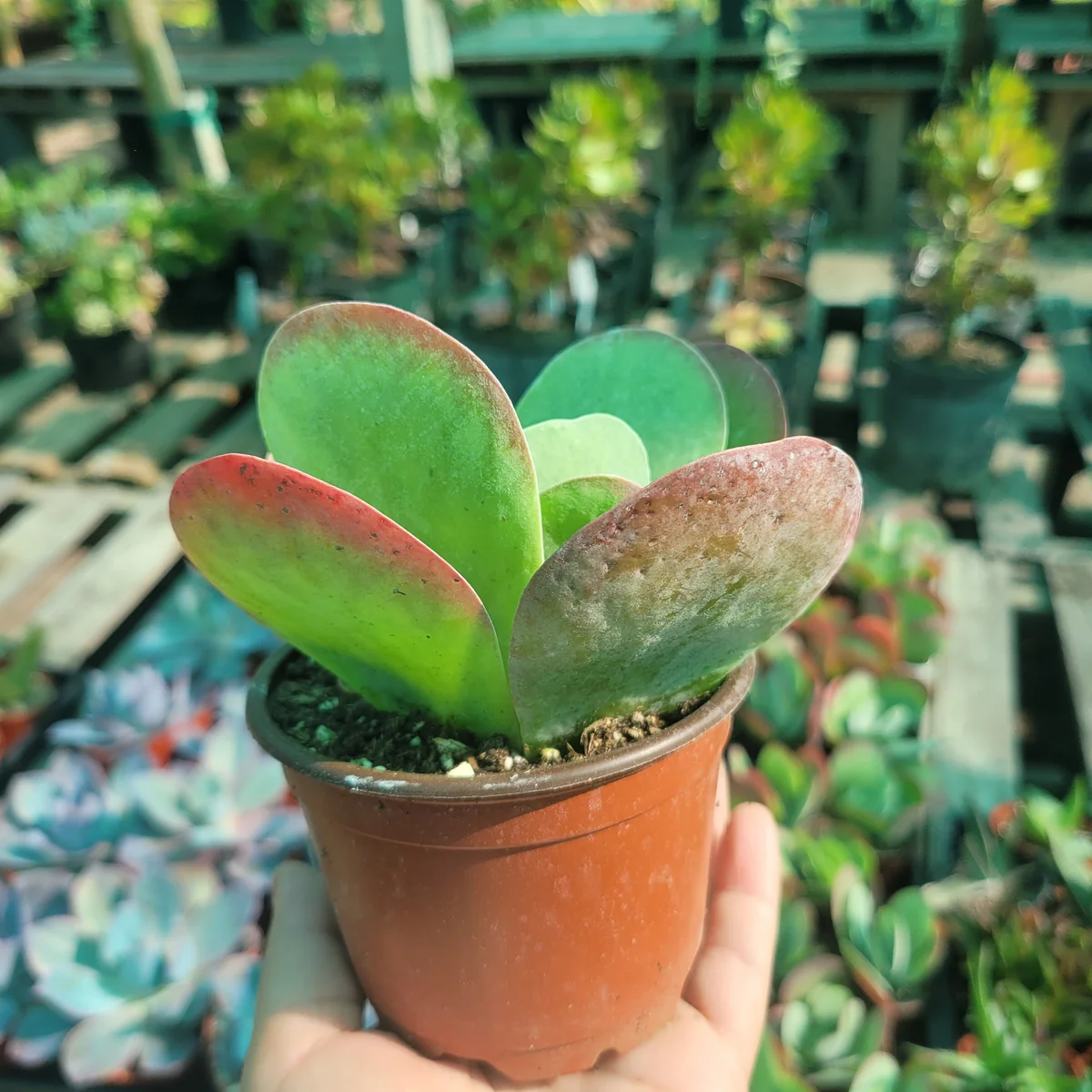
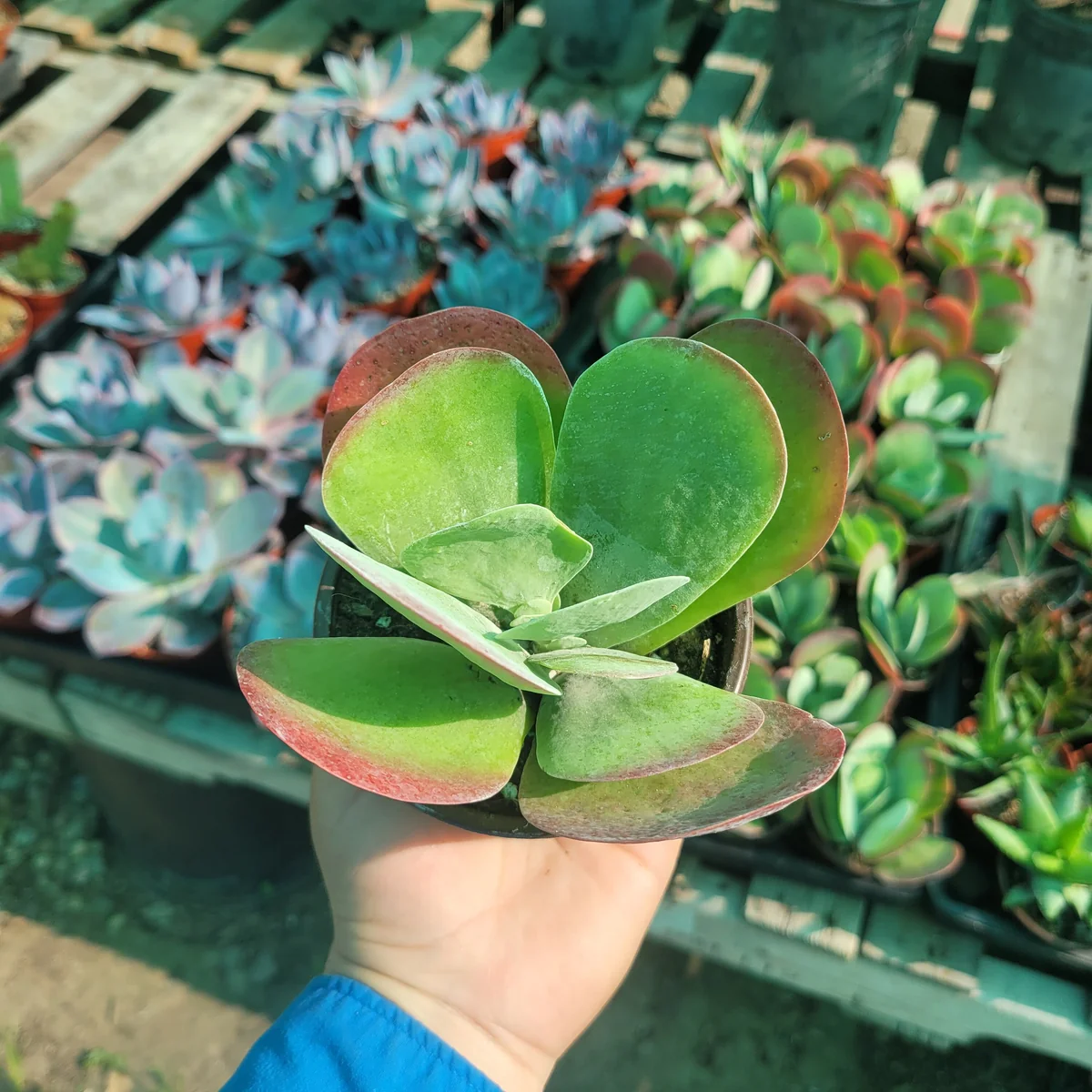
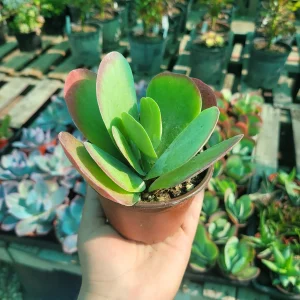
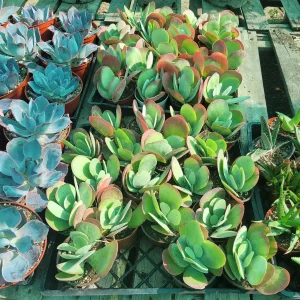
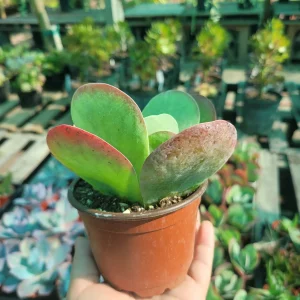
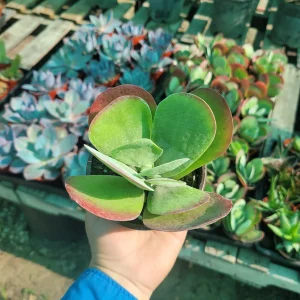
The kalanchoe luciae live plant is a truly captivating succulent, celebrated for its distinctive appearance and relatively easy care. Also commonly known as the Flapjack Succulent or Paddle Plant, this unique specimen originates from South Africa and is a favorite among plant enthusiasts for its sculptural form and vibrant coloration. Its broad, flat, paddle-shaped leaves grow in an attractive rosette formation, often developing striking reddish margins when given sufficient sunlight, creating a beautiful contrast with their green base. This live plant is a fantastic choice for adding a touch of exotic beauty to your home or garden, thriving in conditions that many other plants find challenging. Whether you’re a seasoned succulent collector or a beginner, the Kalanchoe Luciae offers rewarding growth and a stunning visual impact.
The botanical name, Kalanchoe luciae, distinguishes it from similar species, highlighting its unique characteristics. This particular offering is a healthy kalanchoe luciae live plant, ready to be a vibrant addition to your collection. Its robust nature makes it suitable for various environments, from sunny windowsills to rock gardens. The Paddle Plant’s ability to adapt to different light conditions, while showing its best color in bright sun, makes it a versatile choice for diverse decorative schemes.
Key Benefits
The kalanchoe luciae live plant offers a multitude of benefits that make it an exceptional choice for any plant lover. Its striking appearance and low-maintenance nature contribute to its widespread appeal, making it a valuable addition to both indoor and outdoor settings.
- Stunning Visual Appeal: The broad, paddle-shaped leaves of the flapjack succulent unfurl in an attractive rosette. When exposed to bright light, the edges of these leaves develop a beautiful reddish hue, adding a dramatic splash of color to your space. This vibrant display makes it a fantastic focal point.
- Low Maintenance & Drought Tolerant: As a succulent, the Paddle Plant is incredibly resilient and forgiving. It requires minimal watering and thrives on neglect, making it perfect for busy individuals or those new to plant care. Its drought tolerance means it can withstand periods without water, reducing the risk of overwatering, a common plant killer.
- Versatile Decor Element: Whether you’re looking for a statement piece for your living room, a unique addition to an office desk, or a hardy plant for a rock garden, the Kalanchoe Luciae fits perfectly. It can be a beautiful paddle plant indoor specimen or a resilient outdoor feature.
- Air Purifying Qualities: Like many plants, the Kalanchoe Luciae contributes to a healthier indoor environment by absorbing airborne toxins and releasing oxygen, improving air quality in your home or office.
- Unique Texture and Form: The thick, fleshy leaves provide a distinct texture and architectural form that stands out among other plants. Its unique structure adds depth and interest to plant arrangements and garden beds.
- Easy Propagation: For those who love to expand their plant collection, the kalanchoe luciae live plant is relatively easy to propagate from offsets or leaf cuttings, allowing you to share its beauty with friends and family.
- Hardy and Resilient: This plant is known for its tough nature. It can tolerate a range of conditions, making it a reliable choice for gardeners in various climates, especially those looking for a plant that can handle some neglect.
Plant Care & Growing Tips
Caring for your kalanchoe luciae live plant is straightforward, making it an excellent choice for both novice and experienced gardeners. Understanding its basic needs will ensure your flapjack succulent thrives and displays its most vibrant colors. The key to success lies in providing adequate light, appropriate watering, and well-draining soil.
For optimal growth and coloration, the Kalanchoe Luciae prefers abundant sunlight. If grown as a paddle plant indoor, place it in a south-facing window where it can receive at least 6 hours of bright, direct sunlight daily. Insufficient light will result in greener leaves and a leggy appearance, while ample sun encourages the stunning red margins. If grown outdoors, full sun to partial shade is ideal. In very hot climates, some afternoon shade can prevent scorching. The ideal temperature range for this succulent is between 60-80°F (15-27°C). It is not frost-tolerant, so if you live in an area with cold winters, bring outdoor plants inside when temperatures drop below 40°F (4°C).
Watering is perhaps the most critical aspect of flapjack succulent care. As a succulent, it stores water in its leaves and is highly susceptible to root rot if overwatered. Allow the soil to dry out completely between waterings. When you do water, do so thoroughly until water drains from the bottom of the pot. During the dormant winter months, reduce watering frequency significantly. The best soil for the Kalanchoe Luciae is a well-draining succulent or cactus mix. You can also create your own by mixing potting soil with perlite or coarse sand to improve drainage. Fertilize sparingly; a balanced, diluted liquid fertilizer can be applied once or twice during the growing season (spring and summer). Watch out for common pests like mealybugs and aphids, which can be treated with insecticidal soap. Proper air circulation also helps prevent fungal issues.
Size & Details
This offering is for a healthy kalanchoe luciae live plant provided in a 4-inch nursery pot. At this stage, the plant typically stands about 4-6 inches tall and can spread up to 6-8 inches in diameter, depending on its growth habit and individual variation. The leaves are thick, fleshy, and paddle-shaped, forming an attractive rosette. With proper care, these plants can grow much larger, reaching up to 1-2 feet tall and wide when mature, especially if planted directly in the ground in suitable climates. The red-edged succulent coloration intensifies with more sunlight exposure, transforming the leaf margins from green to a vibrant red. This plant has a moderate growth rate, gradually expanding its rosette and occasionally producing offsets at its base, which can be used for propagation. It is shipped as a rooted plant in its nursery pot, ensuring it arrives healthy and ready for its new home. Expect a robust specimen that is well-established and poised for continued growth.
Frequently Asked Questions
- Q: How big does this Kalanchoe Luciae live plant get? A: This kalanchoe luciae live plant is currently in a 4-inch pot and typically measures 4-6 inches tall. Mature plants can reach 1-2 feet in height and width when given optimal growing conditions, especially if planted outdoors in a suitable climate.
- Q: Is this an indoor or outdoor plant? A: The flapjack succulent is versatile and can thrive both indoors and outdoors. As a paddle plant indoor, it requires bright, direct sunlight. Outdoors, it prefers full sun to partial shade, making it an excellent choice for sunny garden spots or containers.
- Q: How much sunlight does the Kalanchoe Luciae need? A: For the best growth and to encourage its characteristic red leaf margins, the Kalanchoe Luciae needs at least 6 hours of bright, direct sunlight daily. If kept indoors, a south-facing window is ideal.
- Q: Is this plant easy to care for? A: Yes, the flapjack succulent care is considered easy, making it suitable for beginners. It is drought-tolerant and requires minimal watering, primarily needing plenty of sunlight and well-draining soil.
- Q: What condition will the plant arrive in? A: Your kalanchoe luciae live plant will arrive as a healthy, rooted plant in its original 4-inch nursery pot. It will be carefully packaged to minimize stress during transit, though some soil shifting is normal.
- Q: Is the Kalanchoe Luciae pet-safe? A: No, Kalanchoe species, including Kalanchoe Luciae, are considered toxic to pets if ingested. It’s best to keep this red-edged succulent out of reach of curious cats and dogs.
- Q: When is the best time to plant or repot this succulent? A: The best time to plant or repot your paddle plant indoor or outdoor is during its active growing season, typically spring or early summer. This allows the plant to establish itself quickly in its new environment.
- Q: What type of soil is best for Kalanchoe Luciae? A: A well-draining succulent or cactus potting mix is ideal for the flapjack succulent. You can also amend regular potting soil with perlite or coarse sand to improve drainage and prevent root rot.
- Q: How often should I water my Kalanchoe Luciae? A: Water your kalanchoe luciae live plant only when the soil has completely dried out. This plant is very drought-tolerant, and overwatering is a common cause of problems. Reduce watering significantly in winter.
- Q: What are the USDA hardiness zones for outdoor planting? A: The kalanchoe luciae outdoor plant is best suited for USDA hardiness zones 9-11, where it can be grown outdoors year-round. In colder zones, it should be brought indoors during winter.


Reviews
There are no reviews yet.