Overview
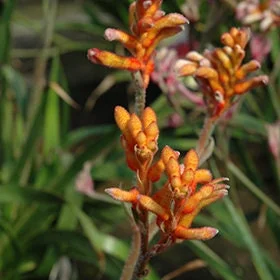
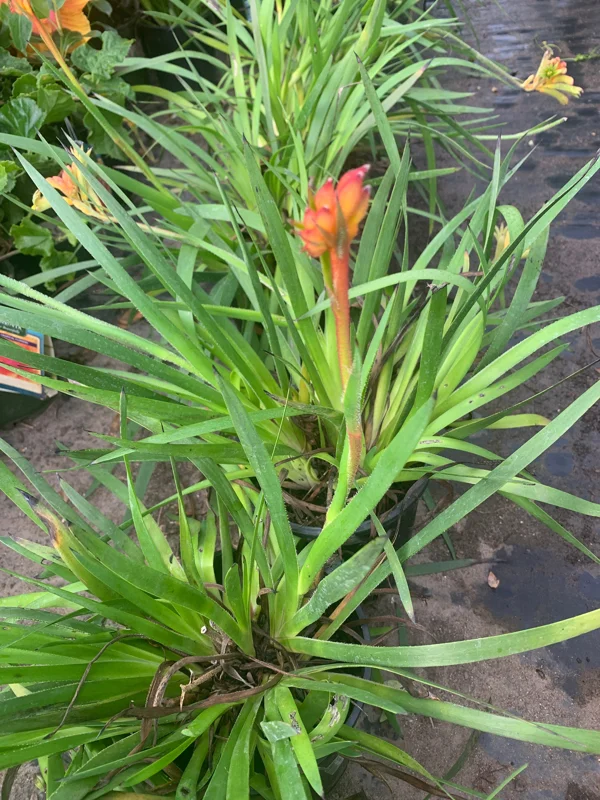
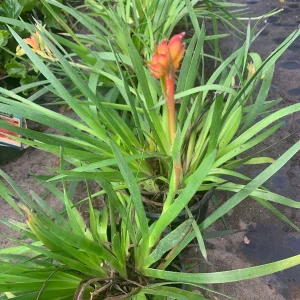
Bring a burst of Australian sunshine to your landscape with the stunning kanga orange kangaroo paw. This exceptional live plant, scientifically known as Anigozanthos flavidus ‘Kanga Orange’, is celebrated for its truly unique flower structure that resembles a kangaroo’s paw, hence its charming common name. Arriving as a healthy, established kangaroo paw live plant in a 6-inch pot, it’s ready to make an immediate impact in your garden or patio. Known for its vibrant orange color, this perennial is a favorite among gardeners seeking drought-tolerant and visually captivating specimens. Its distinctive blooms not only add architectural interest but also attract hummingbirds and other pollinators, making it an ecological asset to any outdoor space.
The ‘Kanga Orange’ variety is a compact and free-flowering selection, perfect for mass plantings, borders, or container gardening. Its long-lasting blooms provide continuous color from spring through fall, ensuring your garden remains lively and engaging for months. This plant thrives in sunny, well-drained conditions, making it an excellent choice for xeriscaping or gardens in warmer climates. Beyond its beauty, the anigozanthos kanga orange is a relatively low-maintenance plant, offering high reward for minimal effort, truly embodying the spirit of an effortless yet exotic garden.
Key Benefits
The kanga orange kangaroo paw offers a multitude of benefits, making it an outstanding addition to various garden styles and preferences. Its unique characteristics contribute to both aesthetic appeal and environmental advantages, ensuring a rewarding gardening experience.
- Vibrant, Unique Blooms: The most striking feature of this plant is its vibrant orange, velvety, paw-shaped flowers. These unusual blooms provide exceptional visual interest and a conversation starter in any garden setting. The vivid color stands out, creating focal points and adding dynamic energy to your landscape.
- Drought-Tolerant & Low Maintenance: Once established, this kangaroo paw live plant is highly tolerant of dry conditions, requiring less water than many other flowering perennials. This makes it an ideal choice for water-wise gardens, xeriscaping, or for gardeners seeking a beautiful plant that doesn’t demand constant attention.
- Attracts Pollinators: The nectar-rich flowers are a magnet for hummingbirds, bees, and other beneficial pollinators. By planting the anigozanthos kanga orange, you contribute to local biodiversity and support the ecosystem in your garden.
- Long Blooming Season: Enjoy a prolonged display of color from late spring through fall. The ‘Kanga Orange’ variety is known for its prolific and continuous flowering, ensuring your garden remains cheerful and bright for a significant portion of the year.
- Versatile Garden Use: Perfect for a variety of applications, this orange flowering plant excels in containers, as a border plant, in mass plantings, or integrated into rock gardens. Its upright growth habit and compact size (typically 1.5-2 feet tall) make it suitable for smaller spaces and urban gardening.
- Excellent Cut Flowers: The unique blooms make fantastic cut flowers, adding an exotic touch to indoor arrangements. Their sturdy stems and long vase life ensure you can enjoy their beauty both inside and outside your home.
- Resilient & Pest Resistant: Generally robust, the drought-tolerant perennial exhibits good resistance to common pests and diseases, further reducing the need for intensive care and chemical treatments.
Plant Care & Growing Tips
Caring for your kanga orange kangaroo paw is relatively straightforward, especially when provided with the right conditions. This plant thrives on neglect rather than over-pampering, making it a good choice for busy gardeners. The most critical factor for success is ensuring excellent drainage, as kangaroo paws are highly susceptible to root rot in waterlogged soil. Plant in a location that receives full sun, meaning at least 6-8 hours of direct sunlight per day. In very hot climates, some afternoon shade can be beneficial to prevent scorching, but generally, more sun equals more blooms for this vibrant orange flowering plant.
When it comes to watering, allow the soil to dry out completely between waterings, especially after the plant has established itself. During its first year, water regularly to help develop a strong root system. Once mature, it is quite drought-tolerant, requiring infrequent deep watering during prolonged dry spells. Use a well-draining soil mix, ideally one formulated for succulents or native plants, or amend heavy clay soils with plenty of organic matter and grit to improve drainage. Fertilize lightly in spring with a slow-release, low-phosphorus fertilizer to encourage blooming. Avoid high-phosphorus fertilizers, which can be detrimental to Australian native plants like the anigozanthos kanga orange.
Pruning is essential for maintaining the health and vigor of your kangaroo paw live plant. After the main flush of flowers fades, cut back the spent flower stalks to the base of the plant to encourage new growth and more blooms. You can also remove any yellowing or damaged leaves as needed. In colder regions, where temperatures drop below its hardiness zone, consider growing it in a container that can be moved indoors or protected during winter. With proper care, your drought-tolerant perennial will provide years of spectacular color and unique texture to your garden.
Size & Details
This offering is for one healthy kanga orange kangaroo paw live plant, shipped in a 6-inch nursery pot. The plant is well-rooted and established, ready for transplanting into your garden or a larger decorative container. At maturity, this ‘Kanga Orange’ variety typically reaches an overall height of approximately 1.5 to 2 feet (45-60 cm) with a similar spread. Its compact size makes it an excellent choice for various landscape applications, including small gardens, patio containers, or as a vibrant accent plant.
The growth rate of this kangaroo paw live plant is moderate, quickly filling out to its mature size within a season or two under optimal conditions. Expect continuous flowering from late spring through fall, providing an extended period of vibrant orange color in your outdoor space. It is shipped in its nursery pot with soil, ensuring minimal transplant shock and a smooth transition to its new home. This orange flowering plant is a perennial, meaning it will return year after year in suitable climates, offering lasting beauty with its distinctive blooms.
Frequently Asked Questions
- Q: How big does this plant get? A: The kanga orange kangaroo paw typically grows to about 1.5 to 2 feet tall and wide at maturity, making it a compact yet impactful addition to your garden.
- Q: What size pot does it come in? A: This kangaroo paw live plant is shipped in a 6-inch nursery pot, providing a healthy root system for easy transplanting.
- Q: Is this an indoor or outdoor plant? A: The anigozanthos kanga orange is primarily an outdoor plant, thriving in full sun. In colder climates (below USDA Zone 9), it can be grown in containers and brought indoors during winter.
- Q: How much sunlight does it need? A: This orange flowering plant requires full sun, meaning at least 6-8 hours of direct sunlight daily, to produce the best blooms and maintain a healthy growth habit.
- Q: Is this plant easy to care for? A: Yes, once established, the kanga orange kangaroo paw is considered low-maintenance and drought-tolerant, making it relatively easy to care for, especially in well-drained soil and full sun.
- Q: What condition will it arrive in? A: Your plant will arrive healthy and well-packed in its 6-inch nursery pot, ready for planting. We take great care to ensure safe transit.
- Q: When is the best time to plant? A: The best time to plant your kangaroo paw live plant is in spring or early summer after the last frost, allowing it ample time to establish before colder weather.
- Q: Will it survive winter in my zone? A: The drought-tolerant perennial is generally hardy in USDA Zones 9-11. In colder zones, it should be treated as an annual or overwintered indoors.
- Q: What kind of soil does it prefer? A: This plant prefers well-draining soil, ideally sandy or loamy. Avoid heavy clay soils that retain too much moisture, which can lead to root rot.
- Q: Does this plant attract wildlife? A: Yes, the vibrant flowers of the anigozanthos kanga orange are particularly attractive to hummingbirds and other nectar-feeding birds, as well as bees.


Reviews
There are no reviews yet.