Overview
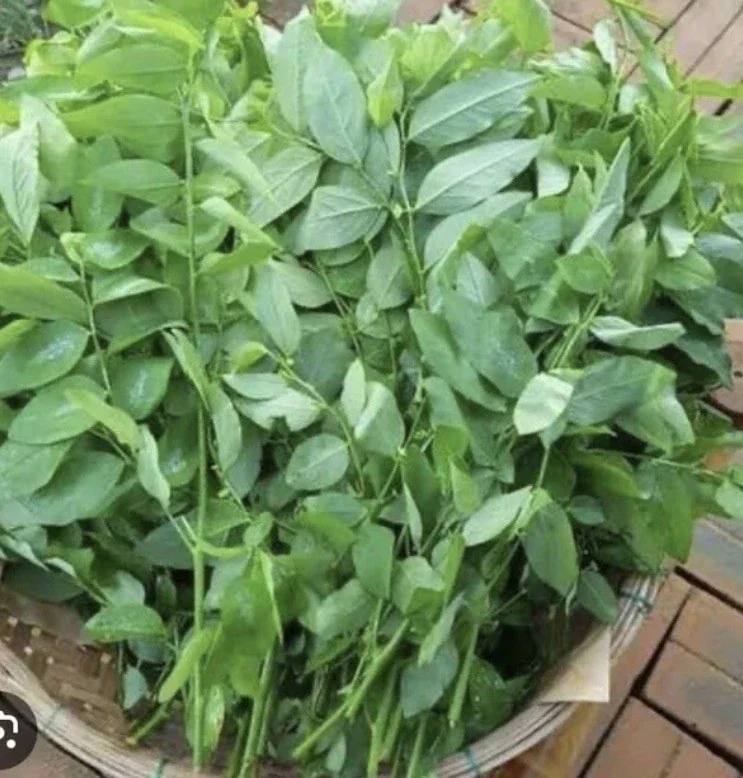
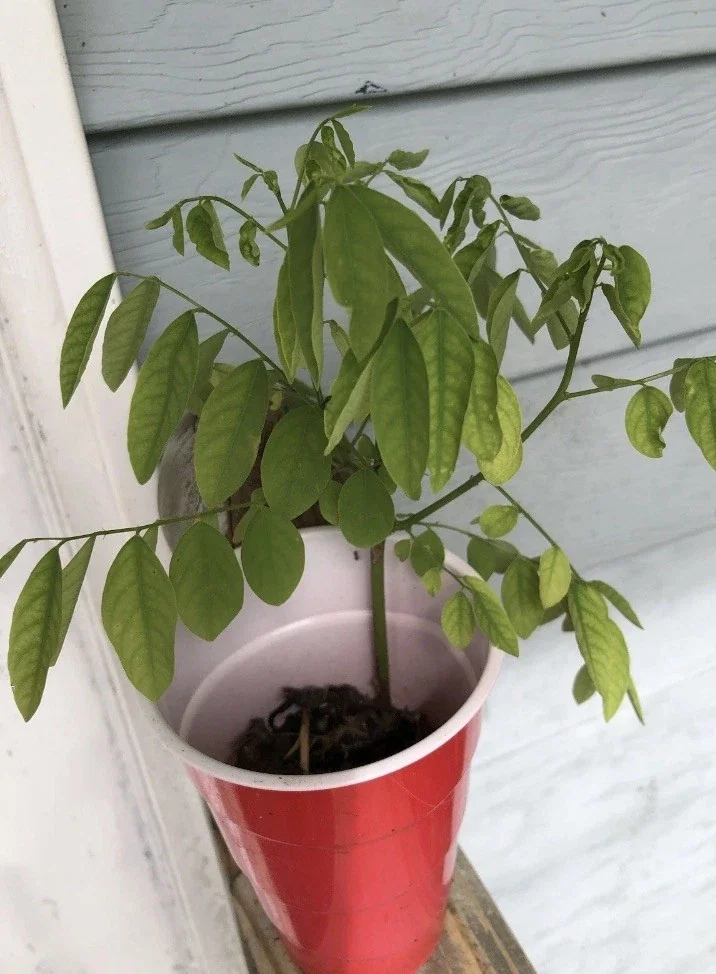
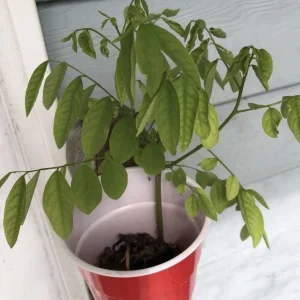
Introduce a unique and highly nutritious edible plant to your garden with the katuk plant live. Also known as Asparagus Sweet Leaf, Sauropus Androgynus, or Rau Ngót, this versatile plant is cherished in many Asian cuisines for its tender leaves and mild, sweet flavor. Our offering is a healthy, established plant grown in a cup, ready to be transplanted into your preferred container or garden bed. The Katuk plant is a fast-growing perennial shrub that provides a continuous harvest of vitamin-rich leaves, making it an excellent choice for health-conscious gardeners and culinary enthusiasts. Experience the joy of growing your own fresh greens with this easy-to-care-for specimen.
The asparagus sweet leaf plant is renowned for its high protein, vitamin K, and provitamin A carotenoid content, contributing significantly to a healthy diet. Whether you’re looking to expand your edible landscape or simply enjoy fresh, organic produce, the Katuk plant is a superb addition. It thrives in warm climates and can be grown indoors in cooler regions, ensuring a consistent supply of its delicious foliage. Discover the numerous culinary applications and health advantages this remarkable plant offers, making it a staple in any home garden.
Key Benefits
The katuk plant live offers a multitude of benefits, both for your health and your garden. Its ease of growth and continuous yield make it a rewarding plant for any gardener.
- Nutrient-Rich Edible Leaves: Katuk leaves are packed with vitamins (especially A and C), minerals, and protein, making them a superfood for your diet. They are a healthy addition to stir-fries, soups, and salads.
- Continuous Harvest: As a perennial, the Katuk plant provides a steady supply of fresh leaves throughout the growing season, often year-round in tropical climates. Regular harvesting encourages bushier growth.
- Easy to Grow: This plant is remarkably resilient and low-maintenance, suitable for both experienced gardeners and beginners. It adapts well to various conditions once established.
- Versatile Culinary Uses: The mild, sweet flavor of Katuk leaves makes them incredibly versatile. They can be used as a spinach substitute, added to omelets, or blended into smoothies. Learn more about rau ngót uses in traditional dishes.
- Ornamental Value: With its lush green foliage, the Katuk plant also adds an attractive, tropical touch to your garden or patio.
- Health Benefits: Beyond basic nutrition, the leaves are traditionally believed to have medicinal properties, including supporting lactation and overall well-being. Explore the various sauropus androgynus benefits for health.
- Space-Efficient: Ideal for container gardening, making it perfect for small spaces, balconies, or patios, allowing you to cultivate an edible garden plant anywhere.
Plant Care & Growing Tips
Caring for your katuk plant live is straightforward, ensuring a bountiful harvest of delicious leaves. This tropical perennial thrives in warm, humid conditions but can adapt to various environments with proper care. For optimal growth, provide your Katuk plant with a location that receives at least 6 hours of sunlight daily. While it tolerates some shade, especially in hotter climates, more sun generally leads to a more robust plant and higher yield. If growing indoors, place it near a bright window with indirect light or supplement with a grow light.
Watering is crucial, especially during dry spells. Keep the soil consistently moist but never waterlogged. Allow the top inch of soil to dry out slightly between waterings. Good drainage is essential to prevent root rot, so ensure your pot has drainage holes or your garden bed is well-prepared. The Katuk plant prefers well-draining, rich, organic soil. Amend heavy clay soils with compost or sand to improve drainage and fertility. Fertilize every 2-4 weeks during the growing season with a balanced liquid fertilizer or incorporate slow-release granular fertilizer into the soil. In cooler regions, protect your asparagus sweet leaf plant from frost by bringing it indoors or covering it.
The plant generally prefers temperatures between 65-90°F (18-32°C) and is not frost-tolerant. It thrives in USDA zones 9-11 outdoors year-round, and can be grown as an annual or overwintered indoors in colder zones. Pruning regularly by harvesting the tips and younger leaves will encourage bushier growth and prevent the plant from becoming leggy, ensuring a continuous supply of tender leaves for your edible garden plant needs. Watch out for common pests like aphids, which can be managed with organic insecticidal soap.
Size & Details
This katuk plant live is delivered as a healthy, established plant grown in a cup, typically ranging from 4 to 8 inches in height upon arrival. It is ready for immediate transplanting into a larger pot or directly into your garden. The plant is shipped in its nursery cup with soil to minimize transplant shock and ensure a smooth transition to its new home. With proper care, this fast-growing plant can reach heights of 3 to 6 feet in a single growing season, developing into a lush, leafy shrub.
The leaves are typically small, oval, and bright green, offering a tender texture and mild flavor. Expect your asparagus sweet leaf plant to start producing harvestable leaves within a few weeks of planting, providing a consistent supply for your culinary needs. Its rapid growth rate and continuous yield make it a highly productive addition to any kitchen garden.
Frequently Asked Questions
- Q: How big does this Katuk plant get? A: While shipped as a small plant in a cup, with proper care, the katuk plant live can grow into a shrub 3 to 6 feet tall and equally wide in a single growing season. Regular harvesting helps maintain its size and promotes bushier growth.
- Q: Is this an indoor or outdoor plant? A: The asparagus sweet leaf plant thrives outdoors in USDA Zones 9-11. In colder climates, it can be grown outdoors as an annual during warm months or successfully cultivated indoors year-round as a potted houseplant.
- Q: How much sunlight does it need? A: Katuk plants prefer full sun (at least 6 hours of direct sunlight) for best growth and leaf production. In very hot climates, some afternoon shade can be beneficial to prevent leaf scorch.
- Q: Is this plant easy to care for? A: Yes, the katuk plant live is considered easy to care for, making it suitable for gardeners of all experience levels. It requires consistent watering, good drainage, and a warm environment.
- Q: How quickly will I be able to harvest leaves? A: You can typically begin harvesting the tender young leaves from your asparagus sweet leaf plant within a few weeks after transplanting, provided the plant is healthy and actively growing.
- Q: What condition will the plant arrive in? A: Your Katuk plant will arrive as a healthy, live plant rooted in a nursery cup, carefully packaged to ensure its safety and vitality during transit. It will be ready for immediate planting.
- Q: What are the primary sauropus androgynus benefits? A: Beyond its culinary appeal, Sauropus Androgynus is highly nutritious, rich in protein, vitamins A and C, and minerals. It’s often used in traditional medicine for its health-promoting properties, including supporting lactation.
- Q: Can I grow this plant in a container? A: Absolutely! The katuk plant live is an excellent candidate for container gardening. Choose a pot at least 10-12 inches in diameter to allow for adequate root development and growth.
- Q: What are some common rau ngót uses in cooking? A: Rau Ngót leaves have a mild, sweet flavor. They are popularly used in soups, stir-fries, omelets, and as a steamed vegetable in Southeast Asian cuisine. They can also be added to green smoothies.
- Q: What kind of soil does it prefer? A: The asparagus sweet leaf plant prefers rich, well-draining soil with a slightly acidic to neutral pH. A good quality potting mix amended with compost works well for container growing.


Reviews
There are no reviews yet.