

Overview
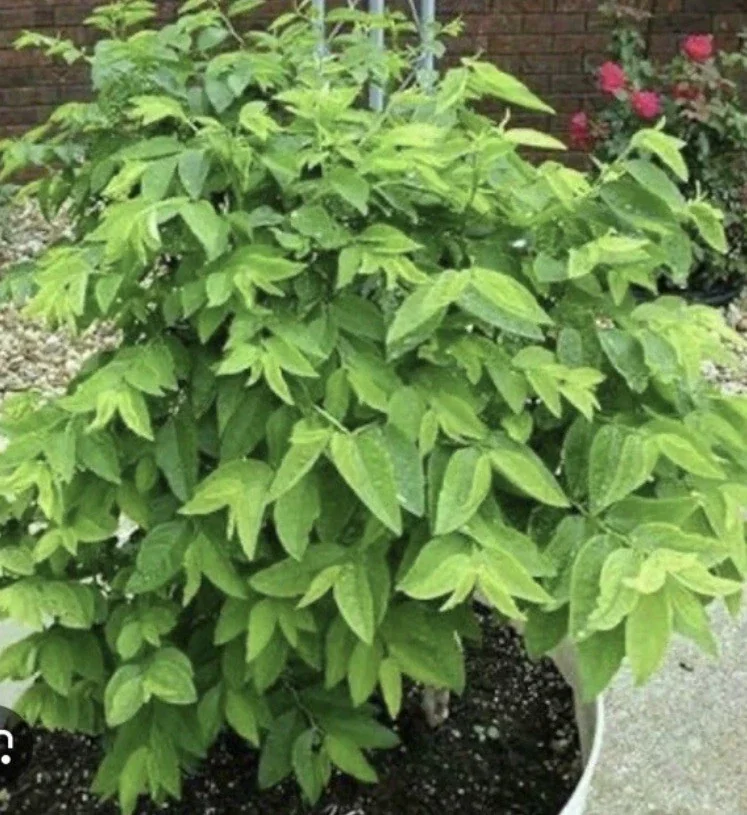
Bring the vibrant goodness of the katuk plant live into your home garden! This remarkable plant, scientifically known as Sauropus androgynus, is widely recognized as Sweet Leaf or Rau Ngót. Originating from Southeast Asia, the sauropus androgynus plant is celebrated for its highly nutritious leaves and ease of cultivation. It’s a fantastic addition to any edible garden, whether you’re a seasoned gardener or just starting out. The katuk plant is a fast-growing, perennial shrub that produces an abundance of tender, dark green leaves. These leaves are a staple in many Asian cuisines, offering a unique flavor profile that makes them a versatile ingredient in various dishes. Our healthy, potted katuk plant is ready to thrive in your care, providing a continuous supply of fresh, homegrown greens.
The katuk plant live is not just a culinary delight; it’s also packed with vitamins and minerals, making it a superfood for your daily diet. Its robust nature and relatively low maintenance requirements make it an excellent choice for both container gardening and direct planting in suitable climates. Experience the joy of harvesting your own sweet leaf spinach, knowing exactly where your food comes from. This plant is a true asset for anyone looking to enhance their diet with fresh, healthful produce and explore new culinary horizons with this unique edible garden plant.
Key Benefits
The katuk plant live offers a multitude of benefits, making it a valuable addition to your garden and kitchen. Its nutritional density and ease of growth are just a few reasons why this plant is gaining popularity among home gardeners and health enthusiasts alike. Discover the advantages of growing your own:
- Rich Nutritional Content: Katuk leaves are exceptionally rich in protein, vitamins A, B, and C, and minerals like calcium, phosphorus, and iron. Incorporating them into your diet can significantly boost your daily nutrient intake and support overall health.
- Continuous Harvest: As a perennial plant, the sauropus androgynus plant provides a steady supply of fresh leaves throughout the growing season. Simply pinch off the tender tips and new growth will emerge, ensuring a continuous harvest for your culinary needs.
- Versatile Culinary Use: The mild, slightly sweet, and nutty flavor of sweet leaf spinach makes it incredibly versatile in the kitchen. It can be used in stir-fries, soups, stews, salads, smoothies, and even omelets, adding a nutritious boost to almost any dish.
- Easy to Grow: This resilient plant is known for its hardiness and adaptability. It tolerates various growing conditions and requires minimal specialized care, making it an excellent choice for beginner gardeners and those with busy schedules.
- Compact Growth Habit: The katuk plant typically grows as a compact shrub, making it suitable for smaller gardens, raised beds, or container planting on patios and balconies. This allows for fresh greens even in limited spaces.
- Traditional Medicinal Uses: Beyond its culinary value, the rau ngót plant has a long history of traditional use in herbal medicine for its purported health benefits, including boosting lactation and aiding in recovery.
- Sustainable Food Source: Growing your own edible garden plant like katuk contributes to a more sustainable lifestyle, reducing your reliance on store-bought produce and minimizing your carbon footprint.
Plant Care & Growing Tips
Caring for your katuk plant live is straightforward, allowing even novice gardeners to enjoy a bountiful harvest. To ensure your plant thrives, pay attention to its basic needs for sunlight, water, and soil. Katuk prefers a location that receives partial shade to full sun, ideally with some protection from intense afternoon sun in hotter climates. Aim for at least 4-6 hours of direct sunlight per day, but be mindful that too much harsh sun can scorch the leaves, especially when the plant is young. In cooler regions or during winter, providing more sun can be beneficial. This plant is relatively adaptable, making the sauropus androgynus plant a forgiving choice for various garden settings.
Watering should be consistent, keeping the soil moist but not waterlogged. Allow the top inch of soil to dry out slightly between waterings. Overwatering can lead to root rot, so good drainage is crucial. During hot, dry periods, you may need to water more frequently. The ideal soil for sweet leaf spinach is well-draining, fertile, and rich in organic matter. A slightly acidic to neutral pH (6.0-7.0) is preferred. If planting in a pot, use a high-quality potting mix with perlite or sand added to improve drainage. For ground planting, amend heavy clay soils with compost and other organic materials to enhance structure and fertility. Fertilize your rau ngót plant every 2-4 weeks during the active growing season with a balanced, organic liquid fertilizer or a slow-release granular fertilizer to encourage lush leaf production. Pruning regularly by pinching off the tender tips will not only provide you with fresh greens but also encourage bushier growth and prevent the plant from becoming leggy. Watch out for common pests like aphids or spider mites, and treat with organic insecticidal soap if necessary. The edible garden plant is generally quite hardy, but consistent care will yield the best results.
The Katuk plant is known for its resilience and can tolerate a wide range of temperatures. While it prefers warm, humid conditions, it can survive mild frosts if protected. In colder climates, it’s best to grow it in containers that can be brought indoors during winter or treat it as an annual. For outdoor planting, ensure the danger of frost has passed. With proper care, your katuk plant will provide you with delicious and nutritious leaves for many years. Remember that consistent harvesting actually promotes more growth, so don’t be shy about picking those tender leaves!
Size & Details
Our katuk plant live is typically shipped as a healthy, rooted plant in a nursery pot. The exact size and height of the plant may vary slightly depending on the growth stage and time of year, but it will generally be well-established and ready for transplanting into a larger pot or your garden. Katuk plants are fast growers and can reach heights of 3-6 feet if left unpruned, though regular harvesting and pruning will keep them more compact, usually around 2-3 feet tall and wide. This makes the sauropus androgynus plant an excellent choice for various garden sizes and container growing.
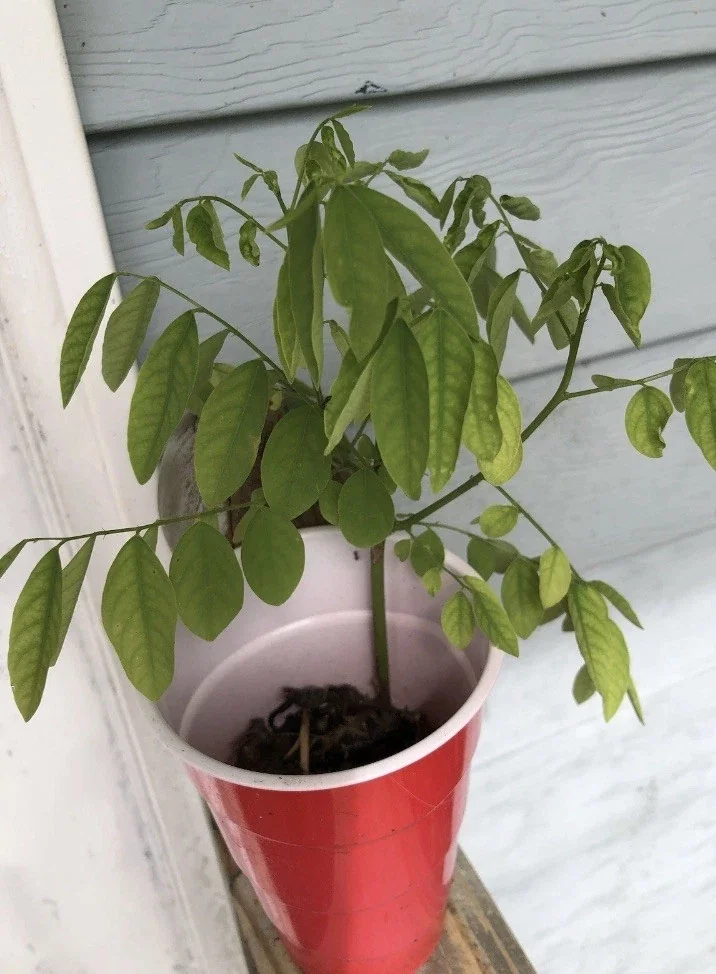
The plant will arrive carefully packaged to ensure its health and vitality during transit. Upon arrival, we recommend promptly unboxing and watering your sweet leaf spinach. While the plant may experience some minor stress from shipping, it will quickly rebound with proper care. Expect your rau ngót plant to establish itself quickly and begin producing harvestable leaves within a few weeks to a couple of months, depending on growing conditions. This edible garden plant is a long-term investment for your kitchen, offering years of fresh produce.
Frequently Asked Questions
- Q: How big does this plant get? A: If left unpruned, the katuk plant live can grow to 3-6 feet tall. However, with regular harvesting and pruning, it can be maintained at a more manageable size of 2-3 feet in both height and width, making it suitable for various garden spaces.
- Q: What size pot does it come in? A: The plant typically arrives in a standard nursery pot, usually around 2-4 inches in diameter, providing sufficient space for its initial growth while being compact for shipping.
- Q: Is this an indoor or outdoor plant? A: The sauropus androgynus plant can be grown both indoors and outdoors. In tropical and subtropical climates, it thrives outdoors year-round. In colder regions, it’s best grown in a container and brought indoors during winter or treated as an annual.
- Q: How much sunlight does it need? A: Katuk prefers partial shade to full sun. It performs best with at least 4-6 hours of direct sunlight daily, but in very hot climates, some afternoon shade can prevent leaf scorching.
- Q: Is this plant easy to care for? A: Yes, the sweet leaf spinach is considered a low-maintenance and relatively easy-to-care-for plant. It’s quite resilient and adaptable, making it suitable for beginner gardeners.
- Q: What condition will it arrive in? A: Your rau ngót plant will arrive as a healthy, rooted plant in a nursery pot, carefully packaged to minimize stress during transit. Some slight wilting may occur but it recovers quickly with water.
- Q: Can I use katuk leaves in cooking? A: Absolutely! Katuk leaves are widely used in Asian cuisine. Their mild, sweet, and nutty flavor is excellent in stir-fries, soups, salads, omelets, and smoothies, making it a versatile edible garden plant.
- Q: How long until it produces harvestable leaves? A: With good care and suitable growing conditions, you can typically start harvesting tender leaves from your katuk plant within a few weeks to a couple of months after planting.
- Q: When is the best time to plant? A: For outdoor planting, the best time is after the last frost has passed in spring. For indoor cultivation, it can be planted year-round, ensuring it receives adequate light and warmth.
- Q: What’s the minimum temperature it can tolerate? A: While the katuk plant prefers warm temperatures, mature plants can tolerate brief periods of temperatures slightly above freezing (around 35-40°F or 2-4°C) if protected, but prolonged cold will damage it.


Reviews
There are no reviews yet.