Overview
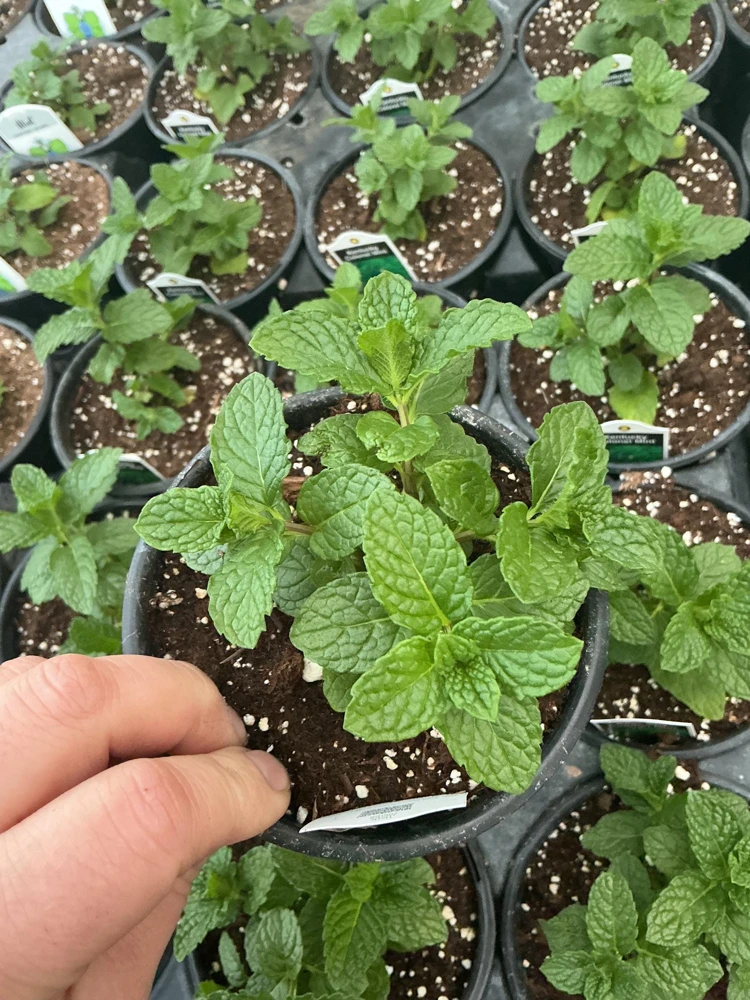
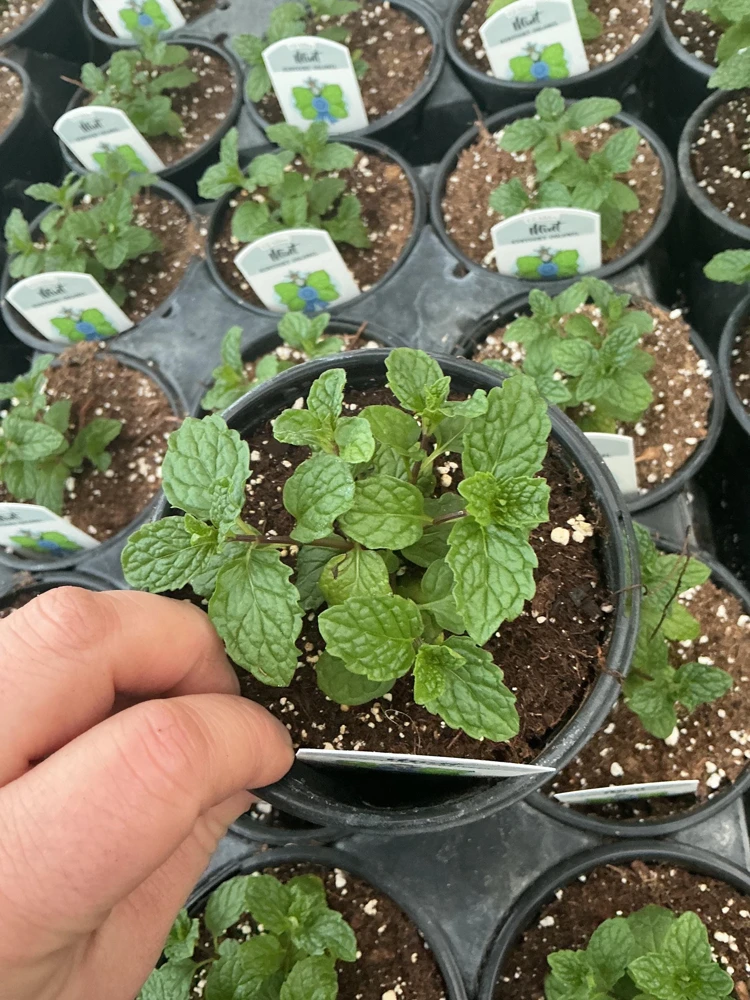
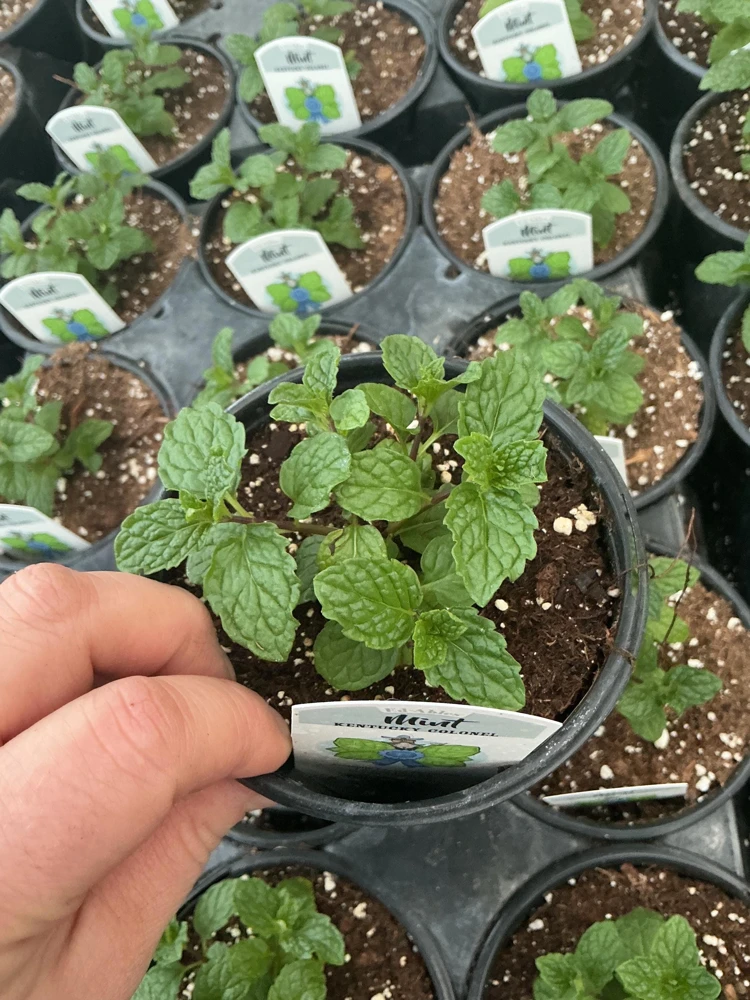
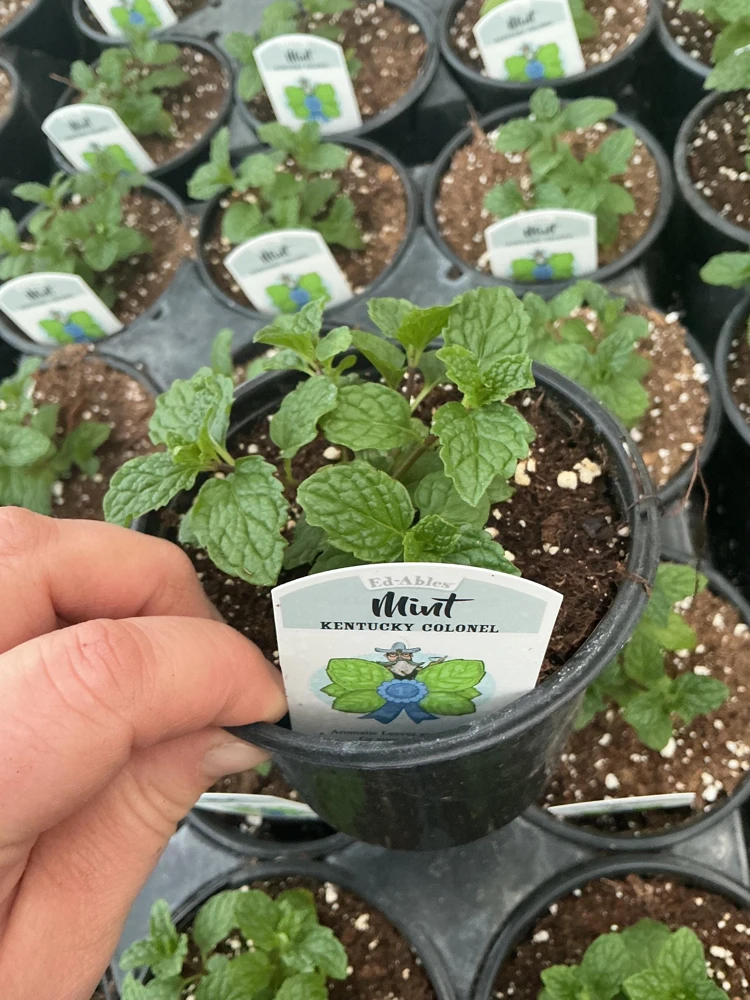
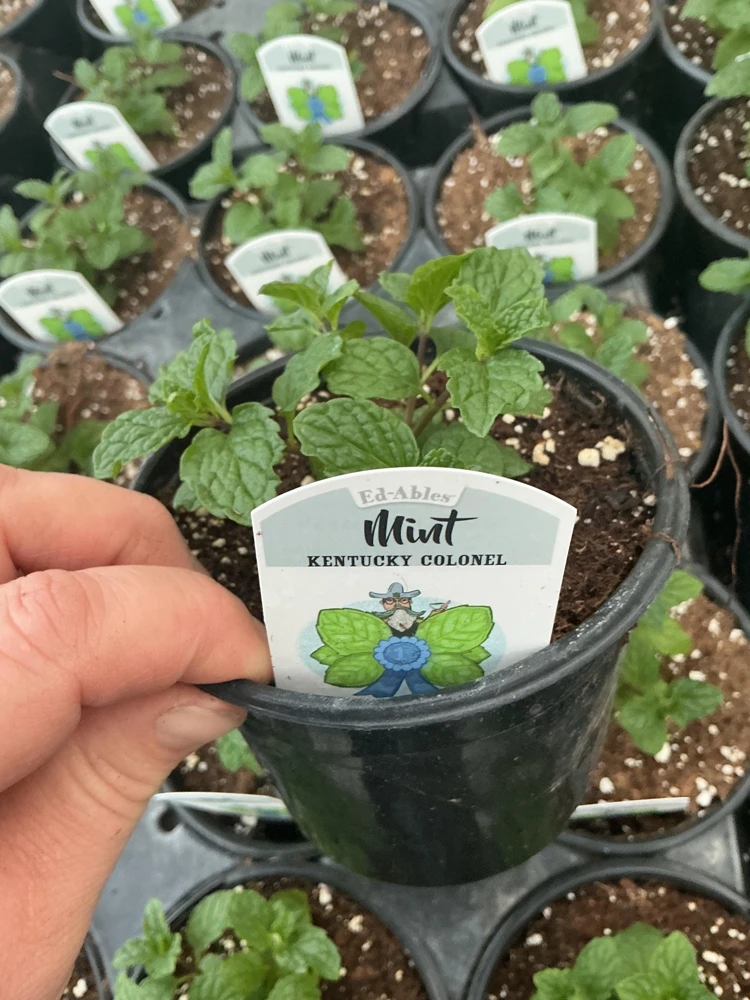
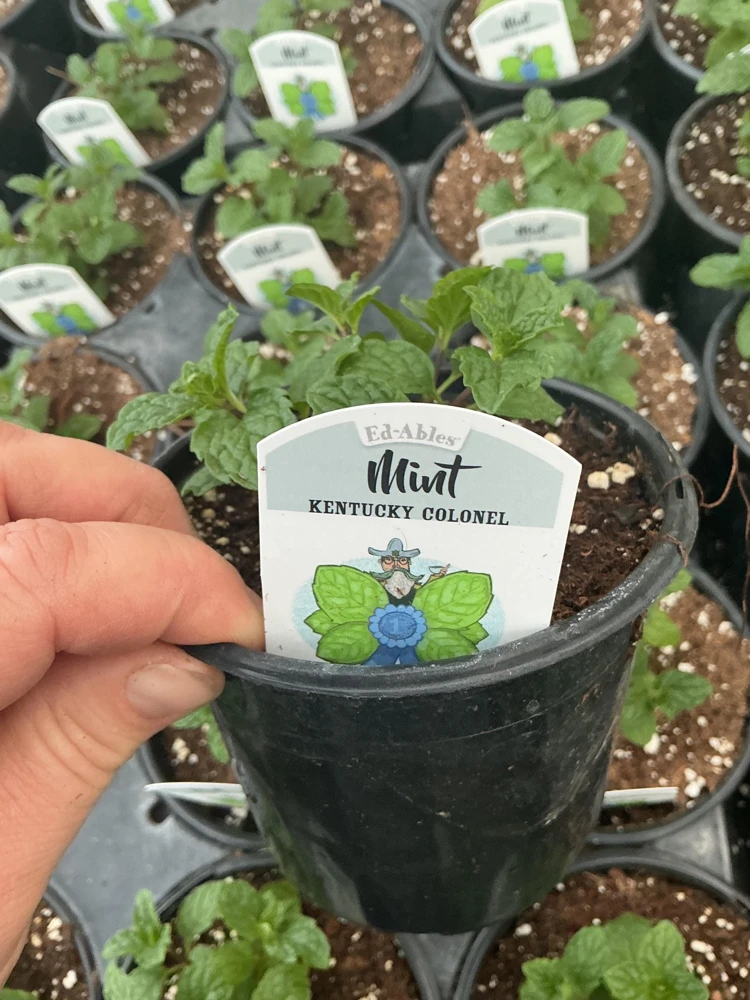
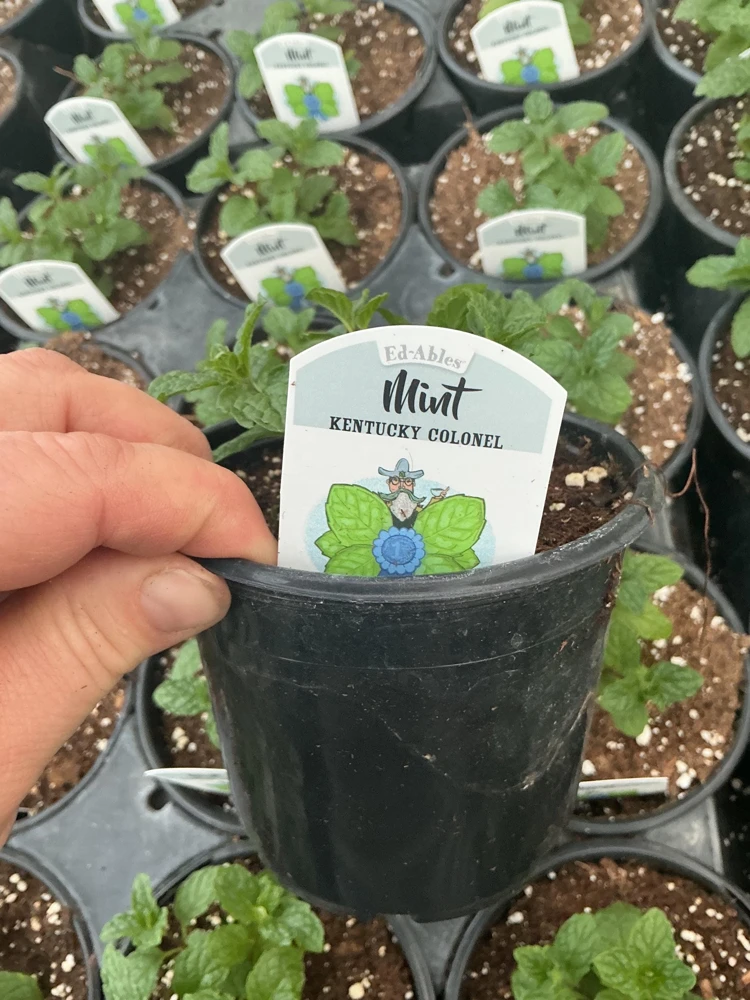
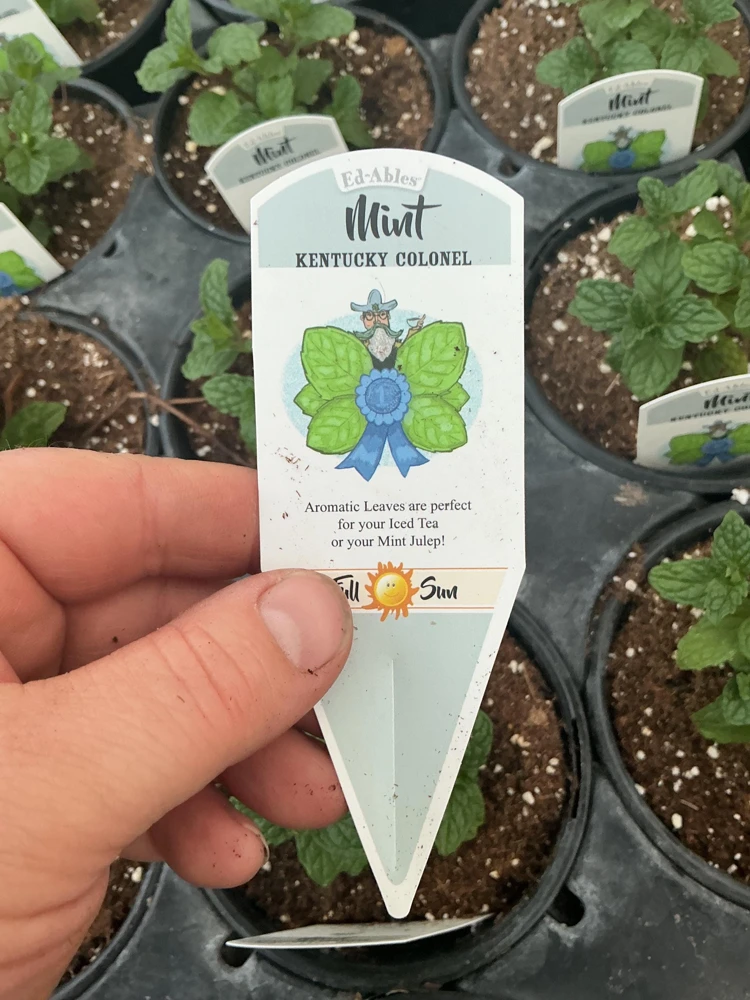
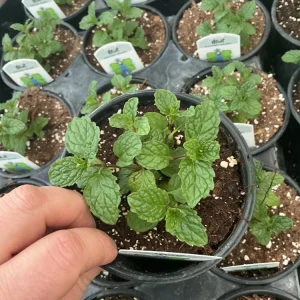
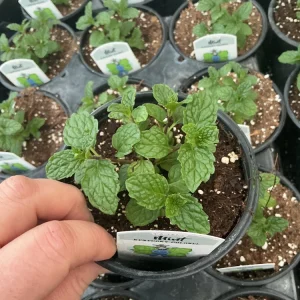
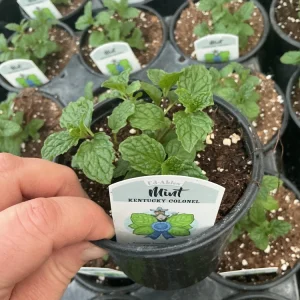
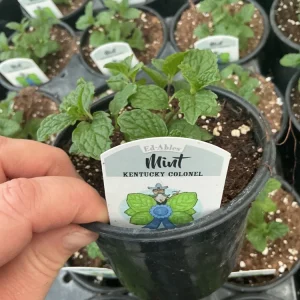
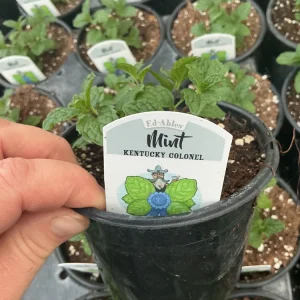
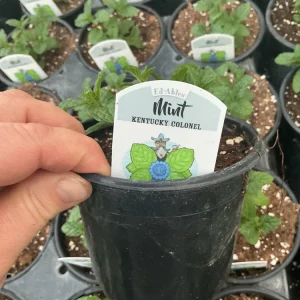
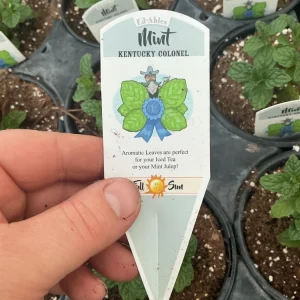
Discover the delight of growing your own Kentucky Colonel Mint live plant. This classic mint variety, scientifically known as Mentha spicata ‘Kentucky Colonel’, is celebrated for its robust flavor, strong aroma, and attractive crinkled leaves. It’s a favorite among gardeners and chefs alike, offering a refreshing zest that elevates beverages, desserts, and savory dishes. Your well-established Kentucky Colonel Mint live plant arrives ready to be transplanted into your garden bed, patio container, or even a kitchen herb garden, providing you with a continuous supply of fresh, aromatic leaves. Known for its vigorous growth and adaptability, this mint variety is an excellent choice for both novice and experienced gardeners looking to add a versatile and beautiful herb to their collection.
The distinctive flavor profile of Kentucky Colonel Mint live plant makes it particularly sought after for traditional mint juleps, iced teas, and as a garnish. Its resilience and ease of care ensure a rewarding growing experience, allowing you to enjoy fresh mint throughout the growing season. This particular cultivar is noted for its slightly sweeter and less aggressive menthol taste compared to some other mints, making it exceptionally palatable for a wide range of culinary applications. Enjoy the beauty and utility of this exceptional herb.
Key Benefits
Adding a Kentucky Colonel Mint live plant to your collection offers numerous advantages, from culinary versatility to garden aesthetics. This robust herb is a must-have for anyone who appreciates fresh flavors and delightful fragrances.
- Exceptional Culinary Herb: The primary benefit of the Kentucky Colonel Mint live plant is its superior culinary quality. Its robust, sweet, and refreshing flavor is perfect for crafting classic mint juleps, mojitos, and iced teas. It also adds a fresh dimension to salads, sauces, and desserts, making it an indispensable ingredient in any kitchen.
- Vigorous and Easy to Grow: This mint variety is known for its hardiness and ease of cultivation. It thrives in various conditions, making it suitable for beginners and experienced gardeners alike. With minimal effort, you can enjoy a bountiful harvest of fresh mint.
- Aromatic Garden Addition: Beyond its culinary uses, the Kentucky Colonel Mint live plant releases a delightful, invigorating fragrance when its leaves are brushed or crushed. Planting it near patios or walkways can enhance your outdoor living spaces with its pleasant scent.
- Natural Pest Repellent: Mint plants, including Kentucky Colonel Mint, are known to deter certain garden pests like aphids and ants. Placing them strategically can help protect nearby vegetables and flowers naturally, reducing the need for chemical interventions.
- Versatile Growing Options: Whether you have a large garden, a small balcony, or just a sunny windowsill, this mint can adapt. It grows well in garden beds, containers, and even indoors, providing flexibility for different living situations.
- Medicinal and Wellness Properties: Mint has traditionally been used for its soothing properties, aiding digestion and relieving headaches. Fresh leaves from your Kentucky Colonel Mint live plant can be brewed into a comforting tea to enjoy these benefits.
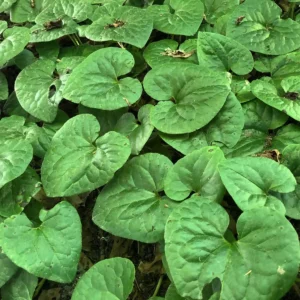
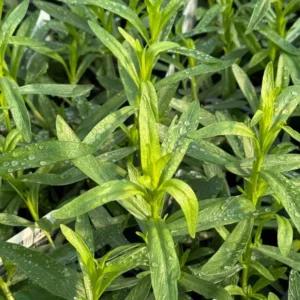
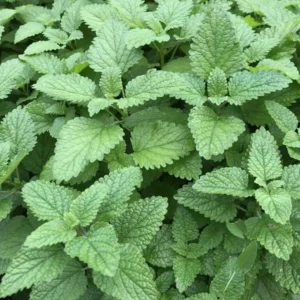
- Beautiful Foliage: The crinkled, vibrant green leaves of the Kentucky Colonel Mint plant add an attractive texture and color to any garden or container arrangement, making it a visually appealing herb.
Plant Care & Growing Tips
Caring for your Kentucky Colonel Mint live plant is straightforward, ensuring a lush and productive herb garden. This resilient plant thrives with proper attention to its basic needs, rewarding you with abundant, fragrant leaves. Understanding its preferences will help you cultivate a healthy and vigorous plant.
Sunlight Requirements: Kentucky Colonel Mint prefers full sun to partial shade. For optimal growth and flavor, aim for at least 4-6 hours of direct sunlight per day. In hotter climates, some afternoon shade can prevent leaf scorch and keep the plant vibrant. If growing indoors, place it near a bright, south-facing window or under a grow light to ensure it receives adequate light.
Watering Schedule and Soil Moisture: Mint plants enjoy consistently moist soil, but not waterlogged conditions. Water thoroughly when the top inch of soil feels dry to the touch. During hot, dry periods, you may need to water daily. Ensure good drainage to prevent root rot. Reduce watering in cooler months when the plant’s growth slows down.
Soil Type and Drainage Requirements: This mint variety thrives in rich, well-draining soil. A good quality potting mix amended with compost or organic matter is ideal. If planting in the ground, ensure the soil is loose and fertile. Excellent drainage is crucial; if your soil is heavy clay, amend it with sand or perlite to improve aeration and prevent water retention. The ideal pH for mint is slightly acidic to neutral (6.0-7.0).
Temperature Range and USDA Hardiness Zone: Kentucky Colonel Mint is a hardy perennial, generally suited for USDA Zones 3-9. It tolerates a wide range of temperatures but prefers moderate climates. In very cold regions, mulching can protect roots, or plants can be brought indoors for winter. It can withstand light frosts but prolonged freezing temperatures may cause dieback, though it usually regrows from the roots in spring.
Fertilization Schedule and Type: Mint is not a heavy feeder. If planted in rich soil, it may not require much fertilization. For container-grown plants or those in less fertile soil, a balanced, all-purpose liquid fertilizer can be applied every 4-6 weeks during the growing season (spring and summer) at half strength. Avoid over-fertilizing, as this can lead to leggy growth and reduced flavor. Composted organic matter can also be worked into the soil annually.
Common Problems and Solutions: Mint is generally robust, but watch out for powdery mildew in humid conditions (ensure good air circulation). Rust can also occur; remove affected leaves and consider a fungicide if severe. Aphids and spider mites can be an issue; a strong spray of water or insecticidal soap can manage them. Mint is known to be invasive; planting in containers or using root barriers is recommended to prevent it from taking over your garden. Regular pruning not only keeps the plant tidy but also encourages bushier growth and prevents flowering, which can reduce leaf flavor. To keep your fragrant mint plant producing its best leaves, pinch back the growing tips frequently.
Size & Details
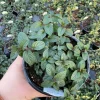
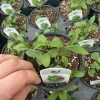
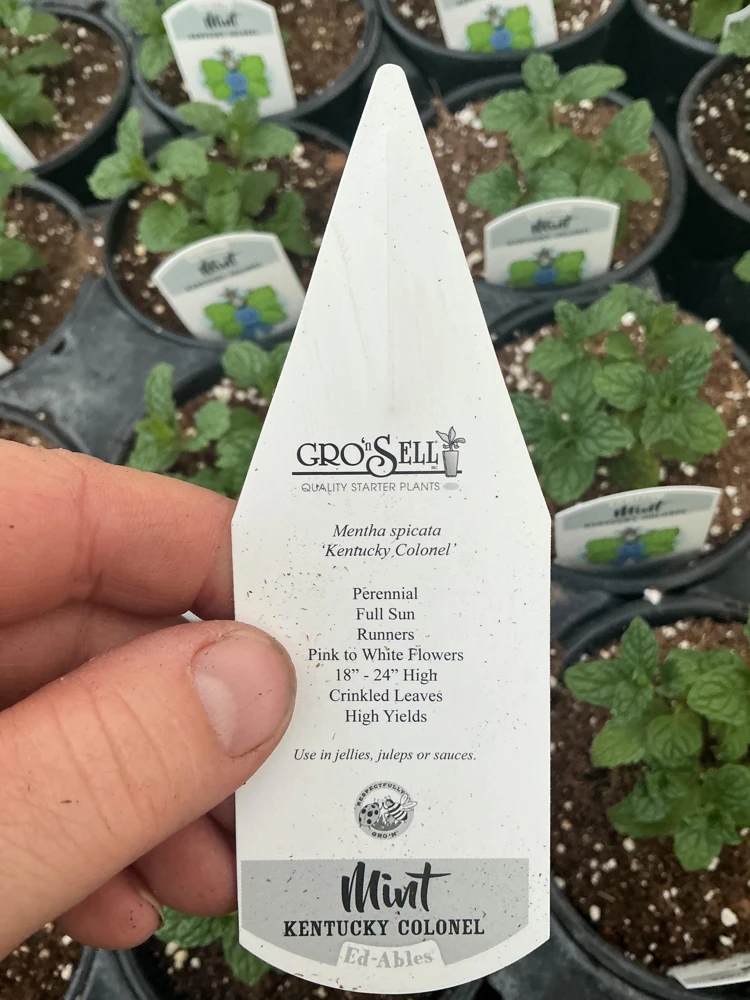
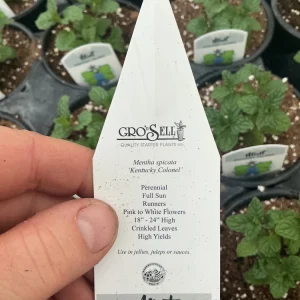
Your Kentucky Colonel Mint live plant will arrive as a well-established, healthy specimen, actively growing in a 4.5-inch plastic nursery pot. This size ensures the plant has a robust root system, making it ready for immediate transplanting and continued vigorous growth in your garden or preferred container. At maturity, Kentucky Colonel Mint typically grows to a height of 18-24 inches and spreads similarly, though it can be kept more compact with regular pruning. Its growth rate is considered moderate to fast, especially in ideal conditions, allowing you to enjoy a substantial harvest relatively quickly.
This particular mint variety is known for its strong, upright habit and crinkled, deep green leaves that are highly aromatic. It is shipped with care to ensure it arrives in excellent condition, ready to thrive in its new environment. Expect your plant to begin producing new growth shortly after transplanting, providing you with fresh leaves throughout the growing season. The plant is typically ready for its first light harvest within a few weeks of settling in, offering fresh sprigs for your culinary needs. You’ll find this culinary mint herb to be a productive and rewarding addition to your home.
Frequently Asked Questions
- Q: How big does this plant get? A: The Kentucky Colonel Mint live plant typically grows to about 18-24 inches tall and can spread similarly. Its size can be managed with regular pruning, which also encourages bushier growth and more leaf production.
- Q: What size pot does it come in? A: Your Kentucky Colonel Mint plant will be shipped in a 4.5-inch plastic nursery pot, ensuring it has a well-developed root system and is ready for transplanting upon arrival.
- Q: Is this an indoor or outdoor plant? A: Kentucky Colonel Mint can thrive both indoors and outdoors. Outdoors, it prefers full sun to partial shade. Indoors, place it in a bright location with plenty of sunlight, such as a south-facing window. It’s a versatile fragrant mint plant.
- Q: How much sunlight does it need? A: This mint variety needs at least 4-6 hours of direct sunlight daily for optimal growth and flavor. In very hot climates, it benefits from some afternoon shade to prevent leaf scorch.
- Q: Is this plant easy to care for? A: Yes, Kentucky Colonel Mint is considered very easy to care for, making it an excellent choice for beginners. It’s quite hardy and forgiving, requiring consistent moisture and adequate sunlight. Consistent watering and occasional pruning are key to a thriving plant.
- Q: What condition will it arrive in? A: Your Kentucky Colonel Mint live plant will arrive well-established, healthy, and actively growing in its nursery pot, carefully packaged to ensure its safe transit and readiness for planting.
- Q: Can I use Kentucky Colonel Mint in cooking? A: Absolutely! This mint variety is specifically prized for its culinary uses, especially in beverages like mint juleps and mojitos, teas, desserts, and savory dishes. It’s a fantastic culinary mint herb.
- Q: How long until it’s ready to harvest? A: You can typically start harvesting light amounts of leaves from your Kentucky Colonel Mint plant within a few weeks of planting, once it has settled into its new environment and started producing new growth.
- Q: When is the best time to plant this mint? A: The best time to plant Kentucky Colonel Mint outdoors is in spring after the last frost, or in early fall. If growing indoors, it can be planted any time of year.
- Q: Will it survive winter in my zone? A: Kentucky Colonel Mint is hardy in USDA Zones 3-9. In colder zones (3-5), it may die back to the ground but will typically regrow from the roots in spring. Mulching can provide extra protection in winter. This makes it a great choice to grow Kentucky Colonel Mint in many regions.


Reviews
There are no reviews yet.