Overview
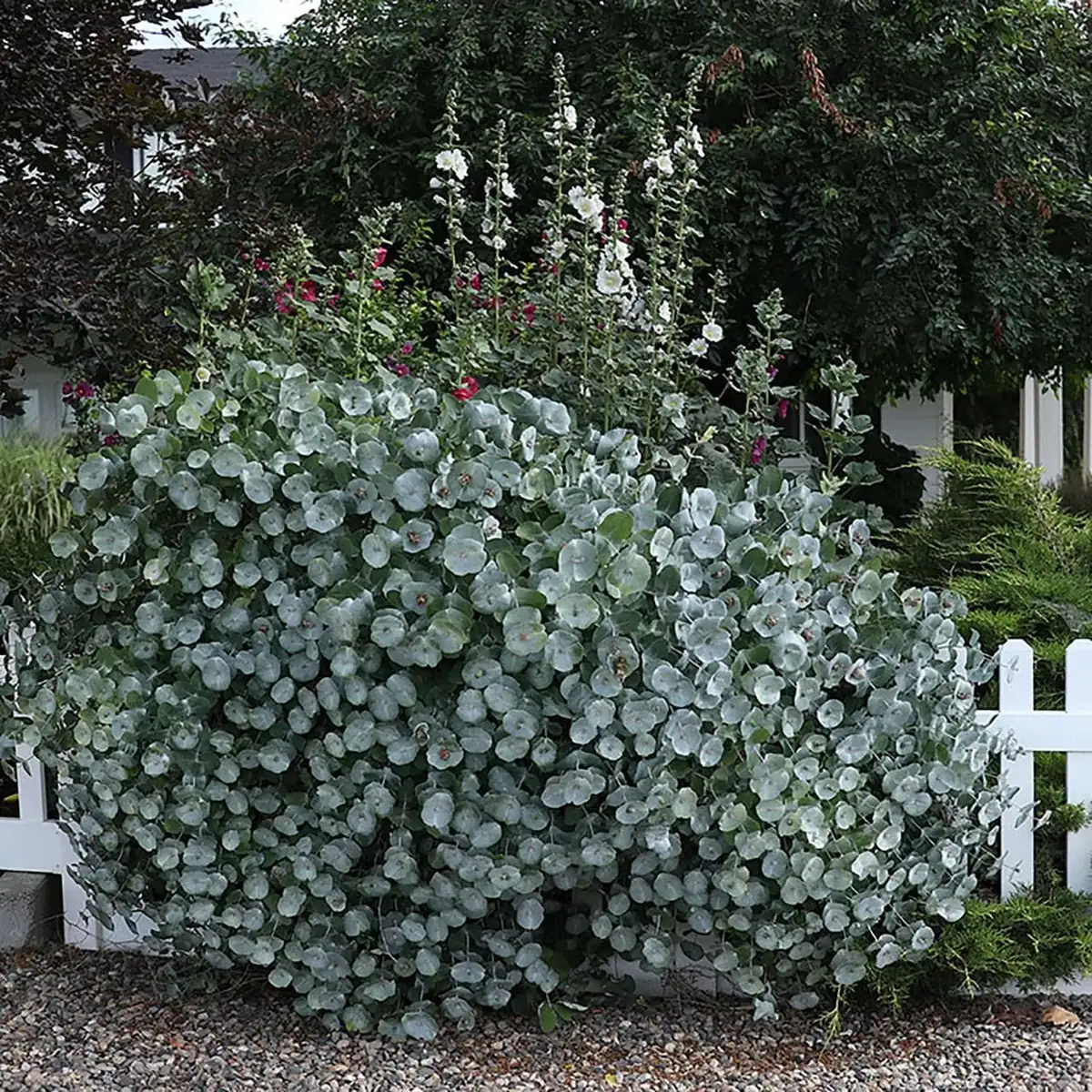
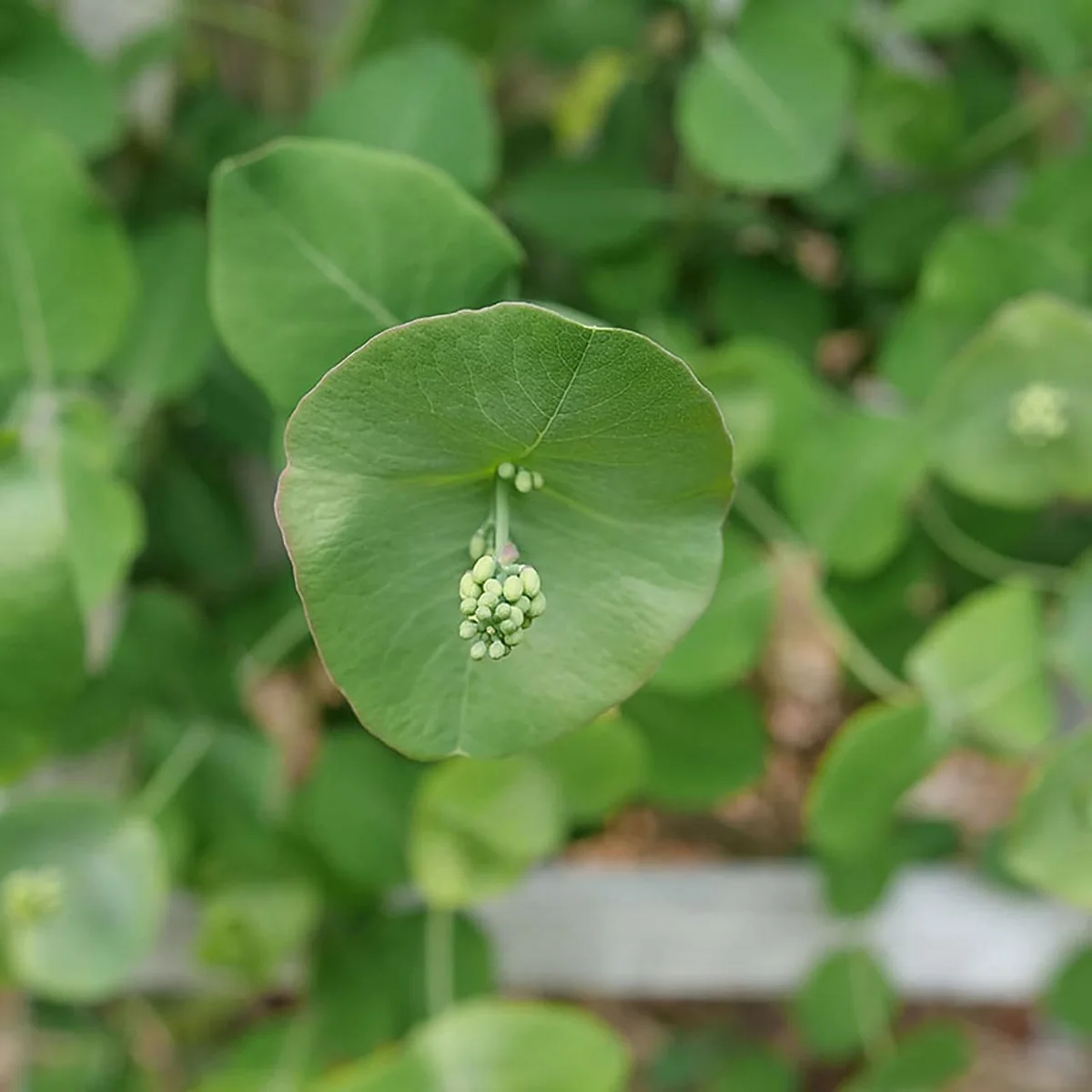
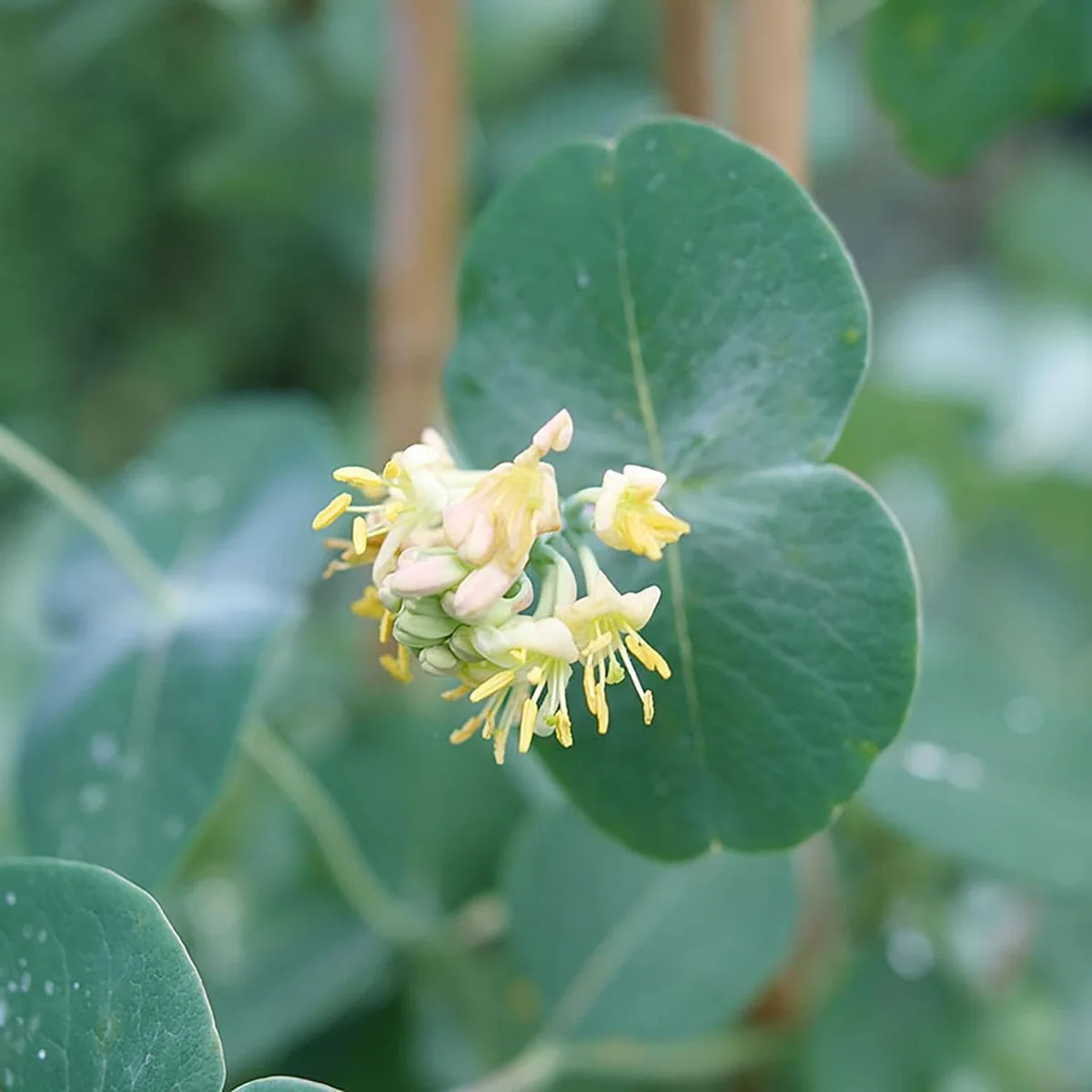
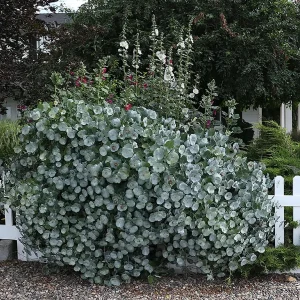
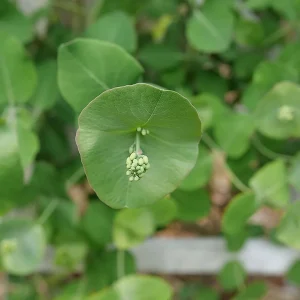
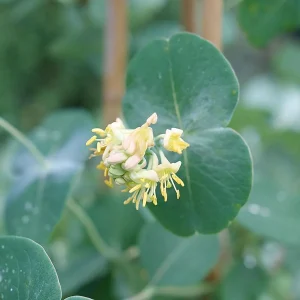
Introduce a truly captivating specimen to your garden with the Kintzley’s Ghost Grape Honeysuckle, a remarkable live plant that stands out from traditional honeysuckle varieties. This North American native vine, scientifically known as Lonicera reticulata ‘Kintzley’, offers unparalleled visual interest and is a fantastic choice for gardeners seeking something truly unique. Unlike many honeysuckles, the main attraction of this plant isn’t just its tubular yellow flowers, but the stunning blue-white, saucer-shaped bracts that encircle them. These bracts create an ethereal, ghost-like appearance, making people stop and ask, ‘What is that?!’ It’s a non-invasive species, ensuring it won’t spread aggressively and will maintain its charm without becoming a nuisance in your landscape. This Kintzley’s Ghost Grape Honeysuckle is provided in a 4-inch pot, ready to be transplanted into your garden or a larger container.
The genus Lonicera encompasses over 200 species globally, but ‘Kintzley’s Ghost’ is particularly prized for its ornamental qualities and responsible growth habit. Its unique foliage and floral display make it a conversation starter, perfect for trellises, arbors, or fences. This honeysuckle is not only beautiful but also beneficial, attracting a variety of pollinators, including hummingbirds, to your outdoor space, contributing to a vibrant and healthy ecosystem.
Key Benefits
The Kintzley’s Ghost Grape Honeysuckle offers a multitude of benefits that make it an exceptional addition to any garden. Its distinctive features provide continuous interest throughout the growing season, from its emergence in spring to its defoliation in autumn. Here are some of the key advantages of cultivating this extraordinary vine:
- Unique Ornamental Appeal: The most striking feature of this honeysuckle is its unique blue-white, saucer-shaped bracts that form around the flower buds. These bracts resemble eucalyptus leaves and persist long after the flowers fade, providing extended visual interest. This makes the Kintzley’s Ghost Grape Honeysuckle a true showstopper.
- Attracts Pollinators: The tubular yellow flowers, though subtly scented, are a magnet for pollinators, especially hummingbirds. Planting this vine will help support local wildlife and enhance the biodiversity of your garden.
- Non-Invasive Growth Habit: As a North American native species, ‘Kintzley’s Ghost’ is not invasive, unlike some other honeysuckle varieties. You can enjoy its beauty without worrying about it taking over your garden or natural areas.
- Seasonal Interest: From its initial emerging foliage to the development of its unique bracts and flowers, followed by glistening red berries in autumn, this plant provides multi-season interest. The berries add another layer of charm as the season progresses.
- Low Maintenance: Once established, this honeysuckle is relatively easy to care for, requiring minimal attention to thrive. It adapts well to various conditions, making it suitable for both experienced and novice gardeners.
- Versatile Landscaping Use: Its vining habit makes it ideal for growing on trellises, arbors, fences, or even as a groundcover. It can be used to create privacy, add vertical dimension, or soften hardscapes.
Plant Care & Growing Tips
Caring for your Kintzley’s Ghost Grape Honeysuckle is straightforward, ensuring it flourishes and provides years of beauty. This hardy vine is adaptable but performs best when its basic needs are met. For optimal growth and flowering, choose a location that receives full sun to partial shade. Full sun (at least 6 hours of direct sunlight daily) will encourage the most abundant blooms and vibrant bracts. While it tolerates some shade, too much shade can reduce flowering and lead to leggy growth. Ensure good air circulation around the plant to prevent fungal issues.
When it comes to watering, this honeysuckle prefers consistently moist, but not waterlogged, soil, especially during its establishment period. Once mature, it has some drought tolerance, but regular watering during dry spells will keep it looking its best. The ideal soil for non-invasive honeysuckle vine is well-draining, fertile, and rich in organic matter. A slightly acidic to neutral pH is generally preferred. Amend heavy clay soils with compost or other organic materials to improve drainage and aeration. Fertilize in early spring with a balanced, slow-release granular fertilizer formulated for flowering vines or shrubs. Avoid over-fertilizing, which can promote leafy growth at the expense of flowers.
This unique honeysuckle plant is generally hardy and resilient. Pruning is best done in late winter or early spring before new growth emerges. Remove any dead, damaged, or crossing branches. You can also prune to shape the vine and control its size. For a more vigorous flush of new growth and blooms, a hard prune every few years can be beneficial. While generally resistant to major pests and diseases, keep an eye out for common issues like aphids or powdery mildew, and treat them promptly with appropriate organic or chemical solutions. The Lonicera reticulata ‘Kintzley’ is a robust plant that will reward you with its stunning display with proper care.
Size & Details
The Kintzley’s Ghost Grape Honeysuckle is a vigorous climbing vine that can reach impressive sizes, making it an excellent choice for covering large structures. Typically, this vine grows to a height of 10 to 20 feet, with a spread of 5 to 10 feet, depending on the support structure and growing conditions. Its growth rate is considered moderate to fast, allowing it to quickly establish and fill out an area. This particular offering is a live plant provided in a 4-inch nursery pot, which is an ideal size for successful transplanting into your garden or a larger container. It arrives with a well-developed root system, ready to thrive in its new home.
When you receive your pollinator friendly vine, it will be a young, healthy specimen, carefully packaged to ensure its safe arrival. Expect it to begin vigorous growth once settled in your garden. While the striking blue-white bracts and yellow flowers are typically seen from late spring through summer, the plant’s unique foliage provides interest even outside of its blooming period. The red berries that follow the flowers add another dimension of beauty in autumn. This honeysuckle is a deciduous vine, meaning it will lose its leaves in the fall, but its structural beauty remains even in winter.
Frequently Asked Questions
- Q: How big does this Kintzley’s Ghost Grape Honeysuckle get? A: This vigorous vine can typically reach a height of 10 to 20 feet and spread 5 to 10 feet, depending on the support and growing conditions you provide. It’s an excellent choice for covering arbors or fences with its unique foliage.
- Q: Is this an indoor or outdoor plant? A: The Kintzley’s Ghost Grape Honeysuckle is an outdoor plant. It thrives in various outdoor garden settings and is hardy in appropriate USDA zones.
- Q: How much sunlight does this unique honeysuckle plant need? A: For best growth and abundant flowering, this honeysuckle prefers full sun, meaning at least 6 hours of direct sunlight per day. It can tolerate partial shade, but flowering may be reduced.
- Q: Is this plant easy to care for? A: Yes, once established, the Kintzley’s Ghost Grape Honeysuckle is considered relatively low-maintenance. It requires well-draining soil and consistent moisture, especially when young, but becomes quite resilient.
- Q: What condition will it arrive in? A: Your Kintzley’s Ghost Grape Honeysuckle will arrive as a healthy, live plant in a 4-inch nursery pot, with a well-established root system, carefully packaged to ensure its safe journey.
- Q: When is the best time to plant this non-invasive honeysuckle vine? A: The best time to plant is in spring or early fall, allowing the plant to establish its root system before extreme summer heat or winter cold. However, potted plants can often be planted throughout the growing season.
- Q: Will it survive winter in my zone? A: The Kintzley’s Ghost Grape Honeysuckle is generally hardy in USDA Zones 4-8. If you are in a colder zone, consider providing winter protection or growing it in a container that can be moved indoors.
- Q: Is this honeysuckle invasive? A: No, this is a North American native species (Lonicera reticulata ‘Kintzley’) and is not considered invasive, unlike some other honeysuckle varieties. It will not make a nuisance of itself in your garden.
- Q: Does this pollinator friendly vine attract hummingbirds? A: Yes, the tubular yellow flowers of the Kintzley’s Ghost Grape Honeysuckle are known to attract hummingbirds, as well as other beneficial pollinators to your garden.
- Q: What kind of soil does it need? A: This honeysuckle prefers well-draining, fertile soil rich in organic matter. A slightly acidic to neutral pH is ideal for optimal growth.


Reviews
There are no reviews yet.