Overview
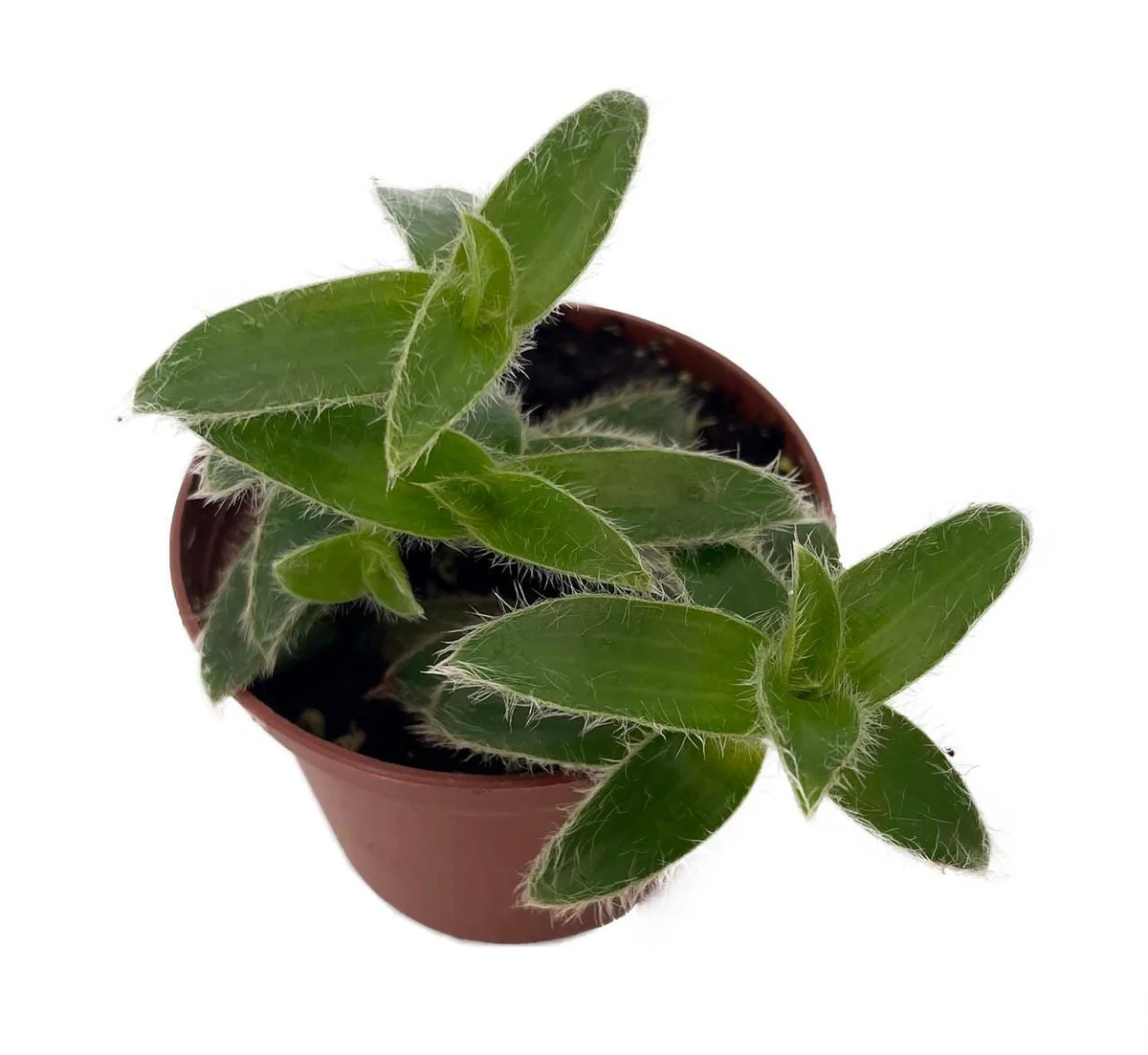
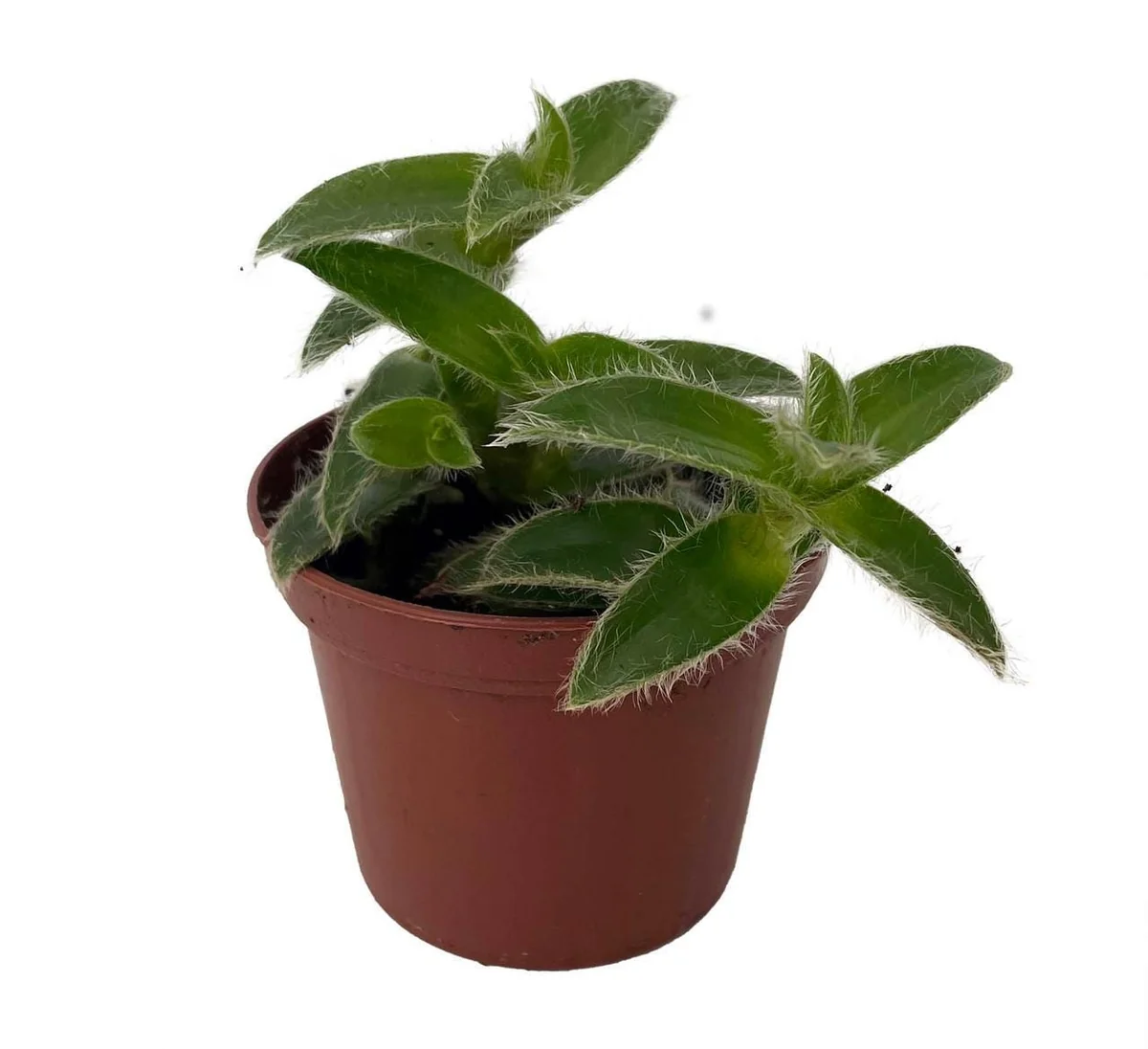
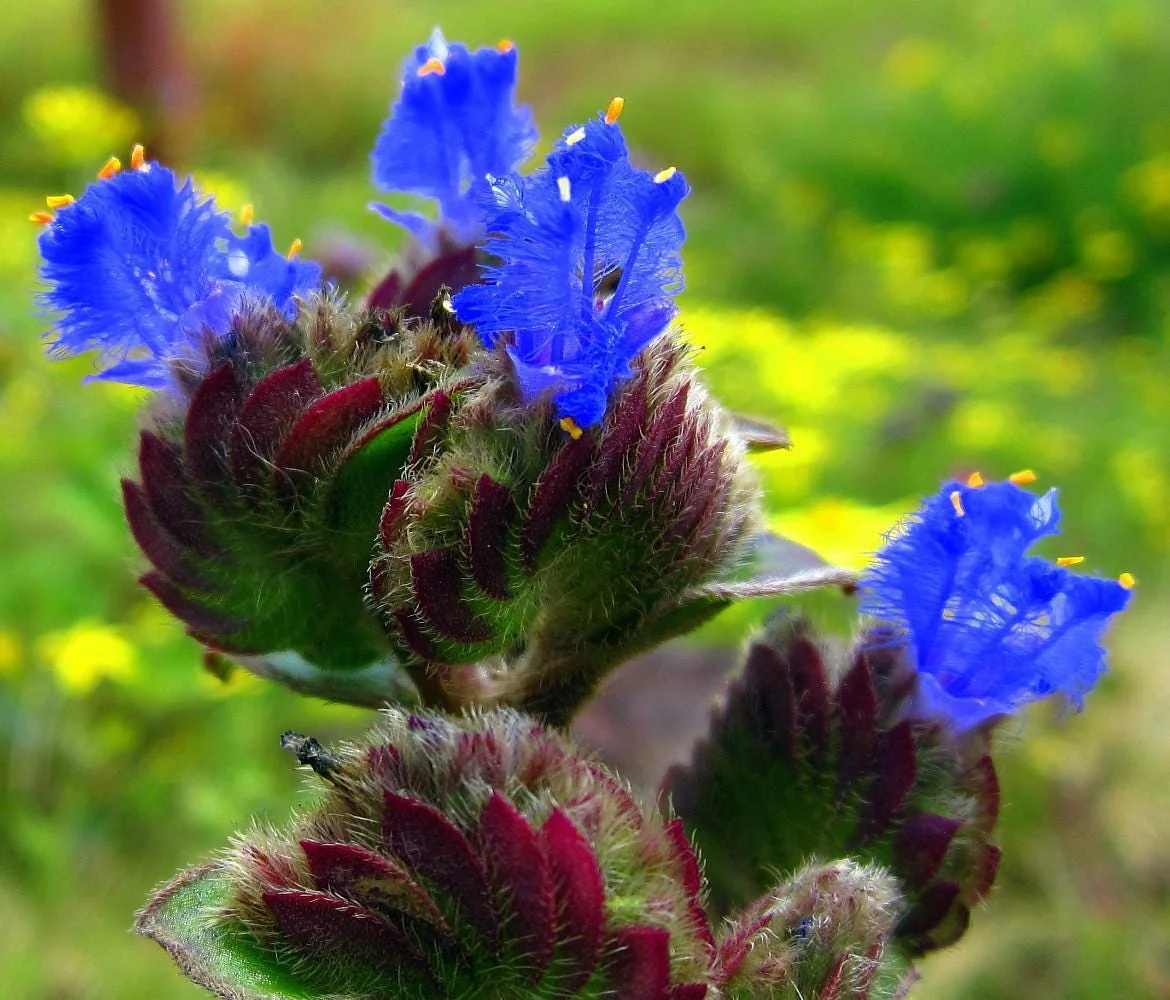
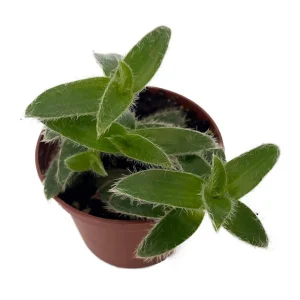
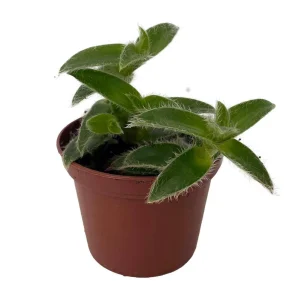
Introduce an enchanting touch to your indoor garden with the delightful kitten ears plant (Cyanotis somaliensis). This unique live plant, often referred to as Furry Kitten Plant due to its soft, velvety foliage, is a charming addition to any home. Related to inch plants, this easy-care species is known for its distinctive fuzzy green leaves that provide an abundance of texture. Whether you’re a seasoned plant enthusiast or a beginner seeking an easy care indoor plant, the kitten ears plant offers a captivating visual and tactile experience. It’s perfectly sized for a 2.5-inch pot, making it ideal for immediate display or transplanting into your favorite decorative container.
The Cyanotis somaliensis is an unusual houseplant that thrives in a variety of indoor settings. Its trailing habit makes it an excellent choice for hanging baskets, allowing its fuzzy stems to cascade gracefully. Alternatively, it can be grown in a shallow pot, creating a lush, horizontal spread across a tabletop, desk, or mantle. This versatility, combined with its charming appearance, ensures that the kitten ears plant will be a conversation starter and a beloved part of your living decor. Discover the joy of growing this resilient and attractive plant.
Key Benefits
The kitten ears plant offers a multitude of benefits, making it a highly desirable choice for indoor plant lovers. Its unique characteristics contribute to both aesthetic appeal and ease of maintenance:
- Unique Texture and Appearance: The standout feature of this plant is its soft, fuzzy green leaves, reminiscent of a kitten’s ears. This distinct texture adds a fascinating visual and tactile element to your plant collection, creating a striking contrast with smoother-leaved plants. It’s truly a one-of-a-kind fuzzy houseplant.
- Versatile Display Options: With its creeping and trailing growth habit, the kitten ears plant is exceptionally versatile. It excels in hanging baskets, allowing its foliage to drape beautifully, but it can also be grown in tall containers or even allowed to spread horizontally in shallow pots on surfaces like mantles or desks. This makes it an ideal trailing houseplant for various decor styles.
- Low Maintenance and Easy Care: Known for being an easy care indoor plant, the Cyanotis somaliensis is forgiving and doesn’t demand constant attention. It’s suitable for busy individuals or novice gardeners looking for a rewarding plant experience without extensive effort.
- Compact Size: As a relatively small plant, it’s perfect for tight spaces, terrariums, or indoor fairy gardens. It can comfortably fit on windowsills, shelves, or small desks, adding greenery without overwhelming the space.
- Enhances Indoor Air Quality: Like many houseplants, the kitten ears plant contributes to a healthier indoor environment by naturally filtering air and increasing humidity.
- Pruning for Fuller Growth: The plant responds well to pruning, which encourages a bushier, fuller growth habit. This allows you to easily maintain its shape and size, preventing it from becoming leggy and ensuring a vibrant appearance.
- Adaptable to Light Conditions: While it prefers bright light for optimal growth, the kitten ears plant can tolerate medium light conditions, offering flexibility in placement within your home.
Plant Care & Growing Tips
Caring for your kitten ears plant is straightforward, making it an excellent choice for those new to houseplants or seeking an easy care indoor plant. For the happiest and healthiest plant, focus on providing adequate light, proper watering, and occasional feeding.
When it comes to light, the kitten ears plant thrives in bright, indirect light. A spot near a south or west-facing window, where it receives plenty of ambient brightness but is shielded from harsh, direct midday sun, is ideal. While it tolerates medium light, insufficient light can cause the plant to become ‘leggy,’ with longer stems between leaves, reducing its compact, fuzzy appearance. Rotate your plant every few weeks to ensure even growth. The cyanotis somaliensis care routine for watering involves letting the top inch or so of the potting mix dry out completely between waterings. This plant is susceptible to root rot if left in soggy soil for extended periods. Always ensure good drainage in its pot. During the cooler, darker months of autumn and winter, reduce watering frequency as the plant’s growth slows.
For soil, a well-draining potting mix is crucial. A standard houseplant mix amended with perlite or orchid bark can provide the necessary aeration and drainage. The kitten ears plant prefers average room temperatures, typically between 65-75°F (18-24°C), and average household humidity. It is not frost-tolerant and should be kept indoors in most climates, making it a perfect fuzzy houseplant for year-round enjoyment. Fertilize your trailing houseplant during the spring and summer growing seasons, using a general-purpose houseplant fertilizer diluted to half strength, following the product’s instructions. Pruning can be done at any time of year to maintain shape, encourage bushier growth, or propagate new plants from cuttings.
Size & Details
This offering is for one kitten ears plant (Cyanotis somaliensis) live plant, delivered in a 2.5-inch nursery pot. The plant typically exhibits a creeping or trailing growth habit, making it ideal for a variety of display options. While specific dimensions can vary based on individual growth, these plants generally remain compact, making them suitable for tabletops, shelves, and hanging baskets. They are known for a moderate growth rate, allowing you to enjoy their development without them quickly outgrowing their space. The plant will arrive healthy and ready to be placed in your home or repotted into a decorative container of your choice. Expect a small, vibrant plant that will continue to grow and develop its characteristic fuzzy foliage over time, establishing itself as a charming fuzzy houseplant.
The kitten ears plant is shipped as a rooted live plant, ensuring a strong start in its new environment. With proper cyanotis somaliensis care, it will quickly adapt and begin to flourish, adding a unique textural element to your indoor plant collection. Its manageable size also makes it a fantastic candidate for terrariums or as a charming component in miniature indoor gardens.
Frequently Asked Questions
- Q: How big does this kitten ears plant get? A: The kitten ears plant is a relatively small and compact plant. While its trailing stems can grow quite long, the main plant body remains modest, making it ideal for shelves, desks, or hanging baskets without taking up too much space.
- Q: What size pot does it come in? A: This kitten ears plant is shipped in a 2.5-inch nursery pot, perfectly sized for its initial growth. You can keep it in this pot for a while or transplant it into a slightly larger decorative container upon arrival.
- Q: Is this an indoor or outdoor plant? A: The kitten ears plant is primarily an indoor houseplant, especially in climates with cold winters. It thrives in typical indoor temperatures and bright, indirect light, making it a wonderful easy care indoor plant.
- Q: How much sunlight does it need? A: This fuzzy houseplant prefers bright, indirect light for optimal growth. It can tolerate medium light, but too little light may cause it to become leggy. Avoid harsh, direct midday sun, which can scorch its delicate leaves.
- Q: Is this plant easy to care for? A: Yes, the kitten ears plant is known for being an easy care indoor plant. It’s forgiving and doesn’t require complex care routines, making it suitable for beginners and busy plant parents alike.
- Q: What condition will it arrive in? A: Your kitten ears plant will arrive as a healthy, live plant, carefully packaged to ensure its safe journey. It will be rooted in its nursery pot, ready for you to unbox and enjoy.
- Q: How often should I water my kitten ears plant? A: Water your kitten ears plant when the top inch or so of the potting mix feels dry to the touch. It’s important to allow the soil to dry out slightly between waterings to prevent root rot, as consistent soggy soil is detrimental to cyanotis somaliensis care.
- Q: Can I prune this plant? A: Absolutely! Pruning is beneficial for the kitten ears plant. You can trim it back at any time of year to encourage a fuller, bushier growth habit or to maintain its desired size and shape.
- Q: Is the kitten ears plant safe for pets? A: While generally considered non-toxic, it’s always best to keep plants out of reach of curious pets to prevent any potential irritation or upset stomachs. Consult a veterinarian if you have concerns about pet ingestion.
- Q: Can I grow this plant in a hanging basket? A: Yes, its creeping and trailing habit makes the kitten ears plant an excellent choice for hanging baskets. Its fuzzy foliage will cascade beautifully, adding an attractive dimension to your indoor decor.


Reviews
There are no reviews yet.