Overview
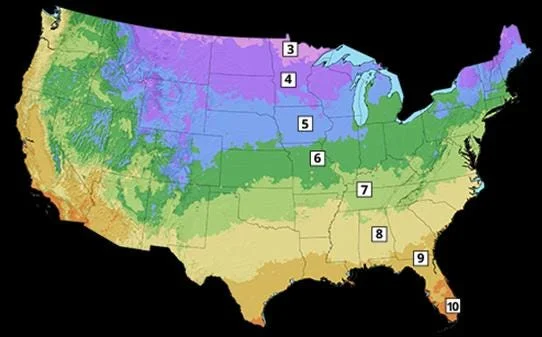
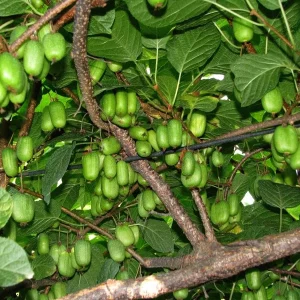
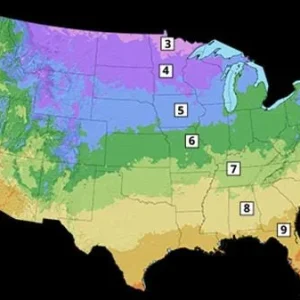
Embark on a rewarding gardening journey with the Kiwi Anna live plant, a remarkable variety of hardy kiwi known for its sweet, tropical-flavored fruit. This female ‘Anna’ (also known as ‘Ananasnaja’) cultivar of Actinidia arguta is a vigorous vine that thrives in a wide range of climates, particularly in USDA Zones 4-9. Originating from the Russian word for pineapple, ‘Ananasnaja’ perfectly describes the delightful citrusy and tropical notes of its berries. Unlike traditional fuzzy kiwis, the fruit from this cold hardy kiwi vine is smooth-skinned and can be eaten whole, making it an excellent choice for fresh eating, juices, or preserves. You will receive one rooted starter plant, ready to establish itself in your garden and eventually yield an abundance of delicious fruit. This specific Actinidia arguta Anna is a female plant and will require a male hardy kiwi plant nearby to ensure pollination and fruit production.
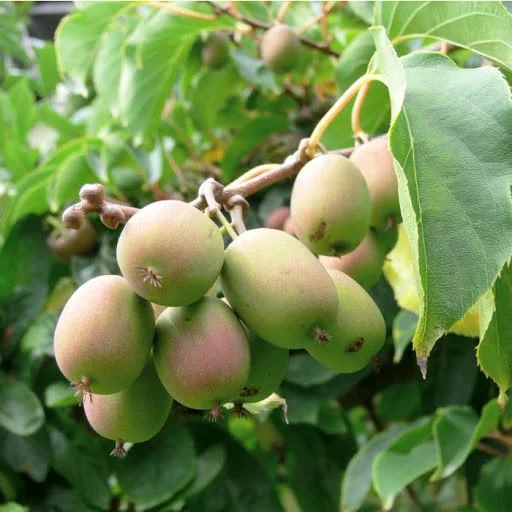
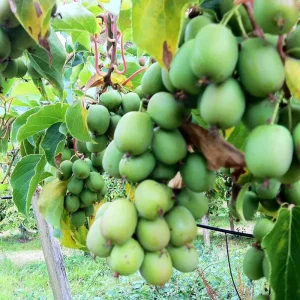
The ‘Anna’ kiwi is celebrated not only for its exceptional taste but also for its robust growth and impressive yields. With proper care, these vines can produce over 50 pounds of fruit annually once they reach peak maturity. The fruit itself is medium to large, oblong, with an appealing green background and a striking red blush when exposed to good sunlight. Its unique flavor profile and ease of consumption make it a highly sought-after addition to any edible landscape. This Ananasnaja kiwi plant is a fantastic investment for gardeners looking to grow something truly special and productive.
Key Benefits
Choosing the Kiwi Anna live plant for your garden offers a multitude of advantages, combining aesthetic appeal with bountiful harvests. This cold-hardy variety is not only resilient but also delivers an abundance of delicious fruit.
- Exceptional Fruit Quality: Enjoy medium to large, fuzz-less kiwi berries with a uniquely tropical and citrusy flavor profile, reminiscent of pineapple. These berries are perfect for eating fresh, juicing, or canning. The Kiwi Anna live plant produces fruit that is both delicious and versatile.
- Cold Hardiness: Thrives in USDA Zones 4-9, making it suitable for a wide range of climates where other kiwi varieties might struggle. This resilience ensures a successful harvest even in colder regions.
- High Yield Potential: Once mature (typically after 5 years), a single vine can produce in excess of 50 pounds of fruit per year, providing a generous supply for your household.
- Vigorous Growth: These vines are strong growers, reaching lengths of 15-20 feet, offering excellent coverage for trellises, arbors, or fences while producing fruit.
- Pesticide-Free Cultivation: Our plants are grown without the use of pesticides, ensuring you receive a healthy, natural product and can grow your own organic fruit.
- Nutritional Value: Kiwi fruit is packed with vitamins and antioxidants, contributing to a healthy diet. Growing your own Ananasnaja kiwi plant provides fresh, nutrient-rich produce.
- Attractive Landscape Addition: Beyond its fruit, the vigorous green foliage of the vine adds a beautiful, lush element to your garden or outdoor living space.
Plant Care & Growing Tips
Proper care is essential for your Kiwi Anna live plant to flourish and produce abundant fruit. This hardy kiwi variety is relatively low-maintenance once established but benefits from specific attention to its growing conditions. These vines prefer a location with full sun to partial shade, meaning at least 6-8 hours of direct sunlight daily for optimal fruit production and ripening. Good air circulation is also important to prevent fungal issues. When planting, ensure your soil is well-draining, rich in organic matter, and has a slightly acidic to neutral pH (6.0-7.0). Amend heavy clay soils with compost and sand to improve drainage, or sandy soils with compost to improve water retention. Remember, this is a female plant, so you will need a male hardy kiwi pollinator planted within 50 feet for successful fruit set. Consider varieties like ‘Meader’ or ‘Hardy Male’.
Watering should be consistent, especially during dry periods and while the plant is establishing. Keep the soil evenly moist but never waterlogged. Deep watering encourages a strong root system. Fertilize in early spring with a balanced slow-release fertilizer or a compost tea. Pruning is crucial for hardy kiwi vines, focusing on training them to a strong support structure like a trellis or arbor. Prune in late winter when dormant to remove dead or weak wood and to shape the vine. Summer pruning can be done to manage growth and expose fruit to sunlight. Protect young plants from severe winter winds in colder zones. The cold hardy kiwi vine is generally resistant to most pests and diseases, particularly when grown in appropriate conditions. Monitor for common garden pests, but often, a strong, healthy plant can ward off issues naturally. Ensure your female kiwi plant has adequate support as it grows, as the vines become heavy with foliage and fruit.
Size & Details
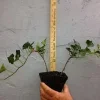
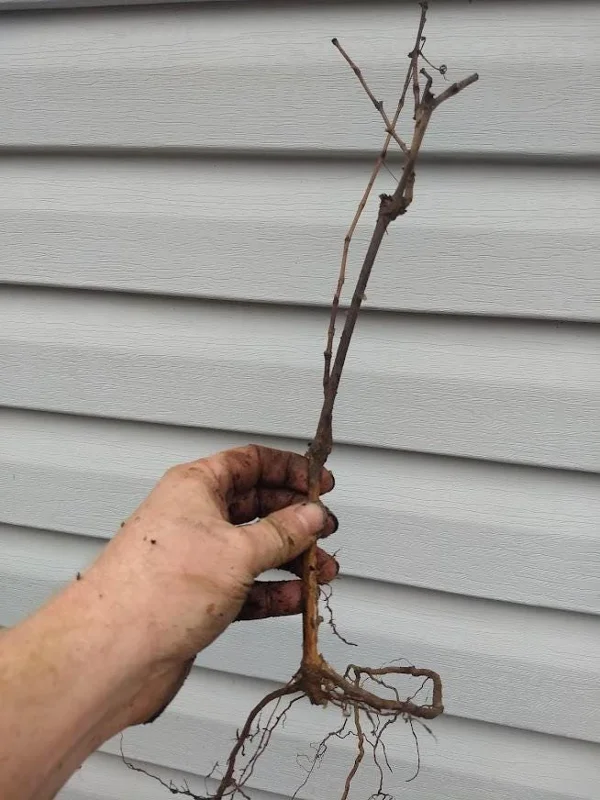
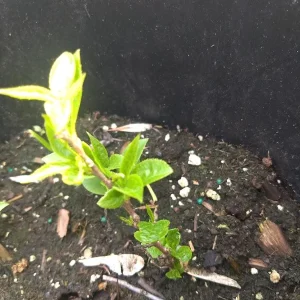
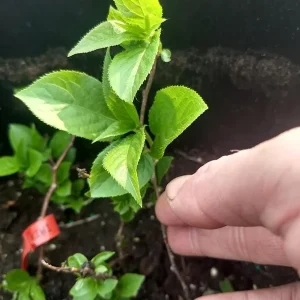
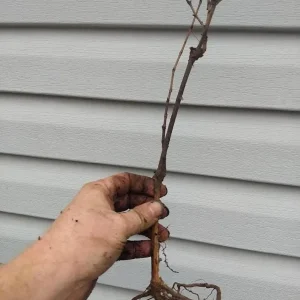
This offering is for one Kiwi Anna live plant, provided as a well-rooted starter plant. While the exact size may vary slightly upon shipping, you will receive a healthy, viable plant ready for transplanting. These plants are shipped carefully, often taken out of their growing pot to ensure safe transit in a protective box. The ‘Anna’ kiwi is a vigorous grower, and with proper care, the vines will reach a mature length of 15-20 feet, requiring a sturdy trellis or arbor for support. Expect the plant to take approximately 2 years before it begins fruiting, with significant yields starting around year 5 and beyond, when it can produce in excess of 50 pounds of fruit annually.
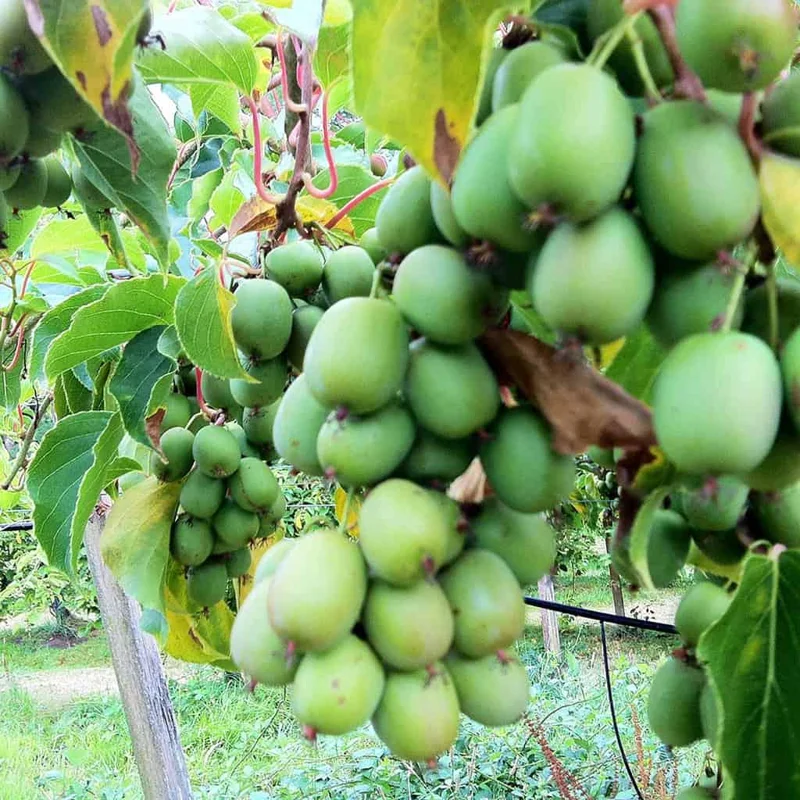
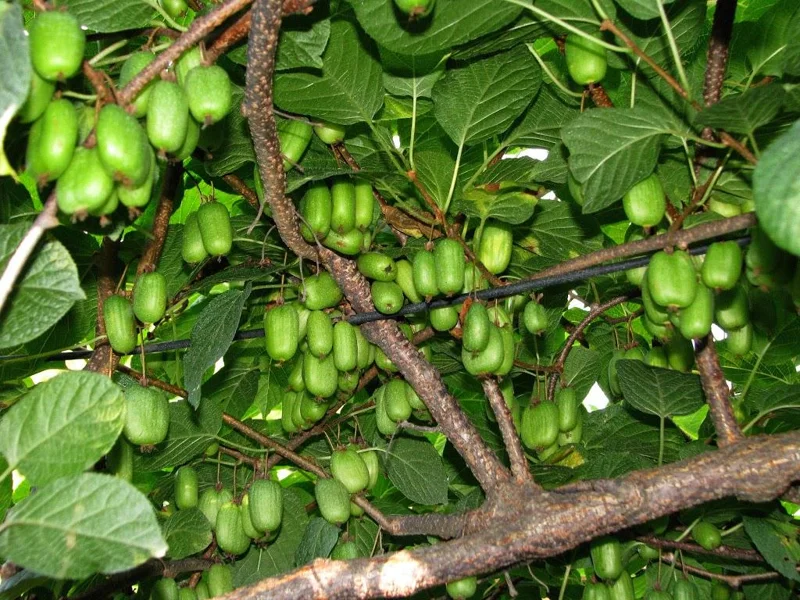
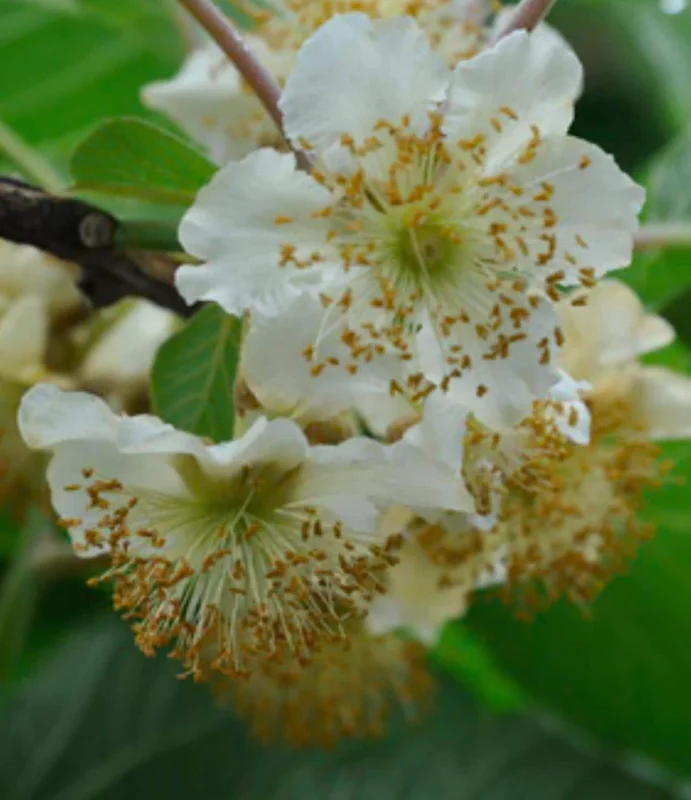
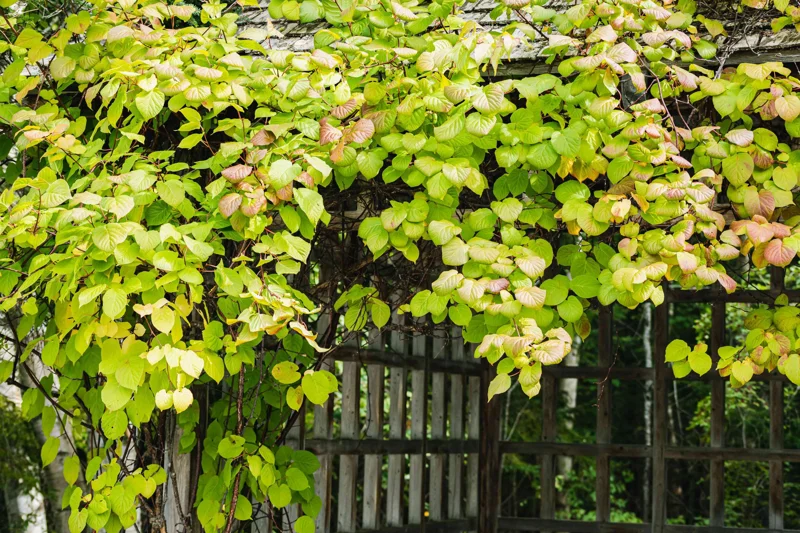
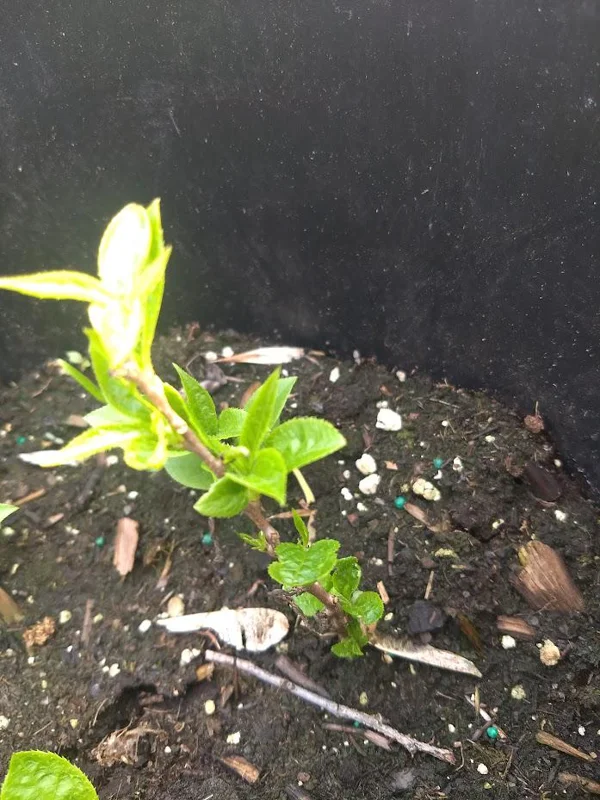
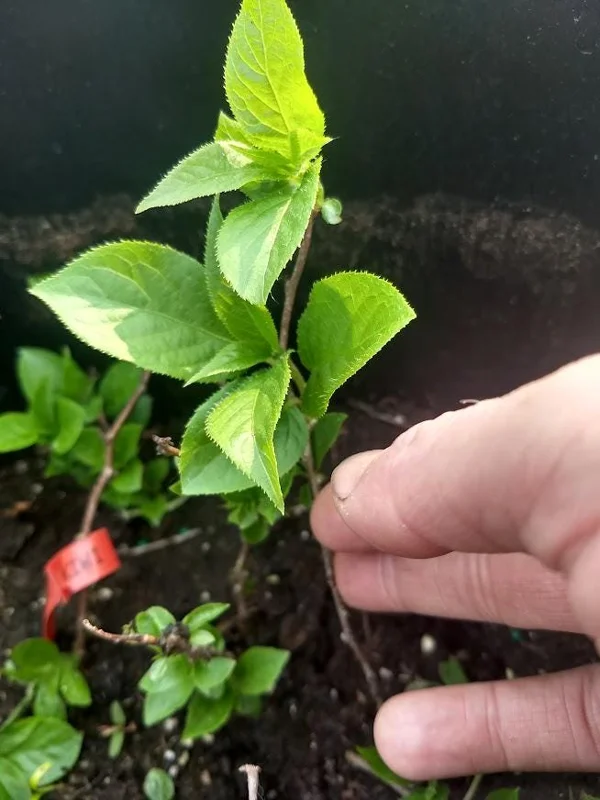
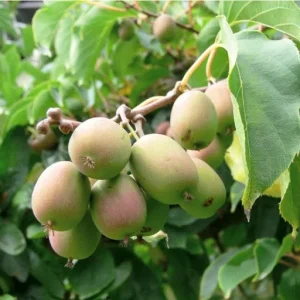
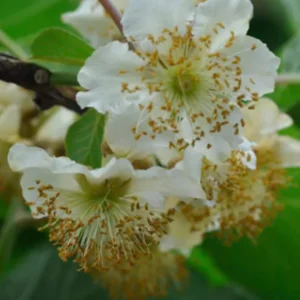
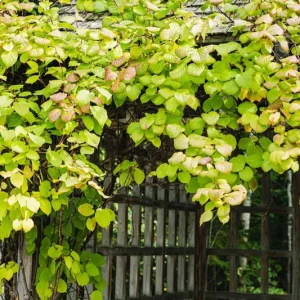
The fruit produced by this Actinidia arguta Anna is a medium-sized, fuzz-less berry, known for its very flavorful, tropical, and citrusy taste. It ripens in late summer to fall. While it is a cold hardy kiwi vine, protecting young plants during their first winter in the coldest parts of its USDA Zone 4-9 range can be beneficial. These plants are grown without pesticides, ensuring a natural and healthy start for your edible garden. The first photos often depict what the mature plant and fruit will look like, while later photos show examples of the starter plants we send out, emphasizing their healthy, rooted condition.
Frequently Asked Questions
- Q: How big does this Kiwi Anna live plant get? A: This vigorous vine can reach lengths of 15-20 feet at maturity, requiring a strong support structure such as a trellis or arbor.
- Q: Is this an indoor or outdoor plant? A: The Kiwi Anna live plant is an outdoor plant, specifically a vining fruit plant that needs to be planted in the ground or a very large container outdoors to thrive. It is well-suited for USDA Zones 4-9.
- Q: How much sunlight does it need? A: For optimal growth and fruit production, this cold hardy kiwi vine requires full sun to partial shade, ideally 6-8 hours of direct sunlight per day.
- Q: Is this plant easy to care for? A: Once established, the ‘Anna’ kiwi is relatively easy to care for. It requires consistent watering, annual fertilization, and regular pruning to manage its vigorous growth and maximize fruit yield.
- Q: What condition will it arrive in? A: Your Ananasnaja kiwi plant will arrive as a rooted starter plant, carefully packaged and protected in a box. It may be shipped bare-root to ensure its safety during transit.
- Q: How long until it blooms or fruits? A: This female kiwi plant typically takes about 2 years to start bearing fruit. Significant yields can be expected around year 5, with proper care and a male pollinator nearby.
- Q: Will it survive winter in my zone? A: Yes, the ‘Anna’ kiwi is known for its cold hardiness and is suitable for USDA Zones 4-9. It can tolerate cold winter temperatures within this range.
- Q: Does this plant need a pollinator? A: Yes, this is a female ‘Anna’ kiwi plant and is not self-pollinating. You will need a male hardy kiwi plant (such as ‘Meader’ or ‘Hardy Male’) nearby for fruit production.
- Q: What type of soil does the Kiwi Anna live plant prefer? A: It thrives in well-draining soil that is rich in organic matter and has a slightly acidic to neutral pH (6.0-7.0).
- Q: Can I grow this in a container? A: While possible, due to its vigorous growth and large size, it is best suited for planting directly in the ground. If using a container, choose a very large one and be prepared for frequent watering and nutrient replenishment.


Reviews
There are no reviews yet.