

Overview
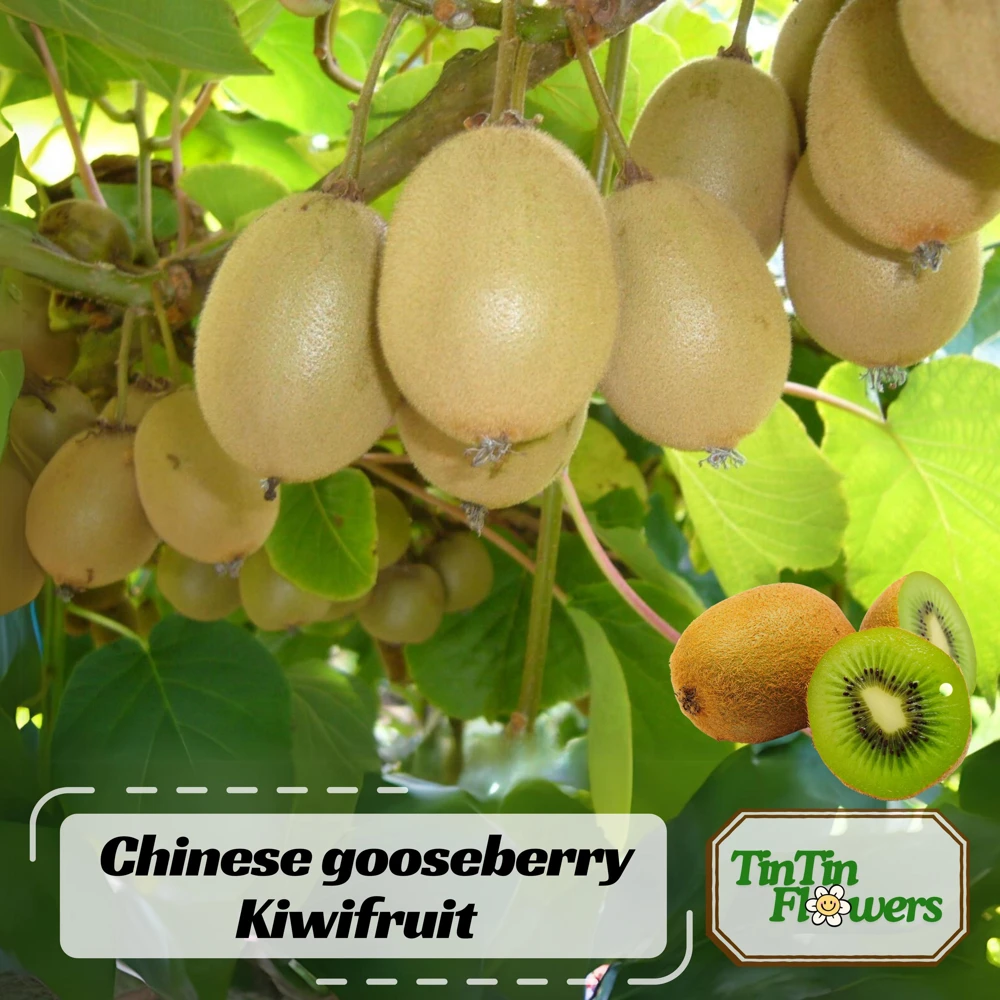
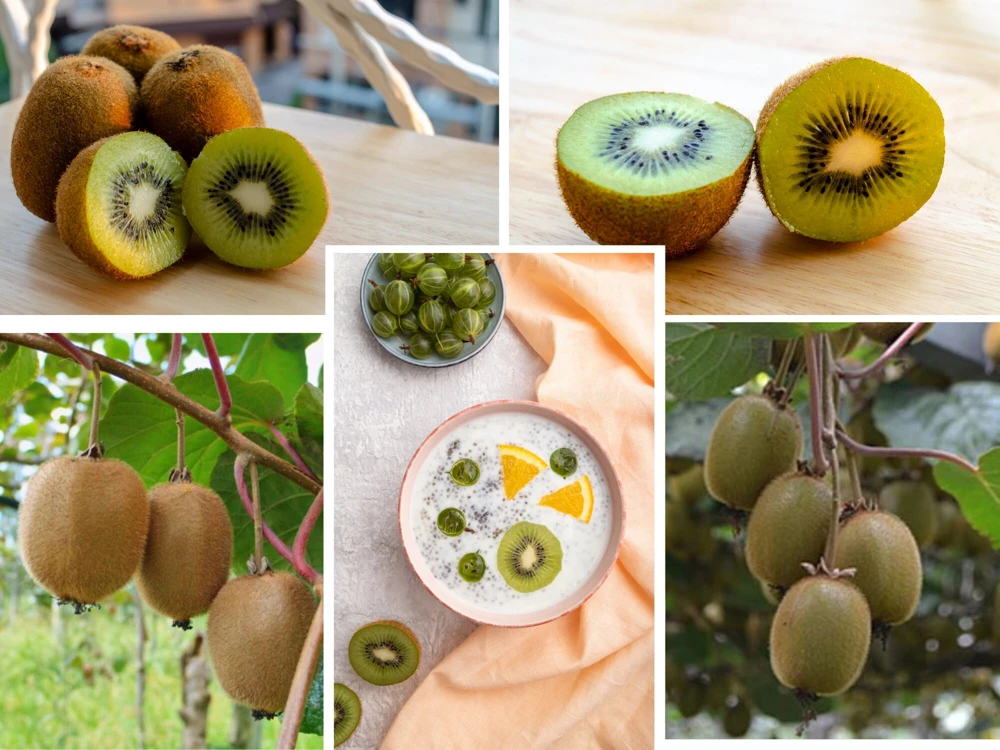
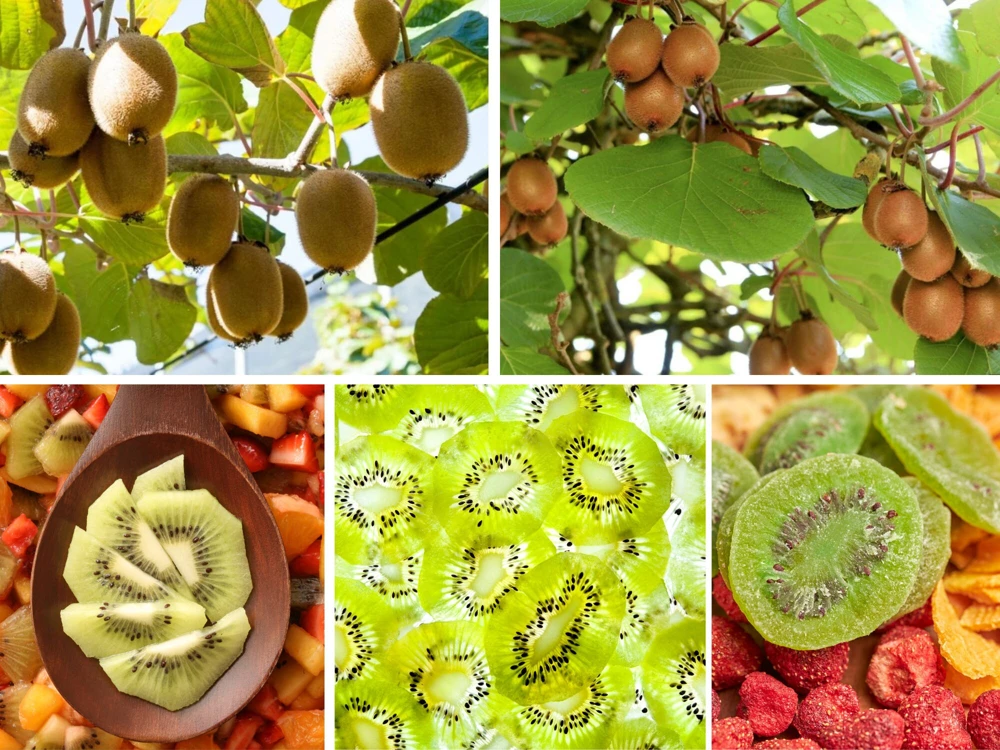
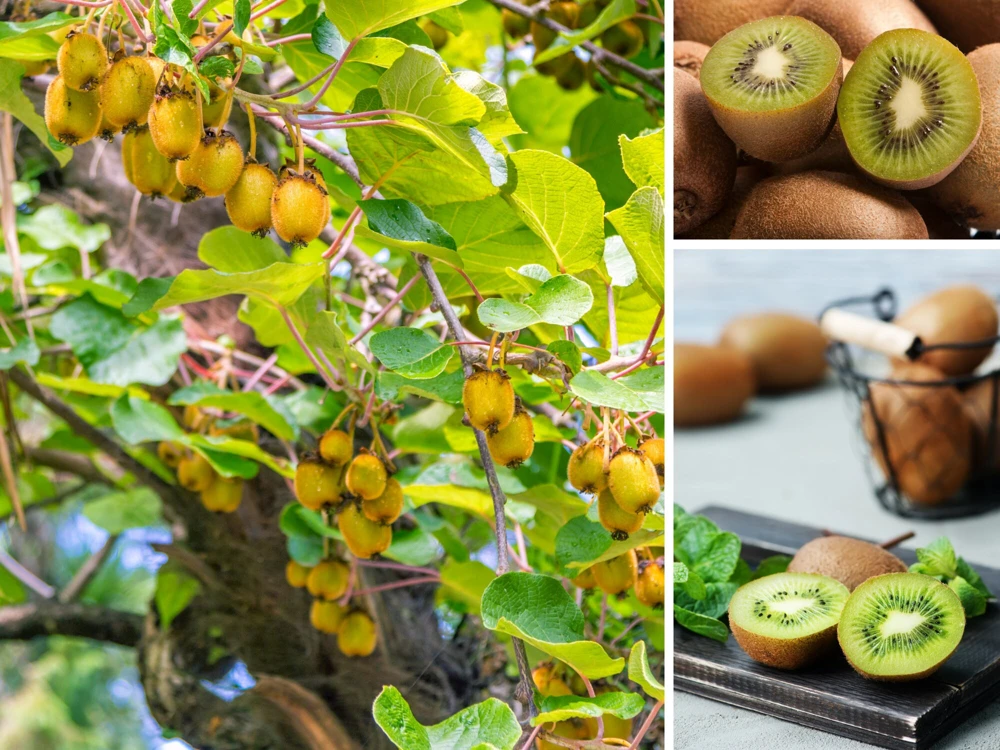
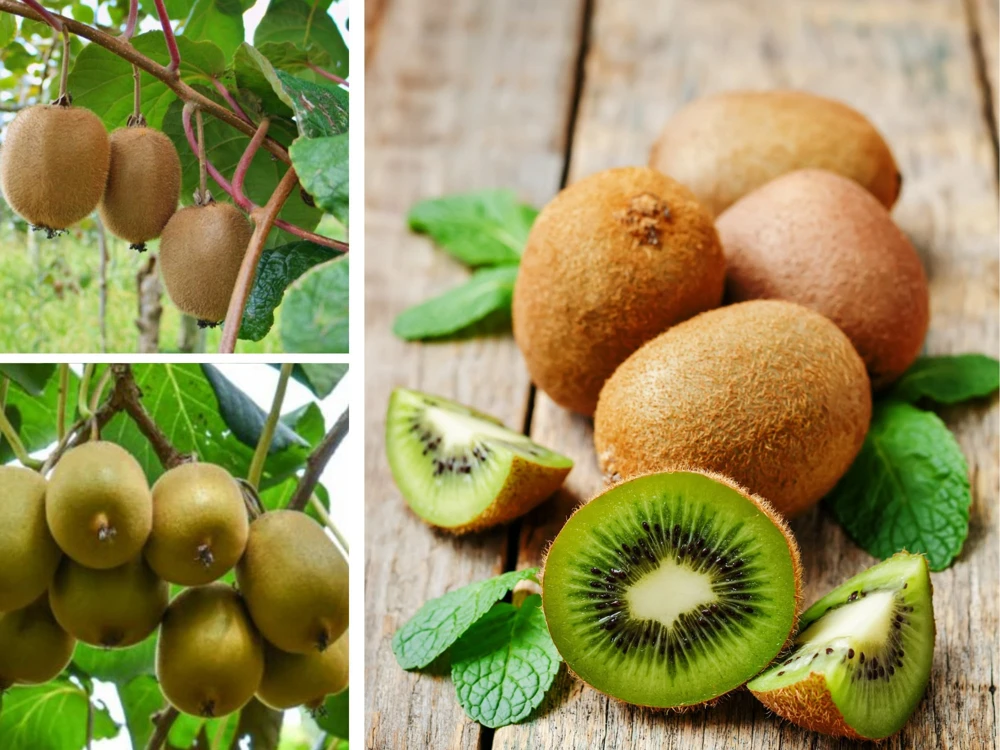
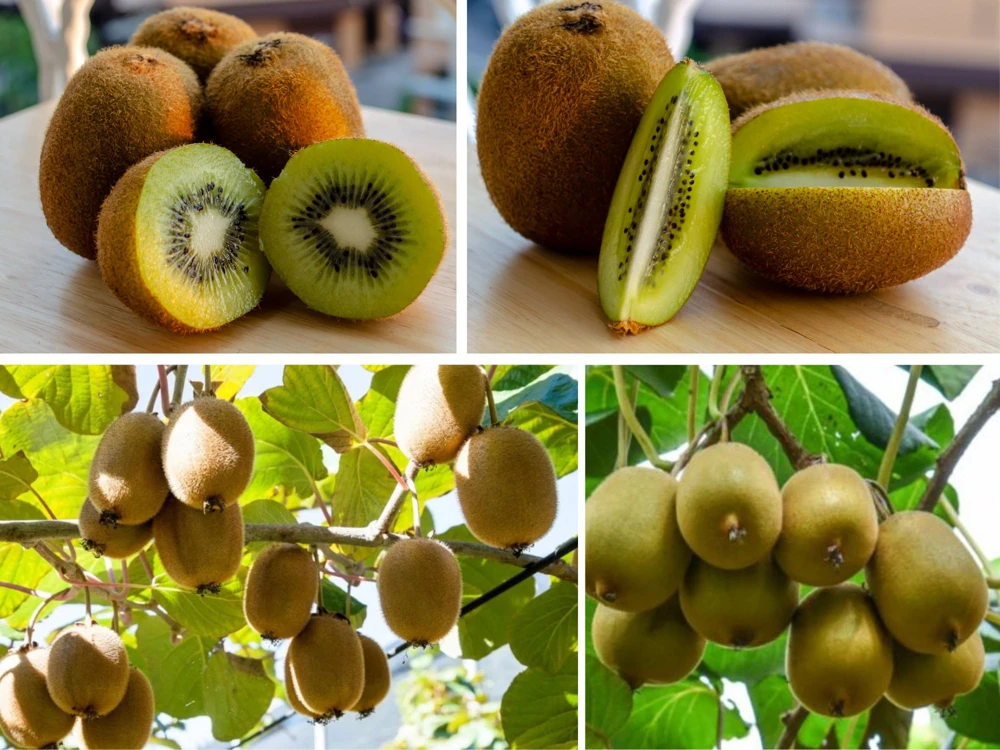
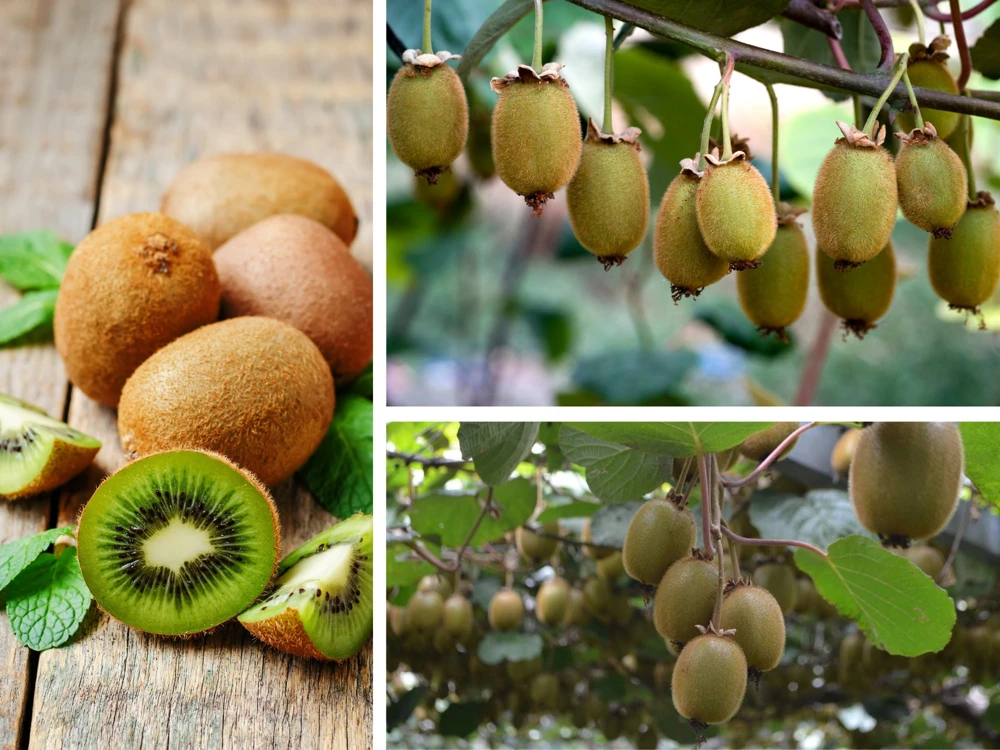
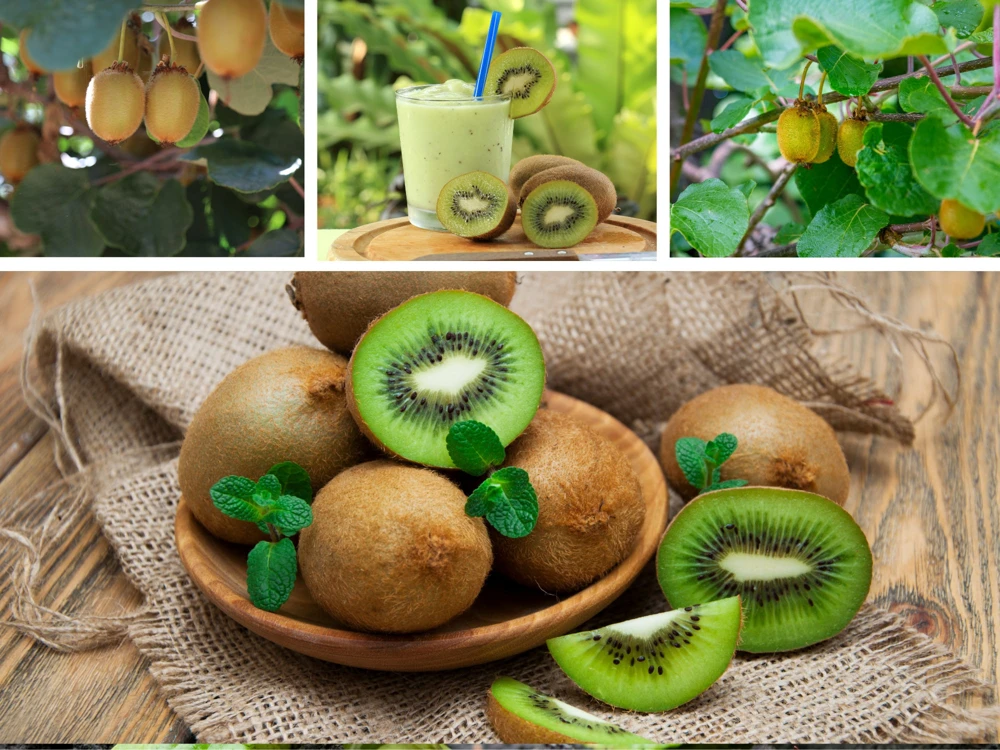
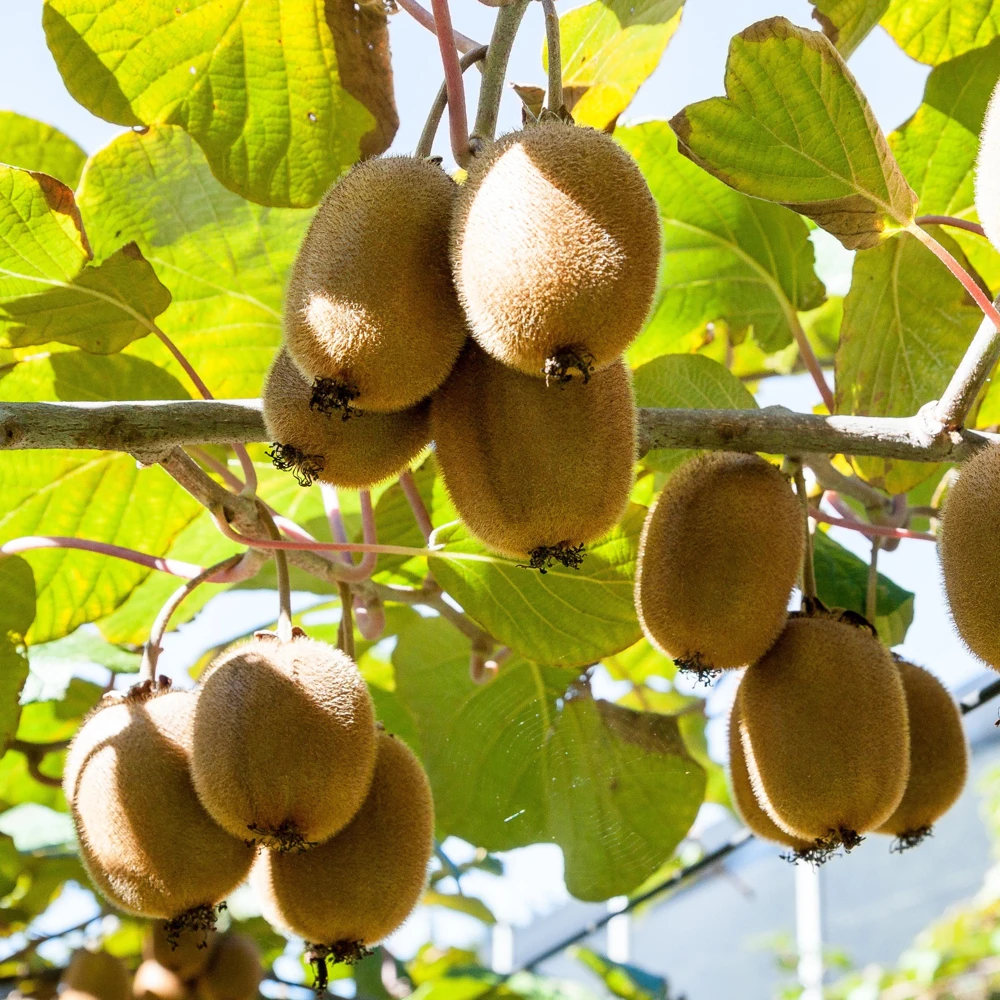
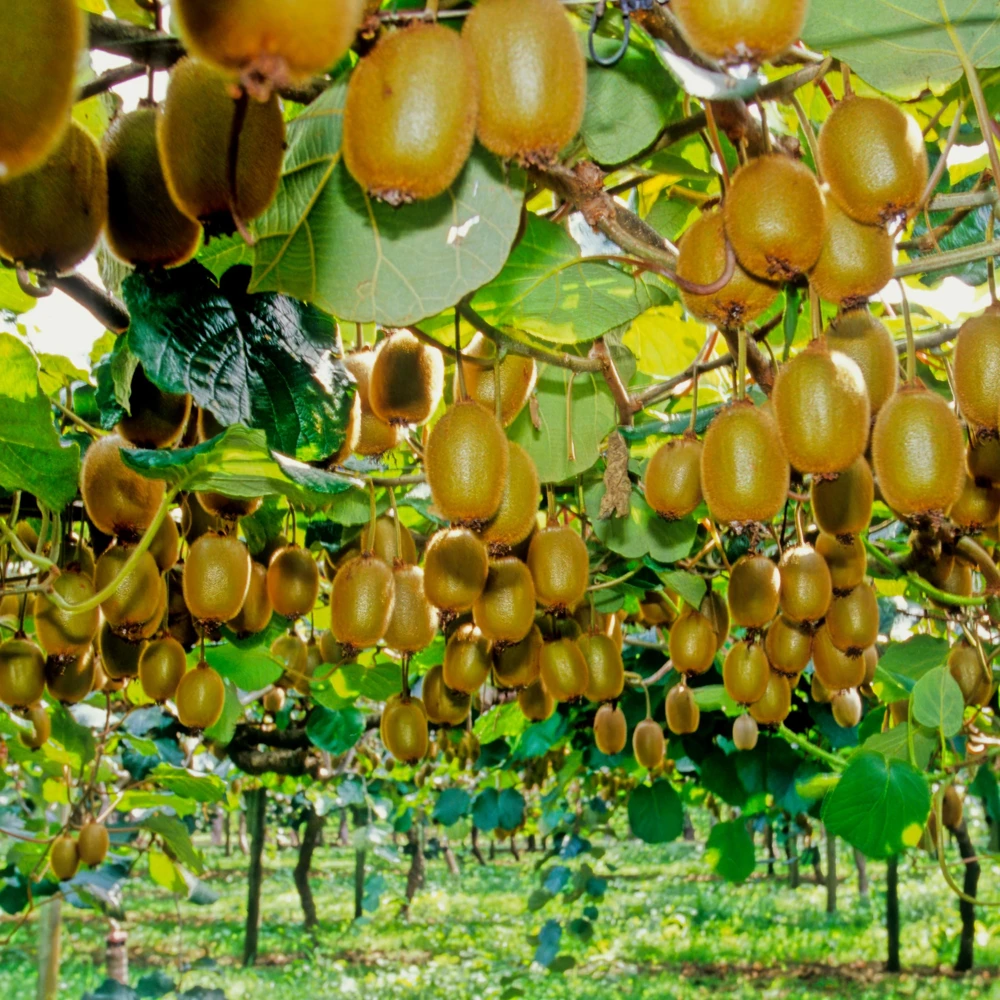
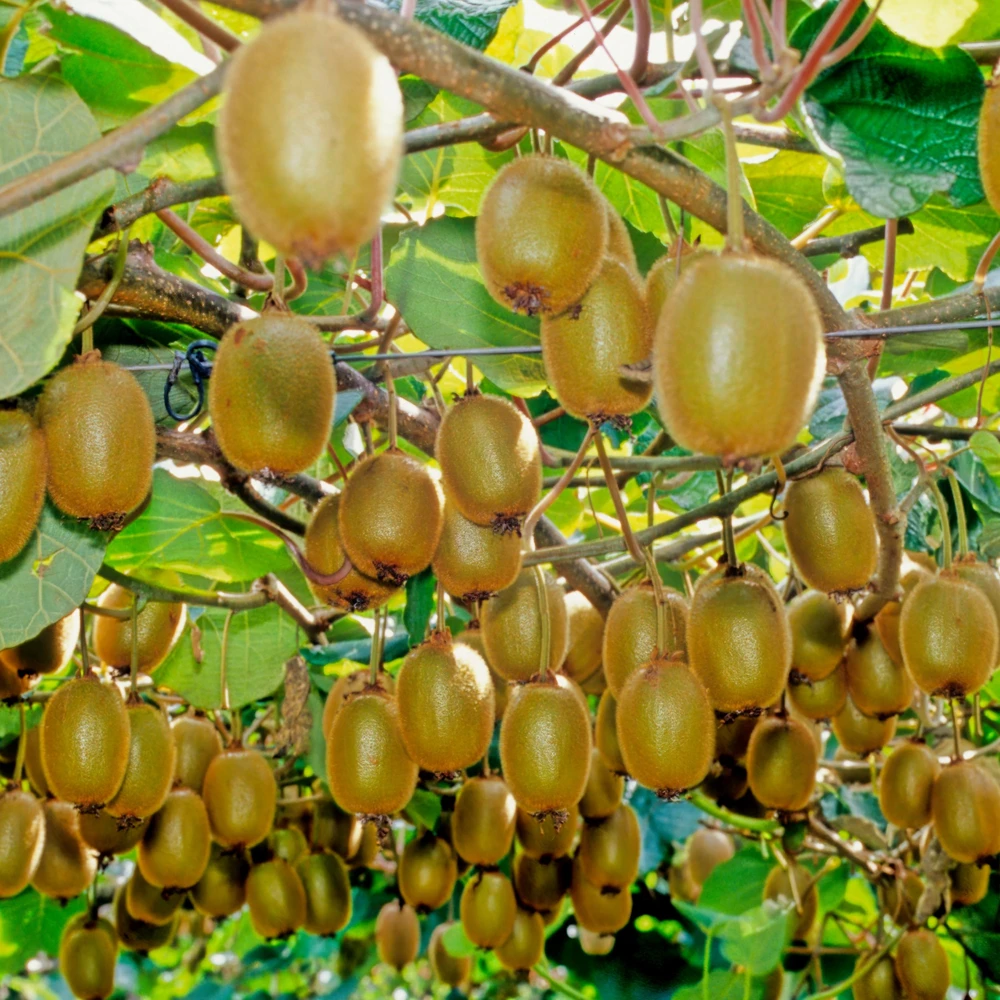
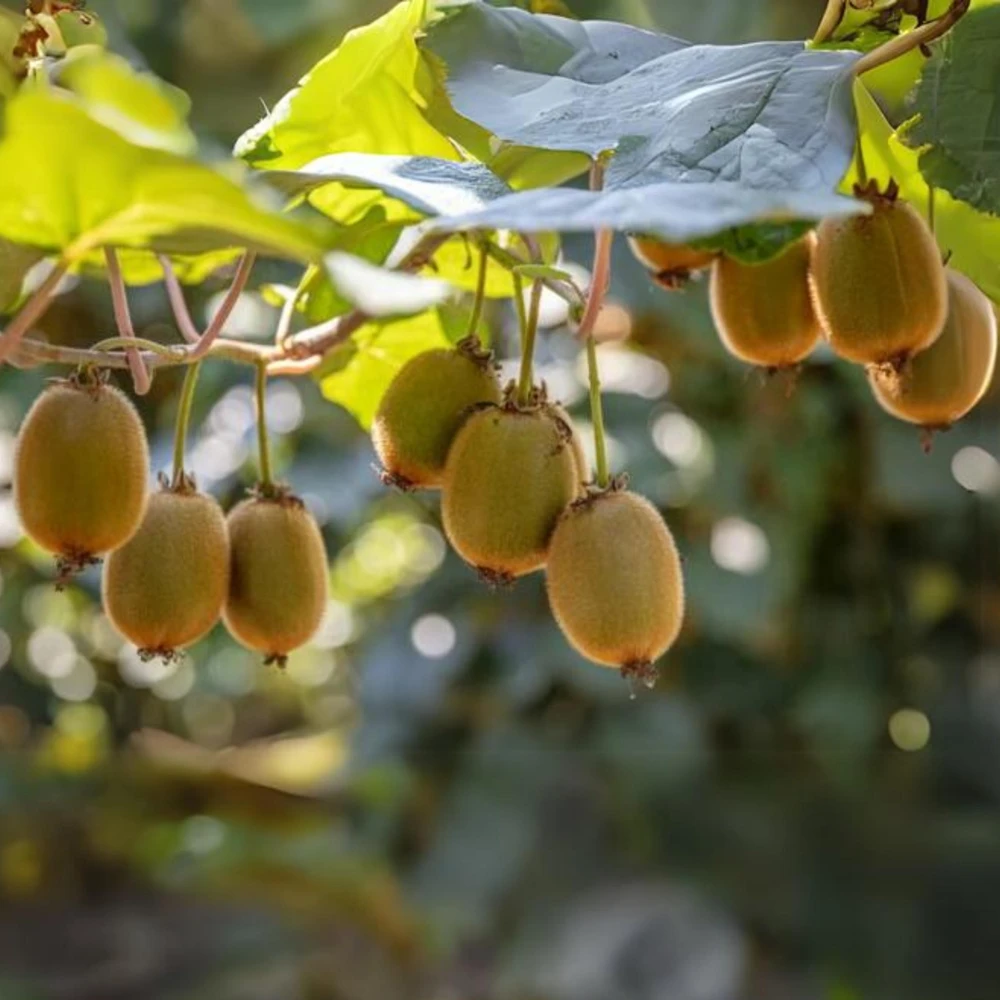
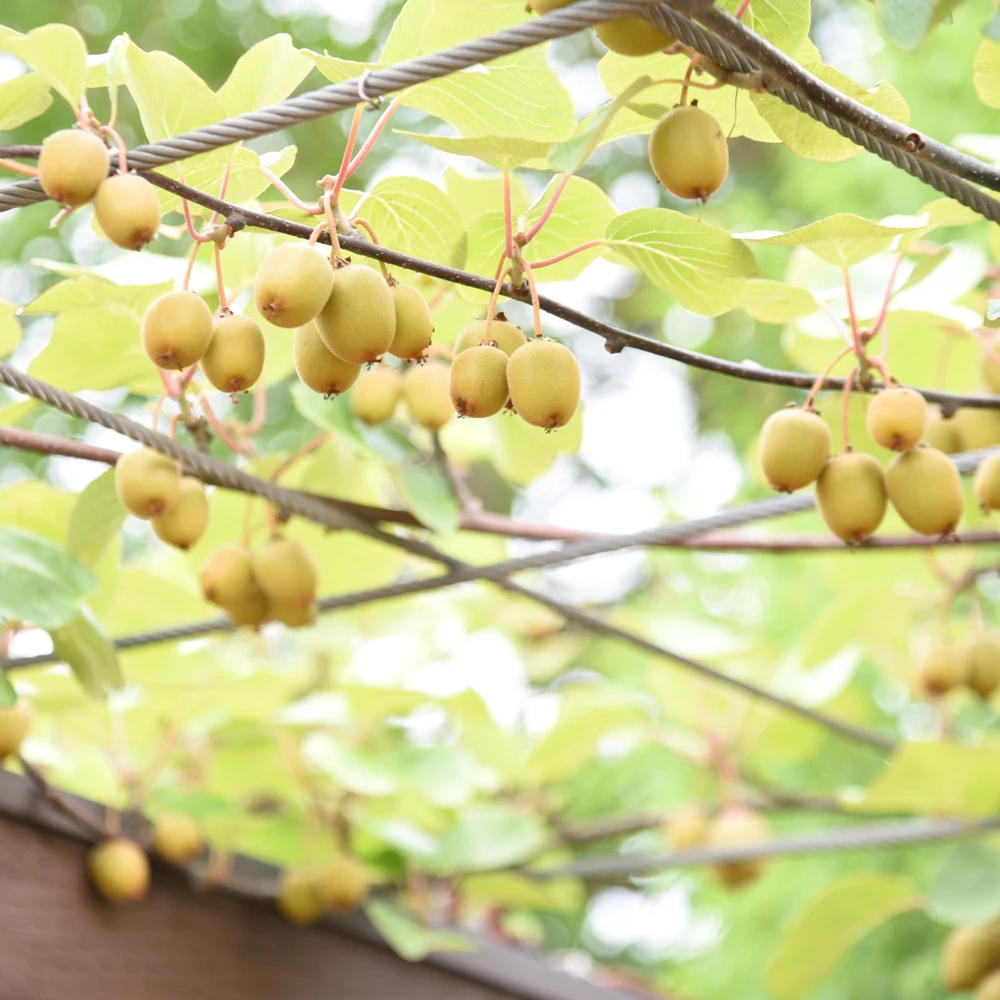
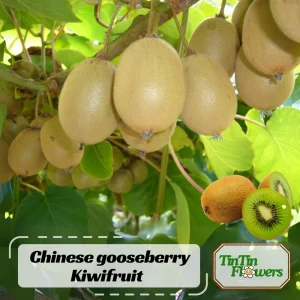
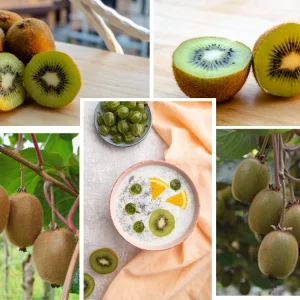
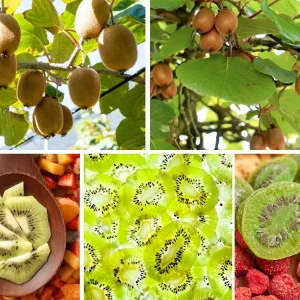
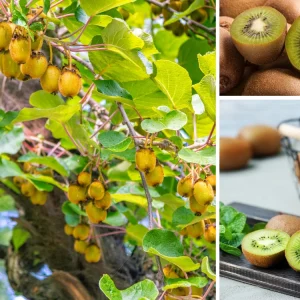
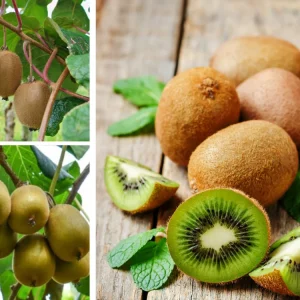
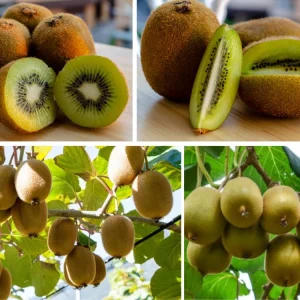
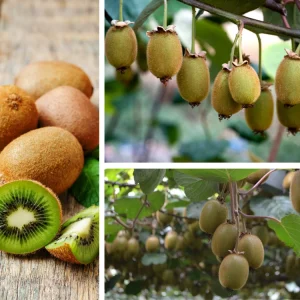
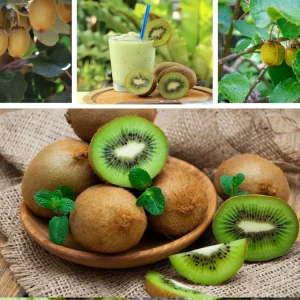
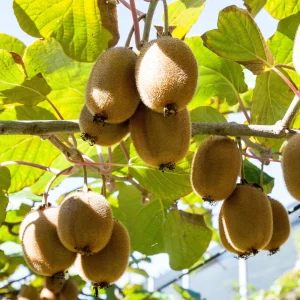
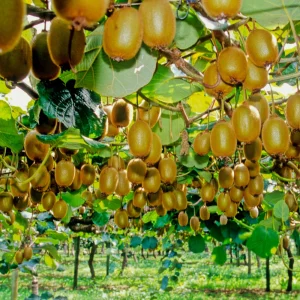
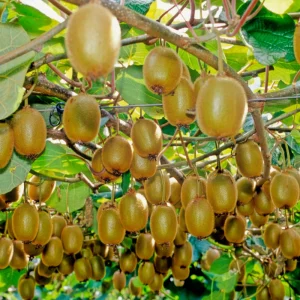
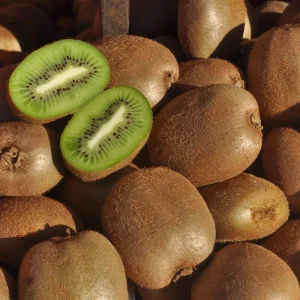
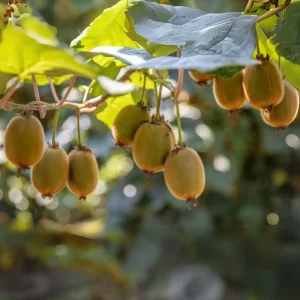
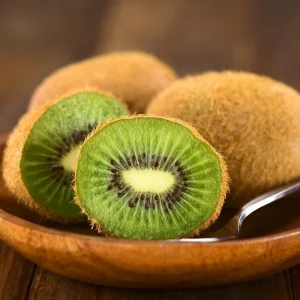
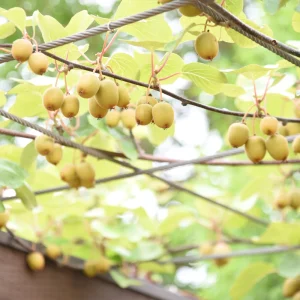
Embark on a rewarding gardening journey by cultivating your very own delicious kiwi fruit with these authentic kiwi fruit seeds. Known botanically as Actinidia deliciosa, the Chinese Gooseberry is a rapidly growing, woody deciduous climbing vine that produces the popular, vitamin C-rich fruit we know as kiwi. These chinese gooseberry seeds offer a fantastic opportunity for garden enthusiasts to enjoy fresh, homegrown kiwis right from their backyard. The vine’s vigorous growth makes it an excellent choice for adding lush greenery and a bountiful harvest to trellises, arbors, fences, or walls, transforming any garden space into a productive paradise. With proper care and patience, you can witness the transformation from a tiny seed to a thriving vine laden with flavorful fruit, providing a truly unique and satisfying gardening experience.
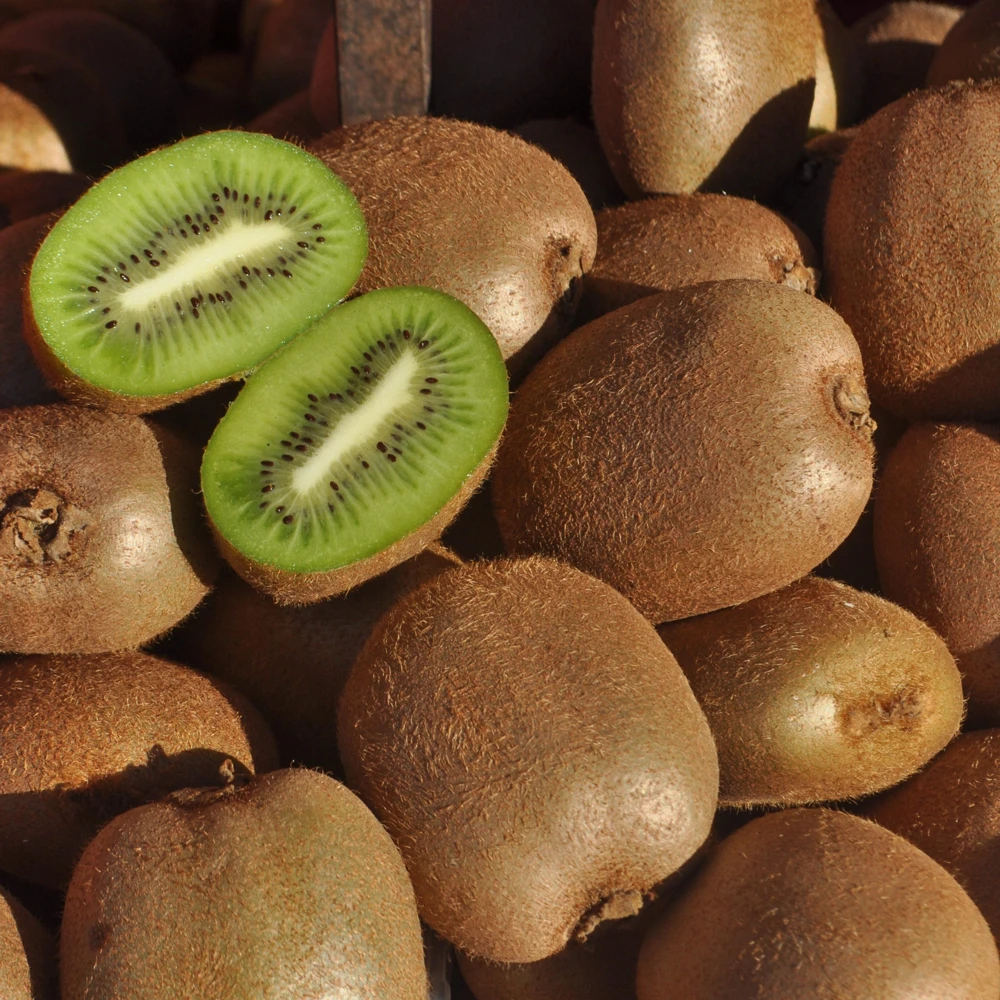
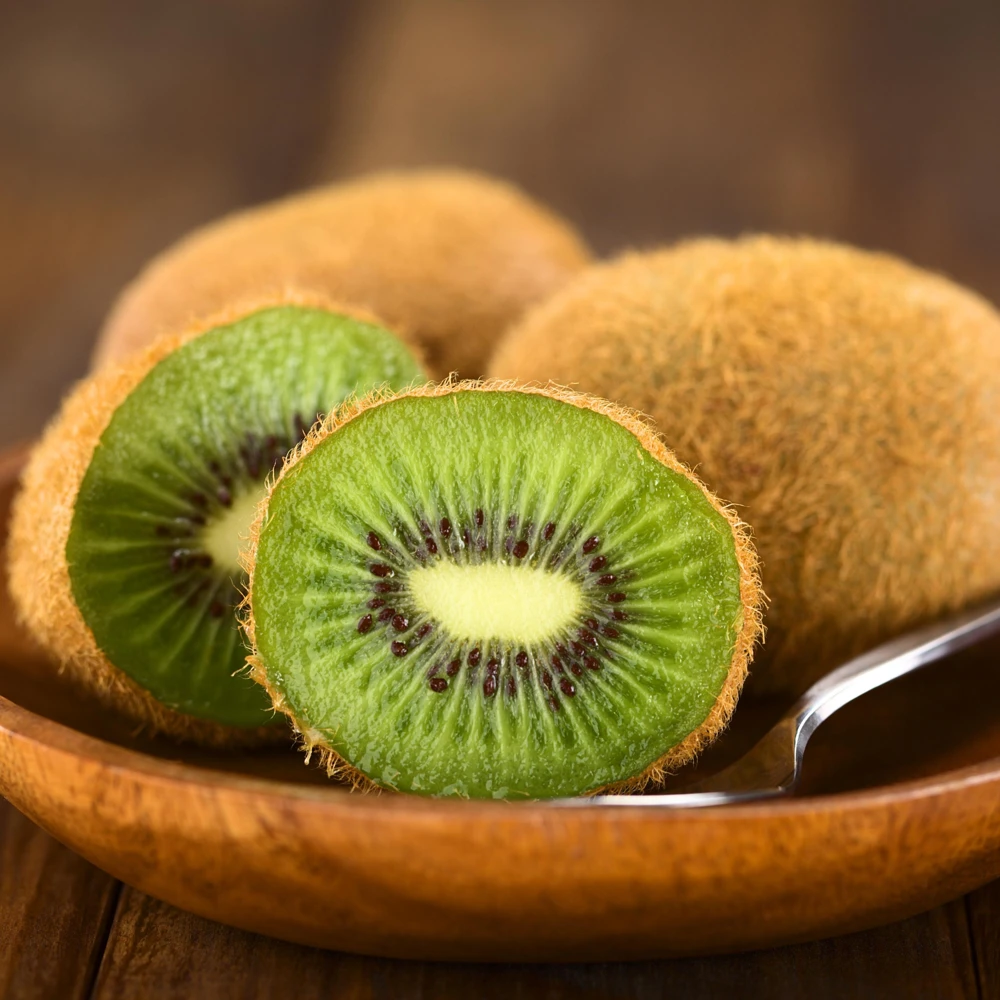
The kiwi fruit seeds provided are designed to help you start your own vibrant kiwi patch. This perennial plant is known for its ability to thrive in various soil and pH conditions, though it prefers moist, loamy, neutral, and well-drained soil for optimal growth. While it can produce fruit in both full sun and semi-shade, the best and most abundant fruit production is achieved when the vine receives ample sunlight. Growing your own kiwi vine seeds allows you to control the cultivation process, ensuring organic and fresh produce. Imagine plucking a perfectly ripe kiwi, soft under pressure, directly from your garden – a taste experience far superior to store-bought varieties. These seeds are your first step towards achieving that delightful goal, bringing the exotic appeal and health benefits of kiwi fruit directly to your home.
Key Benefits
Growing your own kiwi fruit from seeds offers a multitude of benefits, both for your garden and your lifestyle. These kiwi fruit seeds allow you to cultivate a robust vine that not only provides delicious fruit but also enhances your outdoor space with its lush foliage. Here are some key advantages:
- Fresh, Organic Produce: By growing your own kiwi fruit, you ensure a supply of fresh, organic fruit free from pesticides and chemicals, offering a healthier option for your family.
- Rich in Vitamin C: Kiwi fruit is renowned for its high vitamin C content, boosting your immune system and overall health. Having a fresh supply readily available is a significant advantage.
- Attractive Garden Feature: The rapidly growing vine of the Chinese Gooseberry makes a beautiful addition to any garden, providing dense foliage and a tropical aesthetic when trained on trellises or arbors.
- Rewarding Gardening Experience: From sprouting the tiny actinidia deliciosa seeds to harvesting the ripe fruit, the entire process is incredibly rewarding for any gardener, fostering a deeper connection with nature.
- Edible Leaves: Both the leaves and fruit of the Chinese Gooseberry are edible, offering versatility in culinary uses and adding an extra dimension to your home garden.
- Economic and Sustainable: Producing your own fruit reduces reliance on store-bought produce, saving money and contributing to a more sustainable lifestyle.
- Educational for Families: Growing kiwi fruit seeds can be an excellent educational project for children, teaching them about plant life cycles, healthy eating, and the joy of gardening.
Plant Care & Growing Tips
Successful cultivation of kiwi fruit seeds requires specific attention to several key factors, from germination to ongoing vine maintenance. The journey begins with careful seed preparation. First, soak the chinese gooseberry seeds in water, rinsing them several times a day for seven days. This helps to break down dormancy. Following this, mix the seeds with moist sand and cold stratify them in the refrigerator for at least 30 days. This mimics natural winter conditions and promotes germination. Once stratified, ideally start the seeds indoors. Sow them no deeper than 1/8 inch deep in a well-draining, sterile starting mix. Keep the soil moist but not waterlogged. Covering the pot or container with plastic wrap helps maintain humidity, and placing it in full to partial shade is recommended for germination. The more sun the seedlings receive after germination, the better their growth will be. Once germinated, remove the plastic wrap. When the seedlings reach a few inches in height, add a thin layer of clean sand to the top of the soil to prevent damping-off.
As your kiwi vine seeds develop, they will require further care. When the seedlings grow four true leaves, it’s time to transplant each plant into an individual pot or container. If you plan to move them outdoors, it’s crucial to harden them off gradually. Slowly introduce the plants to outdoor conditions over the course of a week, allowing them to acclimate to the elements. You can then transplant them to a prepared site after the threat of frost has passed. Kiwi fruits typically mature in October. For optimal fruit production, the vine prefers moist, loamy, neutral, and well-drained soil. Full sun exposure is best, though semi-shade can also yield fruit. Remember, kiwi plants are dioecious, meaning they have separate male and female flowers. To ensure pollination and fruit production, you will need both male and female plants. It’s recommended to grow several plants, as the sex of the plant can only be identified once they bloom. Once the sex is determined, a ratio of one male plant per eight to nine female plants is ideal for effective pollination by bees and insects.
Pruning is another important aspect of caring for your kiwi vine. Flower buds emerge from last year’s stems, so pruning in the fall or winter is generally discouraged to avoid removing potential fruit-bearing wood. Focus on structural pruning and removing dead or diseased branches during the dormant season. Keep an eye out for common pests and diseases, addressing them promptly to maintain plant health. Adequate watering, especially during dry spells and fruit development, is crucial for a good harvest. With these detailed growing instructions and consistent care, your grow kiwi fruit project will be a success, providing you with a bountiful supply of delicious, homegrown kiwis for years to come.
Size & Details
This product includes a pack of kiwi fruit seeds, offering you the opportunity to cultivate your own Chinese Gooseberry vines. Each pack contains 20 seeds, providing ample opportunity to establish a healthy number of vines for optimal fruit production. The Chinese Gooseberry is a rapidly growing woody deciduous climbing vine. When mature, these vines can reach significant lengths, making them ideal for covering large trellises, arbors, or fences. The seeds will grow into plants that typically produce fruit in October, though the exact timing can vary based on climate and growing conditions. Expect a vigorous growth rate, allowing the vine to quickly establish itself and begin producing its edible, vitamin C-rich fruits. The seeds are shipped in a protective packet to ensure their viability upon arrival, ready for you to begin the stratification and planting process. Remember that kiwi vines require both male and female plants for fruit production, so planting multiple seeds increases your chances of having both sexes.
Frequently Asked Questions
- Q: How many kiwi fruit seeds are included in one pack? A: Each pack contains 20 kiwi fruit seeds, providing a good number of seeds to start your kiwi cultivation project.
- Q: Is this an indoor or outdoor plant? A: The Chinese Gooseberry vine is primarily an outdoor plant, best suited for growing on trellises, arbors, or fences where it can receive full sun to partial shade. While young seedlings can be started indoors, the mature plant thrives outdoors.
- Q: How much sunlight does the kiwi vine need? A: For the best fruit production, the kiwi vine prefers full sun exposure. It can tolerate semi-shade, but fruit yield may be reduced.
- Q: What condition will the seeds arrive in? A: The kiwi fruit seeds will arrive in a sealed packet, ready for you to begin the stratification and planting process as outlined in the growing instructions.
- Q: How long does it take for the kiwi plant to produce fruit? A: Kiwi vines typically begin to produce fruit several years after planting, usually maturing in October. Patience is key as the vine establishes itself.
- Q: Do I need more than one plant to get fruit? A: Yes, kiwi vines are dioecious, meaning you need both male and female plants for pollination and fruit production. It is recommended to plant several kiwi vine seeds to increase your chances of having both sexes.
- Q: What kind of soil is best for growing chinese gooseberry seeds? A: The kiwi vine prefers moist, loamy, neutral, and well-drained soil. It can adapt to a variety of soil and pH conditions, but these are ideal for optimal growth.
- Q: Can I really grow kiwi fruit from these seeds? A: Yes, with proper stratification, care, and patience, you can successfully grow delicious kiwi fruit from these authentic seeds.
- Q: What USDA hardiness zones are suitable for kiwi plants? A: Kiwi vines are generally hardy and can thrive in a range of USDA zones, often doing well in zones 4-9, depending on the specific variety and winter protection.
- Q: How tall do these kiwi vines get? A: Kiwi vines are vigorous climbers and can grow quite long, often reaching lengths of 15-20 feet or more when mature and provided with adequate support.


Reviews
There are no reviews yet.