Overview
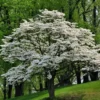
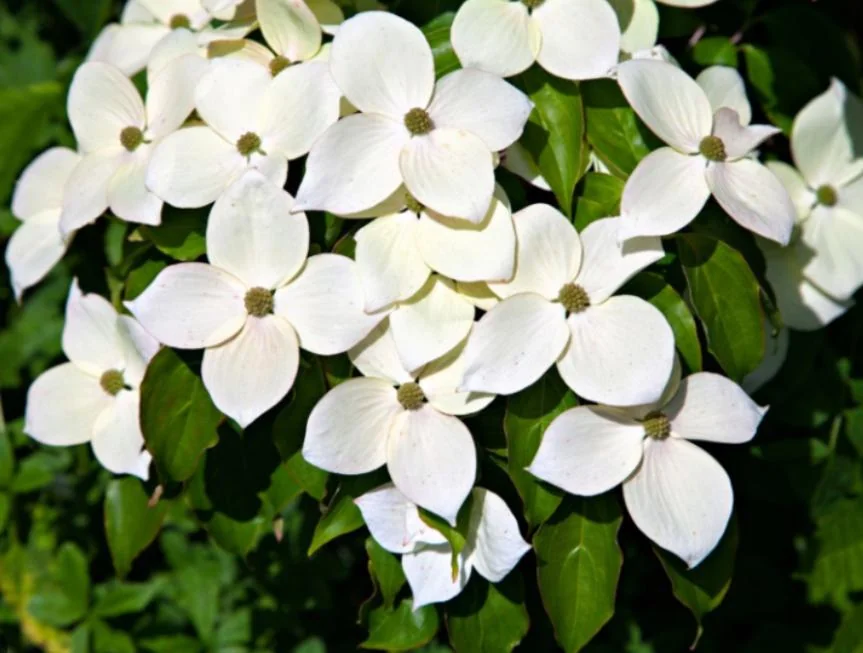
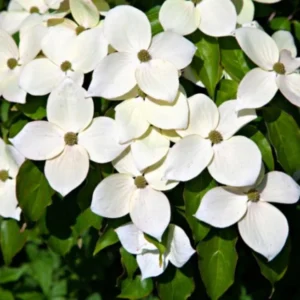
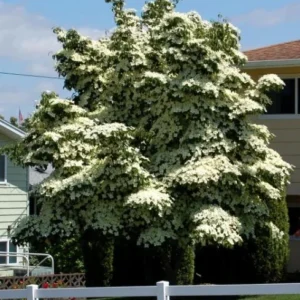
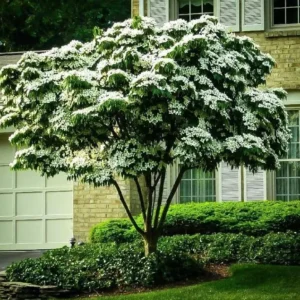
Introduce a touch of timeless elegance and dynamic visual interest to your landscape with the Kousa Japanese Dogwood tree. This distinguished ornamental tree, scientifically known as Cornus kousa, is celebrated for its exceptional four-season appeal. From its striking white, star-shaped bracts that appear in late spring or early summer, to its unique layered branching structure, and vibrant autumn foliage, this Kousa Japanese Dogwood tree promises to be a focal point in any garden. Originating from Japan, Korea, and China, the Kousa Japanese Dogwood tree is a robust and resilient specimen, offering beauty and charm throughout the year. Whether you’re enhancing a large estate or a cozy urban garden, this tree’s adaptability and visual allure make it a highly favored choice among gardeners and landscape designers alike.
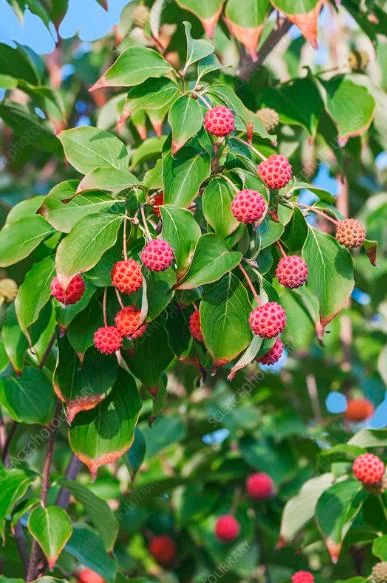
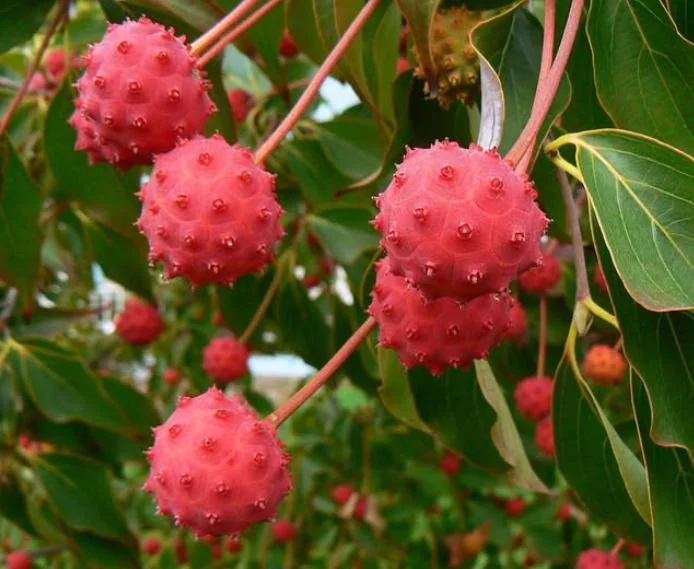
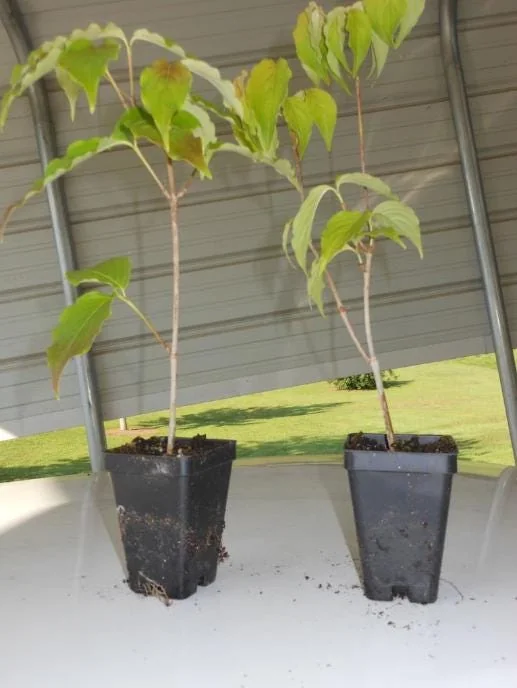
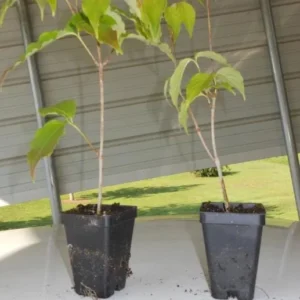
The Kousa Japanese Dogwood tree in a 1 quart pot and standing 12-18″ tall provides an excellent starting point for establishing this magnificent species in your outdoor space. Known for its graceful habit and relatively low maintenance once established, it’s an ideal option for those seeking a sophisticated yet manageable addition. The tree’s distinct features, including its red, edible fruits in late summer, further enhance its appeal, attracting local wildlife and adding another layer of charm. This particular offering ensures a healthy, well-rooted specimen ready for planting, contributing to a thriving and aesthetically pleasing garden environment.
Key Benefits
The Kousa Japanese Dogwood tree offers a multitude of benefits, making it a valuable investment for any landscape. Its robust nature and captivating appearance ensure year-round enjoyment and ecological advantages, truly embodying the essence of a four season interest tree.
- Four-Season Visual Interest: Enjoy stunning white, star-shaped blooms in late spring, attractive green foliage in summer, vibrant red and purple autumn colors, and an interesting bark texture in winter. This constant change ensures your garden remains captivating throughout the year, truly embodying the essence of a four season interest tree.
- Showy White Blooms: The tree produces prolific white to pinkish bracts that create a spectacular display, often lasting for several weeks, adding a bright and elegant touch to your garden when many other plants have finished blooming. This white blooming tree is a standout specimen.
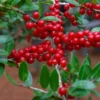
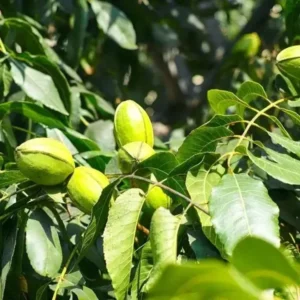
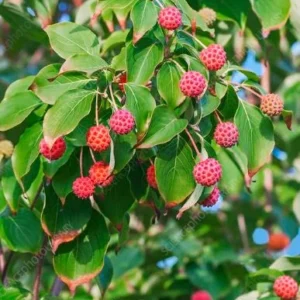
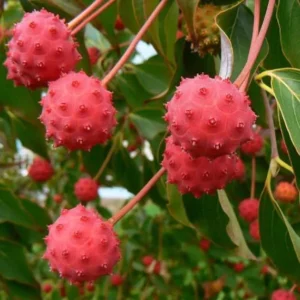
- Edible Red Fruits: In late summer, the tree develops unique, raspberry-like red fruits that are not only ornamental but also edible. These fruits attract birds and other wildlife, enhancing your garden’s biodiversity.
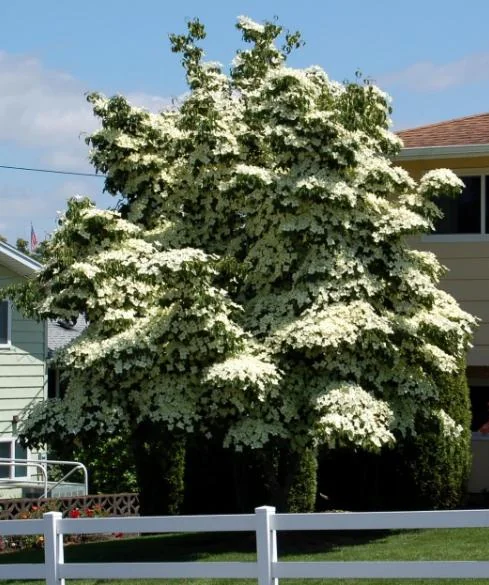
- Attractive Branching Structure: The layered, horizontal branching habit of the Cornus kousa plant provides architectural interest, especially noticeable in winter when devoid of leaves.
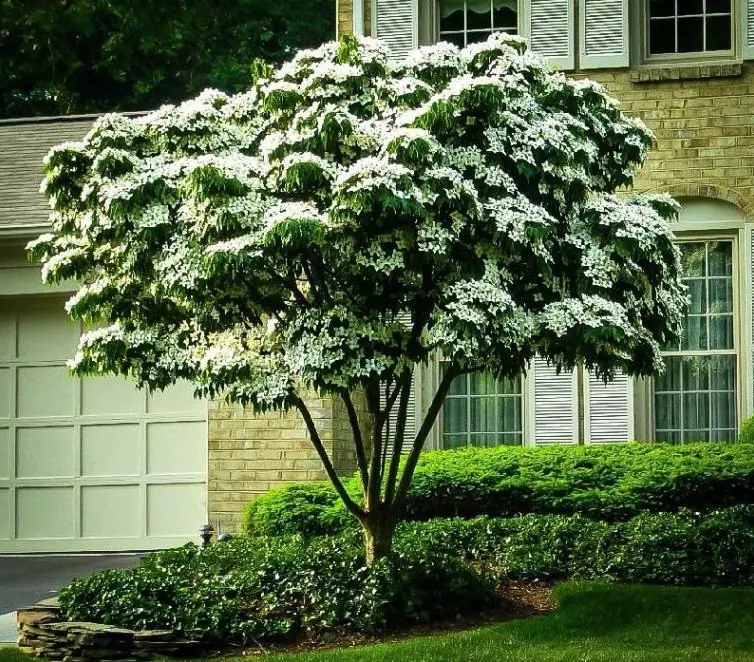
- Versatile Landscaping: Ideal for ornamental landscaping, wildlife gardens, urban settings, and small yards due to its manageable size and elegant form. It’s an excellent choice for a specimen tree or as part of a mixed border, making it a truly versatile ornamental dogwood tree.
- Disease Resistance: Compared to its cousin, Cornus florida, the Kousa Dogwood is more resistant to common dogwood diseases, making it a more reliable and low-maintenance choice for many regions.
- Adaptable to Various Conditions: Tolerates a range of soil types and sunlight exposures, from full sun to partial shade, making it a flexible option for different garden environments.
Plant Care & Growing Tips
Caring for your Kousa Japanese Dogwood tree involves understanding its specific needs to ensure healthy growth and abundant blooms. This resilient tree thrives with proper attention to its environmental conditions and ongoing maintenance. For optimal growth, plant your Cornus kousa plant in early spring or fall when temperatures are mild, allowing the roots to establish before extreme heat or cold. Spacing is crucial; ensure you plant it 15-20 feet apart from other structures or plants to accommodate its mature canopy spread.
When it comes to sunlight, the Kousa Dogwood prefers full sun to partial shade. While it tolerates more sun than other dogwood varieties, some afternoon shade is beneficial, especially in hotter climates, to protect its foliage from scorching. Soil requirements are straightforward: it thrives in moist, well-drained soil rich in organic matter. An acidic to neutral pH (5.5–7.0) is ideal. Amending heavy clay soils with compost before planting will improve drainage and fertility. Watering is critical during the first growing season; keep the soil evenly moist but not waterlogged. Once established, the tree becomes more drought-tolerant, but supplemental watering during extended dry periods will promote better health and flowering. Fertilize in early spring with a balanced, slow-release granular fertilizer formulated for trees and shrubs, following the product instructions.
The Kousa Japanese Dogwood tree is hardy in USDA zones 5–8, making it suitable for a wide range of temperate climates. Pruning should primarily focus on removing dead, damaged, or diseased branches. You can also prune to maintain its shape or improve air circulation, ideally in late winter or early spring before new growth emerges. While generally disease-resistant, keep an eye out for common pests like aphids or scale insects and address them with appropriate horticultural solutions. Proper care will ensure your white blooming tree remains a stunning feature in your garden for many years, providing a wonderful four season interest tree.
Size & Details
This offering is for one Kousa Japanese Dogwood tree, a live plant carefully grown to be 12-18″ tall from the top of the soil line. It arrives actively growing in a 1 quart nursery pot, providing a well-established root system ready for transplanting into your garden. The 1 quart pot size is ideal for young trees, making them easy to handle and acclimate to their new environment. While initial growth may focus on root development, expect this ornamental dogwood tree to gradually increase in size, eventually reaching a mature height of 15-25 feet with a similar spread, forming its characteristic layered canopy. The growth rate is moderate, typically adding about 1-2 feet per year under optimal conditions.
The Cornus kousa plant is shipped in its nursery pot with soil, ensuring minimal shock during transit and providing a healthy start. This size is perfect for planting as a specimen tree, adding to a mixed border, or integrating into a wildlife garden. The tree will begin to exhibit its showy white blooms within a few years of planting, further enhancing its appeal as a four season interest tree. With proper care, this young tree will develop into a magnificent, mature specimen, gracing your landscape with its unique beauty.
Frequently Asked Questions
- Q: How big does this Kousa Japanese Dogwood tree grow? A: This Kousa Japanese Dogwood tree typically matures to a height of 15-25 feet with a similar spread. Its growth rate is moderate, adding 1-2 feet per year.
- Q: What size pot does this Cornus kousa plant come in? A: This live plant is shipped in a 1 quart nursery pot, ensuring a healthy root system and ease of planting upon arrival.
- Q: Is this an indoor or outdoor plant? A: The Kousa Japanese Dogwood tree is an outdoor plant, best suited for landscape planting where it can grow to its full potential. It is not suitable for long-term indoor cultivation.
- Q: How much sunlight does the ornamental dogwood tree need? A: This tree thrives in full sun to partial shade. In hotter climates, some afternoon shade is beneficial to prevent leaf scorch.
- Q: Is this plant easy to care for? A: Yes, once established, the Kousa Japanese Dogwood tree is relatively low-maintenance. It requires consistent watering during its first year but becomes more drought-tolerant thereafter. It’s a fantastic four season interest tree for many gardeners.
- Q: What condition will it arrive in? A: Your white blooming tree will arrive as a healthy, actively growing specimen in its nursery pot with soil, carefully packaged to minimize stress during shipping.
- Q: When is the best time to plant a Kousa Japanese Dogwood tree? A: The ideal times for planting are early spring or fall, when temperatures are mild, allowing the tree to establish its root system before extreme weather conditions.
- Q: What USDA zones is this tree hardy in? A: The Kousa Japanese Dogwood tree is hardy in USDA zones 5–8, making it suitable for a wide range of temperate climates across the United States.
- Q: Does this tree produce edible fruits? A: Yes, in late summer, the Kousa Japanese Dogwood produces unique, red, raspberry-like fruits that are indeed edible, though often enjoyed more by wildlife.
- Q: Is the four season interest tree deer resistant? A: While no plant is completely deer-proof, Kousa Dogwood is generally considered to be deer-resistant, making it a good choice for areas with deer populations.


Reviews
There are no reviews yet.