Overview
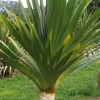
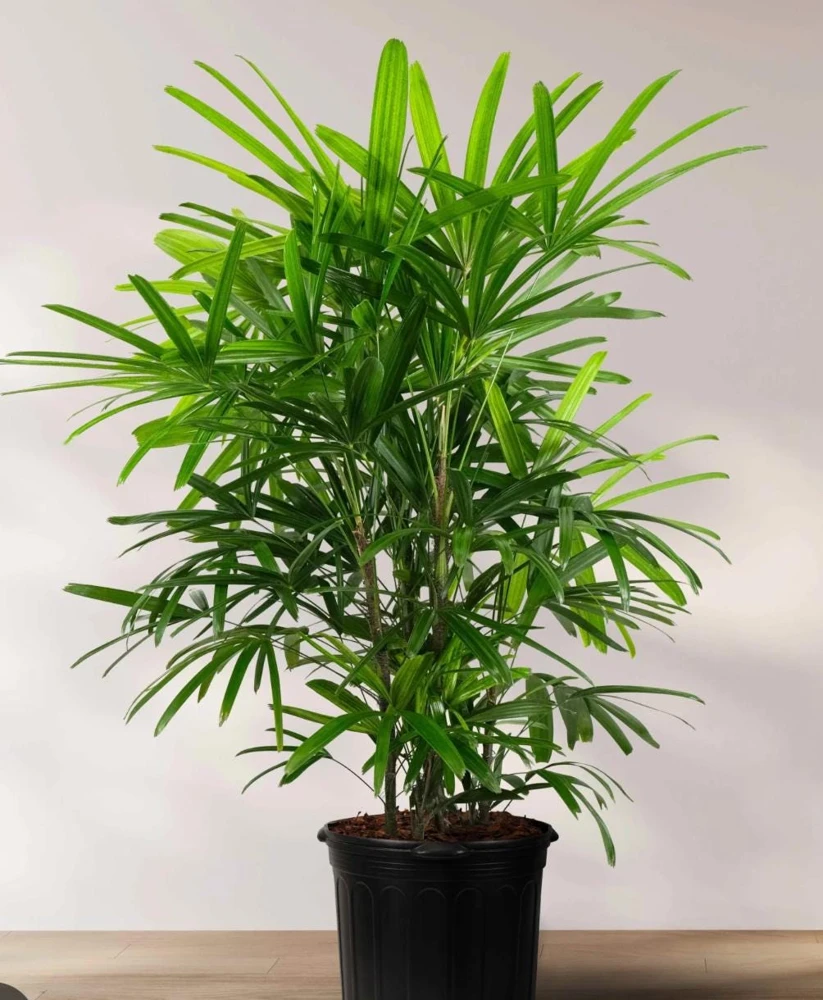
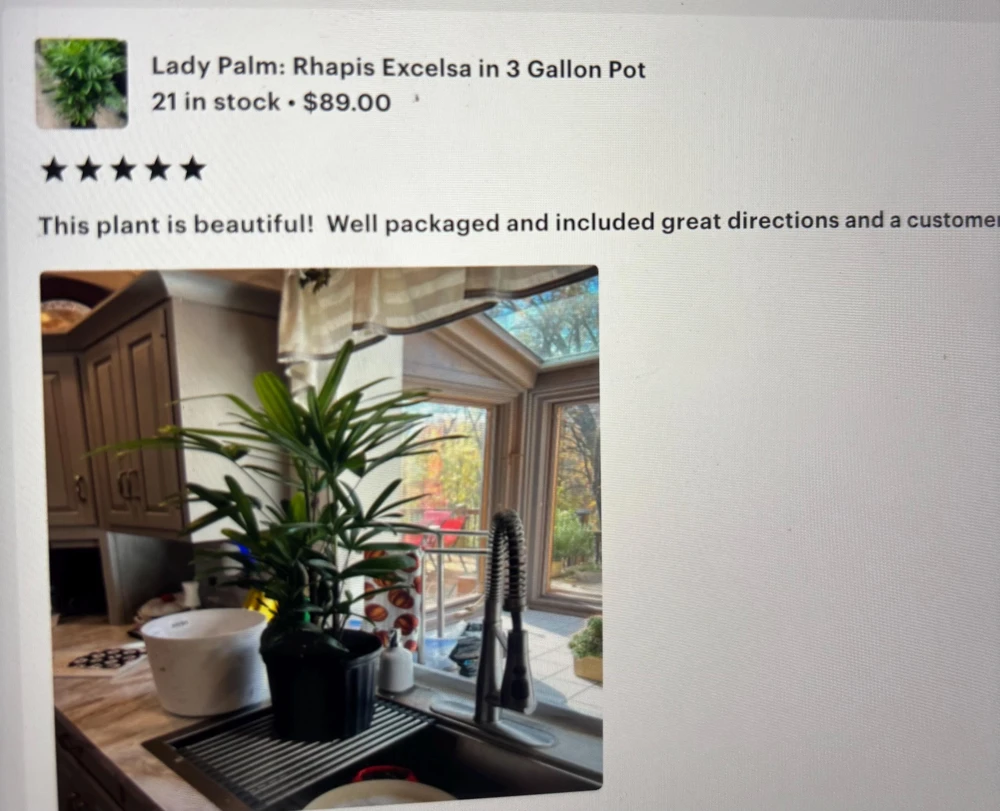
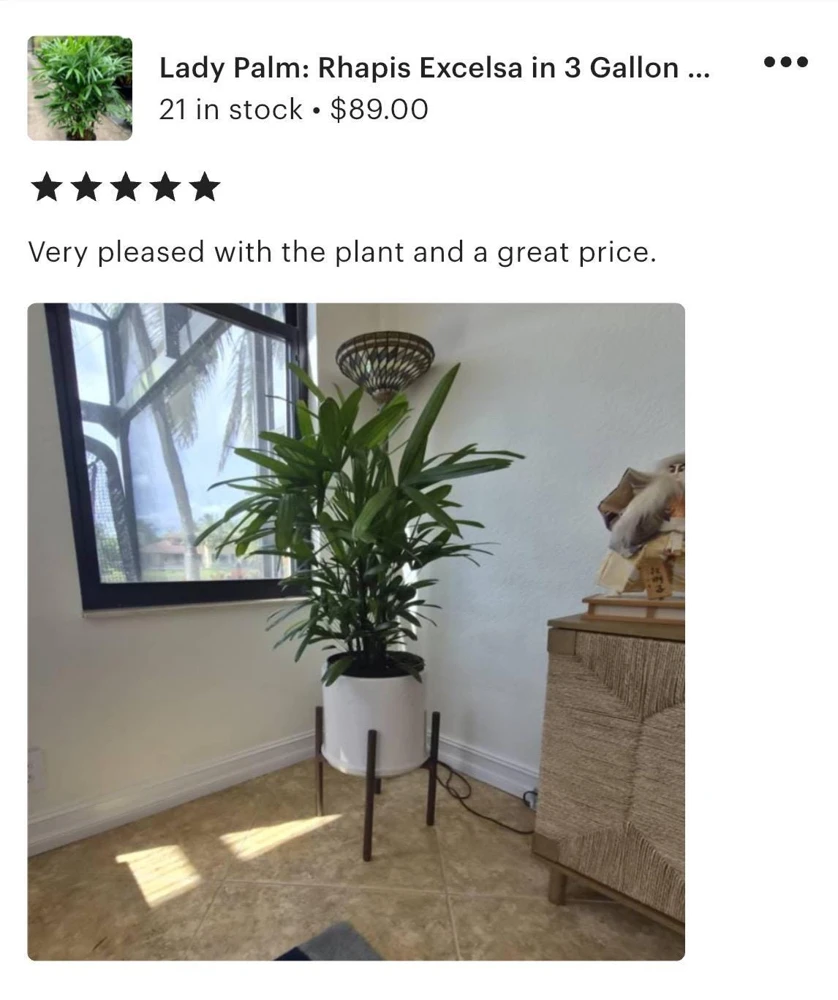
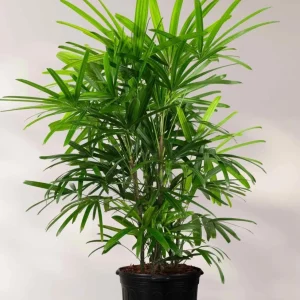
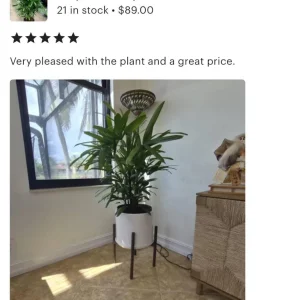
Elevate your indoor plant collection with the exquisite lady palm live plant, scientifically known as Rhapis excelsa. This stunning and versatile palm is a highly sought-after houseplant, celebrated for its unique aesthetic and remarkable adaptability. The lady palm live plant, often referred to as the Broadleaf Lady Palm, originates from Asia and is a slow-growing, multi-stemmed palm that gracefully adds a touch of tropical sophistication to any room. It features lush, dark green, fan-shaped leaves that are deeply divided into several segments, creating a dense and elegant canopy. Its slender, bamboo-like stems add to its charm, making it a focal point in both contemporary and traditional decor. This robust live plant is an excellent choice for both novice and experienced plant enthusiasts, offering enduring beauty with minimal fuss.
The rhapis excelsa care requirements are surprisingly straightforward, making it an ideal choice for busy individuals or those new to plant care. Its resilience to varying indoor conditions, especially its tolerance for lower light levels, sets it apart from many other tropical palms. Unlike some finicky houseplants, the Lady Palm is forgiving, thriving with consistent, yet not overly demanding, attention. Its ability to purify indoor air further enhances its appeal, contributing to a healthier living environment. This particular offering includes a well-established plant in a 3 gallon palm pot, ensuring a substantial and beautiful addition to your home from day one.
Key Benefits
The lady palm live plant offers a multitude of benefits that make it a superior choice for indoor gardening. Its aesthetic appeal combined with its practical advantages creates a valuable addition to any home or office environment.
- Exceptional Decorative Appeal: The Rhapis excelsa boasts striking, deep green, fan-shaped leaves and elegant, cane-like stems that provide a sophisticated tropical ambiance. It instantly enhances the visual appeal of any room, acting as a natural piece of living art. The dense foliage creates a lush, full appearance, perfect for filling empty corners or serving as a room divider.
- Low-Maintenance Care: This palm is remarkably easy to care for, making it suitable for beginners and busy individuals. Its forgiving nature means it doesn’t require constant attention, thriving with basic watering and occasional feeding, allowing you more time to enjoy its beauty. Understanding proper rhapis excelsa care ensures its longevity and vibrant appearance.
- Air Purification Qualities: The Lady Palm is recognized by NASA for its ability to filter airborne toxins, including formaldehyde, xylene, and ammonia, from indoor environments. This natural air purifier contributes to a healthier and fresher living space, improving overall air quality.
- Tolerance to Low Light: Unlike many tropical plants that demand bright, direct light, the broadleaf lady palm thrives in indirect and even lower light conditions. This makes it incredibly versatile for placement in various rooms, including those with limited natural light, expanding your options for indoor greenery.
- Pet-Friendly: A significant advantage for many plant owners, the Rhapis excelsa is generally considered non-toxic to pets, offering peace of mind for households with curious cats and dogs. Always supervise pets around plants, but this species is a safer choice.
- Slow-Growing and Manageable Size: Its slow growth rate ensures that the plant maintains a manageable size over time, reducing the need for frequent repotting or pruning. This makes it a long-term, stable addition to your indoor decor without quickly outgrowing its space. The plant comes in a substantial 3 gallon palm pot, providing a good foundation.
- Drought Tolerance: While it appreciates consistent moisture, the Lady Palm exhibits a degree of drought tolerance once established. This makes it more resilient to occasional missed waterings compared to more demanding houseplants, further simplifying its care routine.
Plant Care & Growing Tips
Caring for your lady palm live plant is a rewarding experience, as this resilient species is quite forgiving. To ensure your Rhapis excelsa thrives and remains a beautiful focal point in your home, understanding its specific needs is key. The most crucial aspect of rhapis excelsa care involves balancing light, water, and soil conditions. For optimal growth, provide consistent indirect light; while it tolerates low light, brighter indirect light will encourage more vigorous growth and a deeper green color. Avoid direct, harsh sunlight, which can scorch its delicate fronds. A north or east-facing window is often ideal, or a spot several feet away from a south or west-facing window.
When it comes to watering, consistency is vital. The Lady Palm prefers consistently moist, but not waterlogged, soil. Allow the top inch or two of soil to dry out between waterings. Overwatering can lead to root rot, so ensure your pot has adequate drainage. Reduce watering slightly during the cooler, darker winter months. The ideal soil for your broadleaf lady palm is a well-draining, peat-based potting mix. Good drainage is paramount to prevent water from sitting around the roots. You can amend regular potting soil with perlite or coarse sand to improve drainage if needed. Fertilize sparingly during the growing season (spring and summer) with a balanced liquid fertilizer diluted to half strength, typically once every 2-4 weeks. Avoid fertilizing in fall and winter when the plant’s growth slows.
The Lady Palm prefers average to warm indoor temperatures, ideally between 65-80°F (18-27°C). Protect it from cold drafts and sudden temperature fluctuations. While it tolerates a range of humidity levels, it appreciates higher humidity, especially in drier indoor environments. You can increase humidity by misting the leaves occasionally, placing the pot on a pebble tray with water, or using a humidifier. Keep the leaves clean by wiping them gently with a damp cloth to remove dust, which also helps the plant photosynthesize more efficiently. This also allows you to inspect for pests. The 3 gallon palm will benefit from these routine care practices to maintain its health and vibrant appearance.
Size & Details
This offering provides a well-established lady palm live plant, specifically a Rhapis excelsa, presented in a robust 3 gallon palm nursery pot. At the time of shipment, the plant typically stands approximately 24-36 inches tall from the base of the pot, with a spread of 18-24 inches, showcasing its impressive multi-stemmed structure and lush foliage. The slow-growing nature of the Broadleaf Lady Palm means it will gradually increase in size, eventually reaching indoor heights of 6-10 feet over many years with proper rhapis excelsa care, though it can be maintained at a smaller size with occasional pruning of older fronds. This substantial pot size provides ample space for initial root development, ensuring a healthy start in your home.
The plant is shipped securely in its nursery container, preserving the soil and root ball integrity during transit. Upon arrival, it will be ready to be placed in your desired decorative planter or remain in its nursery pot for some time. The dense, dark green fronds are characteristic of a healthy broadleaf lady palm, indicating a strong and vibrant specimen. Expect a moderate growth rate, where new fronds emerge steadily, adding to the plant’s overall fullness and elegance. This mature size offers an immediate impact, providing significant greenery and tropical charm to your indoor living space.
Frequently Asked Questions
- Q: How big does this plant get? A: This lady palm live plant is shipped in a 3-gallon pot, typically standing 24-36 inches tall. With optimal care, it can eventually reach indoor heights of 6-10 feet, though its slow growth rate means it will take many years to achieve maximum size.
- Q: Is this an indoor or outdoor plant? A: The Rhapis excelsa is primarily grown as an indoor plant in most climates due to its sensitivity to cold. It thrives in typical indoor temperatures and humidity. In USDA zones 9-11, it can be grown outdoors in shaded, protected areas.
- Q: How much sunlight does it need? A: The broadleaf lady palm prefers bright, indirect light but is highly tolerant of low-light conditions, making it an excellent choice for various indoor settings. Avoid direct sunlight, which can scorch its leaves.
- Q: Is this plant easy to care for? A: Yes, the Lady Palm is considered a low-maintenance plant, making it suitable for beginners. Consistent watering and indirect light are key to successful rhapis excelsa care.
- Q: What condition will it arrive in? A: Your lady palm live plant will arrive well-established in its 3 gallon palm nursery pot, carefully packaged to ensure its health and safety during transit. It will be ready to thrive in its new home.
- Q: How often should I water my Lady Palm? A: Water when the top 1-2 inches of soil feel dry to the touch. Ensure the pot has good drainage to prevent waterlogging, which can harm the roots. Reduce watering frequency during winter.
- Q: Is the Lady Palm pet-safe? A: Yes, the Rhapis excelsa is generally considered non-toxic to cats and dogs, making it a safer choice for households with pets compared to many other houseplants.
- Q: What kind of soil does it need? A: A well-draining, peat-based potting mix is ideal for the Lady Palm. You can improve drainage by adding perlite or coarse sand to the soil.
- Q: Will it survive winter indoors? A: Absolutely. As an indoor plant, the Lady Palm is well-suited to indoor winter conditions, provided it’s kept away from cold drafts and extreme temperature drops.
- Q: Can I prune my Lady Palm to control its size? A: Yes, you can prune older or yellowing fronds at the base to maintain the plant’s appearance and desired size. Its slow growth rate means heavy pruning is rarely necessary.


Reviews
There are no reviews yet.