Overview
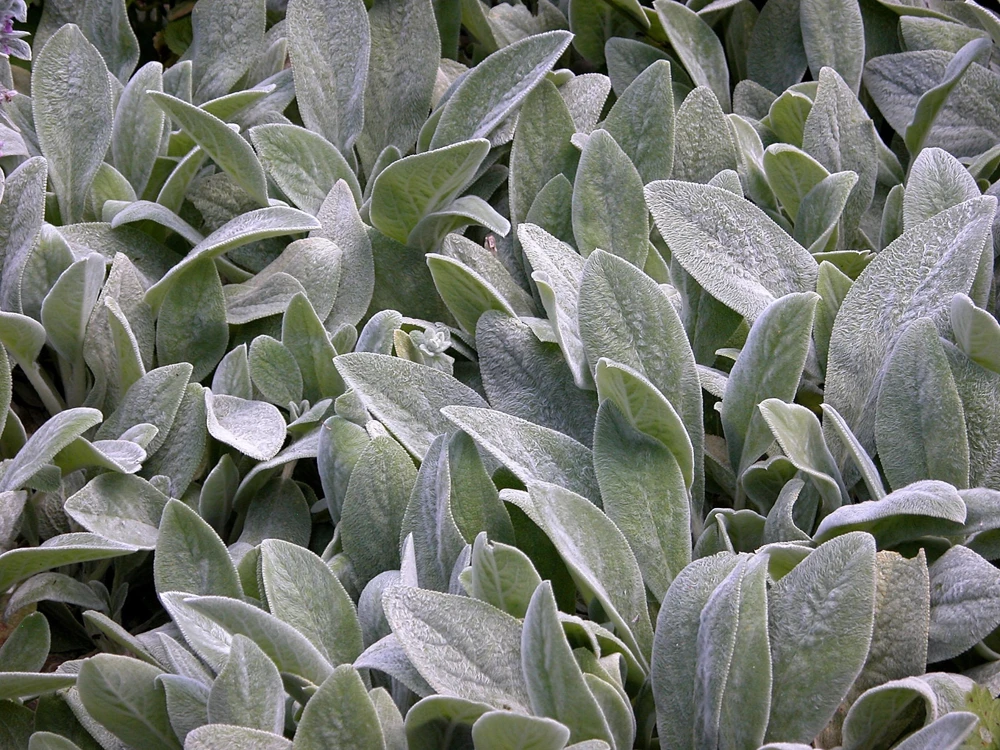
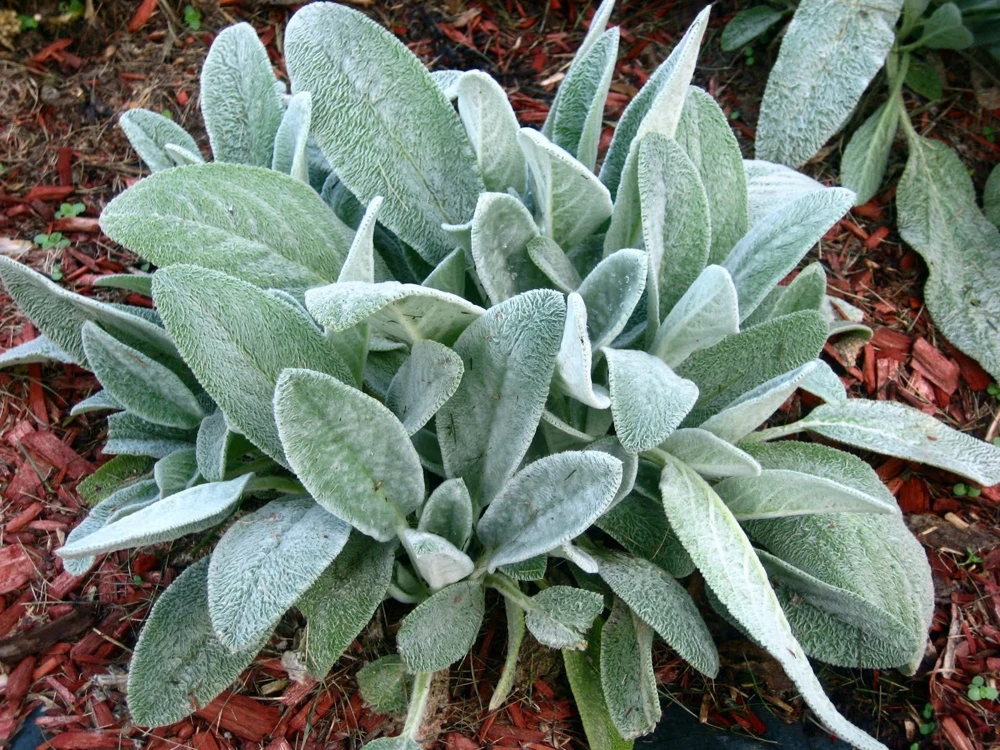
Introduce the delightful charm of the lamb’s ear live plant (Stachys byzantina) to your garden. Known for its distinctively soft, velvety leaves that invite touch, this perennial is a favorite among gardeners for its tactile appeal and striking visual contrast. The silvery-green foliage of Stachys byzantina provides an elegant backdrop for a wide array of other plants, enhancing the beauty of any garden bed or border. This particular offering is for a healthy, well-rooted starter plant, ready to thrive in its new home. Beyond its aesthetic qualities, the lamb’s ear live plant is remarkably resilient, making it an excellent choice for both novice and experienced gardeners seeking beauty with minimal fuss.
Often referred to simply as Stachys, this plant is celebrated for its unique texture and ability to add a calming, soft element to the landscape. Its common name, Lamb’s Ear, perfectly describes the sensation of touching its fuzzy leaves, which are covered in tiny, soft hairs. These hairs are not just for show; they play a crucial role in the plant’s survival, helping to prevent moisture loss and contributing to its drought tolerance. This makes the lamb’s ear live plant an ideal candidate for xeriscaping or gardens in drier climates.
Key Benefits
The lamb’s ear live plant offers a multitude of benefits that make it a highly desirable addition to any garden. Its unique characteristics contribute to both aesthetic appeal and ease of care, providing lasting enjoyment.
- Distinctive Texture and Color: The soft, fuzzy, silvery-green leaves provide a unique tactile experience and a beautiful color contrast in the garden, making it a focal point or a calming backdrop. This silver foliage perennial stands out against darker greens and vibrant blooms.
- Exceptional Drought Tolerance: Thanks to the dense hairs on its leaves, the lamb’s ear live plant is highly efficient at retaining moisture, allowing it to thrive in dry conditions once established. This makes it a perfect choice for drought tolerant plants landscapes.
- Deer and Pest Resistance: The fuzzy texture of the leaves acts as a natural deterrent to deer and other common garden pests, reducing the need for protective measures and ensuring your plant remains intact. This is a significant advantage for those looking for deer resistant plants.
- Low Maintenance: Once established, Stachys byzantina requires minimal care, making it an excellent option for busy gardeners or those seeking an effortless yet beautiful landscape.
- Versatile Garden Use: Ideal for borders, rock gardens, mass plantings, or as a groundcover, its spreading habit quickly fills in spaces, creating a lush, carpet-like effect.
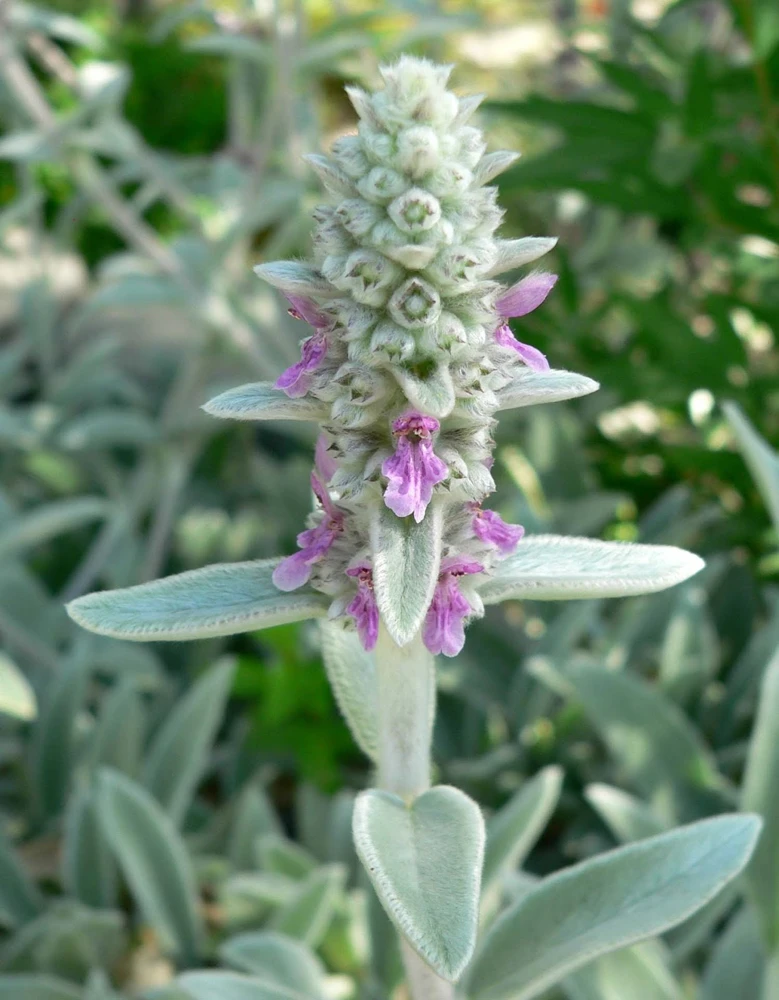
- Attractive Blooms: While primarily grown for its foliage, the plant produces attractive flower stalks (typically 12-18 inches tall) with small purple, white, red, or pink blooms in late spring to early summer, adding an extra layer of interest.
- Soil Stabilization: Its spreading root system can help prevent erosion on slopes or in areas prone to soil disturbance.
Plant Care & Growing Tips
Caring for your lamb’s ear live plant is straightforward, making it a rewarding addition to almost any garden. To ensure your Stachysbyzantina thrives, understanding its basic needs for sunlight, water, and soil is crucial.
Sunlight Requirements: This plant performs best in full sun, meaning it needs at least 6 hours of direct sunlight per day. While it can tolerate some light shade, too much shade can lead to leggy growth and reduce the density of its characteristic fuzzy foliage, making it more susceptible to fungal diseases. In hot climates, a little afternoon shade might be beneficial to prevent scorching of the leaves, but generally, the more sun, the better for robust growth and vibrant silvery color.
Watering Schedule and Soil Moisture: The lamb’s ear live plant is renowned for its drought tolerance. Once established, it requires very little supplemental watering. Water thoroughly when the top few inches of soil feel dry to the touch, then allow the soil to dry out completely before watering again. Overwatering is a common issue for this plant, as consistently wet conditions can lead to root rot. Ensure excellent drainage to prevent this. Its soft hairs are a natural adaptation for retaining moisture, solidifying its status as one of the best drought tolerant plants.
Soil Type and Drainage Requirements: Well-draining soil is paramount for the health of Stachys byzantina. It thrives in average to poor soil conditions, as long as drainage is good. Sandy or gravelly soils are ideal. Avoid heavy clay soils that retain too much moisture. If your soil is heavy, amend it with organic matter like compost and sand to improve drainage. The plant is hardy in USDA zones 4-9, making it suitable for a wide range of climates.
Temperature Range and USDA Hardiness Zone: Hardy from USDA Zones 4 to 9, Lamb’s Ear can withstand a broad spectrum of temperatures. It tolerates both cold winters and hot summers, provided it has adequate drainage. In colder zones, a layer of mulch can help protect the roots, although it generally overwinters well.
Fertilization Schedule and Type: Stachys byzantina is not a heavy feeder and generally does not require much fertilization. In fact, too much fertilizer can lead to lush, soft growth that is more prone to disease. If your soil is very poor, a light application of a balanced, slow-release granular fertilizer in spring can be beneficial. However, for most gardens, no additional feeding is necessary for this resilient silver foliage perennial.
Common Problems and Solutions: The primary issues for Lamb’s Ear are related to excessive moisture, which can cause fungal diseases like powdery mildew or root rot. Ensure good air circulation and avoid overhead watering to keep the foliage dry. If you notice signs of disease, remove affected leaves. Slugs and snails can occasionally be a problem, especially in damp conditions; organic slug baits or manual removal can manage these pests. Its natural texture also helps it be one of the more effective deer resistant plants.
Size & Details
This offering is for one healthy, well-rooted lamb’s ear live plant, carefully cultivated and ready for transplanting. Each starter plant is provided in a 2.5”x3.5” pot, ensuring it has a robust root system to quickly establish itself in your garden. Upon arrival, the plant will be compact, but with proper care, it will rapidly grow into its mature size, typically reaching 6-12 inches in height and spreading 1-2 feet wide, forming a dense groundcover. The flower stalks, which emerge in late spring to early summer, can reach 12-18 inches tall, adding vertical interest.
The plant will be shipped as a juvenile specimen, and pictures on the product page are generally of mature plants, serving as a reference for what your plant will look like once it reaches full size. Expect vigorous growth in its first season, with the plant beginning to spread and display its characteristic silver foliage perennial beauty. This stachys live plant is a long-lived perennial, providing years of enjoyment with minimal intervention.
Frequently Asked Questions
- Q: How big does a lamb’s ear live plant get? A: A mature Lamb’s Ear plant typically reaches 6-12 inches in height with a spread of 1-2 feet. Its flower stalks can extend up to 12-18 inches tall.
- Q: What size pot does it come in? A: Each stachys live plant is shipped in a 2.5”x3.5” starter pot, providing a strong root system for successful transplanting.
- Q: Is this an indoor or outdoor plant? A: Lamb’s Ear is primarily an outdoor perennial, thriving in garden beds and landscapes. While it can be temporarily grown indoors in a very sunny spot, it generally prefers outdoor conditions.
- Q: How much sunlight does it need? A: This plant thrives in full sun, requiring at least 6 hours of direct sunlight daily for optimal growth and foliage color. It’s one of the best drought tolerant plants for sunny spots.
- Q: Is this plant easy to care for? A: Yes, Lamb’s Ear is considered a very easy-to-care-for plant, making it suitable for beginners. Its low water needs and pest resistance contribute to its carefree nature.
- Q: What condition will it arrive in? A: Your lamb’s ear live plant will arrive as a healthy, well-rooted starter plant, carefully packaged to ensure its safety during transit.
- Q: Is it shipped in soil? A: Yes, the plant is shipped in its 2.5”x3.5” starter pot with its original soil, minimizing root disturbance.
- Q: How long until it blooms? A: While primarily grown for foliage, Lamb’s Ear typically blooms in late spring to early summer. You may see blooms in its first year, depending on planting time and growing conditions.
- Q: When is the best time to plant? A: Spring is generally the best time to plant Lamb’s Ear, allowing it ample time to establish before the heat of summer or cold of winter.
- Q: Will it survive winter in my zone? A: Lamb’s Ear is hardy in USDA Zones 4-9, meaning it can tolerate winter conditions within this range. It’s a reliable silver foliage perennial even in colder climates.
- Q: Is this one of the deer resistant plants? A: Yes, the fuzzy texture of Lamb’s Ear leaves makes it unappealing to deer, classifying it as a good choice for gardens where deer are a concern.


Reviews
There are no reviews yet.