Overview
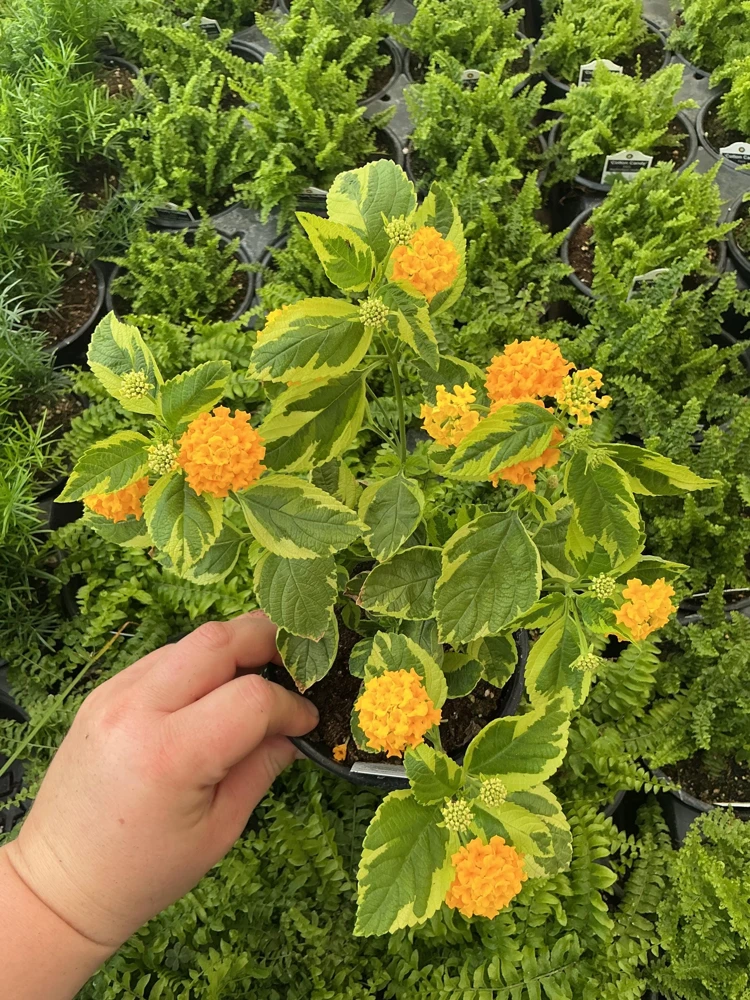
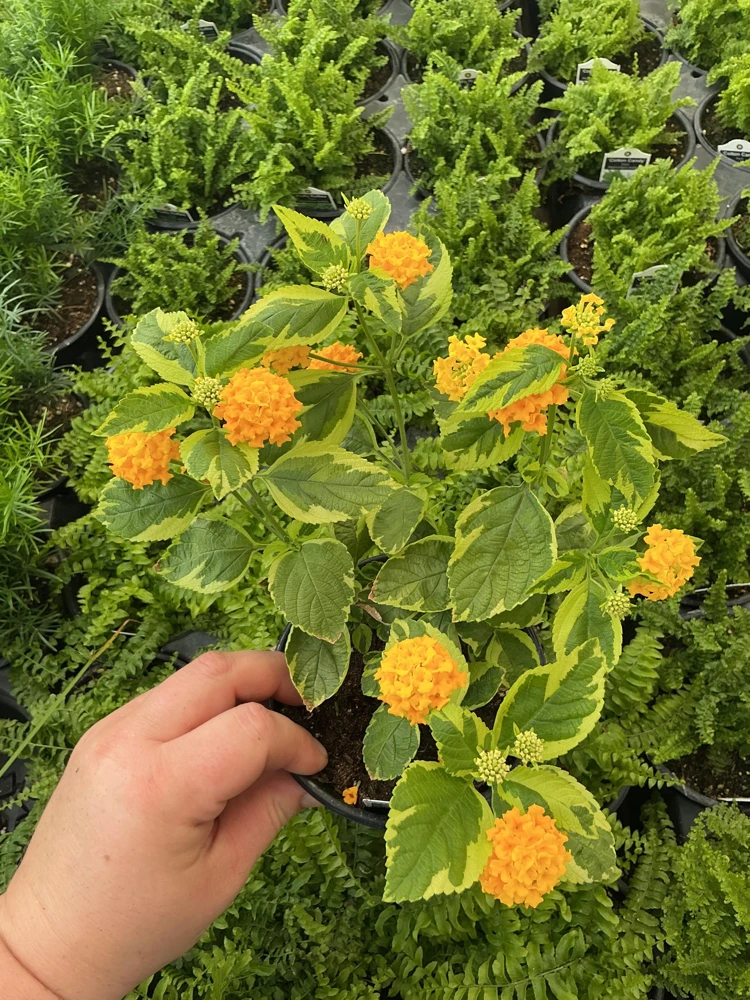
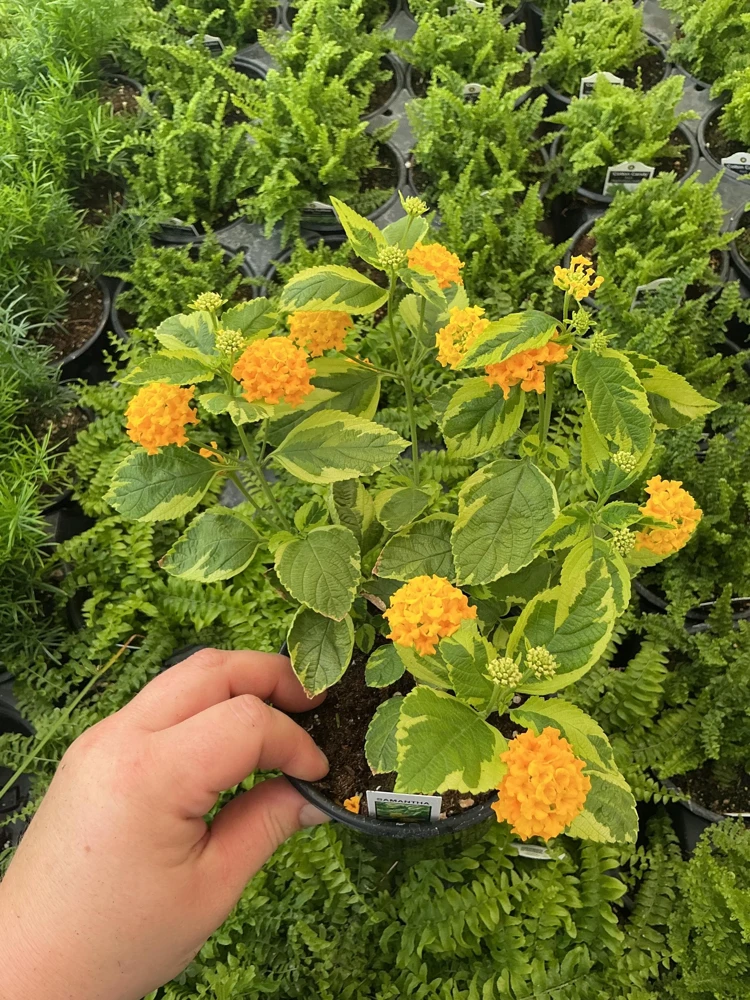
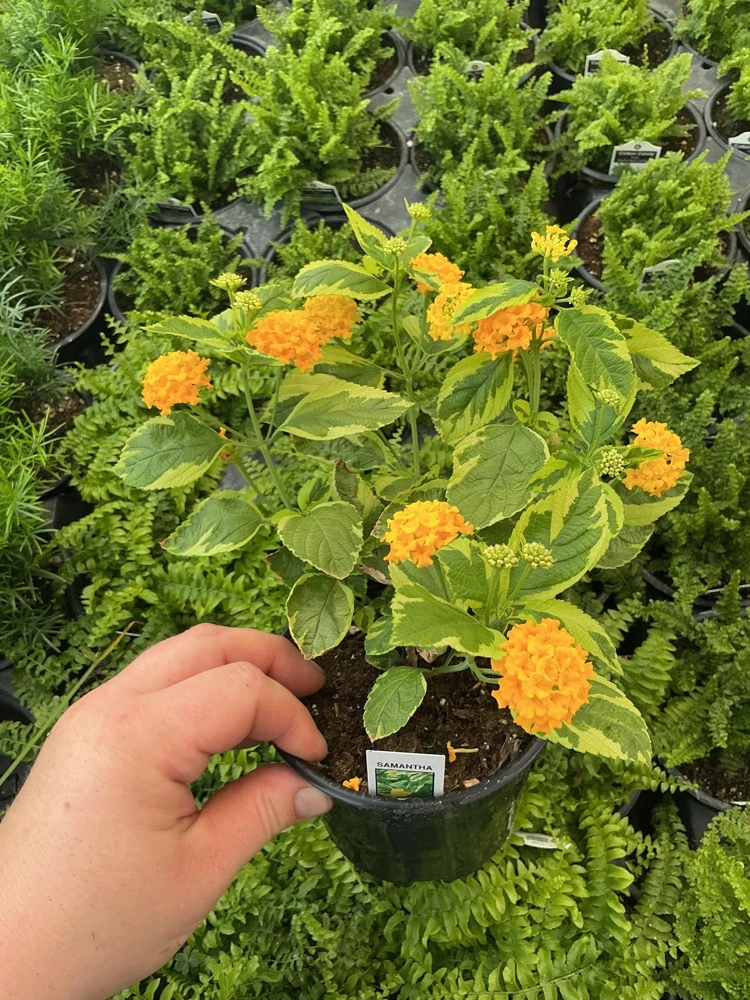
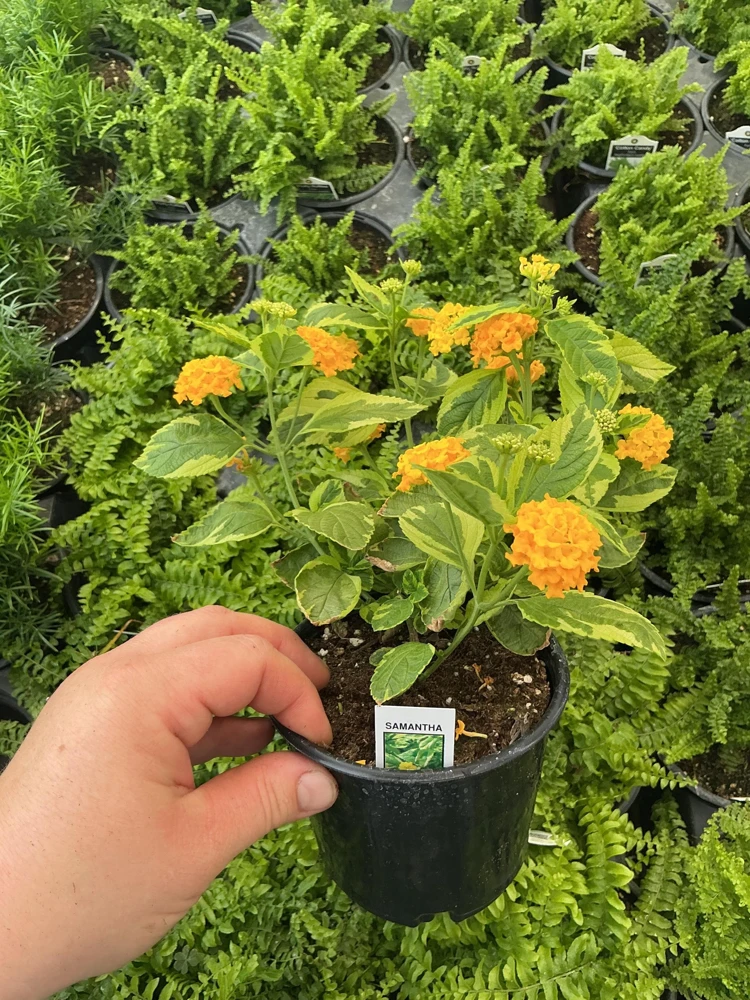
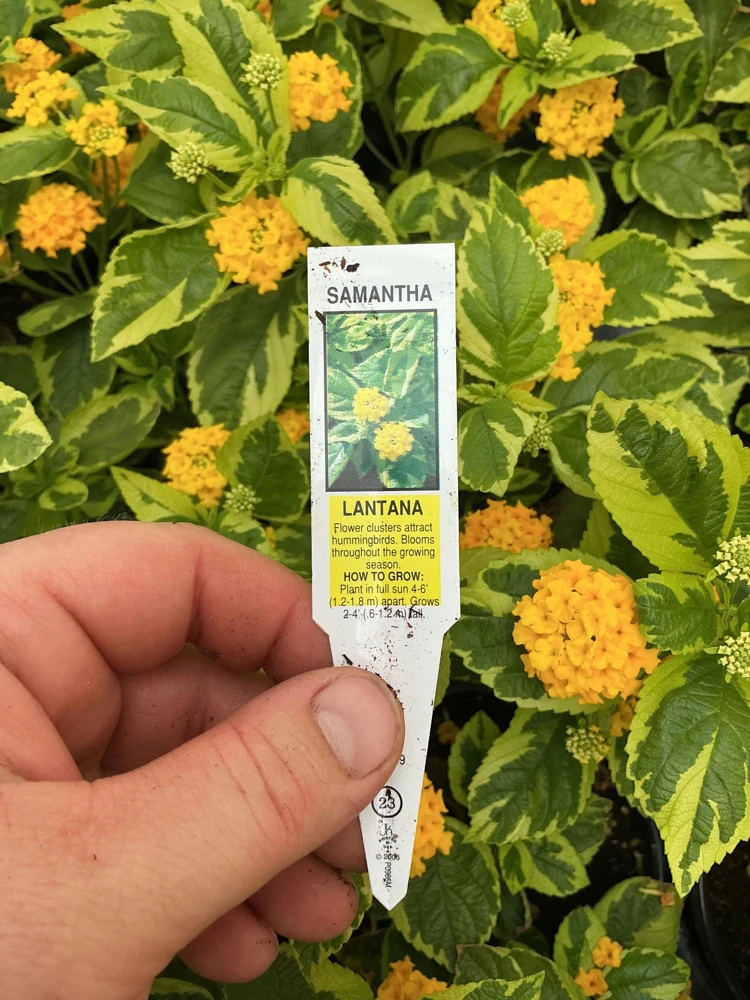
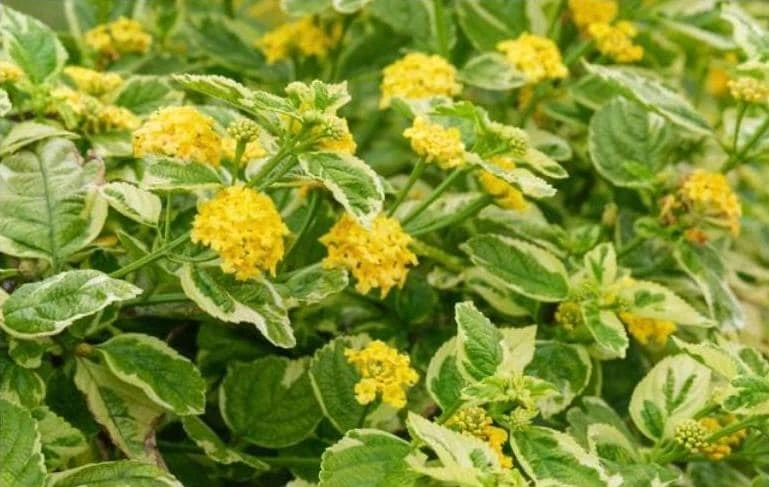
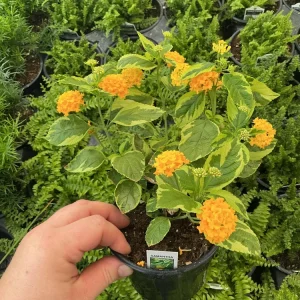
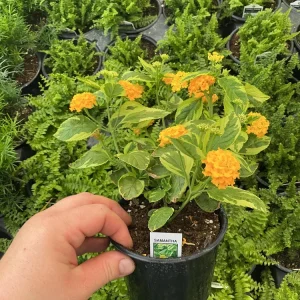
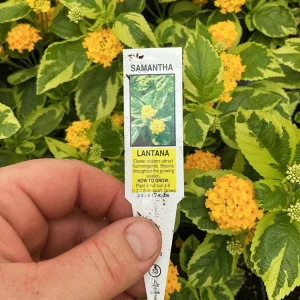
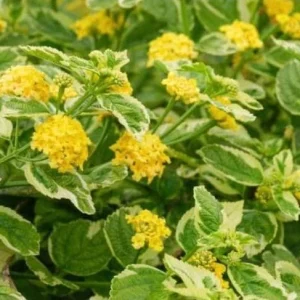
Introduce a splash of continuous color to your garden with the stunning Lantana Samantha live plant. This particular cultivar, ‘Samantha’, is celebrated for its prolific clusters of brilliant yellow flowers that bloom from spring through fall, providing an extended season of visual interest. As a compact and vigorous grower, this yellow Lantana plant is an excellent choice for garden beds, borders, containers, and hanging baskets. It’s a fantastic option for gardeners looking for a low-maintenance, high-impact plant that thrives in sunny conditions and tolerates heat and drought once established. Your ‘Samantha’ Lantana arrives as a well-established live plant, ready to be transplanted and bring immediate joy to your outdoor living areas. Its cheerful blossoms are not only beautiful but also a magnet for butterflies and hummingbirds, adding dynamic life to your garden.
The ‘Samantha’ Lantana is a popular ornamental shrub known for its tough nature and continuous floral display. Originating from tropical regions, Lantana plants are cherished for their ability to withstand challenging growing conditions while still producing abundant blooms. This specific variety offers a bright, clear yellow hue that stands out in any landscape design. Whether you’re an experienced gardener or just starting, this Lantana Samantha live plant offers an easy way to achieve a vibrant, pollinator-friendly garden.
Key Benefits
The ‘Samantha’ Lantana offers numerous advantages, making it a top choice for gardeners seeking beauty and resilience. Its vibrant yellow flowers and easy-care nature contribute to a more enjoyable and colorful garden experience. This Lantana Samantha live plant is truly a versatile and rewarding addition.
- Vibrant, Long-Lasting Blooms: Enjoy continuous clusters of bright yellow flowers from spring until the first frost, ensuring your garden remains colorful for months. These cheerful blooms are a visual delight and add a sunny disposition to any setting.
- Attracts Pollinators: The nectar-rich flowers are a favorite of butterflies, bees, and hummingbirds, helping to boost local biodiversity and bringing lively activity to your garden space. This makes it an excellent choice for a pollinator garden.
- Low Maintenance: Once established, this yellow Lantana plant is incredibly drought-tolerant and heat-tolerant, requiring minimal watering and care. It’s perfect for busy gardeners or those in warmer climates.
- Versatile Landscaping Use: Ideal for a variety of applications, including garden beds, borders, mass plantings, ground cover, container gardening, and hanging baskets, offering flexibility in design.
- Deer Resistant: Lantana plants are generally not favored by deer, making them a good option for gardens in areas where deer browsing is a concern.
- Hardy and Resilient: Tolerates a wide range of soil conditions and can bounce back quickly from environmental stressors, ensuring a robust and healthy plant.
- Compact Growth Habit: The ‘Samantha’ variety typically grows to a manageable size, making it suitable for smaller gardens or for use as a foreground plant in larger landscapes.
Plant Care & Growing Tips
Caring for your Lantana Samantha live plant is relatively straightforward, making it an excellent choice for both novice and experienced gardeners. The key to success with this vibrant shrub is providing it with plenty of sunlight and well-draining soil. Lantana thrives in full sun, meaning it needs at least 6-8 hours of direct sunlight per day to produce the most abundant blooms. In very hot climates, some afternoon shade can be beneficial to prevent scorching, but generally, more sun equals more flowers.
When it comes to watering, newly planted Lantana will need consistent moisture to establish its root system. Water deeply a few times a week during its first growing season. Once established, this outdoor Lantana shrub becomes quite drought-tolerant and can withstand periods of dryness. Allow the top inch or two of soil to dry out completely between waterings to prevent root rot, as Lantana dislikes soggy feet. Well-draining soil is crucial; sandy or loamy soils are ideal. If your soil is heavy clay, amend it with organic matter like compost to improve drainage. This plant is not particularly fussy about soil pH and can tolerate a range from slightly acidic to slightly alkaline.
For optimal growth and flowering, fertilize your Lantana plant care with a balanced, all-purpose fertilizer in the spring as new growth emerges. You can also apply a diluted liquid feed every 4-6 weeks during the growing season, especially if it’s in a container. Pruning is beneficial for maintaining shape and encouraging more blooms. Deadhead spent flowers regularly to promote continuous flowering. In late winter or early spring, before new growth begins, you can prune back the plant by about one-third to encourage bushier growth and a more compact form. In USDA zones where it’s perennial, it may die back to the ground in winter and regrow from the roots in spring. Protect from frost in colder zones by bringing container plants indoors or providing mulch for in-ground plants.
Size & Details
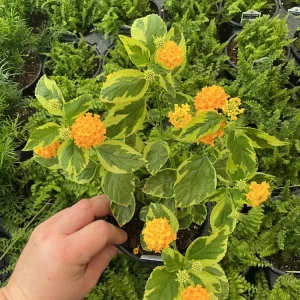
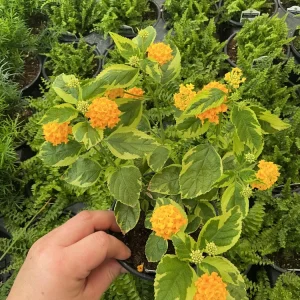
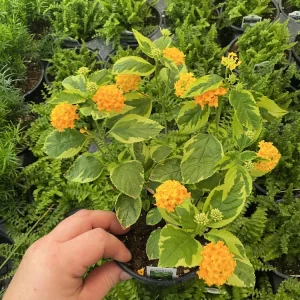
This offering includes one healthy Lantana Samantha live plant, well-established and actively growing in a 4.5-inch plastic nursery pot. The plant is carefully grown to ensure it arrives ready for successful transplanting into your garden, containers, or hanging baskets. At maturity, the ‘Samantha’ Lantana typically reaches a height and spread of about 1 to 2 feet, forming a dense, mounding shrub. Its compact size makes it suitable for various garden applications, from front borders to patio pots.
Lantana ‘Samantha’ is known for its moderate to fast growth rate, meaning you won’t have to wait long to enjoy its full beauty. Expect continuous blooming from late spring through fall, often until the first hard frost. This plant is generally considered a tender perennial, hardy in USDA Zones 9-11, where it will return year after year. In cooler climates (Zones 8 and below), it is typically grown as an annual, providing seasonal color. Each plant is carefully inspected before shipping to ensure quality and vitality, ensuring you receive a robust specimen ready to flourish in your outdoor space.
Frequently Asked Questions
- Q: How big does this plant get? A: The Lantana Samantha live plant typically grows to a mature size of about 1 to 2 feet in both height and spread, forming a compact, bushy mound. Its size makes it versatile for various garden uses.
- Q: What size pot does it come in? A: Your ‘Samantha’ Lantana plant will arrive well-established and growing in a 4.5-inch plastic nursery pot, ready for you to transplant into its permanent location.
- Q: Is this an indoor or outdoor plant? A: Lantana ‘Samantha’ is primarily grown as an outdoor plant, thriving in full sun. While it can be overwintered indoors in colder climates, it generally performs best in outdoor garden settings or on sunny patios.
- Q: How much sunlight does it need? A: This yellow Lantana plant requires full sun exposure, meaning at least 6 to 8 hours of direct sunlight per day, to produce the most abundant and vibrant blooms.
- Q: Is this plant easy to care for? A: Yes, Lantana ‘Samantha’ is considered very easy to care for. It’s known for its drought tolerance, heat resistance, and general resilience, making it suitable for beginners and busy gardeners.
- Q: What condition will it arrive in? A: We ship healthy, well-rooted, live plants that are carefully packaged to ensure they arrive in excellent condition, ready to be planted and thrive in your garden.
- Q: Is it shipped in soil? A: Yes, your Lantana for butterflies will be shipped in its original 4.5-inch nursery pot with soil, ensuring its roots remain protected and hydrated during transit.
- Q: How long until it blooms? A: This ‘Samantha’ Lantana is a well-established plant, so it may arrive already blooming or will begin blooming shortly after planting, continuing through the growing season.
- Q: When is the best time to plant? A: The best time to plant your Lantana is after all danger of frost has passed in your area, typically in late spring or early summer, when soil temperatures have warmed.
- Q: Will it survive winter in my zone? A: Lantana ‘Samantha’ is hardy in USDA Zones 9-11. In these zones, it will typically return as a perennial. In colder zones, it is best grown as an annual or brought indoors for winter.
- Q: What’s the minimum temperature it can tolerate? A: This plant is sensitive to frost. It can tolerate temperatures down to about 25-30°F (-4 to -1°C) for very short periods, but sustained freezing temperatures will damage or kill it.


Reviews
There are no reviews yet.