Overview
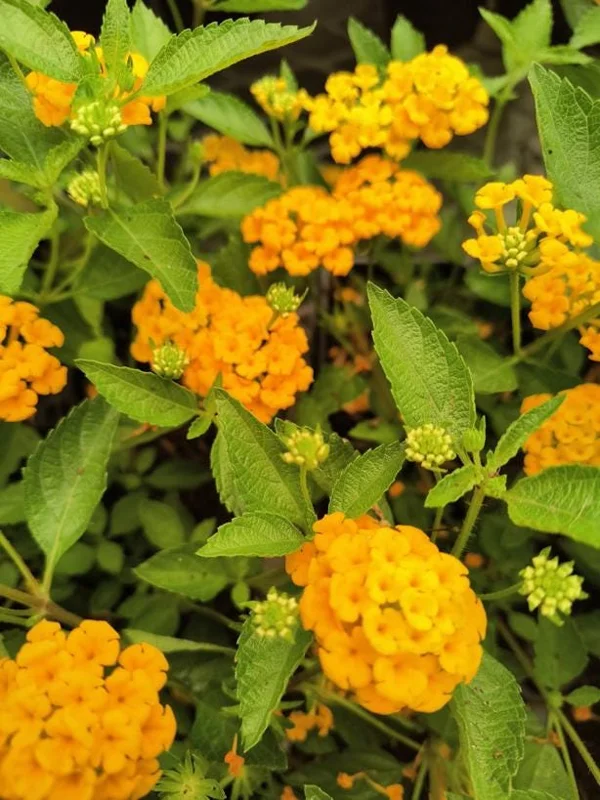
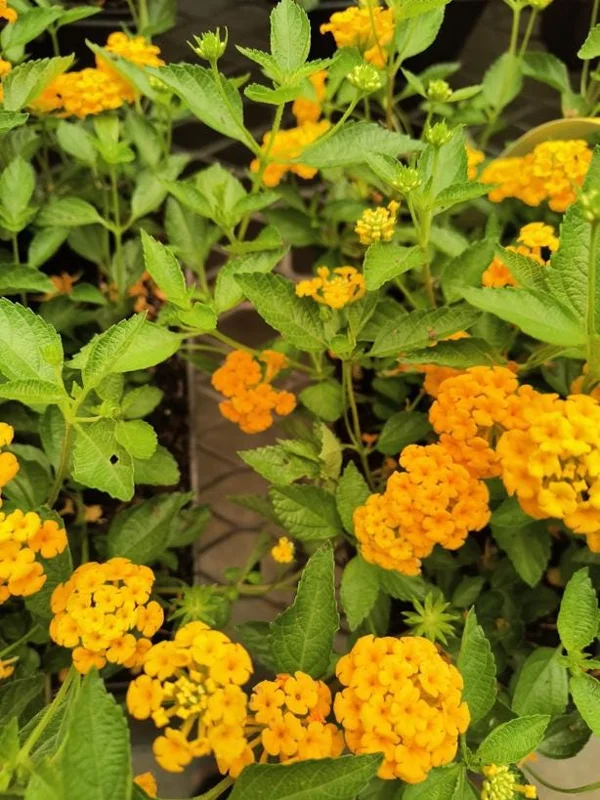
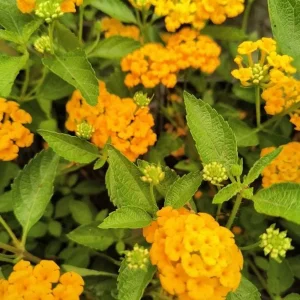
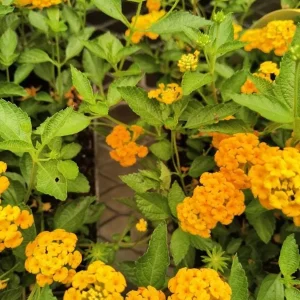
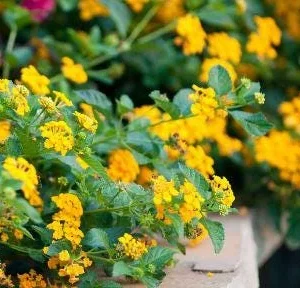
Introduce a splash of cheerful color to your landscape with the brilliant lantana live plant. This particular variety showcases stunning yellow and gold blossoms that will brighten any garden, patio, or balcony. Known for its prolific blooming from spring through fall, Lantana camara is a robust and resilient shrub that thrives in warm climates. Often grown as an annual in cooler regions, it can be a perennial in USDA Zones 9 and above. Its clusters of small, tubular flowers form dense, colorful heads that are a magnet for beneficial pollinators, making your garden a vibrant hub of activity. This easy-to-grow plant is perfect for both seasoned gardeners and beginners looking for reliable, long-lasting color.
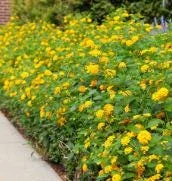
The lantana live plant is celebrated not only for its beauty but also for its hardiness. It’s an excellent choice for xeriscaping or areas where water conservation is a priority, as it exhibits remarkable drought tolerance once established. Whether you’re aiming to create a colorful border, fill a container with cascading blooms, or add a focal point to a sunny spot, this yellow/gold lantana is an outstanding selection. Its cheerful disposition and minimal care requirements make it a favored addition to many outdoor settings, providing continuous visual interest throughout the growing season.
Key Benefits
The lantana live plant offers numerous advantages for any gardener, combining aesthetic appeal with practical benefits:
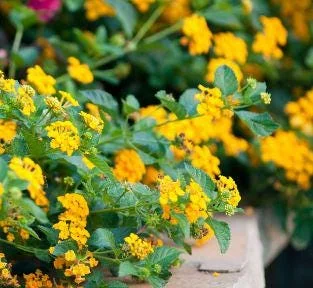
- Vibrant, Continuous Blooms: Enjoy a spectacular display of yellow and gold flowers from spring until the first frost. This plant is a true workhorse, providing consistent color throughout the growing season, much longer than many other flowering plants.
- Attracts Pollinators: Lantana is renowned for being a butterfly and hummingbird magnet. Its nectar-rich flowers provide a vital food source for these beneficial creatures, enhancing the biodiversity and beauty of your garden.
- Drought Tolerant: Once established, this plant is exceptionally forgiving of dry conditions, making it an ideal choice for water-wise gardening and reducing the need for frequent watering. This makes it a great option among drought tolerant plants.
- Low Maintenance: Requiring minimal care, lantana is perfect for busy gardeners. It generally needs little more than occasional watering and deadheading to keep it looking its best.
- Versatile Landscaping Plant: Whether used in garden beds, groundcovers, container plantings, or hanging baskets, the yellow/gold lantana adapts beautifully to various garden designs and purposes.
- Deer Resistant: While no plant is entirely deer-proof, lantana is generally not favored by deer, offering a good option for gardens in areas with deer populations.
- Heat Loving: Thrives in full sun and high temperatures, performing exceptionally well in climates where other plants might struggle, ensuring your garden remains colorful even during the hottest months.
Plant Care & Growing Tips
Caring for your lantana live plant is straightforward, making it an excellent choice for gardeners of all experience levels. Lantanas thrive in full sun, meaning they need at least 6-8 hours of direct sunlight per day to produce the most abundant blooms. In very hot climates, a little afternoon shade might be beneficial to prevent scorching, but generally, the more sun, the better. They are primarily an lantana outdoor plant and do not typically perform well indoors due to their high light requirements.
When it comes to watering, lantanas are quite forgiving. They prefer well-draining soil and should be watered regularly after planting until they are established. Once established, they are highly drought tolerant and can withstand periods of dryness. Allow the top inch or two of soil to dry out completely between waterings. Overwatering can lead to root rot, so ensure your containers have good drainage holes if planting in pots. For optimal growth, use a general-purpose, balanced fertilizer once a month during the active growing season (spring and summer). Pruning can be done in early spring to shape the plant and encourage bushier growth and more flowers. Deadheading spent blooms will also promote continuous flowering and prevent the formation of berries.
Understanding yellow lantana care is key to a flourishing plant. Lantanas are generally pest and disease resistant, but occasionally you might encounter whiteflies or spider mites. These can usually be managed with insecticidal soap. Providing the right environment, including plenty of sun, good drainage, and appropriate watering, will help prevent most issues. Lantanas are typically hardy in USDA Zones 9-11 as perennials. In colder zones, they can be grown as annuals or overwintered indoors in a bright location, though this requires more effort. Protecting them from frost is crucial if you wish to keep them year after year in marginal zones.
Size & Details
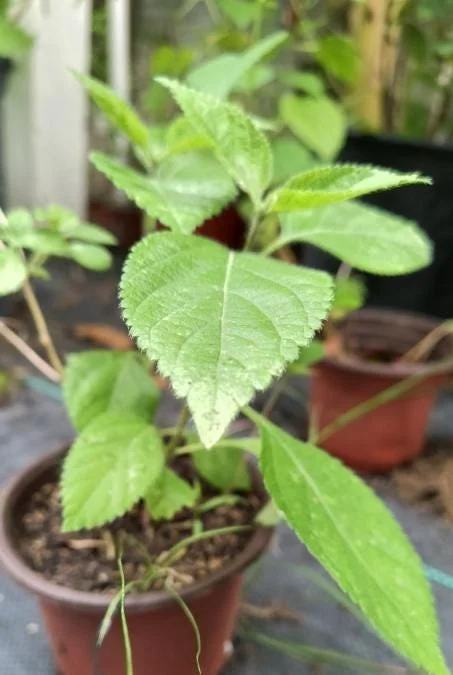
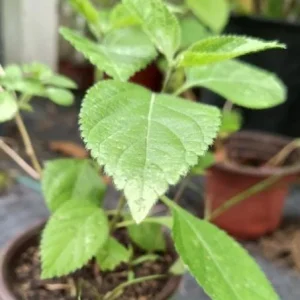
This lantana live plant arrives in a convenient 4 inch pot, making it perfectly sized for immediate planting in your garden beds, containers, or as part of a mixed arrangement. At the time of shipment, the plant typically stands approximately 6-10 inches tall, with a healthy, established root system ready for transplanting. Lantanas are known for their vigorous growth rate, and with proper care, this plant can quickly grow to a mature size of 1-3 feet tall and equally wide, forming a beautiful, mounding or spreading habit depending on the variety. Expect a continuous display of bright yellow and gold blooms throughout the warmer months, typically from late spring through fall. Its adaptability allows it to be used as a shrub, groundcover, or cascading element in hanging baskets.
Frequently Asked Questions
- Q: How big does this lantana live plant get? A: This lantana, shipped in a 4-inch pot, typically grows to a mature size of 1 to 3 feet tall and wide, depending on growing conditions and whether it’s pruned. It has a vigorous growth habit and can spread beautifully.
- Q: Is this an indoor or outdoor plant? A: Lantana is primarily an lantana outdoor plant. It thrives in full sun and warm temperatures, making it ideal for garden beds, patios, and balconies. It generally does not perform well as an indoor houseplant due to its high light requirements.
- Q: How much sunlight does it need? A: For the best blooms and healthiest growth, your lantana needs at least 6-8 hours of direct sunlight per day. It loves sun and heat, so choose the brightest spot in your garden.
- Q: Is this plant easy to care for? A: Yes, lantanas are considered very easy to care for. They are low-maintenance, drought-tolerant once established, and generally resistant to pests and diseases, making them perfect for beginners and busy gardeners. This makes them a great option for those looking for drought tolerant plants.
- Q: What condition will it arrive in? A: Your lantana will arrive as a healthy, established live plant in a 4-inch nursery pot with a robust root system, ready for transplanting. We take great care in packaging to ensure safe delivery.
- Q: When is the best time to plant lantana? A: The best time to plant lantana is in spring after all danger of frost has passed, when the soil has warmed up. This gives the plant ample time to establish before the peak growing season.
- Q: Will it attract butterflies and hummingbirds? A: Absolutely! Lantana is a well-known favorite of pollinators. Its vibrant, nectar-rich flowers are a strong draw for butterflies and hummingbirds, making it an excellent choice for pollinator friendly plants.
- Q: What kind of soil does lantana prefer? A: Lantana prefers well-draining soil. It can tolerate a variety of soil types, including sandy or loamy soils, as long as they don’t retain too much moisture. Good drainage is key to preventing root issues.
- Q: Is this plant suitable for containers? A: Yes, lantana is an excellent choice for container planting. Its mounding and sometimes cascading habit makes it perfect for pots, hanging baskets, and window boxes, providing continuous color.
- Q: How do I ensure my yellow lantana care is optimal for continuous blooms? A: To ensure continuous blooms, provide full sun, water deeply but infrequently once established, and deadhead spent flowers regularly. A light feeding with a balanced fertilizer during the growing season can also encourage more blossoms.


Reviews
There are no reviews yet.