

Overview
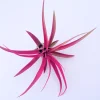
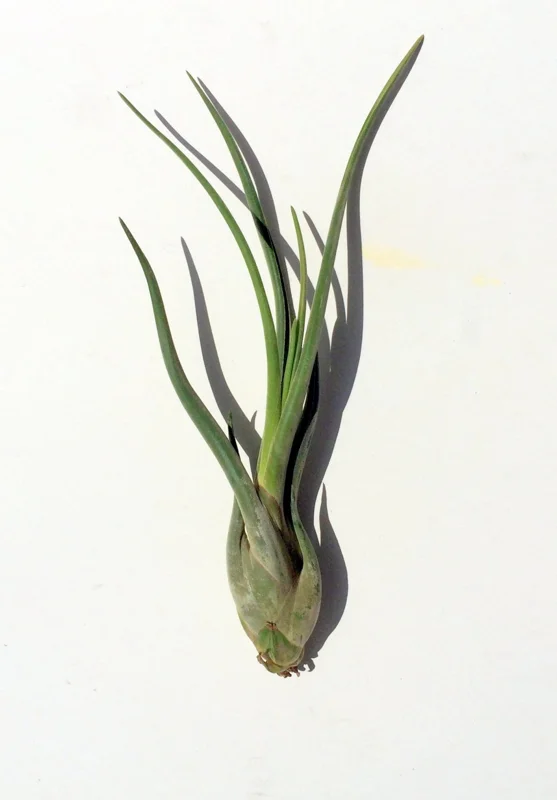
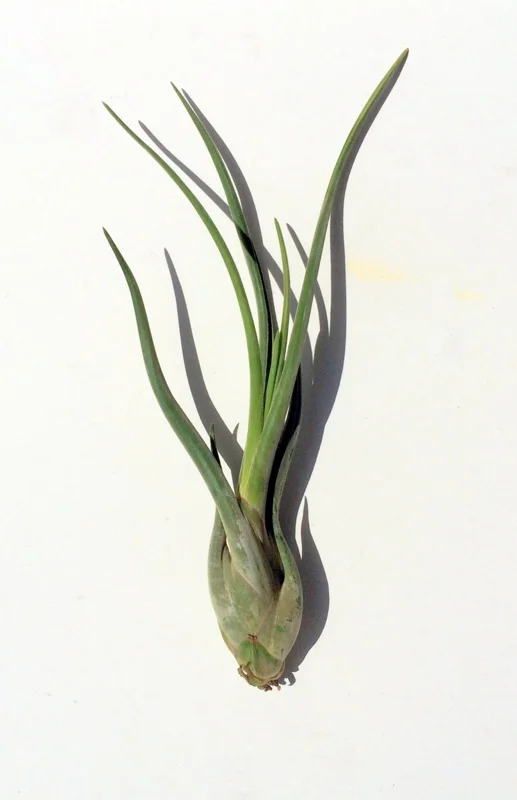
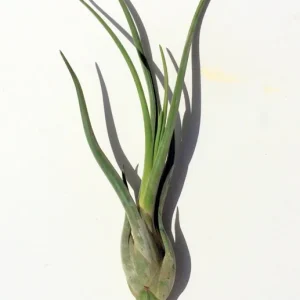
Introduce an exotic touch to your living space with the captivating Large Medusa Air Plant, scientifically known as Tillandsia caput-medusae. This unique and striking live plant is celebrated for its distinctive wavy, silvery-green leaves that resemble the mythical Medusa’s hair, hence its common name. As an epiphyte, this air plant thrives without soil, drawing all its nutrients and moisture from the air, making it an incredibly low-maintenance and versatile decorative piece. It’s an ideal choice for both seasoned plant enthusiasts and beginners looking for unique houseplants that add character and a touch of the extraordinary to any room. Each plant is a living sculpture, offering a dynamic and ever-evolving aesthetic that enhances terrariums, displays, or simply placed on a shelf.
Our Large Medusa Air Plant arrives healthy and ready to display, bringing a piece of the tropics directly into your home. Its robust nature and unique growth habit make it a conversation starter, perfect for adding visual interest to modern or bohemian decor. These air plants are not only beautiful but also contribute to a serene environment, making them a wonderful addition to any home or office. Embrace the simplicity and elegance of this remarkable Tillandsia, and enjoy its unique form and easy care.
Key Benefits
The Tillandsia caput-medusae offers a range of benefits beyond its stunning appearance, making it a highly desirable indoor plant. Its unique characteristics contribute to its popularity and ease of integration into various lifestyles and decor styles. Understanding these advantages can help you appreciate this wonderful plant even more.
- Stunning Visual Appeal: The Large Medusa Air Plant boasts an extraordinary form with its thick, curled, and tentacle-like leaves. This intricate structure creates a dramatic and sculptural presence, making it a unique focal point in any room. It adds a touch of natural artistry that is hard to achieve with conventional potted plants.
- Low Maintenance & Easy Care: As an air plant, the Tillandsia caput-medusae requires no soil, simplifying its care routine significantly. It thrives on occasional misting or soaking, making it an excellent choice for busy individuals or those new to plant ownership. Enjoy its beauty without the fuss of traditional gardening.
- Versatile Decor Element: Its soil-free nature means this air plant can be displayed in countless ways. Place it in terrariums, on driftwood, in decorative bowls, or suspended in hangers. This versatility allows for creative expression and seamless integration into various interior designs, from minimalist to eclectic.
- Natural Air Purifier: Like many plants, the Large Medusa Air Plant contributes to improved indoor air quality. It absorbs pollutants and releases oxygen, helping to create a fresher and healthier environment in your home or office.
- Compact Size: While considered ‘large’ for an air plant, its overall size remains manageable, making it perfect for small spaces, desks, shelves, or as part of a larger plant collection without taking up excessive room.
- Educational & Engaging: Observing the unique growth and watering process of a Tillandsia caput-medusae can be an engaging and educational experience, especially for children. It offers a fascinating glimpse into the world of epiphytic plants.
- Pet-Friendly Option: Generally, air plants are considered non-toxic to pets, offering peace of mind for pet owners who want to introduce greenery into their homes. Always supervise pets around plants, but this makes a great pet-safe choice.
Plant Care & Growing Tips
Caring for your Large Medusa Air Plant is straightforward, provided you understand its basic needs. As an epiphyte, it doesn’t require soil, making its care distinct from typical houseplants. The primary focus for successful air plant care is adequate light, proper hydration, and good air circulation.
Sunlight Requirements: This Tillandsia thrives in bright, indirect light. Avoid direct, intense sunlight, especially during the hottest parts of the day, as this can scorch its leaves. An east or north-facing window is ideal, or a few feet away from a south or west-facing window. If natural light is insufficient, a full-spectrum LED grow light can be used for 8-12 hours a day. Good air circulation is also crucial; stagnant air can lead to rot, so ensure your plant is not placed in an enclosed space without airflow.
Watering Schedule and Soil Moisture Preferences: Hydration is key for your Tillandsia caput-medusae. The most effective method is a weekly soak. Submerge the entire plant in room-temperature water for 20-30 minutes. After soaking, gently shake off excess water and place it upside down on a towel in a well-ventilated area to dry completely within 2-4 hours. This prevents rot at the base. In drier climates or during warmer months, you may need to soak more frequently (every 5 days), while in humid environments, less often (every 10-14 days). Misting can supplement hydration but is not a substitute for regular soaking. Use filtered water, rainwater, or dechlorinated tap water.
Temperature Range and USDA Hardiness Zone: The Large Medusa Air Plant prefers temperatures between 50-90°F (10-32°C). It is not frost-tolerant and should be protected from temperatures below 40°F (4°C). For outdoor placement, it is suitable for USDA zones 9-11, but only in areas with high humidity and protection from direct sun. Indoors, typical household temperatures are perfectly suitable for this plant. Avoid placing it near air conditioning vents or heaters that can dry out the air too quickly. Fertilize sparingly with a specialized air plant fertilizer diluted to quarter strength, once a month during the growing season (spring and summer).
Size & Details
The Large Medusa Air Plant typically measures between 4 to 8 inches in height and can spread similarly, though individual plants will vary given their organic nature. Its growth rate is moderate, gradually expanding its cluster of distinctive curly leaves over time. Each plant is unique, showcasing its own individual character in shape and curl intensity. These air plants are shipped as live, mature specimens, ready to be integrated into your home decor immediately upon arrival. They are not potted and will arrive ready for display in your chosen setting. Expect a healthy and vibrant plant, eager to thrive in its new environment. With proper air plant care, your Tillandsia will continue to grow and develop, potentially producing offsets (pups) over time, allowing you to propagate and expand your collection.
Frequently Asked Questions
- Q: How big does this plant get? A: The Large Medusa Air Plant typically reaches a height of 4 to 8 inches and can spread similarly. Its size can vary based on growing conditions and individual plant characteristics, but it maintains a manageable size for indoor display.
- Q: Is this an indoor or outdoor plant? A: While it can thrive outdoors in very specific, warm, and humid climates (USDA zones 9-11) with indirect light, the Tillandsia caput-medusae is primarily cultivated as an indoor plant. It adapts well to typical household temperatures and light conditions.
- Q: How much sunlight does it need? A: This air plant prefers bright, indirect light. Avoid direct, harsh sunlight which can scorch its leaves. A spot near an east or north-facing window, or several feet from a south or west-facing window, is usually ideal for optimal growth and color.
- Q: Is this plant easy to care for? A: Yes, the Large Medusa Air Plant is considered very easy to care for, making it a great choice for beginners and those seeking low-maintenance plants. Its primary needs are regular hydration through soaking and adequate indirect light.
- Q: What condition will it arrive in? A: Your Large Medusa Air Plant will arrive as a healthy, live specimen, carefully packaged to ensure its safe transit. It will be ready for immediate display and will benefit from a good soak upon arrival to rehydrate after shipping.
- Q: How often should I water my Medusa Air Plant? A: A good rule of thumb for air plant care is to soak your plant in room-temperature water for 20-30 minutes once a week. In very dry environments, you might need to increase this to every 5 days, and in humid environments, reduce it to every 10-14 days.
- Q: What is the best way to display a Tillandsia caput-medusae? A: Due to its soil-free nature, the Tillandsia caput-medusae offers immense versatility. It looks fantastic in glass terrariums, nestled into driftwood, placed in decorative bowls, or even suspended with wire. The key is to ensure good air circulation around the plant.
- Q: Can I use tap water for my air plant? A: It’s best to use filtered water, rainwater, or dechlorinated tap water for soaking your air plant. Tap water with high chlorine or mineral content can sometimes be harmful over time. If using tap water, let it sit out for 24 hours to allow chlorine to dissipate.
- Q: Is the Large Medusa Air Plant pet-safe? A: Generally, air plants like the Tillandsia caput-medusae are considered non-toxic to cats and dogs. However, it’s always wise to supervise pets around any houseplants to prevent them from chewing on foliage, which could cause mild stomach upset.
- Q: Does this air plant bloom? A: Yes, like many Tillandsias, the Large Medusa Air Plant will eventually produce a beautiful, often colorful, flower spike before it begins to produce pups (offsets). The bloom cycle is a natural part of its life and a delightful reward for good air plant care.


Reviews
There are no reviews yet.