Large Venus Fly Trap Live Plant – A Unique Addition to Your Home
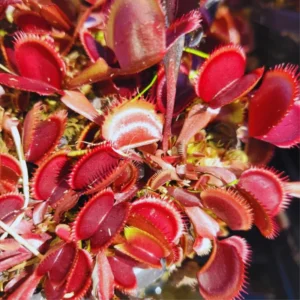
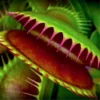
The Large Venus Fly Trap Live Plant in a 3-inch pot is a fascinating and unique addition to any plant collection. Also known as Dionaea Muscipula, these carnivorous plants are grown from seed and offer a captivating glimpse into the natural world. This live Venus Flytraps plant is perfect for creating a miniature terrarium or simply enjoying as a standalone specimen. Bring the wonders of nature into your home with this easy-to-care-for plant.
These Venus Flytraps are not only visually appealing but also serve as a natural insect control solution. They thrive in bright sunlight and moist conditions, making them suitable for both indoor and outdoor environments. The 3-inch pot provides a stable base for the plant to grow, while the carnivorous nature of the plant adds an element of intrigue. Whether you’re a beginner or an experienced plant enthusiast, the Venus Fly Trap is an excellent choice.
Benefits of Owning a Venus Fly Trap:
- Natural Insect Control: Helps keep your home free from unwanted pests.
- Educational: Provides a fascinating learning experience about carnivorous plants.
- Unique Decor: Adds a touch of the exotic to your living space.
- Easy to Care For: Requires minimal maintenance with proper sunlight and moisture.
- Conversation Starter: A unique plant that is sure to attract attention and spark conversations.
The Dionaea Muscipula, or Venus flytrap, is a carnivorous plant best known for its snap traps. These traps are triggered by tiny hairs on the inner surface of the leaves; when an insect or other small creature touches these hairs twice in quick succession, the trap snaps shut, capturing the prey inside. This mechanism is highly sensitive, preventing the plant from wasting energy on non-nutritious items. The Venus flytrap then secretes digestive enzymes to dissolve the insect, absorbing the nutrients over several days.
Carnivorous plants are adapted to thrive in nutrient-poor environments, such as bogs and swamps. They obtain essential nutrients, like nitrogen and phosphorus, from the insects they capture, supplementing what they can’t get from the soil. This adaptation makes them unique and fascinating to observe, offering a glimpse into the diverse strategies that plants employ to survive and flourish in different ecological niches. The Venus flytrap remains one of the most iconic and well-studied carnivorous plants, captivating enthusiasts and scientists alike with its intricate trapping mechanism and ecological adaptations.
Frequently Asked Questions About Venus Fly Traps
- How often should I water my Venus Fly Trap? Keep the soil consistently moist but not waterlogged. Use distilled water or rainwater, as tap water can harm the plant. Water when the top inch of soil feels dry.
- How much sunlight does my Venus Fly Trap need? Venus Fly Traps thrive in bright, direct sunlight. Aim for at least 6 hours of sunlight per day. If you’re growing it indoors, place it near a sunny window or use a grow light.
- What type of soil is best for Venus Fly Traps? Use a nutrient-poor soil mix such as a combination of peat moss and perlite or sphagnum moss. Ordinary potting soil contains minerals that can be harmful to Venus Fly Traps.
- How large will my Venus Fly Trap get? A mature Venus Fly Trap can grow up to 5 inches in diameter. The size of the traps can vary depending on the plant’s age and health.
- How do I feed my Venus Fly Trap if it’s indoors? If your plant isn’t catching enough insects on its own, you can manually feed it small insects like flies or ants every few weeks. The insect should be about 1/3 the size of the trap.

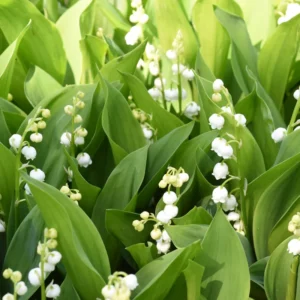
10 Lily Of The Valley Bulbs, Lily Of The Valley Bulbs For Planting, Lily Of The Valley Bare Roots


Reviews
There are no reviews yet.