Overview
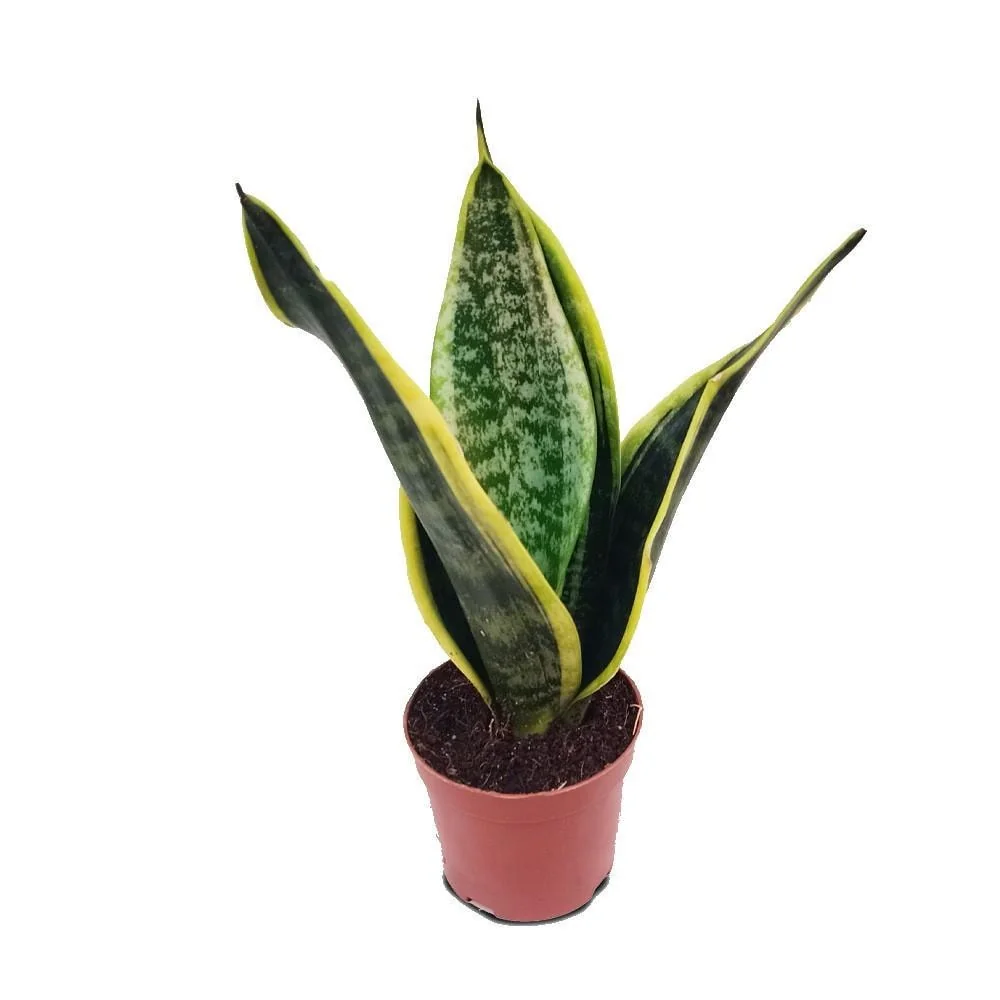
The Laurentii Snake Plant, scientifically known as Sansevieria trifasciata ‘Laurentii’, is a truly iconic and resilient houseplant. Revered for its upright, sword-like leaves edged with a brilliant golden-yellow, it adds a touch of architectural elegance to any indoor space. This particular variety of Sansevieria is celebrated not only for its striking visual appeal but also for its remarkable hardiness, making it an ideal choice for both seasoned plant enthusiasts and those just beginning their green journey. Often referred to simply as a snake plant indoor, it’s a testament to nature’s ability to create beauty that endures.
Historically, plants like the Sansevieria trifasciata have been cherished in various cultures, valued for their perceived positive attributes and robust nature. Beyond its aesthetic qualities, the Laurentii Snake Plant has gained significant recognition for its air-purifying capabilities, as highlighted by NASA’s clean air study. It efficiently removes common household toxins, contributing to a healthier indoor environment. This makes it more than just a decorative item; it’s a living, breathing asset to your home or office, embodying both historical significance and modern scientific endorsement.
Key Benefits
The Laurentii Snake Plant offers a multitude of advantages, making it a top choice for indoor gardening. Its unique characteristics contribute to both the beauty and well-being of your living space, solidifying its reputation as an outstanding addition to any plant collection. This easy-care houseplant provides continuous joy with minimal effort.
- Exceptional Air Purification: The Laurentii Snake Plant is renowned for its ability to filter indoor air, removing toxins such as formaldehyde, benzene, and trichloroethylene. It even converts carbon dioxide to oxygen at night, making it an excellent bedroom plant for improved air quality.
- Remarkably Low Maintenance: This plant is incredibly forgiving and thrives on neglect, making it the perfect easy-care houseplant for busy individuals or beginners. It tolerates infrequent watering and a wide range of light conditions, requiring minimal attention to flourish.
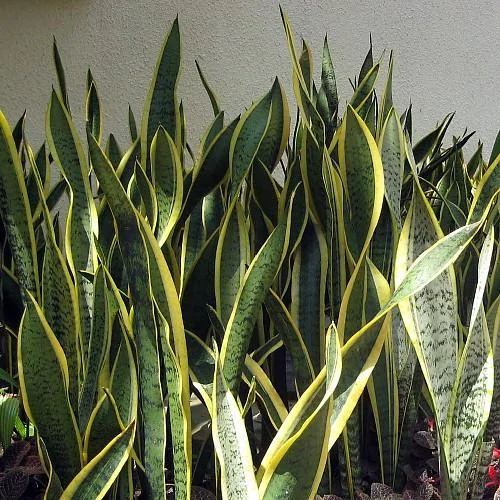
- Striking Architectural Beauty: With its tall, stiff, and upright leaves featuring vibrant yellow margins, the Sansevieria ‘Laurentii’ provides a strong vertical element to interior design. Its sculptural form adds a modern and sophisticated touch to any room.
- Drought Tolerant: As a succulent, the Sansevieria trifasciata stores water in its leaves, allowing it to withstand extended periods without watering. This makes it highly resilient and suitable for those who travel frequently or tend to forget watering schedules.
- Adaptable to Various Light Conditions: While it prefers bright, indirect light, the Laurentii Snake Plant is incredibly adaptable and can tolerate low light conditions, making it versatile for placement in almost any corner of your home or office.
- Pet-Friendly (with caution): While not entirely non-toxic, many find it to be a relatively safe option compared to other common houseplants, though ingestion should still be avoided. It’s generally considered less attractive to pets than other plants due to its stiff leaves.
- Long Lifespan: With proper, albeit minimal, care, a snake plant indoor can live for many years, becoming a long-term fixture in your home and a testament to its enduring strength and beauty.
Plant Care & Growing Tips
Caring for your Laurentii Snake Plant is refreshingly simple, cementing its status as an easy-care houseplant. It’s one of the most resilient indoor plants you can own, forgiving many common gardening mistakes. The key to its success lies in understanding its basic needs and avoiding overwatering. This plant thrives on consistency and a bit of neglect rather than constant fussing.
When it comes to sunlight, the Sansevieria trifasciata is highly adaptable. It will perform best in bright, indirect light, where its vibrant yellow margins will be most pronounced. However, it can also tolerate low light conditions, making it suitable for less illuminated rooms. Direct, harsh afternoon sun should be avoided as it can scorch the leaves. For watering, less is definitely more. Allow the soil to dry out completely between waterings. In winter, reduce watering significantly, perhaps once a month or even less, depending on your home’s humidity. Overwatering is the most common cause of problems for this plant, leading to root rot. Use a well-draining potting mix, ideally one formulated for succulents or cacti, to ensure excellent drainage. The ideal temperature range for your Laurentii Snake Plant is between 65-80°F (18-27°C). It is not frost-tolerant, so it should always be kept indoors in cooler climates, generally suitable for USDA Zones 9-11 if grown outdoors.
Fertilization is rarely necessary. If you choose to fertilize, do so sparingly during the growing season (spring and summer) with a balanced liquid houseplant fertilizer diluted to half strength, no more than once a month. During fall and winter, refrain from fertilizing. Repotting is only needed when the plant becomes root-bound, typically every 2-5 years. Choose a pot that is only slightly larger than the current one to prevent excess moisture retention. Common problems are few, mainly related to overwatering. If leaves turn yellow or mushy, it’s a sign of too much water. Adjust your watering schedule immediately. Pests are also generally not an issue, but occasionally mealybugs or spider mites might appear; these can be treated with neem oil or insecticidal soap. This minimal care routine ensures your snake plant indoor remains healthy and beautiful for years.
Size & Details
Your Laurentii Snake Plant will arrive as a healthy, established live plant in a 4-inch nursery pot, ready to be placed in your chosen decorative container or allowed to continue growing in its nursery pot. At this size, it typically stands approximately 8-12 inches tall from the base of the soil, offering an immediate impact to your indoor decor. Sansevieria trifasciata ‘Laurentii’ is a relatively slow-growing plant, but it will gradually reach a mature height of 2-4 feet indoors, with a spread of 1-2 feet, forming a dense cluster of upright foliage over several years. Its growth rate is dependent on light conditions and care, but even as a young plant, it exhibits the striking variegation that makes it so popular. It ships as a potted plant, ensuring minimal transplant shock and easy integration into your home.
Frequently Asked Questions
- Q: How big does this Laurentii Snake Plant get? A: This Laurentii Snake Plant typically grows to a mature height of 2-4 feet indoors, with a spread of 1-2 feet. It’s a slow grower, so it will gradually reach its full size over several years, providing long-lasting beauty.
- Q: What size pot does it come in? A: Your Sansevieria trifasciata will arrive in a standard 4-inch nursery pot. This size is perfect for immediate display or for repotting into a slightly larger decorative container of your choice.
- Q: Is this an indoor or outdoor plant? A: The Laurentii Snake Plant is primarily an indoor plant, especially in most climates. It can be grown outdoors in USDA Zones 9-11 where temperatures do not drop below freezing, but it thrives as an air-purifying plant indoors.
- Q: How much sunlight does it need? A: This easy-care houseplant prefers bright, indirect light to maintain its vibrant leaf colors. However, it is highly tolerant of low light conditions, making it versatile for various indoor placements. Avoid direct, harsh sunlight.
- Q: Is this plant easy to care for? A: Yes, the Laurentii Snake Plant is considered one of the easiest houseplants to care for, making it ideal for beginners. It tolerates neglect, infrequent watering, and a range of light conditions, truly living up to its reputation as an easy-care houseplant.
- Q: What condition will it arrive in? A: Your plant will arrive as a healthy, established potted plant, carefully packaged to ensure it reaches you in excellent condition. It will be rooted in soil and ready to thrive in its new home.
- Q: Is the Laurentii Snake Plant pet-safe? A: While not entirely non-toxic if ingested, the Sansevieria trifasciata is generally considered less appealing to pets than other plants due to its stiff leaves. It’s wise to keep it out of reach of curious pets, especially if they are known to chew on plants.
- Q: How often should I water my snake plant indoor? A: Water your snake plant indoor only when the soil has completely dried out. This typically means every 2-4 weeks, depending on light, temperature, and humidity. Overwatering is the biggest risk, so always err on the side of underwatering.
- Q: Does this plant help purify the air? A: Yes, the Laurentii Snake Plant is well-known for its air-purifying qualities. It effectively removes toxins like formaldehyde and benzene from the air, contributing to a healthier indoor environment, as recognized by NASA’s clean air study.
- Q: When is the best time to repot this plant? A: Repotting is only necessary when your Laurentii Snake Plant becomes root-bound, typically every 2-5 years. The best time to repot is during the spring or early summer growing season.


Reviews
There are no reviews yet.