Overview
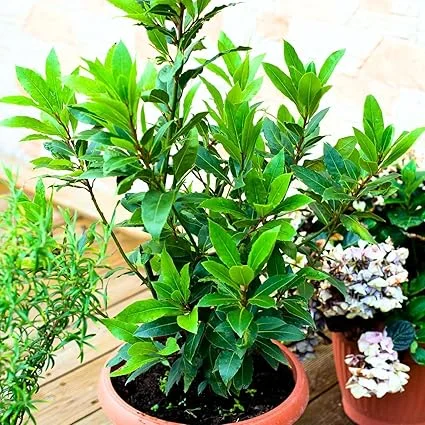
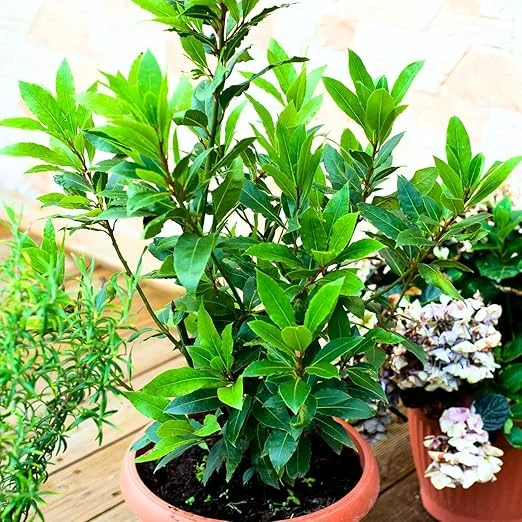
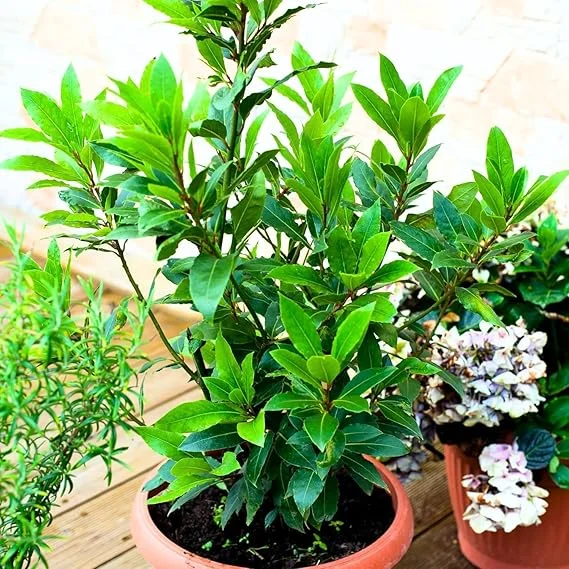
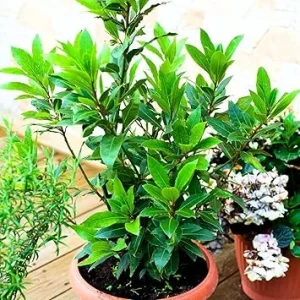
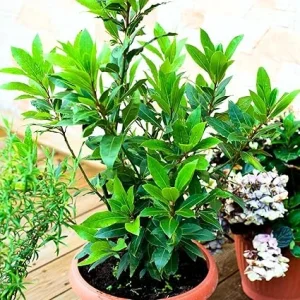
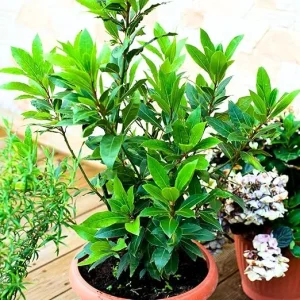
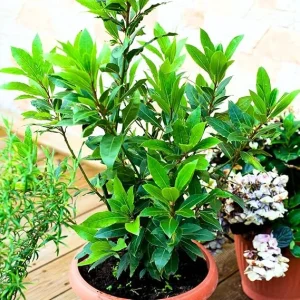
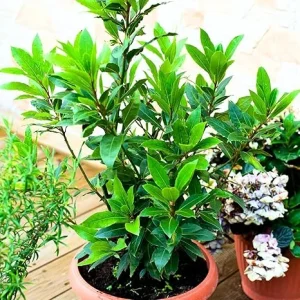
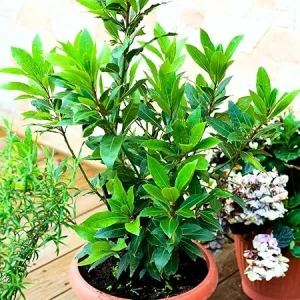
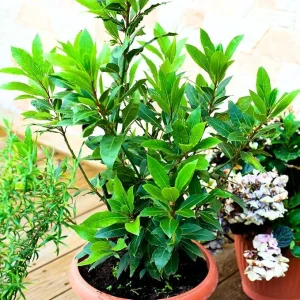
Introduce the timeless elegance and practical utility of the bay leaf live plant (Laurus nobilis) to your home or garden. This exquisite perennial offers both ornamental beauty and a continuous supply of aromatic leaves for culinary adventures. Also known as the sweet bay laurel tree, this plant is cherished for its glossy, evergreen foliage and the distinctive flavor its leaves impart to a wide array of dishes. Originating from the Mediterranean, the Laurus nobilis is a slow-growing, hardy specimen that adapts well to various environments, making it a perfect addition for both novice and experienced plant enthusiasts. Whether you’re looking to enhance your kitchen with fresh herbs or add a touch of classic sophistication to your landscape, this laurus nobilis plant is an excellent choice.
The bay leaf live plant is more than just a decorative accent; it’s a living herb garden at your fingertips. Its fragrant leaves are a staple in many cuisines, from stews and soups to sauces and roasts. Beyond its culinary uses, the sweet bay laurel is often shaped into elegant topiaries or allowed to grow into a stately shrub or small tree, providing year-round interest. This particular offering provides a healthy, young plant, typically 5-9 inches in height, ready to establish itself in your chosen location.
Key Benefits
Cultivating a bay leaf live plant brings a multitude of advantages, enriching your home and culinary experience. From its aesthetic appeal to its practical applications, this versatile plant is a true garden gem.
- Fresh Culinary Herb: Enjoy a constant supply of fresh bay leaves for cooking, enhancing the flavor of your favorite dishes with their unique aromatic profile. This is ideal for anyone interested in bay leaf culinary herb uses.
- Ornamental Beauty: With its attractive, dark green, glossy leaves, the sweet bay laurel tree adds a touch of classic elegance to any indoor space, patio, or garden.
- Versatile Growth: Can be grown as a compact houseplant, a patio container plant, or a small tree in the landscape, offering flexibility for various settings.
- Hardy and Resilient: Known for its robust nature, the Laurus nobilis is a relatively low-maintenance plant that tolerates a range of conditions once established.
- Air Purification: Like many live plants, the laurus nobilis plant contributes to a healthier indoor environment by naturally filtering air.
- Drought Tolerant: Once mature, bay laurel trees are quite tolerant of dry conditions, reducing the need for constant watering.
- Symbolic Significance: Historically associated with victory and honor, adding a bay leaf plant can bring a touch of classical symbolism to your surroundings.
Plant Care & Growing Tips
Caring for your bay leaf live plant is a rewarding experience, and with the right conditions, your plant will thrive for many years. This hardy evergreen prefers a sunny location but can tolerate some partial shade, especially in hotter climates. For optimal growth, provide at least 6 hours of direct sunlight daily. If growing indoors, place it near a south-facing window or use supplemental grow lights to ensure it receives adequate light. Rotate the plant periodically to ensure even growth.
Watering should be consistent but not excessive. Allow the top inch or two of soil to dry out between waterings. Overwatering can lead to root rot, so ensure your pot has good drainage. During active growing seasons (spring and summer), water more frequently, and reduce watering in the cooler months. The laurus nobilis plant thrives in well-draining soil. A good quality potting mix amended with perlite or sand is ideal for container growing. For outdoor planting, ensure the soil is rich in organic matter and drains freely.
The sweet bay laurel is hardy in USDA Zones 8-11. In colder zones, it is best grown in a container and brought indoors before the first frost. Protect it from harsh winter winds and extreme temperatures. Fertilize your bay leaf live plant with a balanced liquid fertilizer every 2-4 weeks during the growing season. Pruning can be done to maintain shape, size, and encourage bushier growth. Regular harvesting of leaves for culinary use also helps stimulate new growth. Watch out for common pests like scale insects and mealybugs, and treat them promptly with insecticidal soap if spotted. Understanding growing bay leaf plant requirements will ensure a healthy, productive specimen.
Size & Details
This offering is for one healthy bay leaf live plant, typically ranging from 5 to 9 inches in height from the base of the soil to the tip of the tallest leaf. It arrives as a well-rooted, young plant, ready for transplanting into a larger pot or directly into your garden, depending on your climate. The sweet bay laurel tree has a slow to moderate growth rate, allowing you to enjoy its manageable size for an extended period. With proper care, it can grow into a substantial shrub or a small tree, reaching 6-12 feet in containers and up to 30 feet when planted directly in the ground in suitable climates. The plant is shipped in a nursery pot with soil, ensuring its health and vitality upon arrival.
Frequently Asked Questions
- Q: How big does this plant get? A: This bay leaf live plant typically arrives 5-9 inches tall. When grown in a container, it can reach 6-12 feet, and up to 30 feet in the ground in ideal conditions.
- Q: Is this an indoor or outdoor plant? A: The sweet bay laurel tree is versatile. It can be grown outdoors in USDA Zones 8-11 and makes an excellent indoor houseplant or patio plant in colder zones, provided it receives adequate light.
- Q: How much sunlight does it need? A: This plant thrives in full sun, requiring at least 6 hours of direct sunlight per day. It can tolerate partial shade, especially in very hot climates.
- Q: Is this plant easy to care for? A: Yes, the laurus nobilis plant is considered relatively easy to care for, making it suitable for beginners. It requires consistent watering, good drainage, and protection from severe cold.
- Q: Can I use bay leaf in cooking? A: Absolutely! The leaves from your bay leaf culinary herb are perfect for adding a distinct flavor to soups, stews, sauces, and many other dishes.
- Q: What condition will it arrive in? A: Your plant will arrive healthy and well-packaged in its nursery pot with soil, ensuring it is ready for transplanting upon arrival.
- Q: When is the best time to plant? A: For outdoor planting, spring or early fall is ideal. If growing indoors, you can plant it any time of year.
- Q: What is the ideal soil type for this plant? A: A well-draining potting mix that is rich in organic matter is best. Amend with perlite or sand to improve drainage if needed.
- Q: Will it survive winter in my zone? A: It is hardy in USDA Zones 8-11. In colder zones, it must be brought indoors before the first frost to protect it from freezing temperatures.
- Q: How often should I fertilize? A: Fertilize every 2-4 weeks during the active growing season (spring and summer) with a balanced liquid fertilizer.


Reviews
There are no reviews yet.