Overview
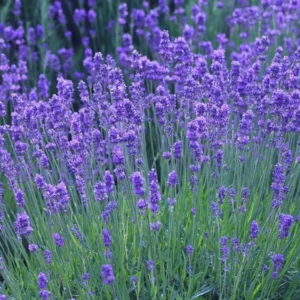
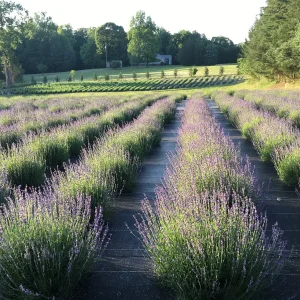
Introduce tranquility and beauty to your space with our premium lavender live plant. Sourced from well-rooted starter plants, these aromatic herbs are ready to thrive in your garden or a decorative container. Lavender, scientifically known as Lavandula, is cherished globally for its distinctive fragrance, beautiful purple blooms, and versatile applications, ranging from aromatherapy and culinary delights to ornamental landscaping. Each plant is carefully cultivated to ensure health and vigor upon arrival, providing you with a foundation for a flourishing garden. Our selection includes popular varieties known for their unique characteristics, ensuring you find the perfect lavender to suit your needs and climate. Whether you’re a seasoned gardener or a beginner, growing a fragrant lavender plant is a rewarding experience that enriches your environment with its calming presence.
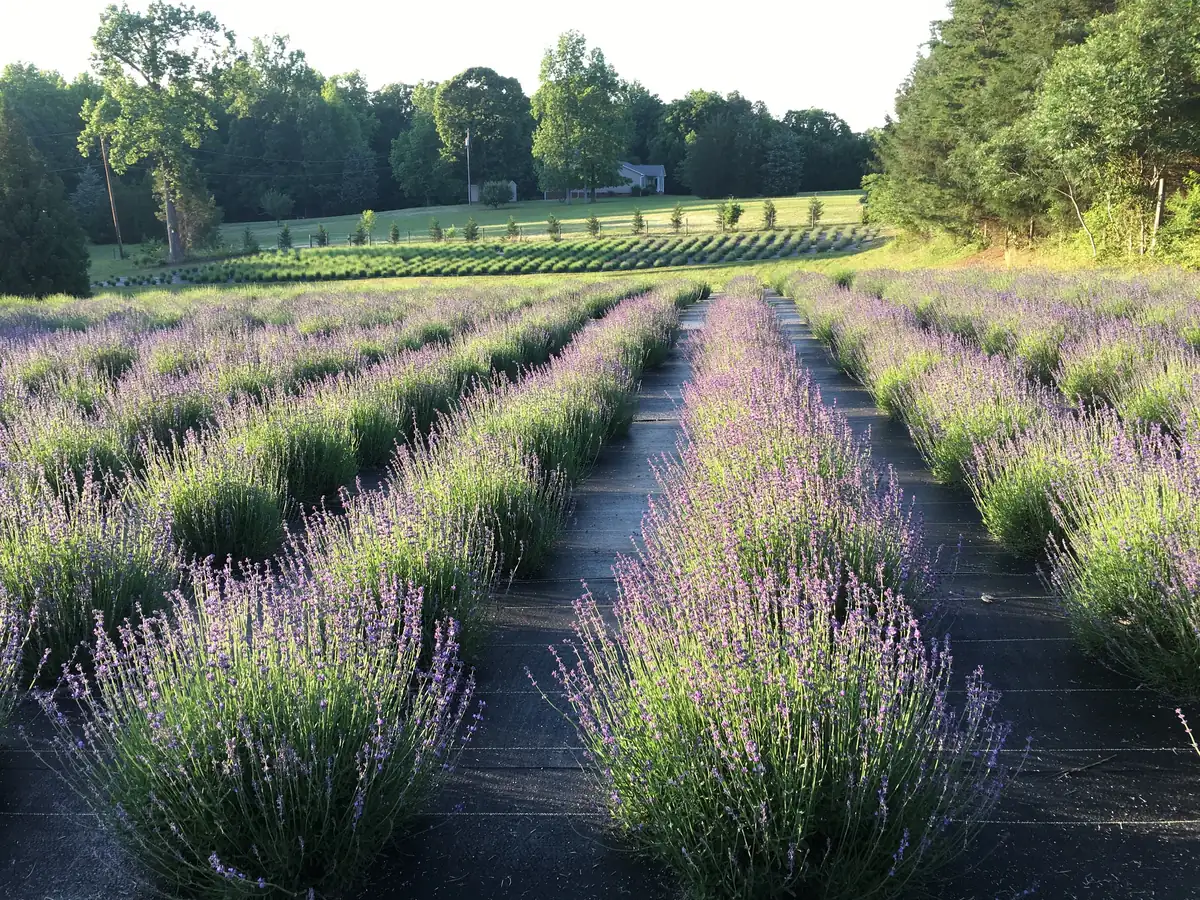
Cultivating lavender is more than just gardening; it’s about creating an oasis of calm and beauty. The gentle swaying of its purple spikes in the breeze and the sweet, earthy scent it releases are unparalleled. Our lavender live plant collection offers various types, each with specific growth habits, flower colors, and aromatic profiles. From drought-tolerant French lavenders to hardy English varieties, you can select the ideal plant for your specific growing conditions and aesthetic preferences. These plants are not just visually appealing; they also attract beneficial pollinators like bees and butterflies, contributing to a healthy ecosystem in your garden.
Key Benefits
A lavender live plant offers a multitude of advantages beyond its undeniable beauty. Its aromatic properties are well-documented, making it a popular choice for enhancing well-being and adding a sensory dimension to any space.
- Soothing Aroma: The iconic fragrance of lavender is renowned for its calming and stress-reducing effects. Having a lavender live plant nearby can help create a serene environment, perfect for relaxation and improving sleep quality.
- Culinary Versatility: Many lavender varieties are edible and can be used to infuse dishes, teas, and desserts with a unique floral and slightly sweet flavor. It’s an essential herb for adventurous cooks and bakers.
- Pollinator Magnet: Lavender flowers are highly attractive to bees, butterflies, and other beneficial insects, making it an excellent choice for supporting local ecosystems and promoting biodiversity in your garden.
- Drought-Tolerant & Low Maintenance: Once established, most lavender varieties are remarkably resilient, requiring minimal watering and care. They thrive in sunny, well-drained conditions, making them ideal for gardeners seeking beautiful, yet easy-to-manage plants.
- Natural Pest Repellent: The strong scent of lavender can naturally deter common garden pests like mosquitoes, flies, and deer, offering a natural and pleasant alternative to chemical repellents.
- Spa Plant Benefits: Beyond its use in aromatherapy, the presence of a spa plant benefits overall well-being, providing a visual and olfactory connection to nature that promotes relaxation and mental clarity.
- Ornamental Beauty: With its elegant purple spikes and often silvery-green foliage, lavender adds significant aesthetic value to borders, rock gardens, containers, and as a hedge.
Plant Care & Growing Tips
Caring for your lavender live plant is relatively straightforward, as these herbs are known for their hardiness. Proper care ensures vigorous growth and abundant blooms. Lavender thrives in full sun, meaning at least 6-8 hours of direct sunlight per day. Choose a location in your garden that receives ample sun exposure, or if growing in containers, place them on a south-facing patio or window. Good air circulation is also important to prevent fungal diseases.
When it comes to soil, lavender prefers well-draining conditions. It does not tolerate wet feet, which can lead to root rot. A sandy or gravelly loam with a neutral to slightly alkaline pH is ideal. If your garden soil is heavy clay, amend it with sand, grit, or organic matter to improve drainage. For container growing, use a high-quality potting mix formulated for herbs or succulents. Water your lavender live plant deeply but infrequently. Allow the soil to dry out completely between waterings. Overwatering is the most common cause of lavender failure. Once established, lavender is quite drought-tolerant.
Most lavender varieties are hardy in USDA zones 5-9, though some can extend to zones 10-11, particularly perennial types like Bucii Pinnata. Pruning is crucial for maintaining the plant’s shape and promoting new growth and flowering. Prune in early spring after the last frost, removing about one-third of the plant’s growth, and again lightly after the first flush of flowers to encourage a second bloom. Fertilization is rarely needed; lavender prefers lean soil. If your plant shows signs of nutrient deficiency, use a balanced, slow-release fertilizer sparingly. Keep an eye out for common pests like whiteflies or aphids, which can usually be managed with organic insecticidal soap. Understanding lavender garden care will help your plant flourish for years.
Size & Details
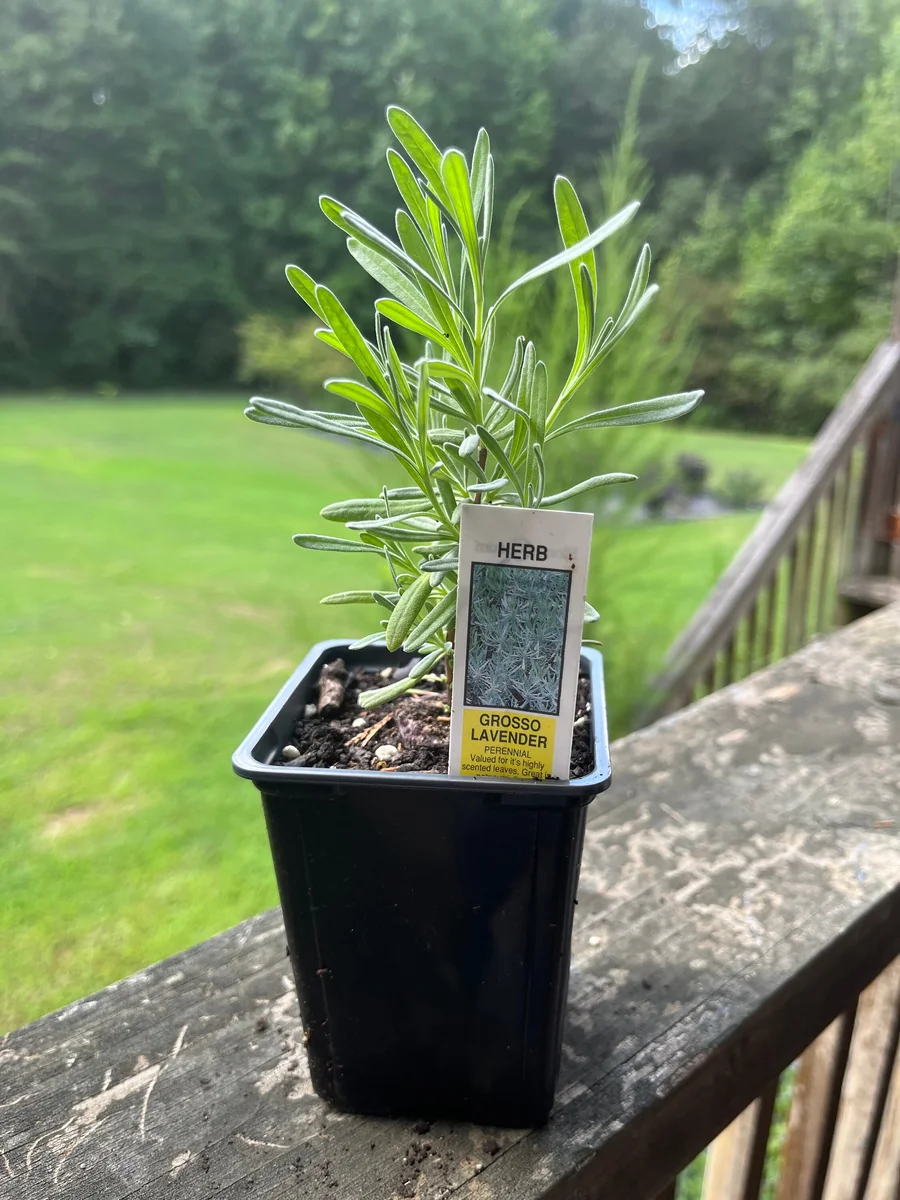
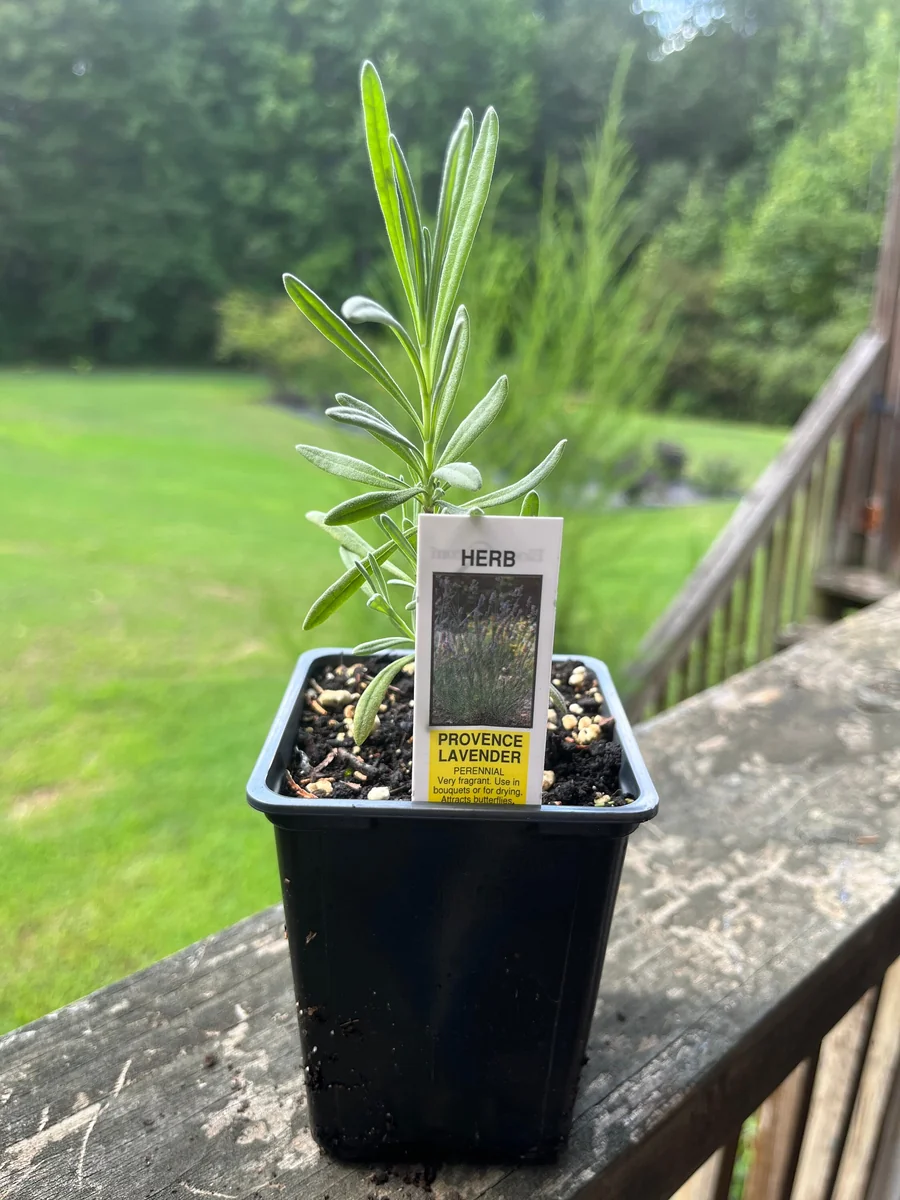
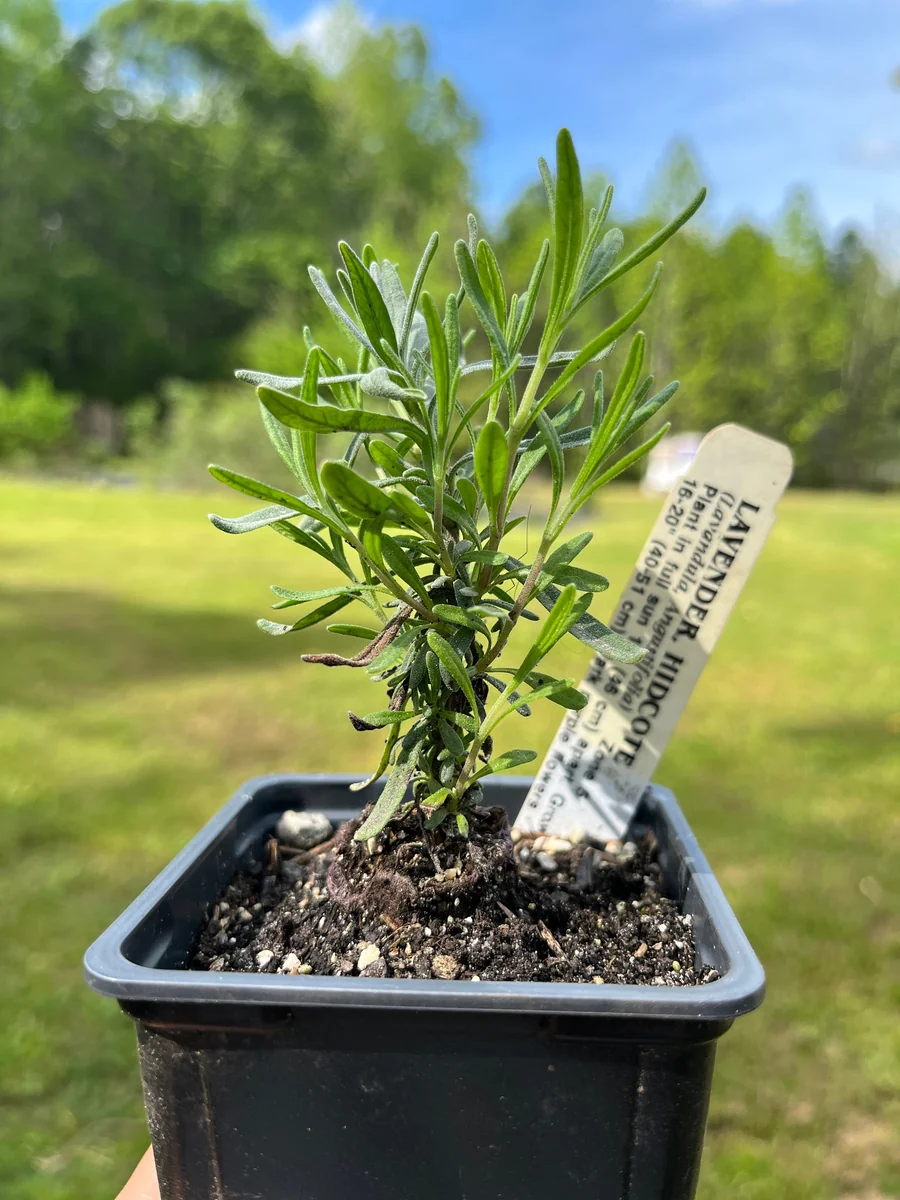
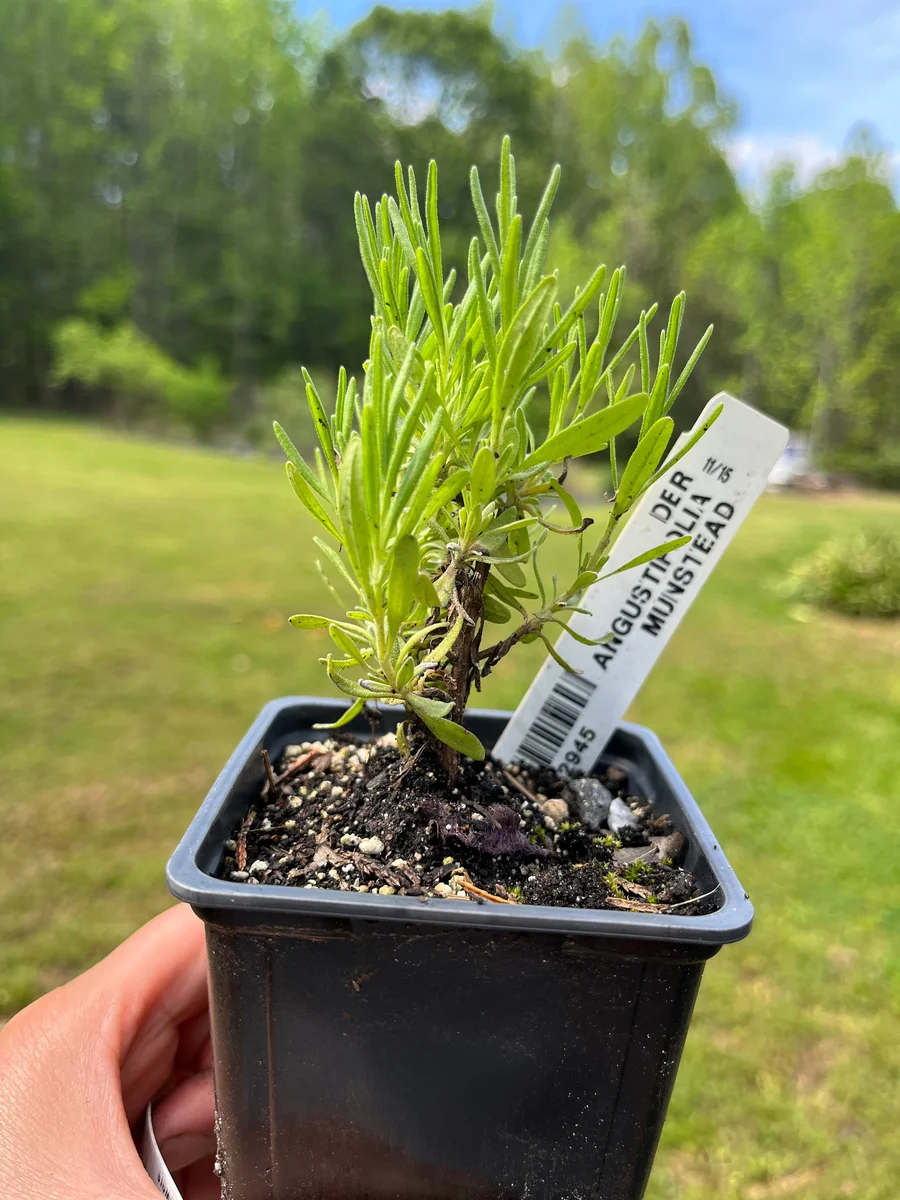
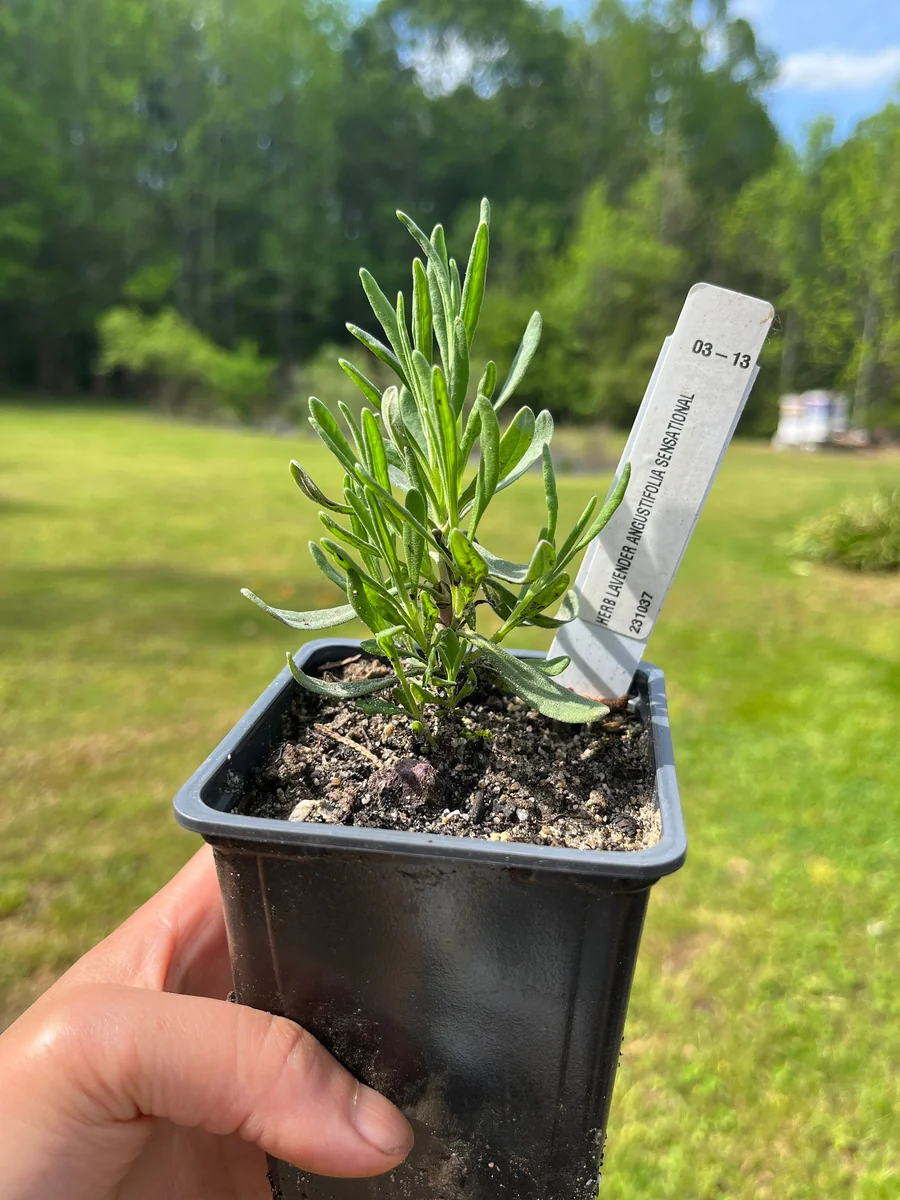
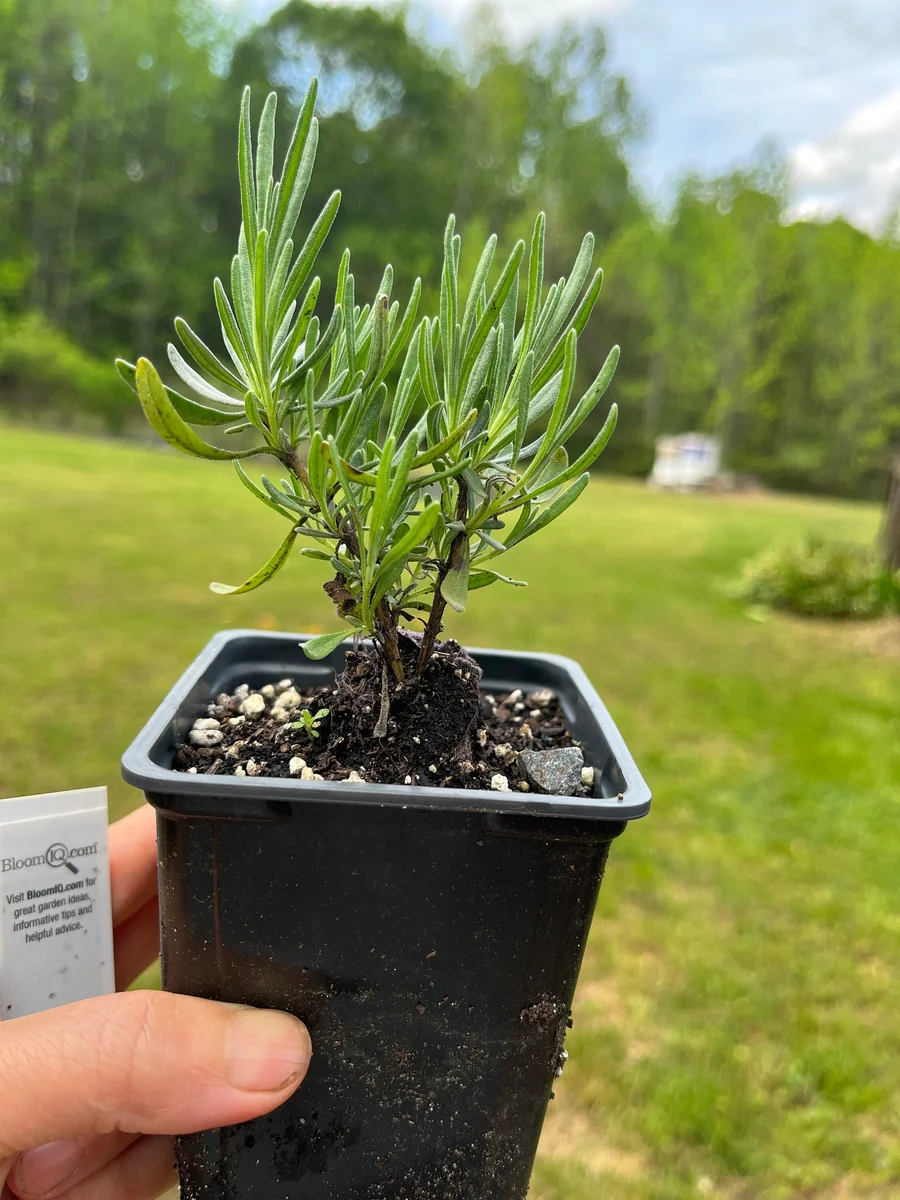
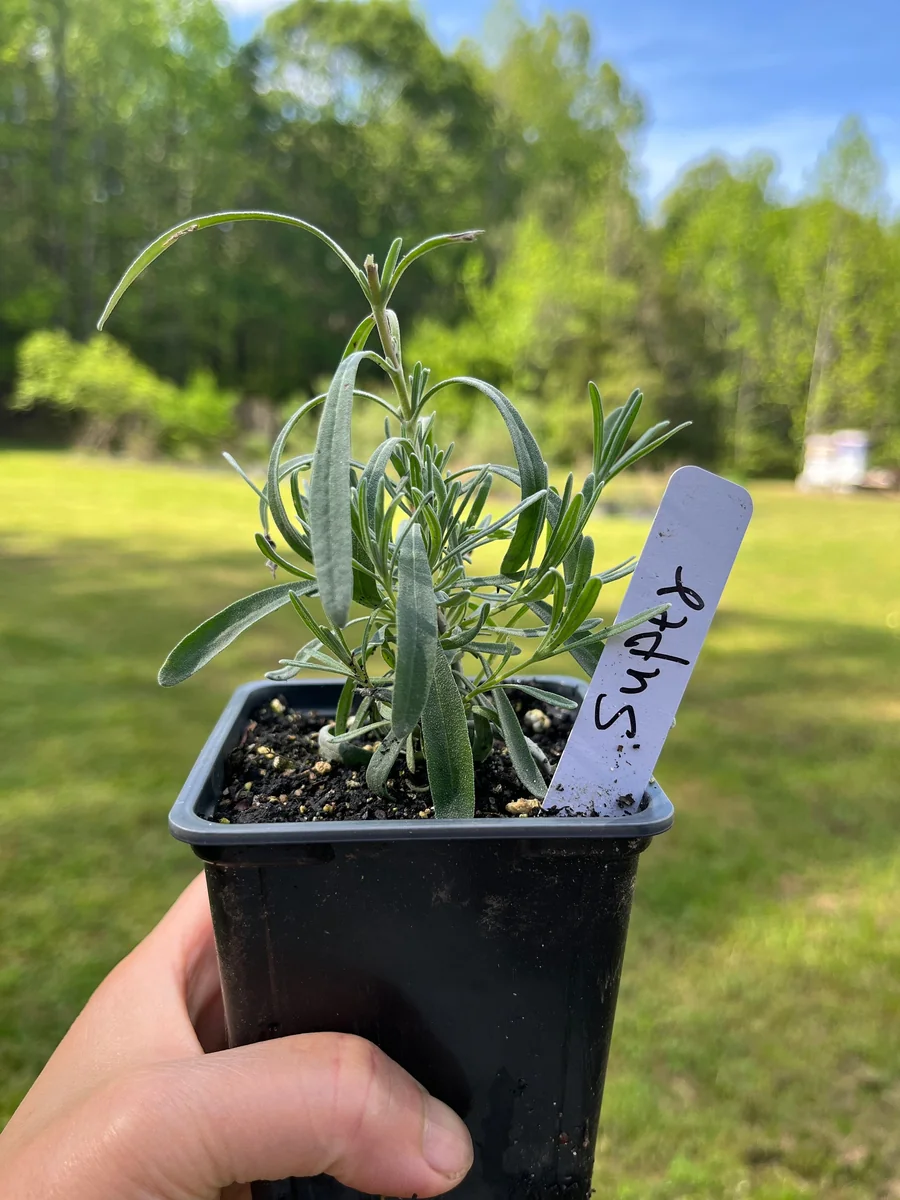
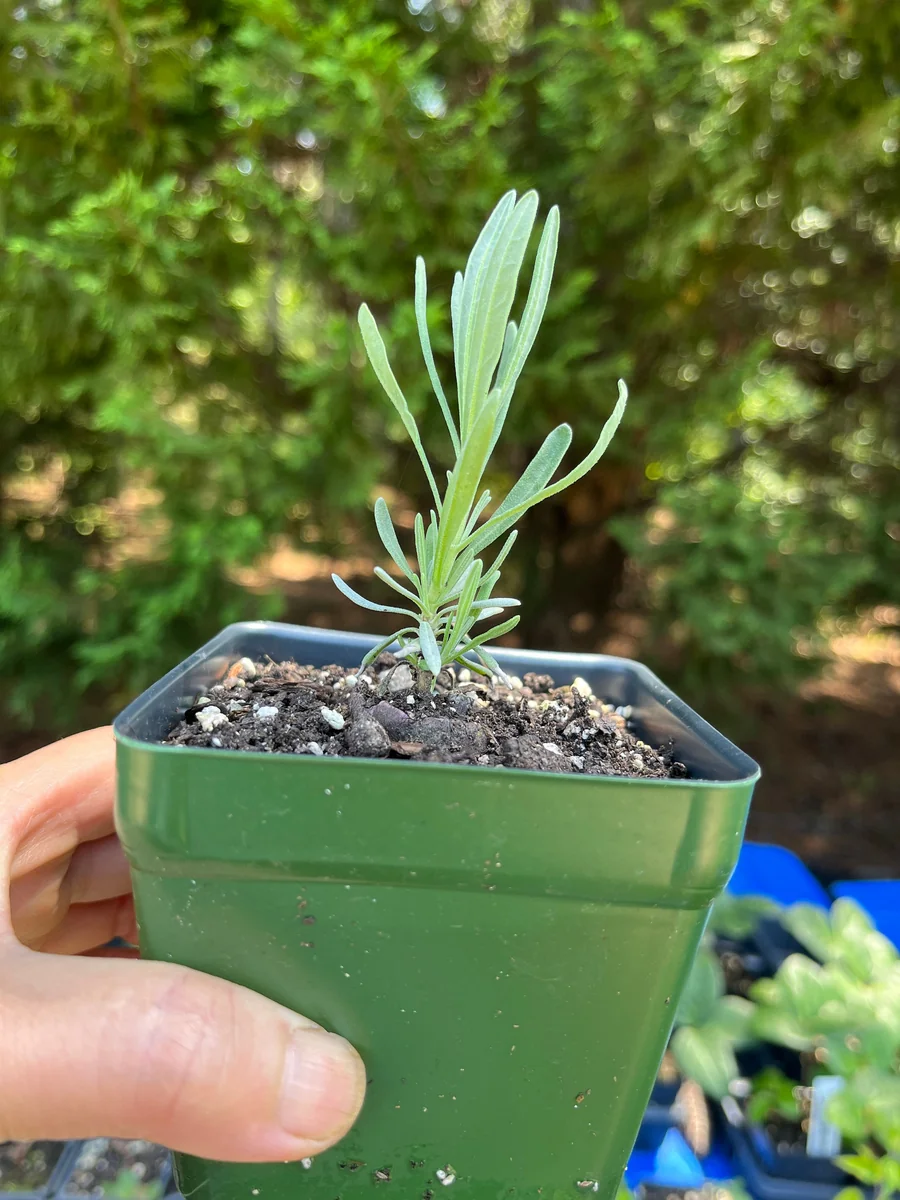
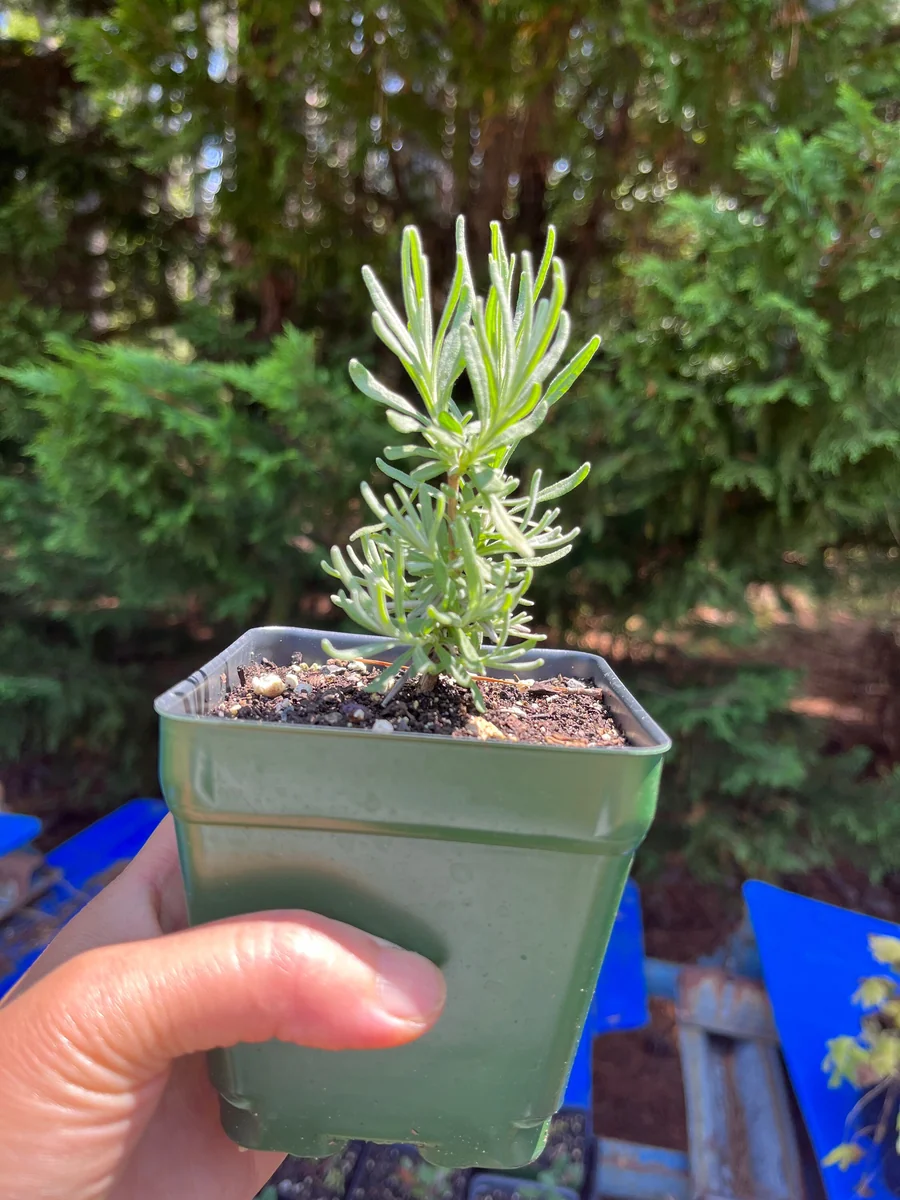
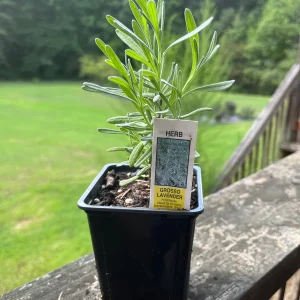
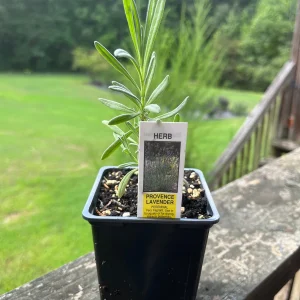
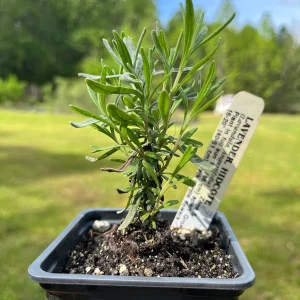
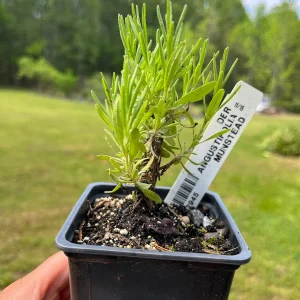
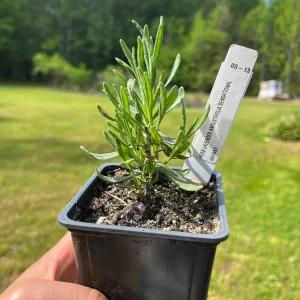
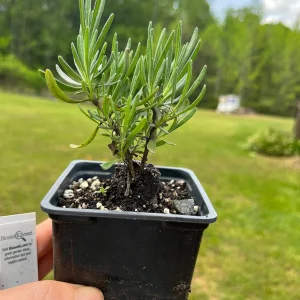
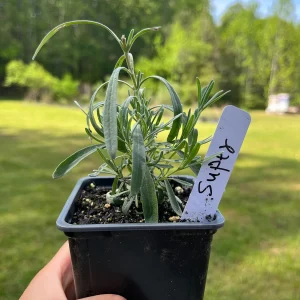
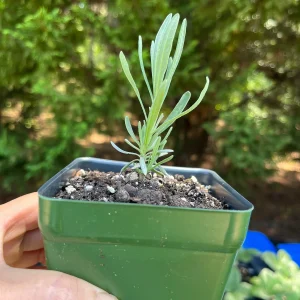
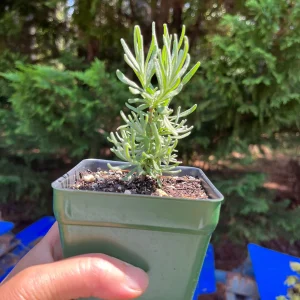
Each lavender live plant is a healthy, well-rooted starter plant, shipped in a 3 1/4-inch pot, ready for transplanting into its final location. The exact size of the plant can vary slightly depending on the specific variety, but all are robust enough to establish quickly once planted. These starter plants are ideal for immediate transplanting into larger containers or directly into your garden bed. Expect these plants to establish well within 4-6 weeks for landscape applications. They are designed to provide a strong start to your lavender cultivation, whether you’re aiming for a small herb garden or a larger aromatic landscape feature. The growth rate and mature size will depend on the chosen variety and local growing conditions, but generally, lavender plants can reach heights of 1-3 feet with a similar spread.
Our commitment is to provide plants that are healthy and ready to grow. While the initial size is consistent for a starter plant, the ultimate display of blooms and foliage will be a testament to your ongoing care and the specific characteristics of your chosen lavender variety. These plants are perfect for individuals looking to cultivate their own source of aromatic foliage and beautiful flowers, contributing to both the aesthetics and sensory experience of their outdoor or indoor spaces. Consider the mature size of the variety when planning your planting layout to ensure adequate space for growth.
Frequently Asked Questions
- Q: How big does this lavender live plant get? A: The mature size of your lavender plant will depend on the specific variety you choose. Most varieties grow between 1 to 3 feet tall and wide, though some can be more compact or spread further. Please refer to the variety descriptions for more specific size expectations.
- Q: What size pot does it come in? A: Each lavender live plant is shipped in a 3 1/4-inch pot. These are well-rooted starter plants designed to be transplanted into a larger container or directly into your garden upon arrival.
- Q: Is this an indoor or outdoor plant? A: Lavender is primarily an outdoor plant that thrives in full sun. However, it can be grown indoors in a very sunny location with good air circulation, especially if you select a more compact variety. It’s essential to provide ample light for the best results.
- Q: How much sunlight does it need? A: Lavender requires at least 6-8 hours of direct sunlight per day to flourish and produce abundant blooms and strong fragrance. Full sun exposure is critical for its health and vigor.
- Q: Is this plant easy to care for? A: Yes, lavender is generally considered an easy-to-care-for plant, especially once established. It prefers well-draining soil, full sun, and infrequent watering. It’s a great choice for gardeners looking for a low-maintenance yet rewarding plant.
- Q: What condition will it arrive in? A: We guarantee that the plants we ship are in good health when they leave our farm. They are well-rooted starter plants, carefully packaged to ensure they arrive ready to transplant.
- Q: Can I use this lavender in cooking? A: Many lavender varieties, particularly English lavenders (Lavandula angustifolia), are suitable for culinary use. Varieties like ‘Munstead’ and ‘Hidcote Blue’ are commonly used. Always verify the specific variety’s culinary safety before consumption.
- Q: When is the best time to plant lavender? A: The best time to plant lavender is in the spring after the last frost, allowing it ample time to establish before the heat of summer or the cold of winter. Fall planting is also possible in milder climates.
- Q: Will it survive winter in my zone? A: Lavender’s winter hardiness varies by variety. Most popular types are hardy in USDA Zones 5-9. Check the specific hardiness zone for the variety you are interested in to ensure it will thrive in your climate.
- Q: What’s the minimum temperature it can tolerate? A: The minimum temperature tolerance depends on the lavender variety. For instance, some English lavenders can withstand temperatures down to -20°F (-29°C), while tender varieties like Fern Leaf Lavender (Bucii Pinnata) cannot tolerate frost and are best grown in zones 9-11 or as annuals in colder climates.
- Q: Are these aromatic herbs for sale good for making essential oils? A: Certain lavender varieties, such as ‘True Gross French Lavender’ and ‘Super Lavender’, are known for their high oil content and are excellent for essential oil production, as well as for sachets and dried arrangements.


Reviews
There are no reviews yet.