Overview
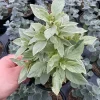
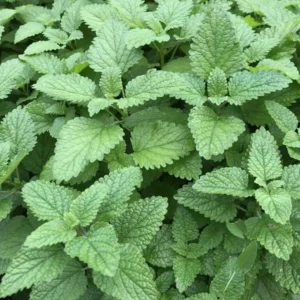
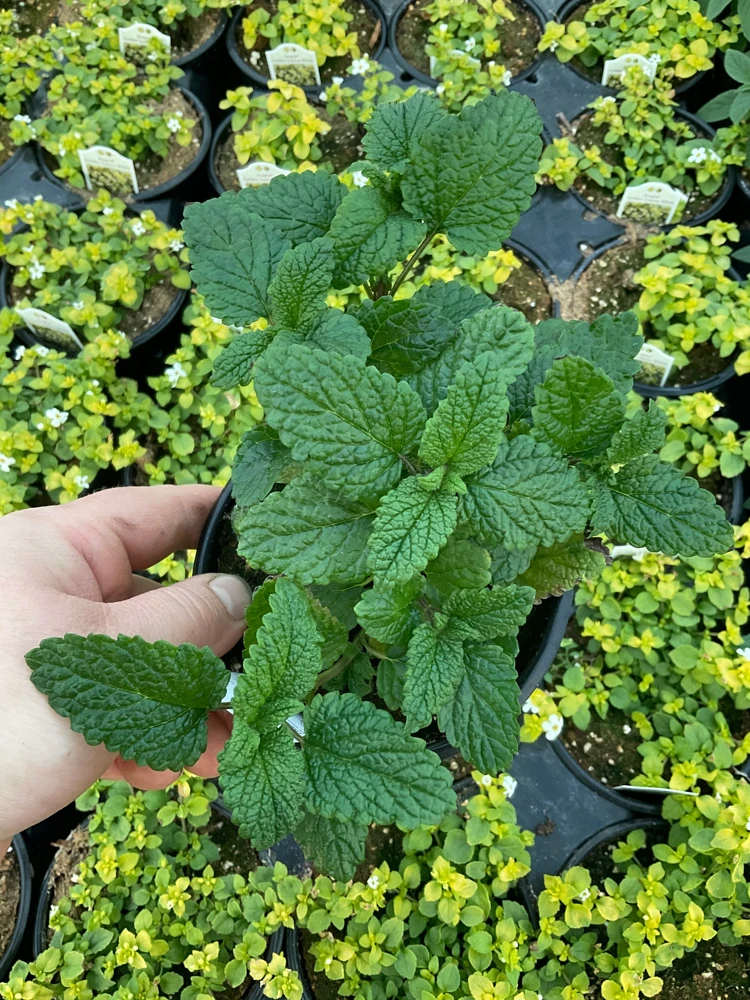
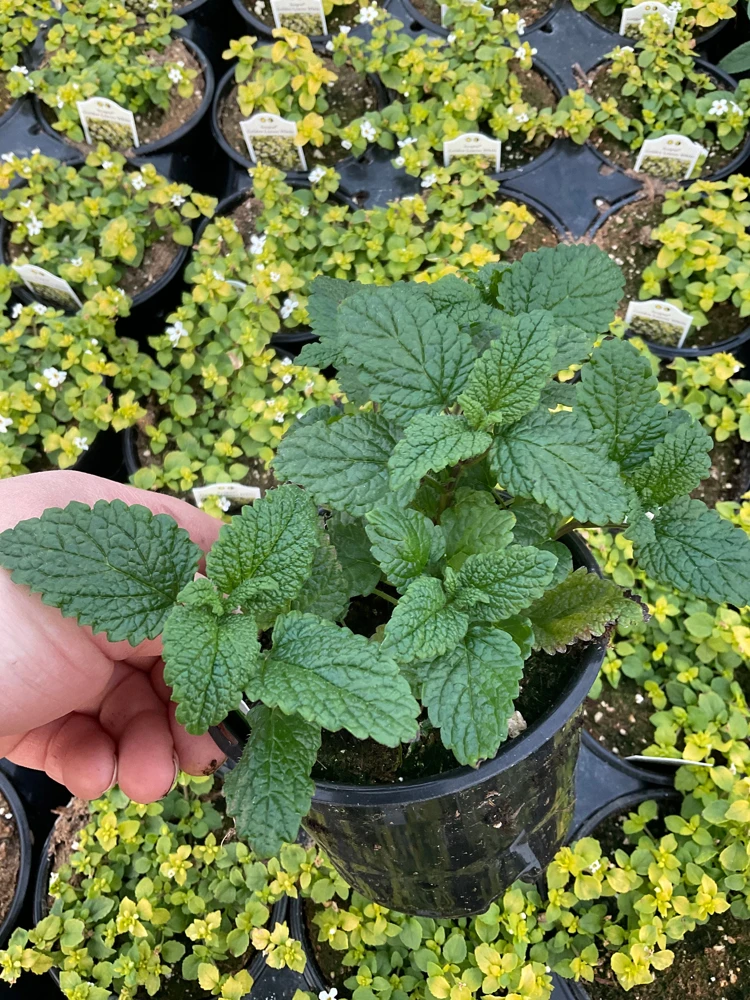
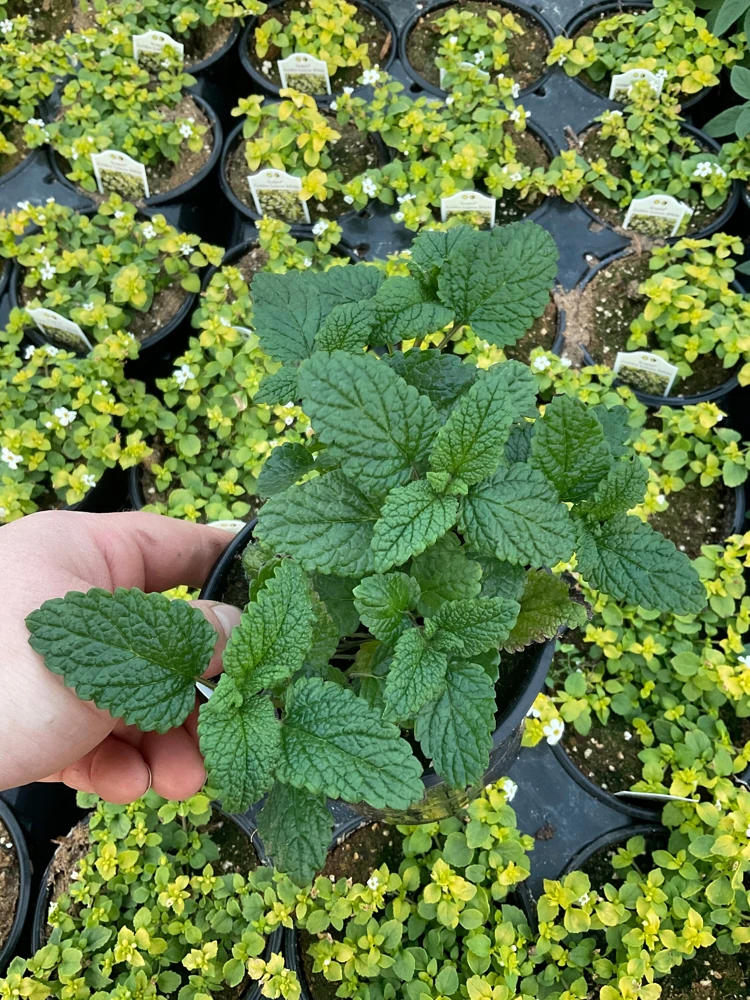
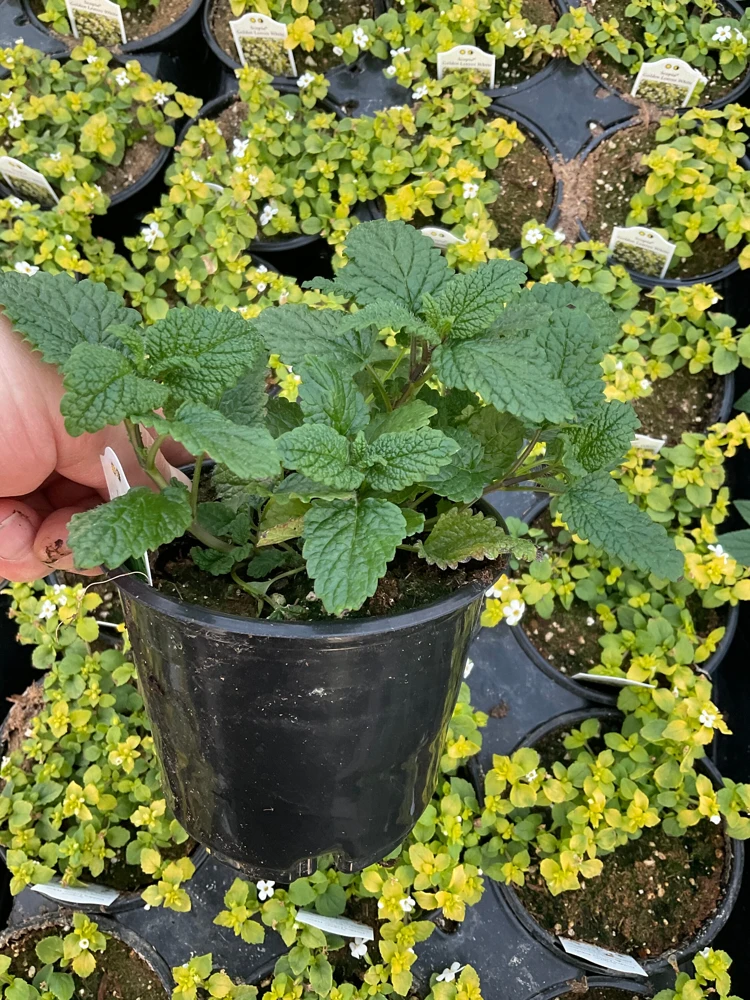
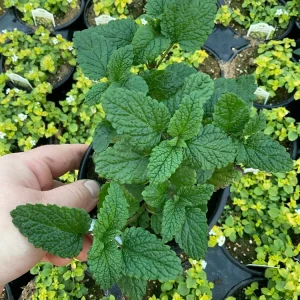
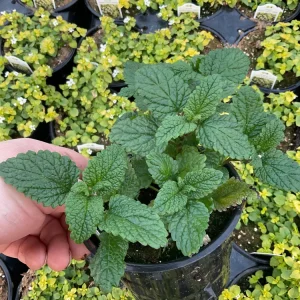
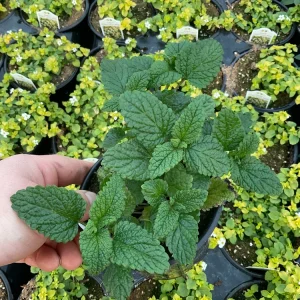
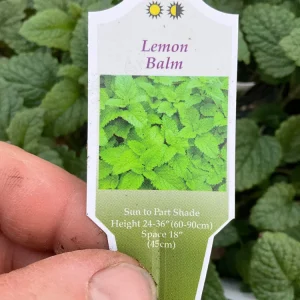
Discover the joy of cultivating your very own lemon balm live plant (Melissa officinalis), a beloved herb renowned for its refreshing citrusy aroma and versatile uses. This vigorous plant, arriving well-established in a 4.5 inch pot, is ready to thrive in your garden, patio container, or even indoors on a sunny windowsill. Often associated with calmness and well-being, the lemon balm live plant is a fantastic addition for both novice and experienced gardeners. Its bright green, heart-shaped leaves release a delightful lemony fragrance when brushed or crushed, making it a sensory delight. Beyond its aromatic appeal, lemon balm is a resilient and low-maintenance herb that quickly establishes itself, offering a continuous supply of fresh leaves for teas, culinary creations, and aromatherapy.
Known by its botanical name Melissa officinalis, this perennial herb is a member of the mint family, though it lacks the aggressive spreading habit of some mint varieties. Our lemon balm live plant is carefully nurtured to ensure it arrives healthy and ready to grow, providing you with a head start on enjoying its numerous benefits. Whether you’re looking to enhance your herbal tea collection, add a fresh zest to your cooking, or simply enjoy a beautiful, fragrant plant, lemon balm is an excellent choice.
Key Benefits
Adding a lemon balm live plant to your home or garden offers a multitude of advantages, from its delightful scent to its practical uses. This versatile herb is a must-have for anyone seeking to embrace natural remedies or enhance their culinary repertoire.
- Aromatic Delight: The primary appeal of lemon balm is its strong, pleasant lemon scent, which can uplift spirits and add a refreshing ambiance to any space. Crush a few leaves to release a burst of citrus.
- Culinary Versatility: Fresh lemon balm leaves are perfect for infusing in teas, adding to salads, flavoring desserts, garnishing drinks, or even making herbal vinegars and oils. Its delicate lemon flavor complements many dishes.
- Attracts Pollinators: The small, white flowers of the lemon balm live plant are a magnet for bees, butterflies, and other beneficial pollinators, making it an excellent choice for a pollinator-friendly garden.
- Easy to Grow: This hardy herb is remarkably forgiving and requires minimal care once established. It tolerates a range of soil conditions and is generally pest-resistant, making it ideal for beginners.
- Potential Calming Properties: Historically, lemon balm has been used in traditional medicine for its purported calming effects, often brewed as a tea to help with relaxation and promote restful sleep.
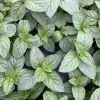
- Beautiful Foliage: With its bright green, slightly crinkled, heart-shaped leaves, the lemon balm live plant adds attractive texture and color to herb gardens, mixed borders, or container arrangements.
- Natural Insect Repellent: The strong citrus scent of lemon balm can help deter certain insects, making it a pleasant natural addition near outdoor seating areas.
Plant Care & Growing Tips
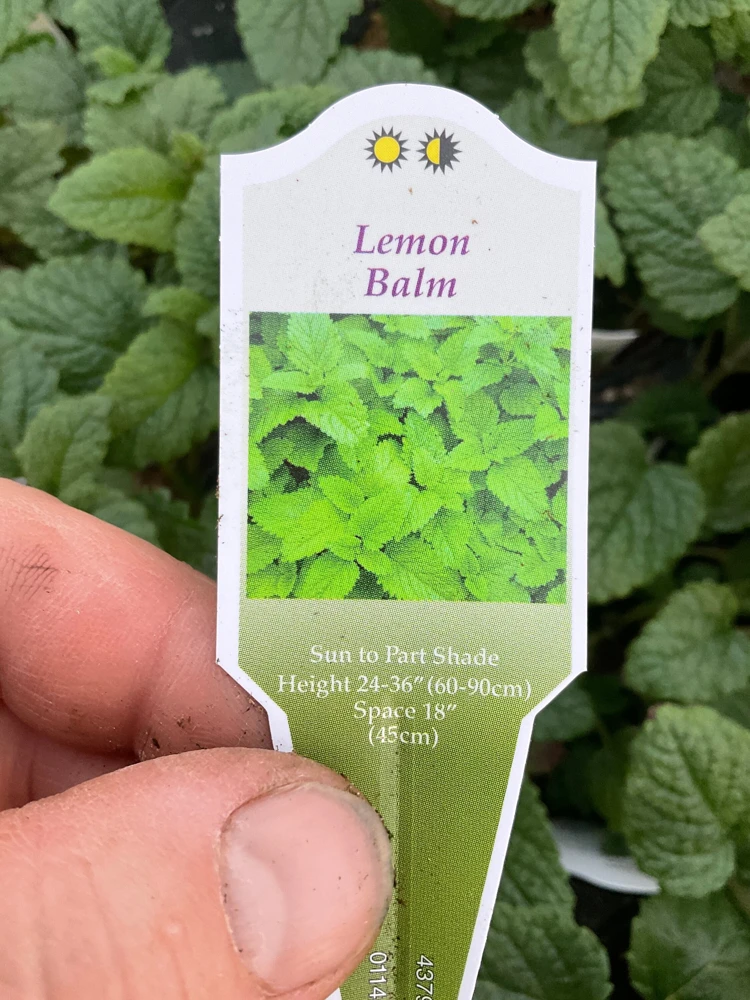
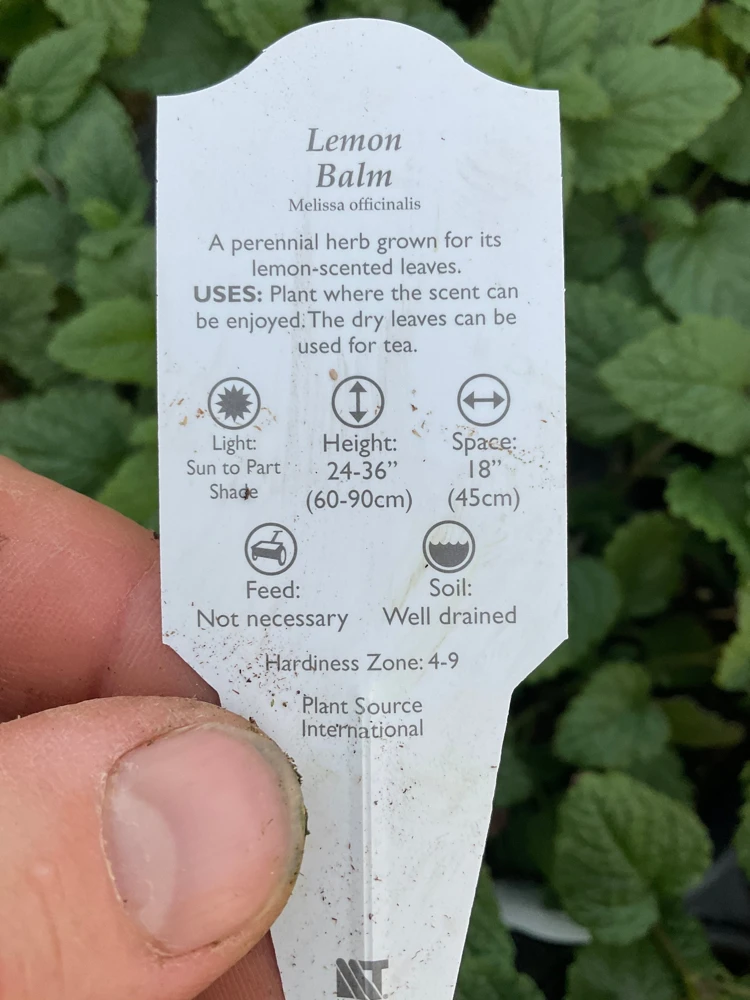
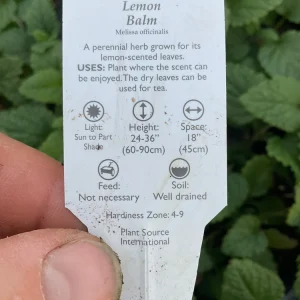
Caring for your lemon balm live plant is straightforward, making it a rewarding experience for gardeners of all levels. This resilient herb thrives with basic attention and will generously provide you with its fragrant leaves. For optimal growth, plant your lemon balm in a location that receives at least 5-6 hours of direct sunlight daily. While it can tolerate partial shade, especially in hotter climates, full sun encourages denser growth and a stronger aroma. If growing indoors, place your lemon balm live plant in a south or west-facing window where it can receive ample bright light.
When it comes to watering, lemon balm prefers consistently moist, but not waterlogged, soil. Water thoroughly when the top inch of soil feels dry to the touch. Ensure good drainage to prevent root rot, as soggy conditions are detrimental. During hot, dry spells, you may need to water more frequently. Lemon balm is not particularly fussy about soil type but thrives in well-draining, moderately rich soil with a pH between 6.0 and 7.0. Amending heavy clay soils with compost or sand can improve drainage. Fertilization is generally not heavily required; a light application of balanced liquid fertilizer once a month during the growing season is sufficient, or simply incorporate compost into the soil annually. Growing lemon balm is very adaptable to various conditions.
Lemon balm is a perennial and is hardy in USDA zones 4-9. It can withstand light frosts but may die back to the ground in colder winter climates, regrowing vigorously in spring. Pruning is essential to maintain a bushy shape and encourage new growth. Pinch back the top few inches of stems regularly, especially before the plant flowers, to prevent it from becoming leggy and to promote leaf production. If you want to prevent self-seeding, cut back flower stalks before they go to seed. Common problems are rare, but watch for powdery mildew in humid conditions; ensure good air circulation to prevent this. Overall, lemon balm care is very low maintenance.
Size & Details
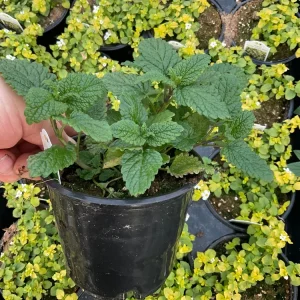
Your lemon balm live plant will arrive well-established and actively growing in a 4.5 inch nursery pot with soil. This size provides a robust root system, ensuring a smooth transition to your garden or larger container. At maturity, lemon balm typically grows to a height of 18-24 inches and spreads about 12-18 inches wide, forming a bushy, mounding habit. Its growth rate is moderate to fast, especially in ideal conditions, allowing you to enjoy a substantial harvest relatively quickly. The plant is shipped securely to minimize stress during transit, ready for immediate planting upon arrival. Expect vigorous growth throughout the spring and summer months, providing a continuous supply of fragrant leaves.
This herb is known for its resilience and ability to thrive in various settings, from dedicated herb gardens to mixed perennial borders or even as a cheerful container plant on a patio. The 4.5 inch pot size is an excellent starting point, allowing the plant to establish itself before needing a larger home. With proper care, your lemon balm will become a productive and beautiful addition to your green space, offering its delightful aroma and versatile uses for many seasons to come. This mellisa officinalis specimen is a fantastic choice for any gardener.
Frequently Asked Questions
- Q: How big does this plant get? A: Your lemon balm live plant typically grows to about 18-24 inches tall and spreads 12-18 inches wide. Regular pruning can help maintain a more compact size and encourage bushier growth.
- Q: What size pot does it come in? A: The lemon balm live plant you receive will be well-established and growing in a 4.5 inch nursery pot with soil. This size is ideal for transplanting into a larger container or directly into your garden.
- Q: Is this an indoor or outdoor plant? A: Lemon balm can thrive both indoors and outdoors. Outdoors, it prefers full sun to partial shade. Indoors, place it in a bright, sunny window. It’s a versatile herb for many settings.
- Q: How much sunlight does it need? A: For best results and the strongest aroma, your lemon balm live plant needs at least 5-6 hours of direct sunlight per day. It can tolerate some afternoon shade, especially in hot climates.
- Q: Is this plant easy to care for? A: Yes, lemon balm is considered a very easy-to-care-for herb, making it excellent for beginners. It’s quite forgiving and resilient, requiring basic watering, sunlight, and occasional pruning.
- Q: What condition will it arrive in? A: Your lemon balm live plant will be shipped fresh from our greenhouse, well-established and growing in its pot with soil, carefully packaged to ensure it arrives healthy and ready to thrive.
- Q: Can I use lemon balm in cooking? A: Absolutely! Lemon balm leaves have a delightful lemony flavor and aroma, perfect for teas, salads, desserts, garnishing drinks, and flavoring poultry or fish dishes.
- Q: How long until it blooms? A: Lemon balm typically produces small, white flowers in late spring to mid-summer. While the flowers are attractive to pollinators, the leaves are generally harvested before flowering for best flavor.
- Q: Will it survive winter in my zone? A: Lemon balm is hardy in USDA zones 4-9. In colder zones, it may die back to the ground in winter but will usually regrow vigorously from the roots in spring. In warmer zones, it can remain evergreen.
- Q: What’s the minimum temperature it can tolerate? A: As a hardy perennial, lemon balm can tolerate temperatures down to about -20°F (-29°C) in its dormant state, though prolonged freezing temperatures can damage foliage.


Reviews
There are no reviews yet.