Overview
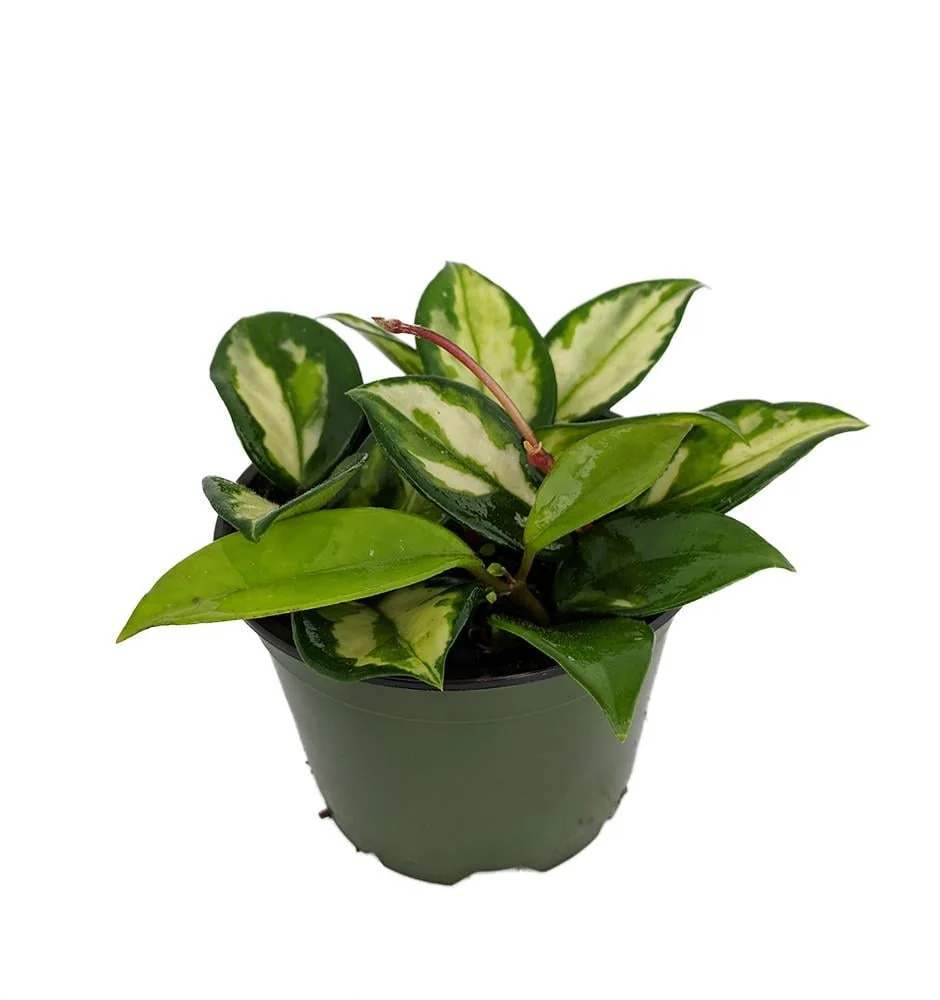
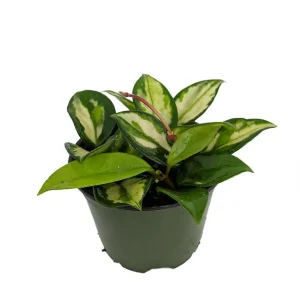
Bring elegance and natural beauty into your living space with the exquisite lemon & cream hoya carnosa. This exceptional live houseplant, scientifically known as Hoya carnosa ‘Exotica’, is a true gem among indoor plants. Originating from Eastern Asia and Australia, Hoya carnosa has captivated plant lovers for centuries with its unique waxy foliage and delicate, porcelain-like flowers. Often referred to simply as a wax plant, this variety boasts attractive variegation that adds a touch of sophistication to any room. Its robust nature makes it an excellent choice for both novice and experienced gardeners seeking a low-maintenance yet visually striking addition to their collection. The plant you will receive is a thriving specimen, carefully nurtured in a 4 inch pot, ensuring it arrives healthy and ready to flourish in its new home.
The lemon & cream hoya carnosa is renowned for its charming aesthetic and surprisingly resilient character. Its trailing habit makes it ideal for hanging baskets or allowing it to cascade from shelves, creating a lush, green display. The distinctive ‘Exotica’ cultivar offers beautiful cream and yellow tones, creating a vibrant contrast against its deep green leaves. This plant is more than just decorative; it’s a living piece of art that promises to bring tranquility and a breath of fresh air to your indoor environment. Enjoy the subtle beauty and ease of care that this magnificent hoya plant for sale provides.
Key Benefits
The lemon & cream hoya carnosa offers numerous advantages, making it a highly sought-after houseplant. Its combination of beauty and resilience makes it a fantastic choice for enhancing indoor aesthetics and promoting well-being.
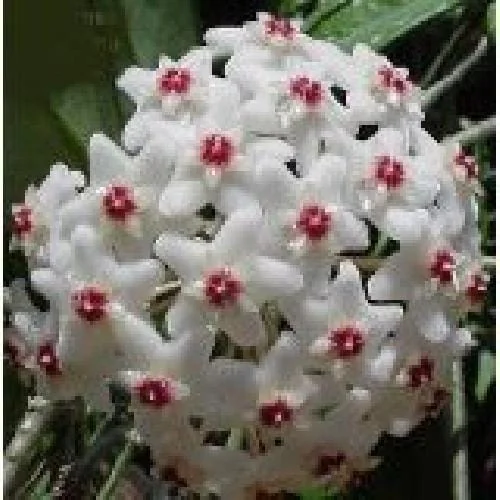
- Stunning Ornamental Value: The variegated foliage of this lemon & cream hoya carnosa features beautiful creamy-yellow and green patterns, providing year-round visual interest. When it blooms, clusters of star-shaped, pink-white flowers emerge, adding an extra layer of delicate beauty that appears almost sculpted from porcelain.
- Easy Care Houseplant: Known for its forgiving nature, this wax plant is an excellent choice for beginners and busy individuals. It tolerates a range of indoor conditions and doesn’t demand constant attention, making it one of the easiest easy care houseplants to maintain.
- Air Purifying Qualities: Like many houseplants, the hoya carnosa exotica contributes to a healthier indoor environment by helping to filter airborne toxins. It can improve air quality, promoting a fresher and more pleasant atmosphere in your home or office.
- Unique Bloom Structure: The flowers of the Hoya carnosa are truly unique, resembling intricate stars with a waxy texture. These fragrant blossoms appear in summer and are a delightful reward for minimal effort, adding an exotic touch to your home.
- Versatile Display Options: With its vining growth habit, the lemon & cream hoya carnosa is perfect for hanging baskets, allowing its beautiful foliage to gracefully trail. It can also be trained to climb a small trellis or allowed to spill from a shelf, adapting to various decor styles.
- Long-Lived Plant: Hoya plants are known for their longevity, often thriving for many years with proper care. Investing in a hoya plant for sale means acquiring a enduring botanical companion that will enrich your space for a long time.
- Low Water Needs: Once established, this wax plant is quite drought-tolerant. It prefers to dry out between waterings, reducing the frequency of maintenance and making it suitable for those who sometimes forget to water.
Plant Care & Growing Tips
Caring for your lemon & cream hoya carnosa is straightforward, making it a joy to grow. Providing the right conditions will ensure a healthy and vibrant plant that rewards you with beautiful foliage and potential blooms. This wax plant care guide will help you maintain its splendor.
Sunlight Requirements: The lemon & cream hoya carnosa thrives in at least 4 hours of bright, indirect, or curtain-filtered sunlight. Avoid direct, harsh afternoon sun, which can scorch its delicate leaves, especially the variegated parts. An east-facing window is often ideal, providing gentle morning sun, or a few feet back from a south or west-facing window. Insufficient light can lead to a lack of blooms and less vibrant foliage, while too much direct light can cause yellowing or browning of the leaves.
Watering Schedule and Soil Moisture: Water freely during the active growing and flowering periods, typically in spring and summer. However, it’s crucial to allow the soil to become almost completely dry between waterings. Overwatering is a common killer of Hoyas, leading to root rot. During the cooler, less active months, reduce watering frequency significantly, allowing the soil to stay dry for longer periods. The soil should be well-draining to prevent waterlogging. A good way to check is to insert your finger about 2 inches into the soil; if it feels dry, it’s time to water.
Soil Type and Drainage: A well-draining potting mix is essential for the health of your hoya carnosa exotica. A mix designed for succulents or orchids, or a standard potting mix amended with perlite, orchid bark, or coarse sand, will provide the necessary aeration and drainage. This prevents water from sitting around the roots and protects against fungal issues. Ensure your pot has drainage holes.
Temperature Range and Humidity: This plant prefers night temperatures of 60 to 65 degrees Fahrenheit and day temperatures of 70 degrees Fahrenheit or higher. It can tolerate average household humidity but appreciates higher humidity, especially during dry winter months. You can increase humidity by misting occasionally, placing the pot on a pebble tray with water, or using a humidifier. Keep it away from cold drafts or sudden temperature fluctuations.
Fertilization: Fertilize your lemon & cream hoya carnosa every 2 months during the spring and summer growing season. Use a balanced liquid fertilizer diluted to half strength. Avoid fertilizing in fall and winter when the plant’s growth slows down. Over-fertilization can lead to nutrient burn, so always err on the side of less.
Pruning and Propagation: Pruning is generally not required, but you can trim back excessively long vines to maintain shape or encourage bushier growth. Importantly, do not remove the leafless spurs or stubs on which new flowers appear every year; these are where future blooms will form. Propagation can be done at any time by air layering or stem cuttings. A portion of the stem including one or more pairs of leaves will quickly produce roots in water or damp sand, allowing you to easily expand your collection or share your hoya plant for sale with friends.
Size & Details
This lemon & cream hoya carnosa is delivered as a robust, live plant, carefully cultivated and ready to thrive in your home. Each plant comes pre-potted in a 4 inch pot, providing an established root system for an easy transition to its new environment. The foliage typically displays a beautiful variegation of cream and green, with occasional hints of pink under optimal light conditions. While individual plant sizes may vary slightly due to natural growth, you can expect a healthy specimen with several established leaves and a good start on its vining growth.
Hoya carnosa is a moderate grower, and with proper care, its vines can extend several feet over time, making it an excellent choice for hanging baskets or allowing it to climb. The plant will typically reach mature sizes of 2-3 feet in length or more, depending on pruning and training. Blooms usually appear in the summer months once the plant is mature enough, typically within 1-2 years of good care. This hoya plant for sale is a young, vigorous specimen, poised for significant growth and eventual flowering in your care.
Frequently Asked Questions
- Q: How big does this lemon & cream hoya carnosa get? A: With proper care, the vines of the Hoya carnosa can grow several feet long, typically reaching 2-3 feet or more. Its size can be managed by pruning if you prefer a more compact plant for your indoor space.
- Q: What size pot does it come in? A: Your lemon & cream hoya carnosa will arrive already growing in a sturdy 4 inch pot. This size is perfect for starting its growth journey in your home and can be repotted into a slightly larger pot as it grows.
- Q: Is this an indoor or outdoor plant? A: The lemon & cream hoya carnosa is primarily an indoor houseplant in most climates. It thrives in typical indoor temperatures and humidity. If you live in a warm, frost-free climate (USDA zones 10-11), it can be grown outdoors in a sheltered, shaded location.
- Q: How much sunlight does it need? A: This wax plant prefers bright, indirect light for about 4 hours a day. Avoid direct afternoon sun, which can burn its leaves. An east-facing window or a spot a few feet from a south or west-facing window is usually ideal to ensure its vibrant variegation and encourage blooms.
- Q: Is this plant easy to care for? A: Yes, the lemon & cream hoya carnosa is considered an easy care houseplant, making it suitable for beginners. Its tolerance for varied conditions and infrequent watering needs contribute to its low-maintenance reputation.
- Q: What condition will it arrive in? A: We ensure that your hoya carnosa exotica is carefully packaged and shipped to arrive in excellent, healthy condition, ready to flourish. It will be a well-rooted plant in its 4 inch pot, minimizing transplant shock.
- Q: How long until it blooms? A: Hoya carnosa typically starts blooming once it reaches maturity, which can be anywhere from 1 to 3 years after establishment, depending on growing conditions. Consistent bright indirect light and proper care will encourage flowering, usually in the summer.
- Q: What’s the best soil for this hoya plant for sale? A: The best soil for your lemon & cream hoya carnosa is a well-draining mix. A succulent and cactus mix, or a standard potting mix amended with perlite or orchid bark, will provide the necessary drainage and aeration to prevent root rot.
- Q: Is this plant pet-safe? A: Hoya carnosa is generally considered non-toxic to pets, making it a safer choice for households with cats and dogs. However, it’s always best to discourage pets from chewing on any houseplant.
- Q: When is the best time to repot my wax plant? A: Repotting is best done in spring or early summer when the plant is actively growing. Hoyas prefer to be slightly root-bound, so only repot when the plant has significantly outgrown its current 4 inch pot, moving up only one pot size.


Reviews
There are no reviews yet.