
Overview
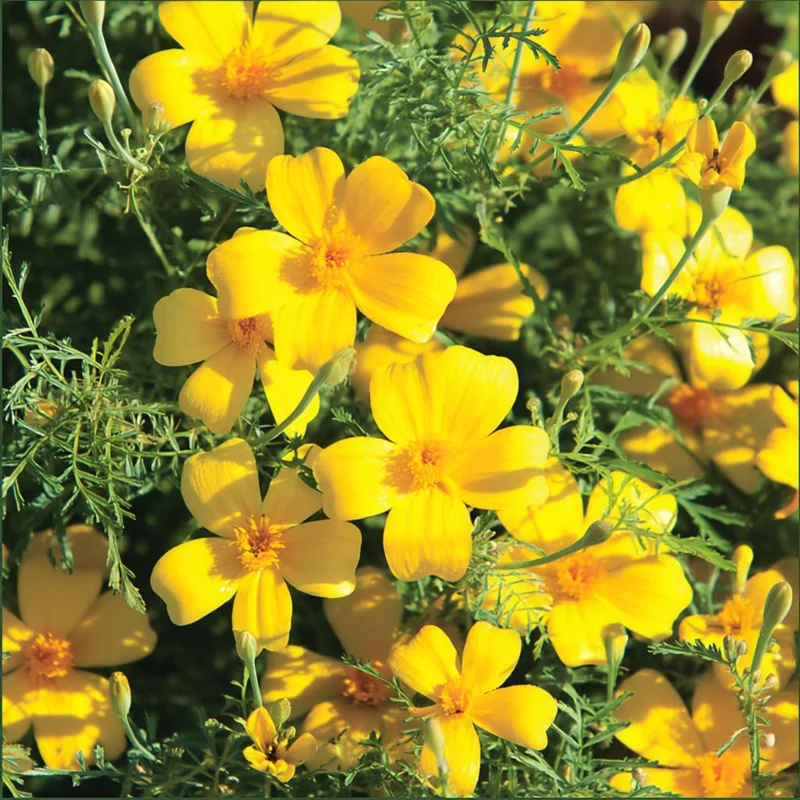
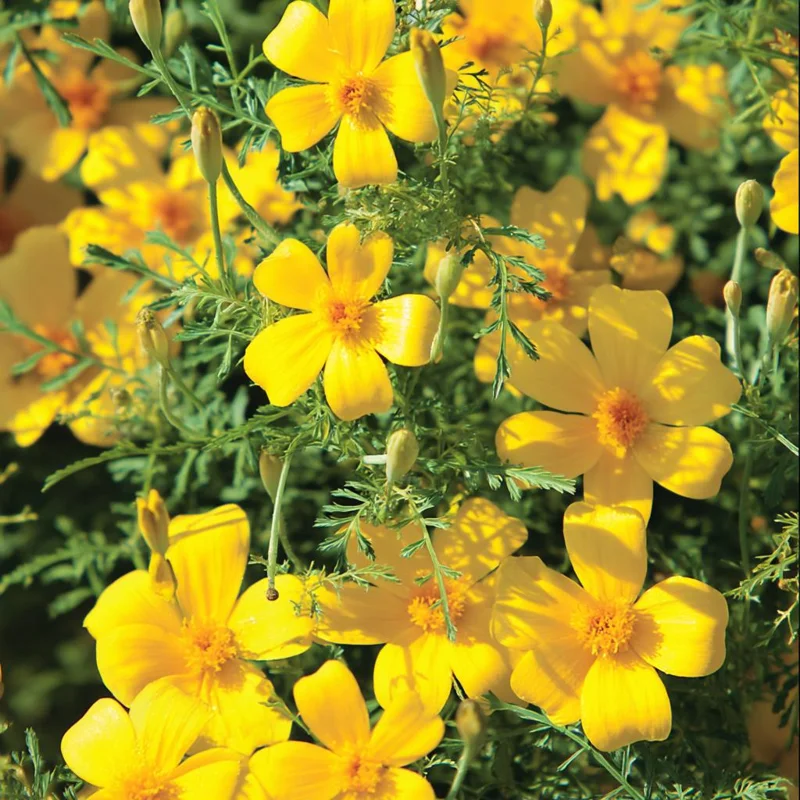
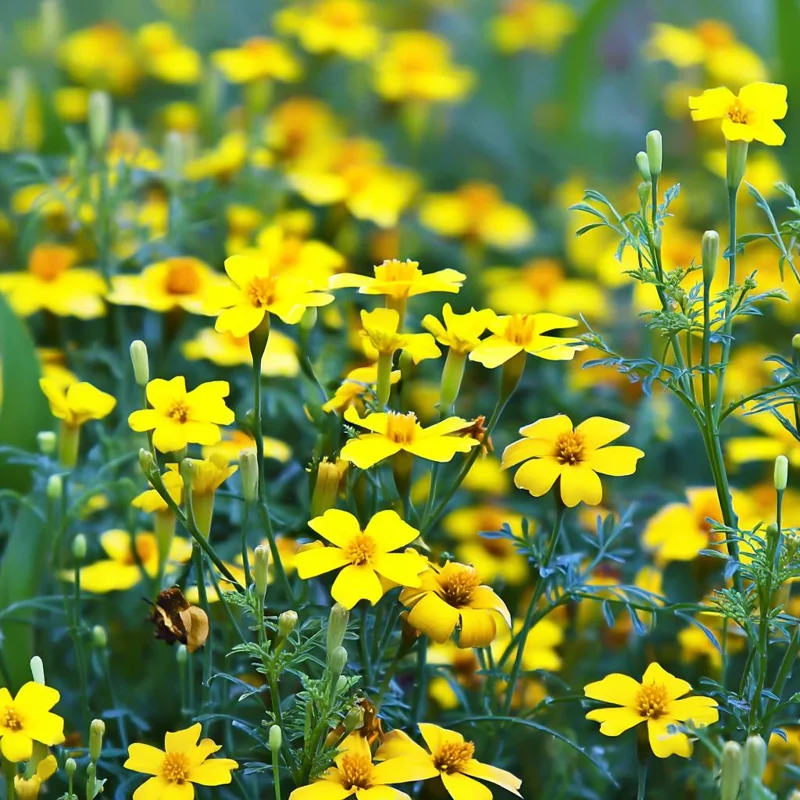
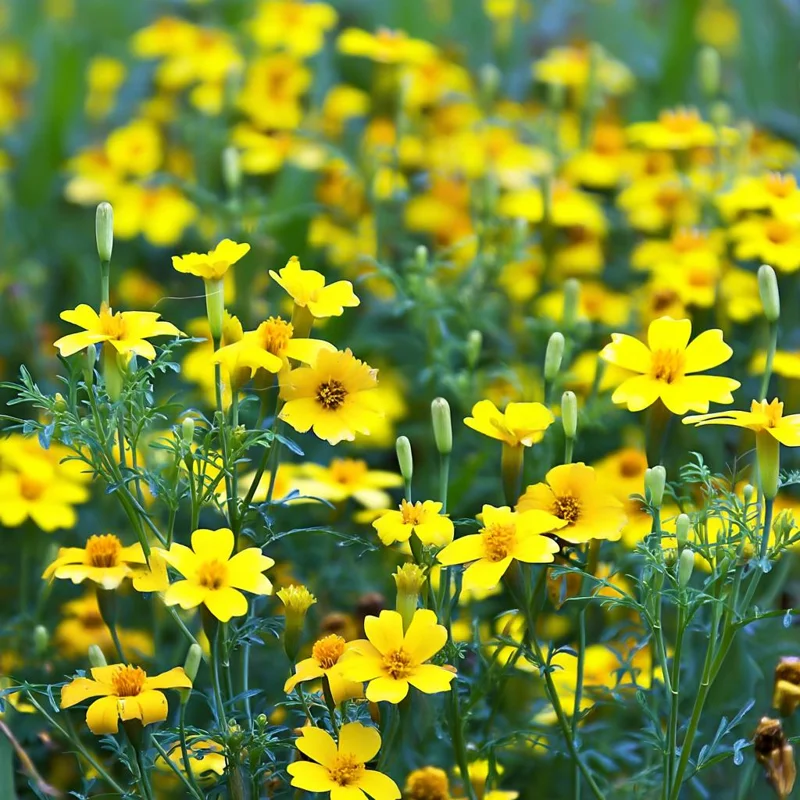
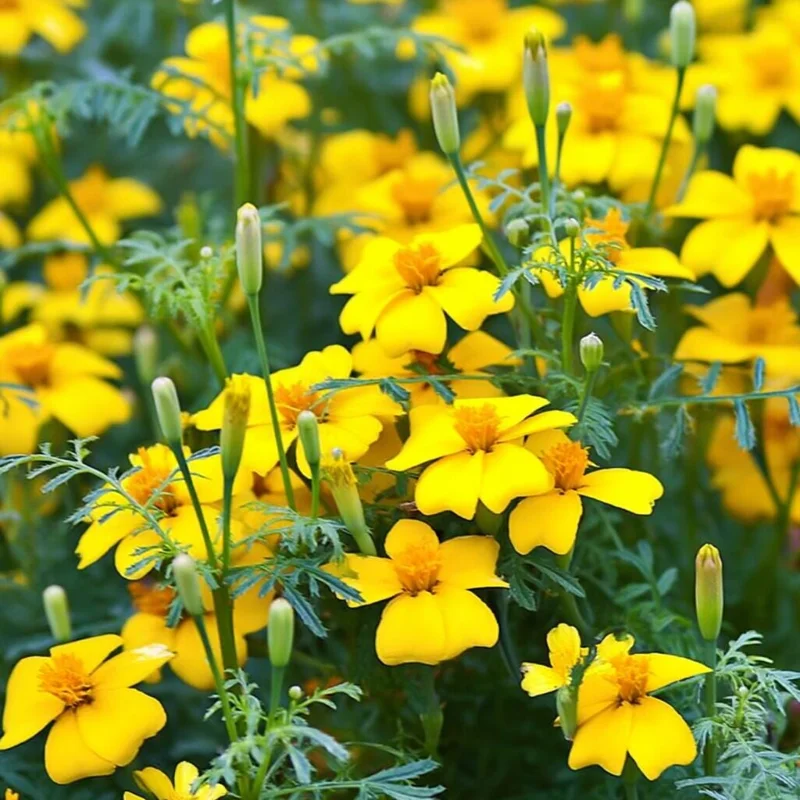
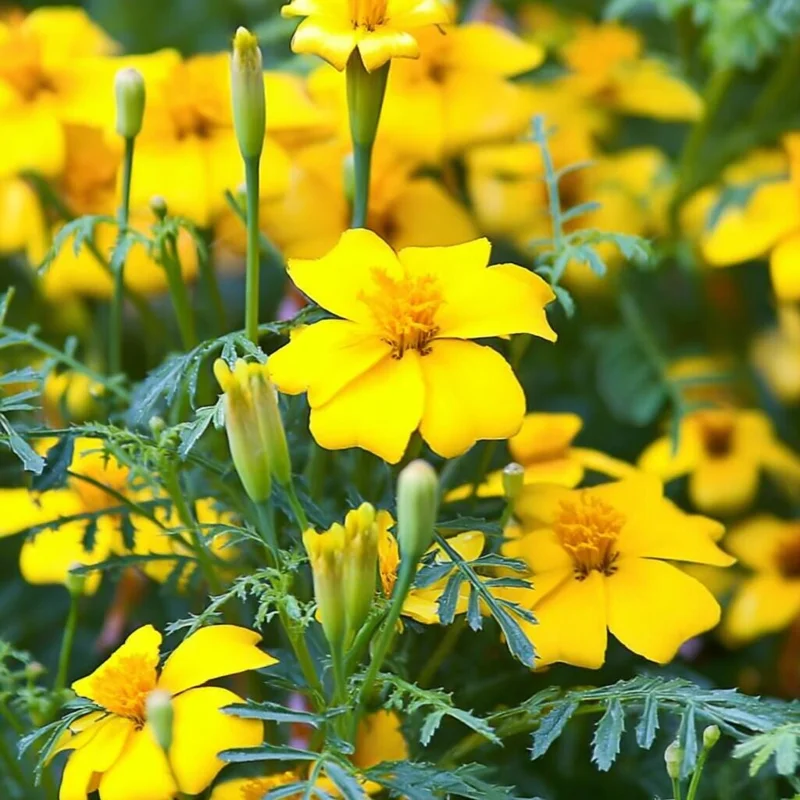
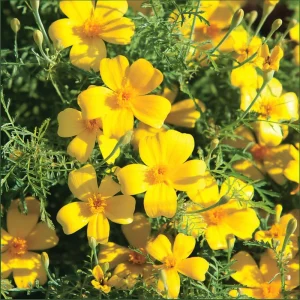
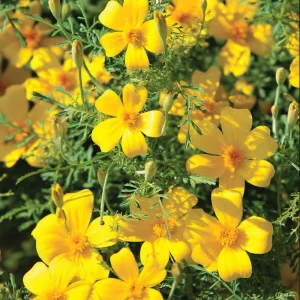
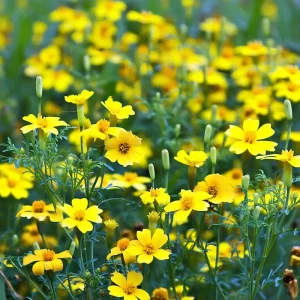
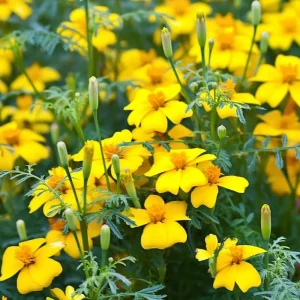
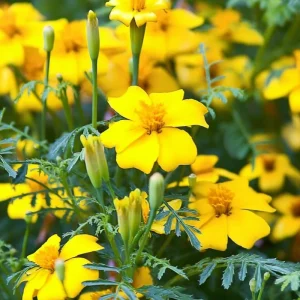
Transform your garden into a vibrant, edible oasis with lemon gem marigold seeds. These delightful seeds grow into compact, cheerful plants (Tagetes tenuifolia) adorned with small, bright yellow-orange blooms. Known for their delicate citrus scent and peppery flavor, edible marigold flowers add a gourmet touch to salads, desserts, and beverages. Beyond their culinary appeal, these long-blooming marigolds are celebrated for their continuous display of color throughout the growing season, enhancing garden beds, containers, and edible landscapes. They are also excellent for attracting beneficial pollinators like bees and butterflies, contributing to a healthier garden ecosystem. Starting your own plants from seed is a rewarding experience, and these tagetes tenuifolia seeds make it easy for both novice and experienced gardeners. The plants are naturally low-maintenance and drought-tolerant once established, thriving in sunny locations. Whether you’re looking to add a splash of bright color, a unique edible element, or simply enjoy the beauty of nature, these lemon gem marigold seeds are an excellent choice for any outdoor space.
Key Benefits
Growing lemon gem marigold seeds offers a multitude of advantages for your garden and culinary endeavors. These versatile plants provide both aesthetic beauty and practical uses, making them a must-have for any gardener.
- Vibrant Edible Blooms: Enjoy a continuous supply of bright yellow-orange flowers that are not only beautiful but also edible. The petals have a delicate citrusy flavor, perfect for garnishing dishes, adding to salads, or infusing into herbal teas, making them a unique addition to your kitchen garden. These edible marigold flowers are a true delight for the senses.
- Long-Blooming Season: These long-blooming marigolds provide continuous color from spring until the first frost. Regular deadheading encourages even more prolific flowering, ensuring your garden remains cheerful and lively throughout the warmer months.
- Attracts Pollinators: The cheerful flowers are a magnet for bees, butterflies, and other beneficial pollinators, supporting local ecosystems and improving the yield of nearby fruiting plants. This makes them a valuable companion plant in vegetable gardens.
- Easy to Grow: Lemon Gem Marigolds are known for their resilience and ease of cultivation. They are ideal for beginners and experienced gardeners alike, requiring minimal fuss once established. Learn how to grow marigold from seed with simple steps.
- Compact & Versatile: With a naturally compact growth habit, these marigolds are perfect for various settings, including garden beds, borders, containers, and hanging baskets. Their small size makes them suitable for urban gardens or patios where space is limited.
- Drought Tolerant: Once established, these plants exhibit good drought tolerance, reducing the need for frequent watering and making them a sustainable choice for water-wise gardening.
- Natural Pest Deterrent: Like many marigolds, Lemon Gem can help deter certain garden pests, acting as a natural companion plant to protect vegetables and other flowers without the need for chemical interventions.
Plant Care & Growing Tips
Successfully cultivating lemon gem marigold seeds is straightforward, provided you meet their basic needs for sunlight, water, and soil. These adaptable plants thrive in conditions typical of many annual flowers. For optimal growth, plant your tagetes tenuifolia seeds in a location that receives full sun, meaning at least 6-8 hours of direct sunlight per day. Adequate sunlight is crucial for prolific blooming and strong plant development. While they tolerate a range of soil types, well-drained, fertile soil is ideal. If your soil is heavy clay, consider amending it with compost or other organic matter to improve drainage. The plants are quite resilient to heat and humidity once established, making them suitable for many climates within USDA zones 2-11 as annuals.
Watering should be moderate; allow the top inch or two of soil to dry out between waterings to prevent root rot. Overwatering is a common mistake that can harm marigolds. Once established, they exhibit good drought tolerance, but consistent moisture during flowering periods will encourage the best display. Fertilization is generally not heavily required, especially in rich soil. If your soil is poor, a balanced liquid fertilizer applied every 4-6 weeks during the growing season can boost performance. Deadhead spent flowers regularly to encourage new blooms and prevent the plant from self-seeding prematurely. This practice is key to maintaining a continuous display of long-blooming marigolds. Proper thinning of seedlings to 6-8 inches apart will ensure good airflow and prevent overcrowding, which can lead to fungal issues. Learning how to grow marigold from seed successfully is simple with these guidelines.
Size & Details
This product includes a packet of 50 Lemon Gem Marigold seeds, providing ample opportunity to grow marigold from seed and cultivate a vibrant display. Each seed is carefully selected to ensure high germination rates, giving you the best start for your garden. Once mature, Lemon Gem Marigold plants typically reach a compact height of 8-12 inches (20-30 cm) and spread about 10-14 inches (25-35 cm) wide, making them ideal for front borders, container gardening, or as a colorful groundcover.
The cheerful yellow-orange blooms are small, usually about 0.5-1 inch (1.2-2.5 cm) in diameter, but appear in abundance. From sowing, expect germination within 7-14 days under optimal conditions (65-75°F). Plants will typically begin flowering within 8-10 weeks, providing a beautiful show throughout summer and into fall. The seeds are packaged to maintain viability and are ready for planting in the spring after the last frost, or can be started indoors earlier for a head start. These tagetes tenuifolia seeds promise a rewarding gardening experience.
Frequently Asked Questions
- Q: How big do Lemon Gem Marigold plants get? A: Lemon Gem Marigolds are compact, typically growing 8-12 inches tall and spreading 10-14 inches wide. This makes them perfect for various garden settings without taking up too much space.
- Q: Is this an indoor or outdoor plant? A: Lemon Gem Marigolds are primarily grown as outdoor annuals. While you can start lemon gem marigold seeds indoors, they thrive in full sun outdoors in garden beds, containers, and borders.
- Q: How much sunlight do Lemon Gem Marigolds need? A: These plants require full sun, meaning at least 6-8 hours of direct sunlight per day, to produce the most abundant and vibrant edible marigold flowers. Less sun can lead to fewer blooms.
- Q: Are these marigolds easy to care for? A: Yes, Lemon Gem Marigolds are considered very easy to care for. They are low-maintenance, drought-tolerant once established, and generally resistant to pests and diseases, making them great for beginners who want to grow marigold from seed.
- Q: What condition will the seeds arrive in? A: The seeds will arrive in a protective packet, ensuring their viability and readiness for planting. We take care to package them securely for transit.
- Q: Can I use Lemon Gem Marigold in cooking? A: Absolutely! The petals of Lemon Gem Marigolds are edible and have a delightful citrusy, slightly peppery flavor. They are wonderful for garnishing salads, desserts, and infusing beverages. These are truly edible marigold flowers.
- Q: How long until these marigolds bloom? A: Typically, Lemon Gem Marigolds will begin to flower within 8-10 weeks after sowing the lemon gem marigold seeds. They then continue to bloom prolifically throughout the growing season until the first frost.
- Q: When is the best time to plant these seeds? A: For most regions, the best time to sow tagetes tenuifolia seeds directly outdoors is after the last spring frost. For an earlier start, you can begin seeds indoors 6-8 weeks before the last expected frost date.
- Q: Will they survive winter in my zone? A: Lemon Gem Marigolds are annuals and are not frost-hardy. They will complete their life cycle in one growing season and will not survive winter temperatures. You will need to replant lemon gem marigold seeds each spring.
- Q: Do I need to fertilize Lemon Gem Marigolds? A: In fertile soil, heavy fertilization is usually not necessary. If your soil is poor, a light application of a balanced liquid fertilizer every 4-6 weeks during the active growing season can be beneficial for these long-blooming marigolds.


Reviews
There are no reviews yet.