Overview
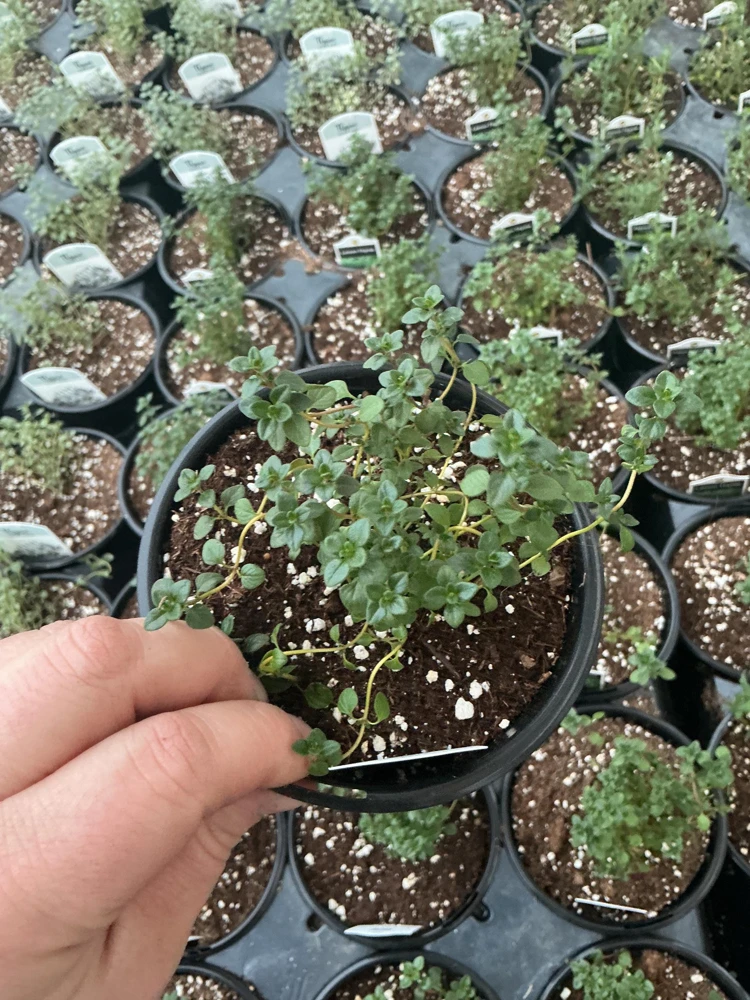
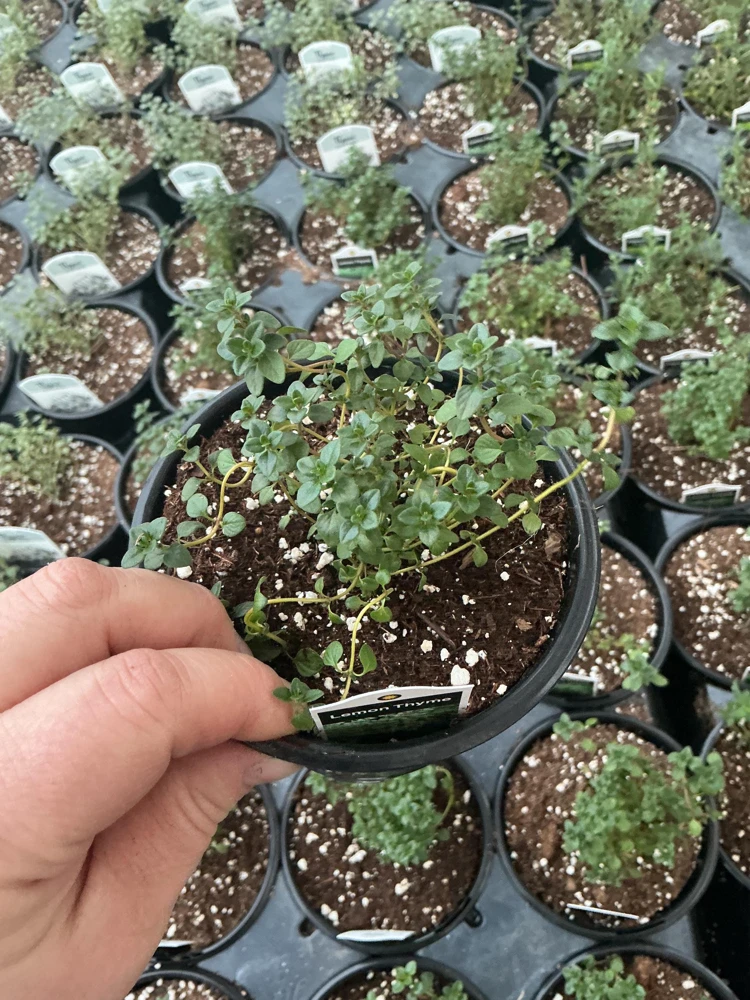
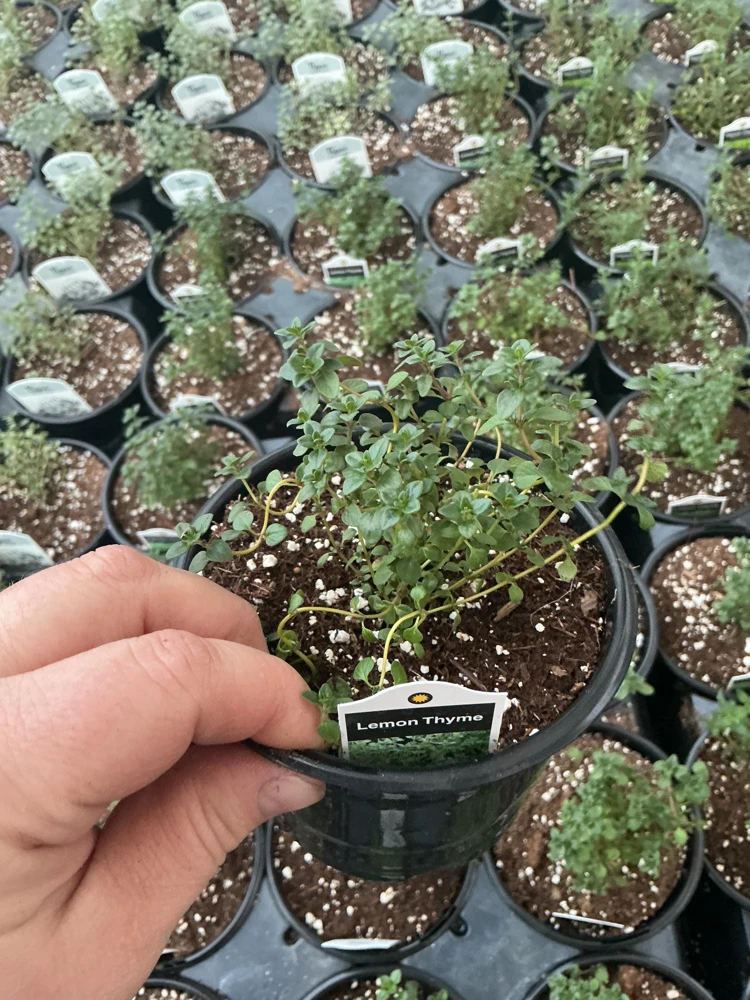
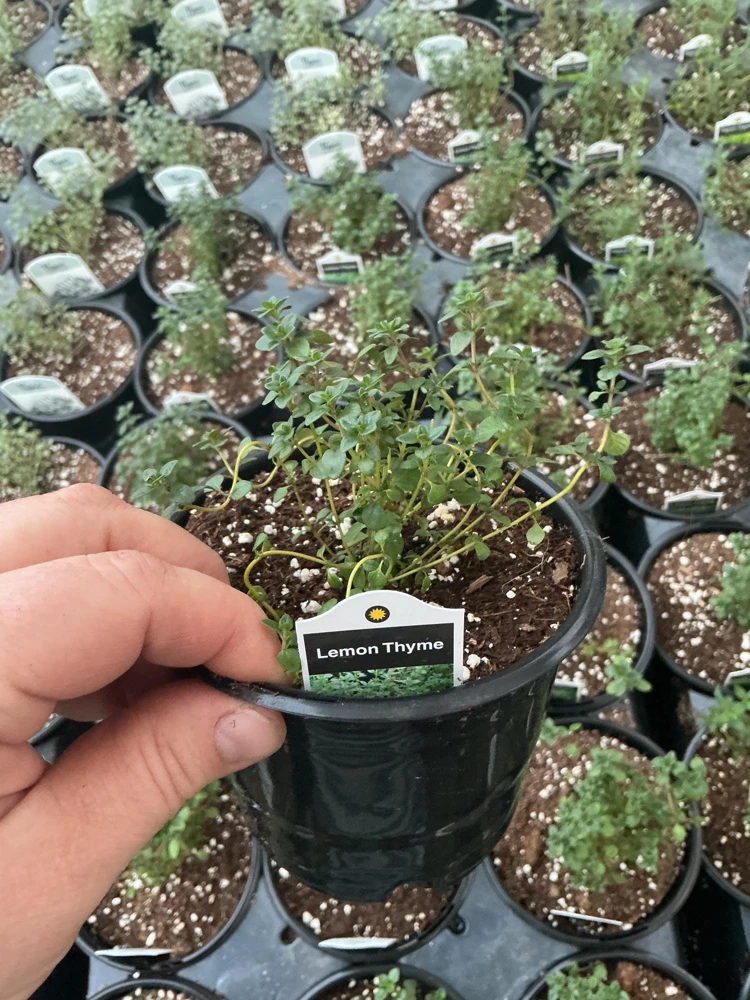
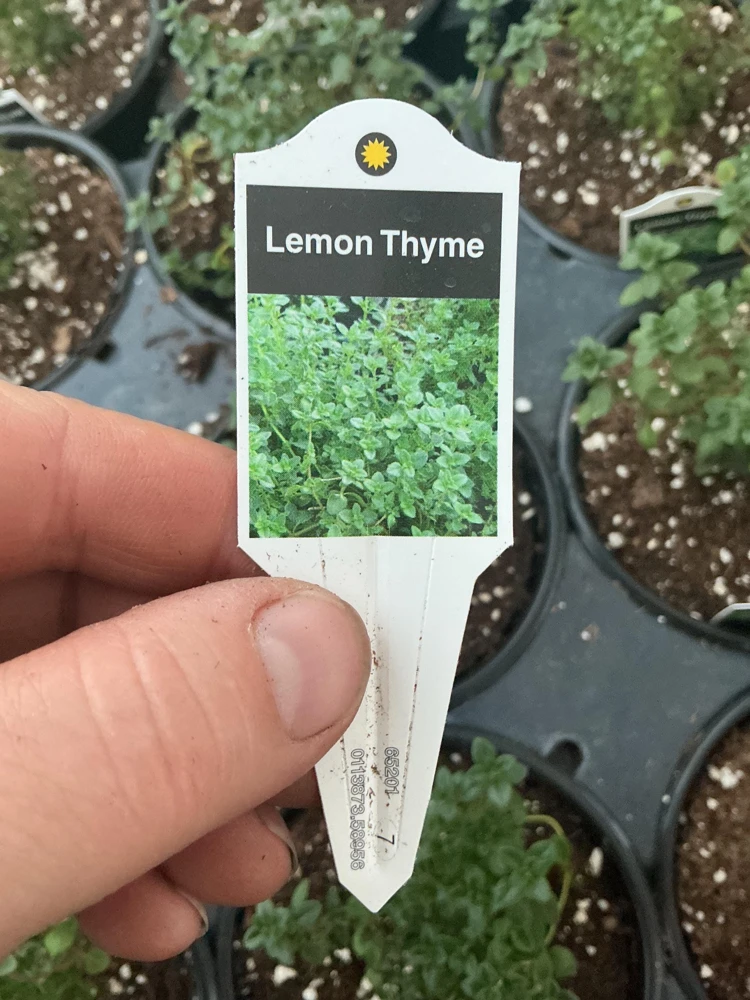
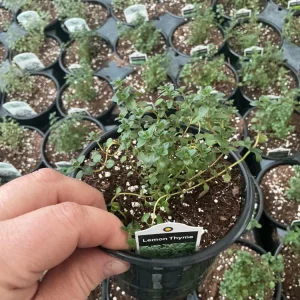
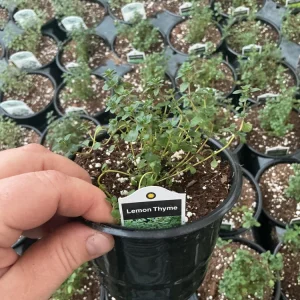
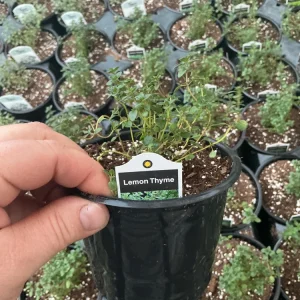
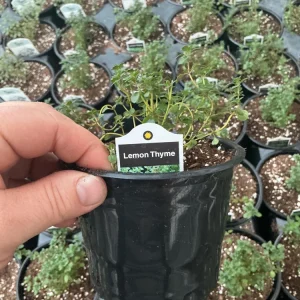
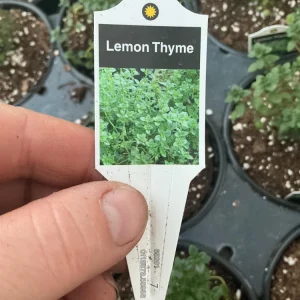
Introduce a burst of citrusy freshness to your culinary adventures and garden spaces with our vibrant lemon thyme live plant. This exquisite herb, scientifically known as Thymus citriodorus, is a delightful cross between common thyme and large thyme, offering a unique lemony scent and flavor profile. Each plant is well-established and arrives ready to plant in a convenient 4.5-inch nursery pot, ensuring a smooth transition to your home or garden. Whether you’re an experienced chef looking for fresh ingredients or a gardening enthusiast eager to cultivate aromatic herbs, this culinary thyme plant is an excellent choice. It’s known for its delicate leaves, attractive growth habit, and ability to thrive in various conditions, making it a rewarding addition to any herb collection.
Our lemon thyme live plant is carefully nurtured to ensure it arrives healthy and robust, ready to provide you with its distinctive flavor and aroma. It’s an ideal plant for container gardening, herb spirals, rock gardens, or as a fragrant groundcover. Its compact size and appealing foliage make it a beautiful ornamental as well as a practical culinary ingredient. Discover the joy of having fresh, zesty thyme at your fingertips with this easy-to-grow and highly versatile herb.
Key Benefits
Cultivating a lemon thyme live plant offers a multitude of advantages, from its culinary versatility to its aesthetic appeal and ease of care. This herb is a true garden gem, providing both beauty and utility in a compact form.
- Exceptional Culinary Flavor: Elevate your cooking with the unique, bright, and tangy lemon-thyme flavor. Perfect for seasoning poultry, fish, vegetables, marinades, and even desserts, offering a distinct zest that common thyme lacks.
- Delightful Aromatic Experience: Enjoy the refreshing, citrusy fragrance that emanates from the leaves, especially when brushed or crushed. It adds a pleasant scent to your garden, patio, or kitchen windowsill.
- Attractive Ornamental Plant: With its small, often variegated, green leaves and compact, mounding habit, lemon thyme serves as an attractive groundcover, border plant, or container specimen, enhancing any garden design.
- Pollinator Friendly: When it blooms with tiny pink or lavender flowers in summer, growing lemon thyme attracts beneficial pollinators like bees and butterflies, contributing to a healthier garden ecosystem.
- Low Maintenance & Drought Tolerant: This hardy herb is relatively easy to care for, requiring minimal attention once established. It tolerates dry conditions well, making it suitable for water-wise gardening.
- Versatile Growing Options: Thrives equally well in garden beds, rock gardens, raised beds, or pots and containers, making it adaptable to various gardening styles and spaces, including windowsills for indoor use.
- Natural Pest Repellent: The aromatic oils in lemon thyme can help deter some common garden pests, offering a natural and pleasant way to protect nearby plants.
Plant Care & Growing Tips
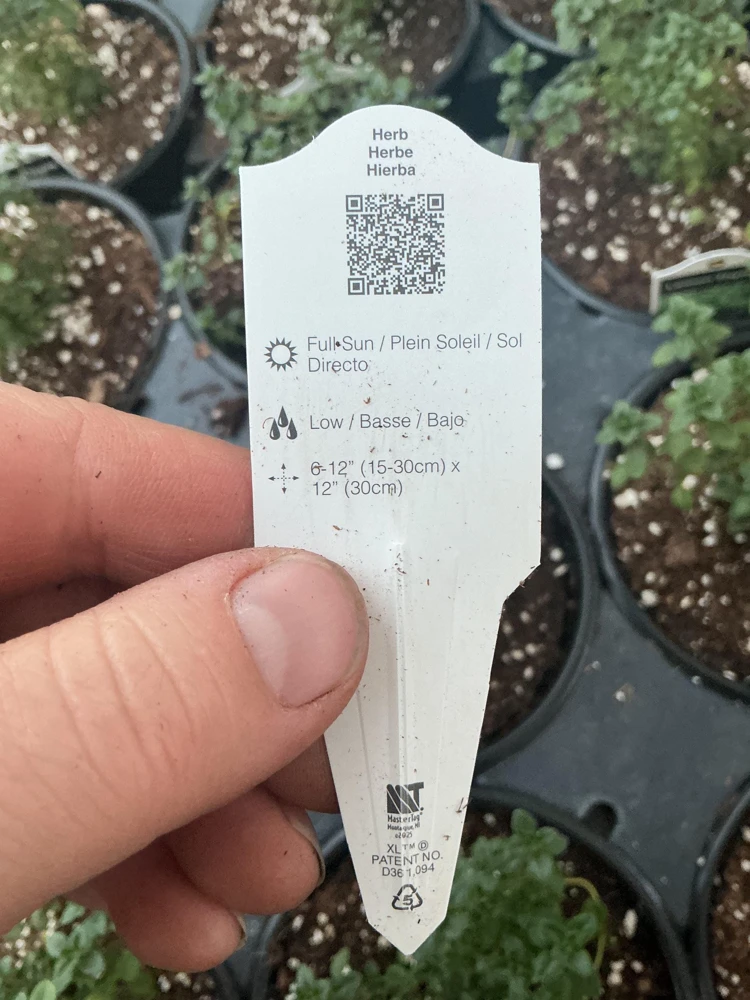
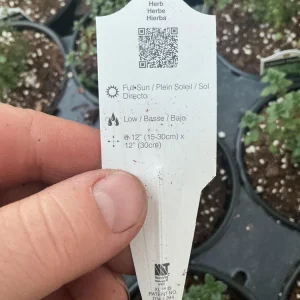
Caring for your lemon thyme live plant is straightforward, making it an excellent choice for both novice and experienced gardeners. This resilient herb thrives with minimal fuss when its basic needs are met. Ensure it receives plenty of sunlight; lemon thyme prefers at least 6 hours of direct sunlight per day. In hotter climates, some afternoon shade can be beneficial to prevent scorching, but generally, full sun encourages the best growth and flavor development. If growing indoors, place it in a south-facing window or under grow lights to provide adequate light.
Watering is crucial, but overwatering can be detrimental. Lemon thyme prefers well-draining soil and is drought-tolerant once established. Water thoroughly when the top inch or two of soil feels dry to the touch, then allow the soil to dry out almost completely before watering again. Reduce watering in cooler months. For soil, use a light, well-draining potting mix for containers or ensure your garden soil is not heavy clay. Amending garden soil with sand or perlite can improve drainage. The ideal temperature range for growing lemon thyme is between 60-80°F (15-27°C). It is generally hardy in USDA zones 5-9, tolerating some frost but benefiting from winter protection in colder regions.
Fertilization is rarely necessary for lemon thyme, as it thrives in relatively lean soil. If your plant shows signs of nutrient deficiency (e.g., yellowing leaves), a light application of a balanced, all-purpose liquid fertilizer at half strength once in spring can be beneficial. Pruning is essential for maintaining plant vigor and promoting bushier growth. Regularly snip off sprigs for culinary use, and after flowering, cut back the plant by about one-third to encourage new growth and prevent it from becoming woody. Watch out for common issues like root rot, which is usually caused by overwatering, and powdery mildew in humid conditions; ensuring good air circulation can help prevent these problems. Proper lemon thyme care ensures a healthy, productive plant for years.
Size & Details
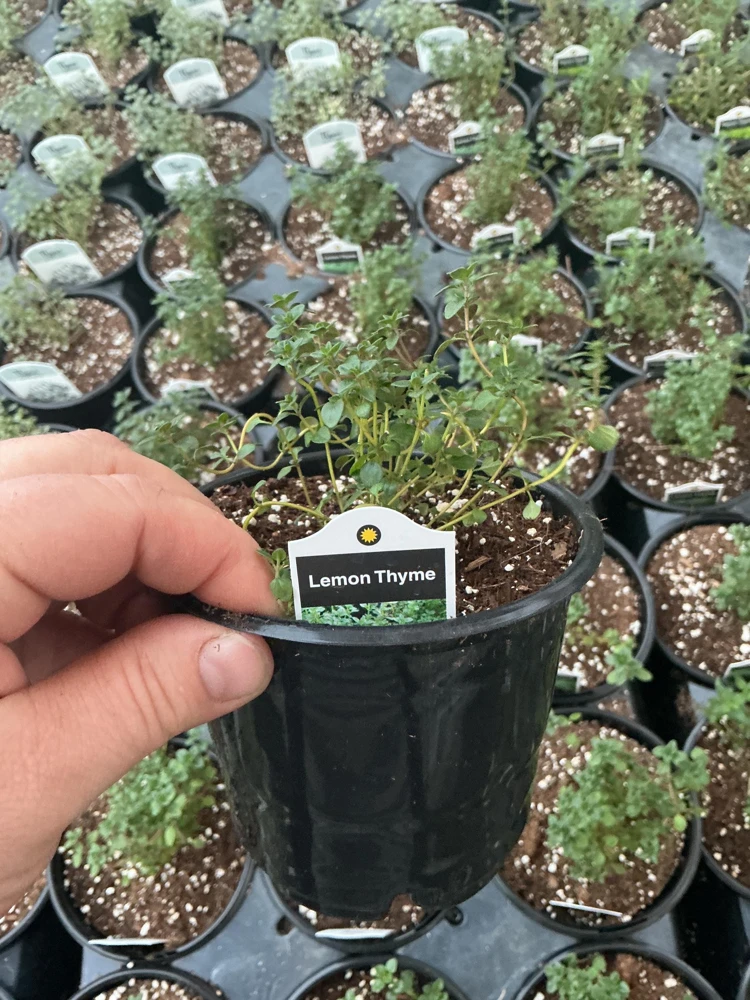
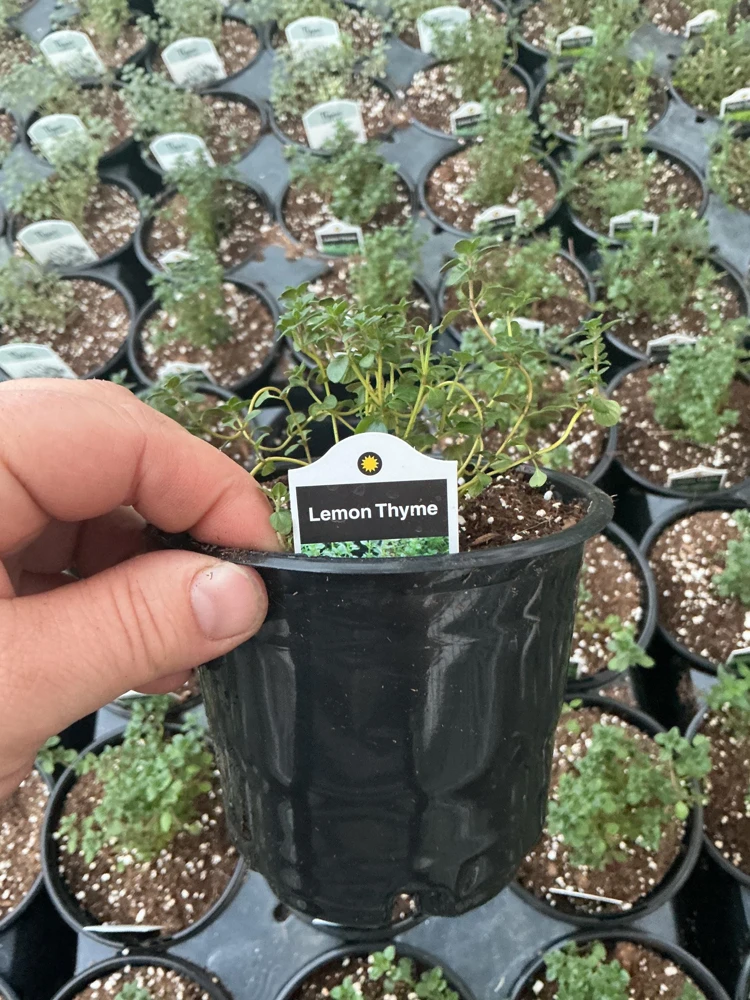
Your lemon thyme live plant will arrive well-established and actively growing in a 4.5-inch plastic nursery pot. This size is ideal for immediate transplanting into a larger container, a garden bed, or as part of a mixed herb planter. At maturity, lemon thyme typically forms a low-growing, mounding plant, reaching about 6-12 inches in height and spreading 12-18 inches wide, creating an attractive, fragrant carpet. Its growth rate is moderate, allowing it to fill out containers or garden spaces within a single growing season under optimal conditions.
Each plant is carefully selected to ensure it is healthy and robust, ready to flourish in your environment. It ships with its root ball intact, nestled in its nursery pot, to minimize transplant shock. Expect your lemon thyme to begin producing abundant aromatic foliage shortly after planting, providing you with fresh herbs for cooking and a delightful scent for your garden or home. This plant is a long-lived perennial in suitable climates, offering years of enjoyment.
Frequently Asked Questions
- Q: How big does this plant get? A: A lemon thyme live plant typically grows to about 6-12 inches tall and spreads 12-18 inches wide, forming a compact, mounding habit. Its size makes it versatile for various garden applications or containers.
- Q: What size pot does it come in? A: The plant is shipped in a standard 4.5-inch plastic nursery pot, which is a good size for it to be well-established and ready for transplanting into a larger pot or garden.
- Q: Is this an indoor or outdoor plant? A: Lemon thyme can be grown both indoors and outdoors. Outdoors, it thrives in full sun. Indoors, it requires a very bright, sunny window or supplemental grow lights to flourish.
- Q: How much sunlight does it need? A: For optimal growth and flavor, this fragrant herb plant requires at least 6 hours of direct sunlight per day. If growing indoors, ensure it receives ample bright light.
- Q: Is this plant easy to care for? A: Yes, lemon thyme is considered a very easy-to-care-for herb. It’s drought-tolerant and requires minimal fertilization, making it suitable for beginner gardeners.
- Q: What condition will it arrive in? A: Your lemon thyme live plant will arrive well-established, healthy, and actively growing in its nursery pot, carefully packaged to ensure safe transit.
- Q: Is it shipped in soil? A: Yes, the plant is shipped fully rooted in its 4.5-inch nursery pot with its original soil medium to ensure its health and minimize transplant shock.
- Q: Can I use lemon thyme in cooking? A: Absolutely! This is a culinary thyme plant, perfect for adding a zesty, lemony flavor to poultry, fish, vegetables, salads, and even desserts.
- Q: Is it pet-safe? A: While generally considered non-toxic to pets, large quantities of any herb can cause mild digestive upset. It’s always best to monitor your pets.
- Q: When is the best time to plant? A: You can plant your lemon thyme outdoors after the danger of frost has passed in spring. Indoor planting can be done year-round.
- Q: Will it survive winter in my zone? A: Lemon thyme is generally hardy in USDA zones 5-9. In colder zones, it may need winter protection or can be brought indoors.
- Q: What’s the minimum temperature it can tolerate? A: It can tolerate temperatures down to about -20°F (-29°C) in protected locations, but prolonged freezing temperatures can damage it, especially in pots.


Reviews
There are no reviews yet.