Overview
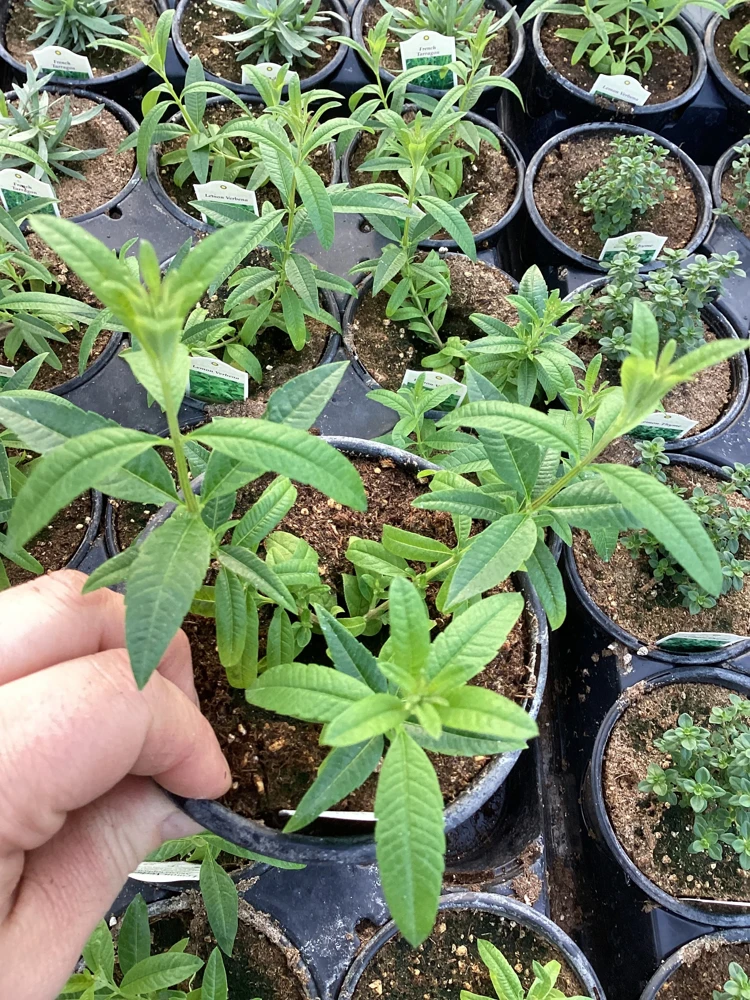
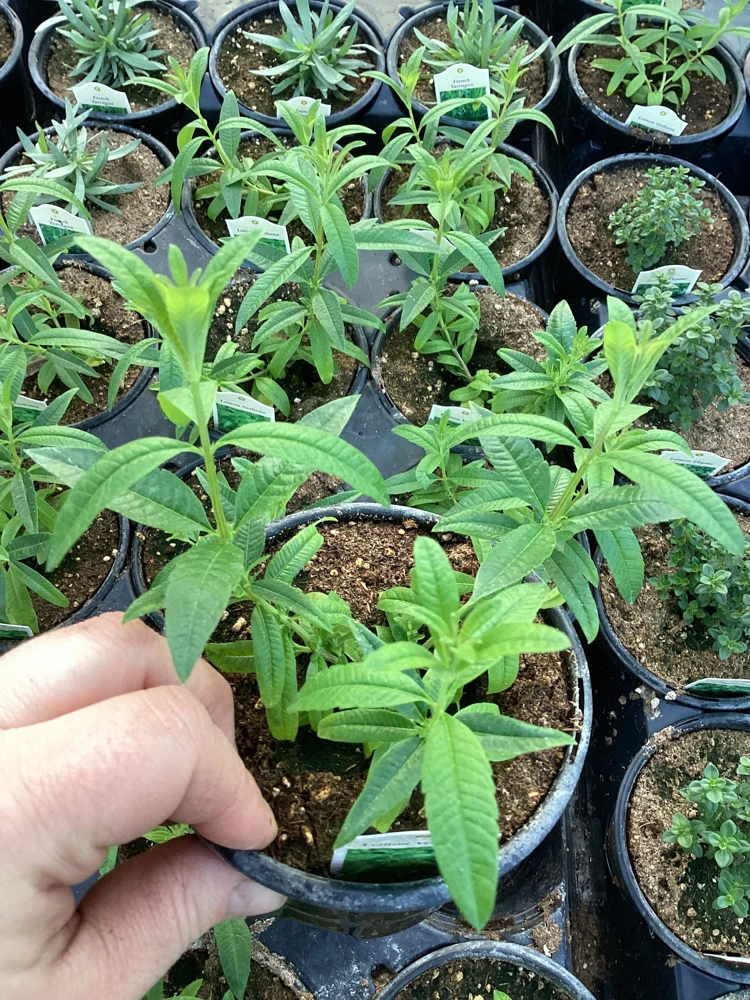
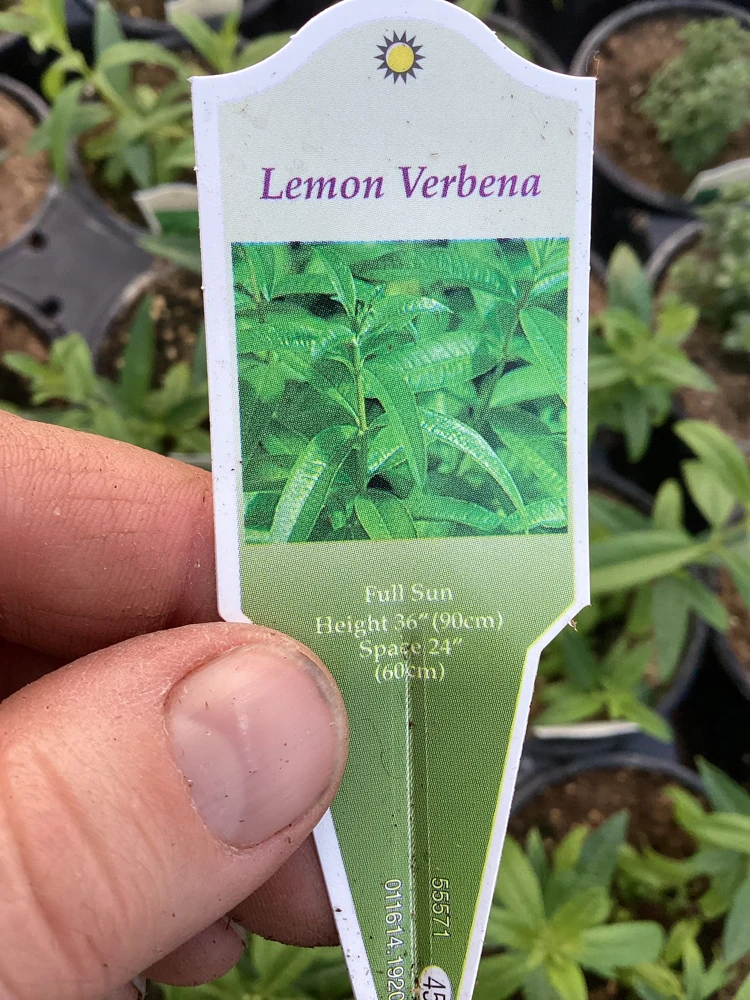
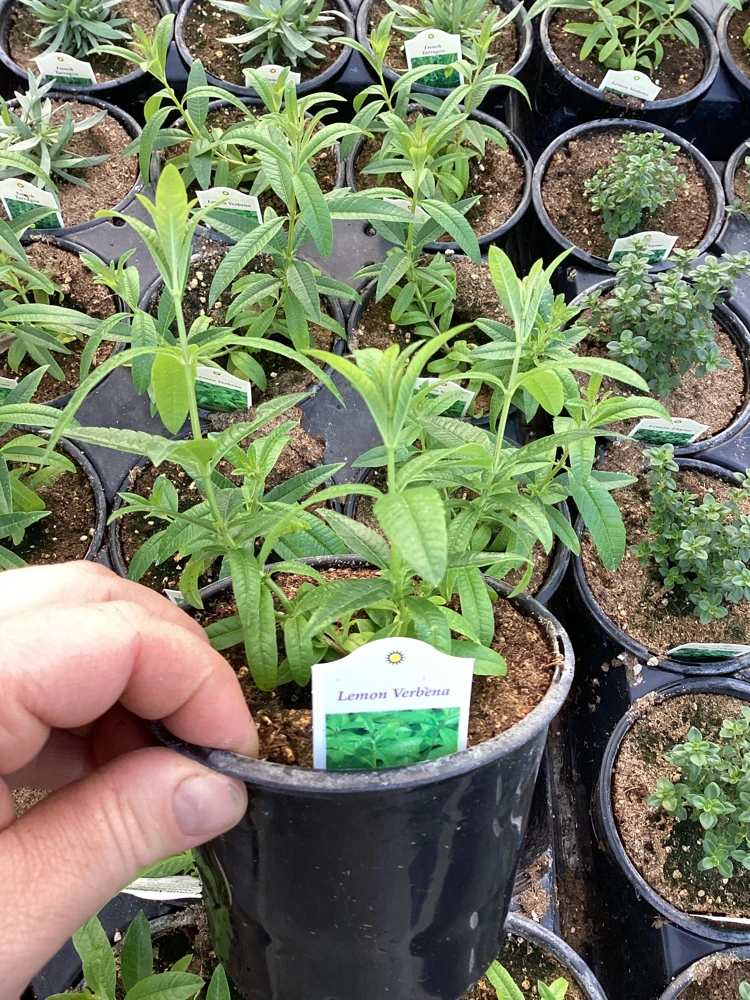
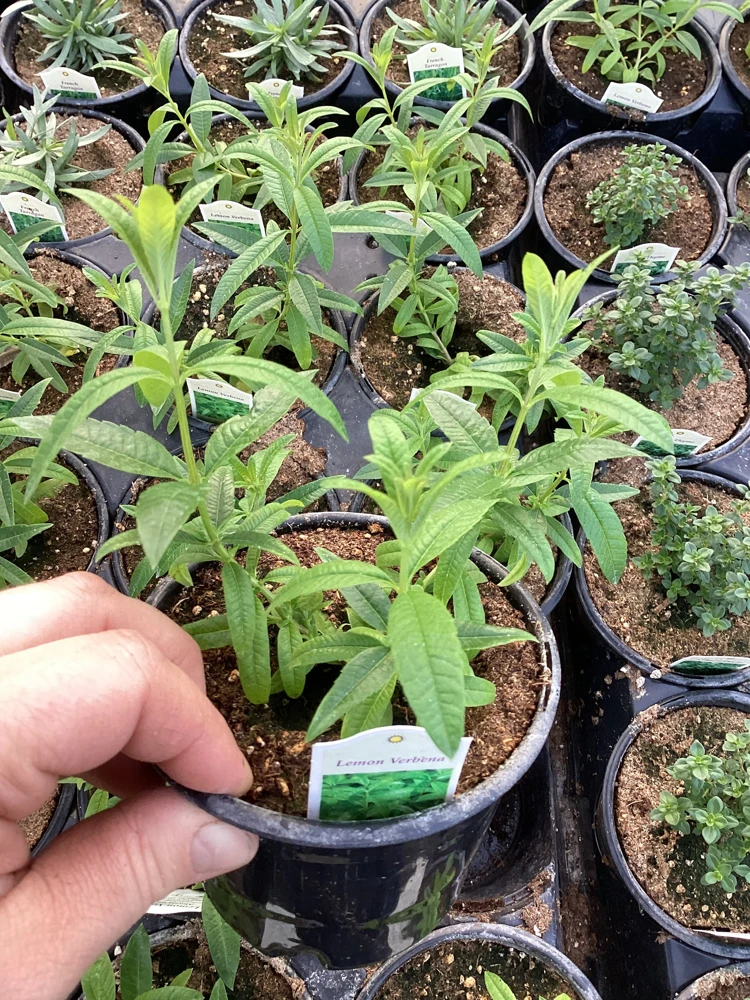
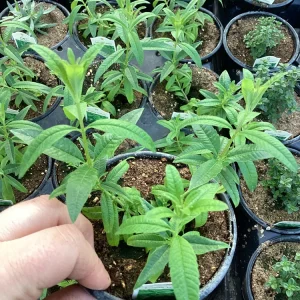
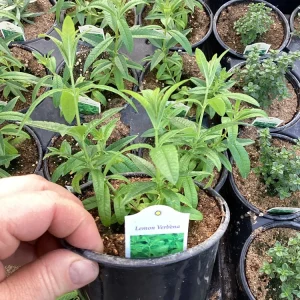
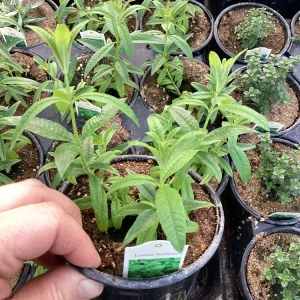
Discover the delightful world of aromatic herbs with our premium lemon verbena live plant. This exquisite plant, scientifically known as Aloysia citrodora, is celebrated for its intensely lemon-scented leaves, which are far more potent and refreshing than many other lemon-fragranced herbs. Originating from South America, lemon verbena has become a beloved addition to herb gardens and kitchens worldwide. You will receive a well-established plant, thriving in a 4.5-inch nursery pot, ready to be transplanted into your garden or a larger container. Its elegant, slender leaves release a burst of citrus when brushed, making it a joy to have in any space. Whether you’re an experienced gardener or just starting, this versatile herb offers both beauty and utility, providing a continuous supply of fragrant leaves for various uses.
Our lemon verbena live plant is carefully cultivated to ensure robust health and vigorous growth. It’s an excellent choice for those looking to add a unique, fragrant element to their herb collection. The plant’s upright growth habit and attractive foliage make it a beautiful ornamental, while its culinary and aromatic properties are highly prized. This herb is not only easy to grow but also relatively low-maintenance, offering a rewarding experience for any plant enthusiast. Prepare to infuse your life with the bright, uplifting essence of fresh lemon verbena.
Key Benefits
Adding a lemon verbena live plant to your collection offers a multitude of benefits, from enhancing your culinary skills to providing natural aromatherapy. Its distinct lemon fragrance is truly unmatched, making it a standout herb in any setting. Enjoy the versatility and beauty this plant brings:
- Exceptional Culinary Herb: The vibrant, citrusy flavor of lemon verbena leaves is perfect for a wide range of culinary applications. Use them to infuse desserts, marinades for poultry and fish, salad dressings, and refreshing beverages. The flavor holds up well in both hot and cold preparations, making it a versatile ingredient for any chef.
- Soothing Herbal Tea: Brew a delightful and calming herbal tea using fresh or dried lemon verbena herb leaves. The tea has a clean, lemony taste that is naturally caffeine-free, making it an ideal beverage to enjoy any time of day, especially for relaxation before bedtime. It’s known for its comforting properties.
- Aromatic Delight: The strong, uplifting lemon scent of this plant makes it a wonderful addition to potpourri, sachets, and homemade cleaning products. Simply brush against the leaves to release its invigorating aroma, which can naturally freshen any room and provide a pleasant sensory experience.
- Garden Attractant: While primarily grown for its aroma and culinary uses, the subtle flowers of lemon verbena can attract beneficial pollinators like bees and butterflies to your garden, contributing to a healthy ecosystem.
- Low Maintenance & Easy to Grow: This resilient herb is relatively easy to care for, thriving with minimal fuss once established. It’s a great choice for both novice and experienced gardeners looking for a rewarding plant that provides continuous harvests. Learning how to grow lemon verbena is a simple and enjoyable process.
- Ornamental Appeal: With its bright green, lance-shaped leaves and sometimes delicate lavender flowers, the lemon verbena live plant adds an attractive texture and visual interest to herb gardens, patio containers, or even as part of a mixed perennial border.
- Natural Air Freshener: Place a potted lemon verbena near a window or in a high-traffic area to naturally diffuse its pleasant citrus fragrance throughout your home, providing a fresh and inviting atmosphere without artificial chemicals.
Plant Care & Growing Tips
Caring for your lemon verbena live plant is straightforward, and with proper attention, it will flourish and provide you with an abundance of fragrant leaves. This herb thrives in conditions that mimic its native South American environment, enjoying plenty of sunshine and well-draining soil. Understanding the basic needs of this plant will ensure its health and vigor, allowing you to enjoy its benefits for many seasons. Knowing how to provide the right environment is key to successful cultivation.
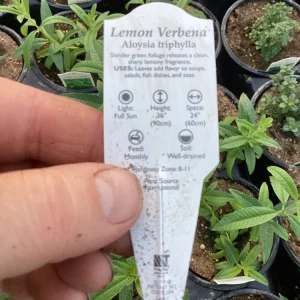
Sunlight: Lemon verbena absolutely loves the sun. For optimal growth and the most intense fragrance, provide your plant with at least 6-8 hours of direct sunlight per day. If growing indoors, place it in your sunniest window, ideally a south-facing one. In very hot climates, some afternoon shade can be beneficial to prevent leaf scorch, but generally, more sun equals a happier plant. When you grow lemon verbena, prioritize sunny spots.
Watering: Water thoroughly when the top inch or two of soil feels dry to the touch. Lemon verbena prefers consistently moist, but not waterlogged, soil. Overwatering can lead to root rot, so ensure good drainage. Reduce watering slightly during cooler months or if the plant goes dormant. Always check soil moisture before watering again. This is a crucial aspect of good lemon verbena care.
Soil: Plant your lemon verbena in well-draining soil that is rich in organic matter. A good quality potting mix amended with some compost or perlite works well for container growing. In the garden, ensure your soil drains freely, as heavy clay soils can retain too much moisture. A slightly acidic to neutral pH (6.0-7.0) is ideal.
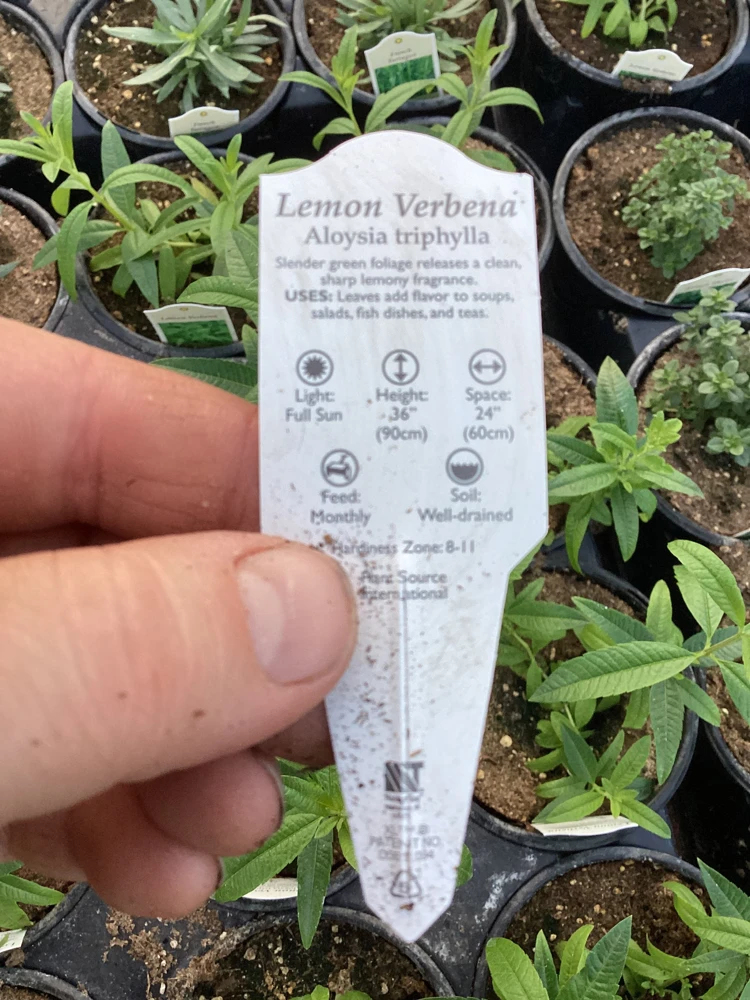
Temperature & Hardiness: Lemon verbena is a tender perennial, typically hardy in USDA Zones 8-10. In colder zones, it can be grown as an annual or brought indoors before the first frost. It prefers temperatures between 60-75°F (15-24°C). Protect it from freezing temperatures, which can severely damage or kill the plant. If you want to keep your verbena plant for tea year after year in cooler climates, consider overwintering it indoors.
Fertilization: Feed your lemon verbena every 4-6 weeks during the growing season (spring and summer) with a balanced liquid fertilizer diluted to half strength. Reduce or stop fertilizing in fall and winter when growth slows. Avoid over-fertilizing, as this can lead to lush foliage but diminished fragrance.
Pruning: Pruning encourages bushier growth and more leaves. Pinch back young stems to promote branching. You can harvest leaves regularly throughout the growing season. In late winter or early spring, before new growth begins, you can prune back the plant by about one-third to encourage vigorous new growth. This also helps maintain a desirable shape for your lemon verbena live plant.
Size & Details
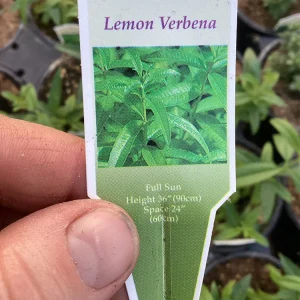
Your lemon verbena live plant will arrive well-established and actively growing in a 4.5-inch plastic nursery pot. This size is ideal for immediate transplanting into a larger container, a raised garden bed, or directly into your garden soil. At maturity, lemon verbena can reach heights of 3-5 feet and spread 2-3 feet wide when grown in optimal outdoor conditions, though it will remain smaller in containers. It exhibits a moderate growth rate, quickly filling out once settled into its new home.
The plant typically develops slender, bright green leaves that are highly aromatic. While primarily grown for its foliage, mature plants may produce small, delicate lavender or white flowers in summer, adding a subtle charm. This herb is perfect for creating a fragrant border, enhancing a patio container garden, or becoming a staple in your culinary herb patch. Expect to begin harvesting leaves shortly after planting, allowing the plant to establish itself for a few weeks first. This lemon verbena live plant is shipped ready to thrive, bringing immediate fragrance and potential to your space.
Frequently Asked Questions
- Q: How big does this lemon verbena plant get? A: When mature, your lemon verbena live plant can typically grow to be 3-5 feet tall and 2-3 feet wide outdoors in ideal conditions. In containers, its size will be more restricted, usually staying within 1-3 feet tall depending on pot size and pruning.
- Q: What size pot does it come in? A: This lemon verbena live plant is shipped in a standard 4.5-inch plastic nursery pot, which is a great size for a well-established young plant ready for transplanting.
- Q: Is this an indoor or outdoor plant? A: Lemon verbena can be grown both indoors and outdoors. It thrives outdoors in full sun during the warmer months. In colder climates (below USDA Zone 8), it is best grown in a container and brought indoors for winter, or treated as an annual.
- Q: How much sunlight does it need? A: For the best growth and strongest fragrance, your lemon verbena herb needs at least 6-8 hours of direct sunlight per day. If growing indoors, place it in your sunniest window.
- Q: Is this plant easy to care for? A: Yes, lemon verbena is considered relatively easy to care for. It requires consistent sunlight, well-draining soil, and regular watering, but it’s quite forgiving once established. Basic lemon verbena care is simple for most gardeners.
- Q: What condition will it arrive in? A: Your lemon verbena live plant will arrive well-established, healthy, and actively growing, carefully packaged to ensure it reaches you in excellent condition, ready to be planted.
- Q: Is it shipped in soil? A: Yes, the plant is shipped in its 4.5-inch nursery pot with its original soil, ensuring minimal transplant shock and immediate readiness for its new home.
- Q: Can I use lemon verbena in cooking? A: Absolutely! Lemon verbena herb is highly prized in culinary arts. Its leaves can be used fresh or dried to flavor teas, desserts, drinks, marinades for poultry and fish, and various savory dishes.
- Q: How long until it blooms? A: While primarily grown for its fragrant leaves, mature lemon verbena plants typically produce small, delicate flowers in summer. The timing can vary based on growing conditions and plant maturity.
- Q: When is the best time to plant lemon verbena? A: The best time to plant your lemon verbena live plant outdoors is after all danger of frost has passed in spring, when soil temperatures have warmed up. If growing indoors, it can be planted any time of year.
- Q: Will it survive winter in my zone? A: Lemon verbena is hardy in USDA Zones 8-10. If you are in a colder zone, it will need to be brought indoors for the winter or protected from frost to survive. This is key for maintaining your verbena plant for tea year-round.
- Q: What’s the minimum temperature it can tolerate? A: Lemon verbena is sensitive to cold. It generally cannot tolerate temperatures below 25-30°F (-4 to -1°C) and will suffer damage or die if exposed to prolonged freezing temperatures.


Reviews
There are no reviews yet.