Overview
Introduce the delightful aroma and flavor of a lemon verbena live plant into your home or garden. This exquisite herb, scientifically known as Aloysia citrodora, is renowned for its intense, fresh lemon scent that is released with just a gentle touch. Originating from South America, lemon verbena has been cultivated for centuries for its culinary, medicinal, and aromatic properties. It’s an ideal choice for anyone looking to add a fragrant, versatile herb to their collection, whether for a sprawling herb garden or a compact container on a patio. Our healthy young starter plants are ready to be nurtured into lush, productive bushes, providing you with an abundant supply of aromatic leaves for all your needs.
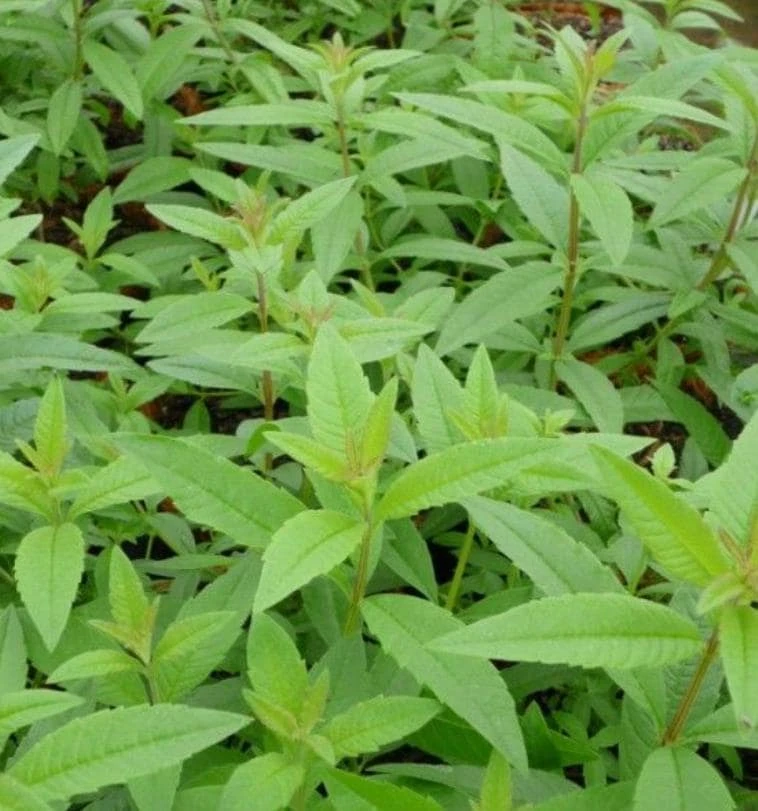
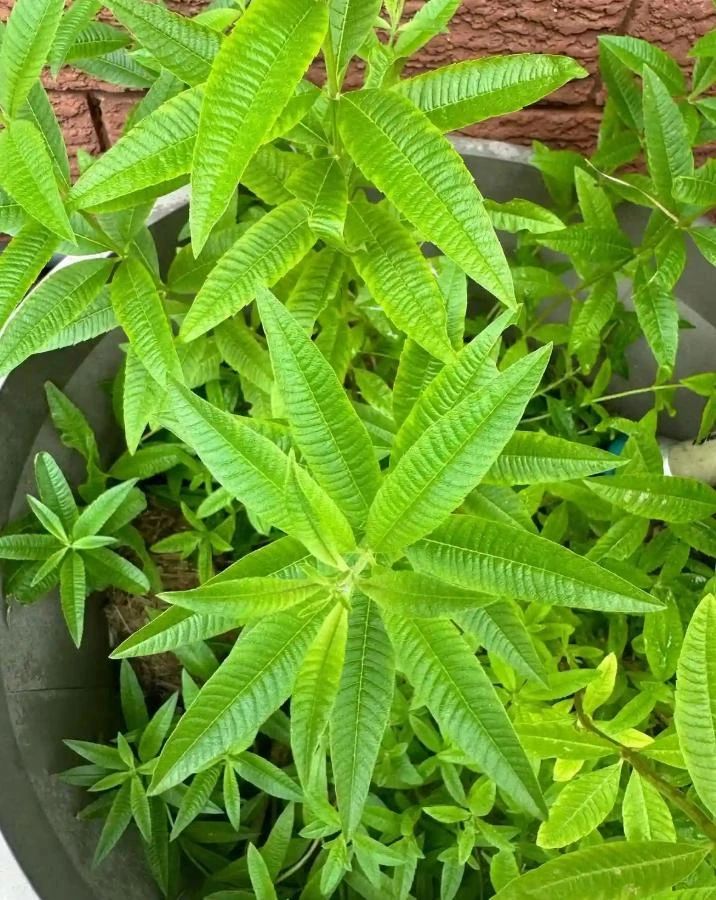
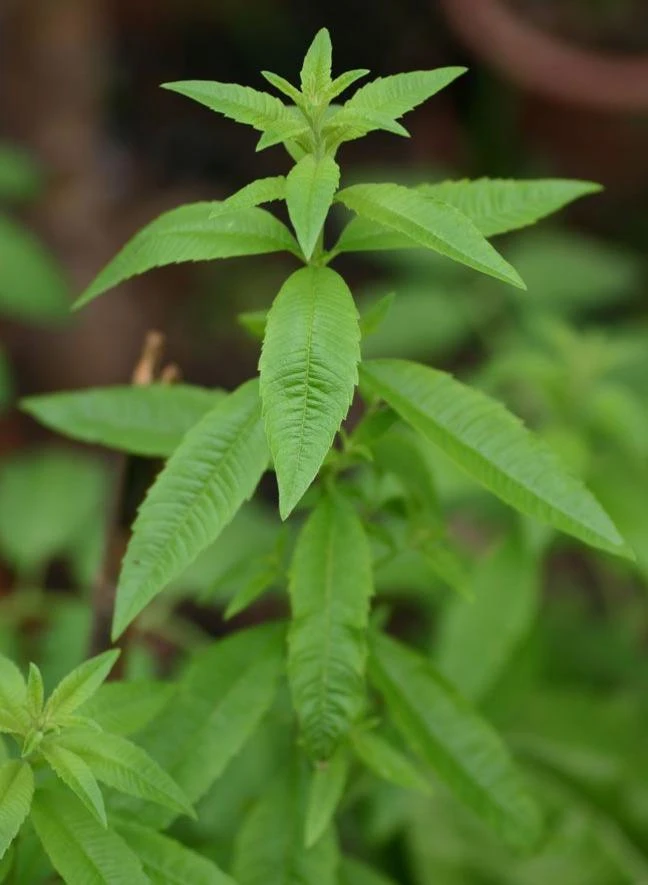
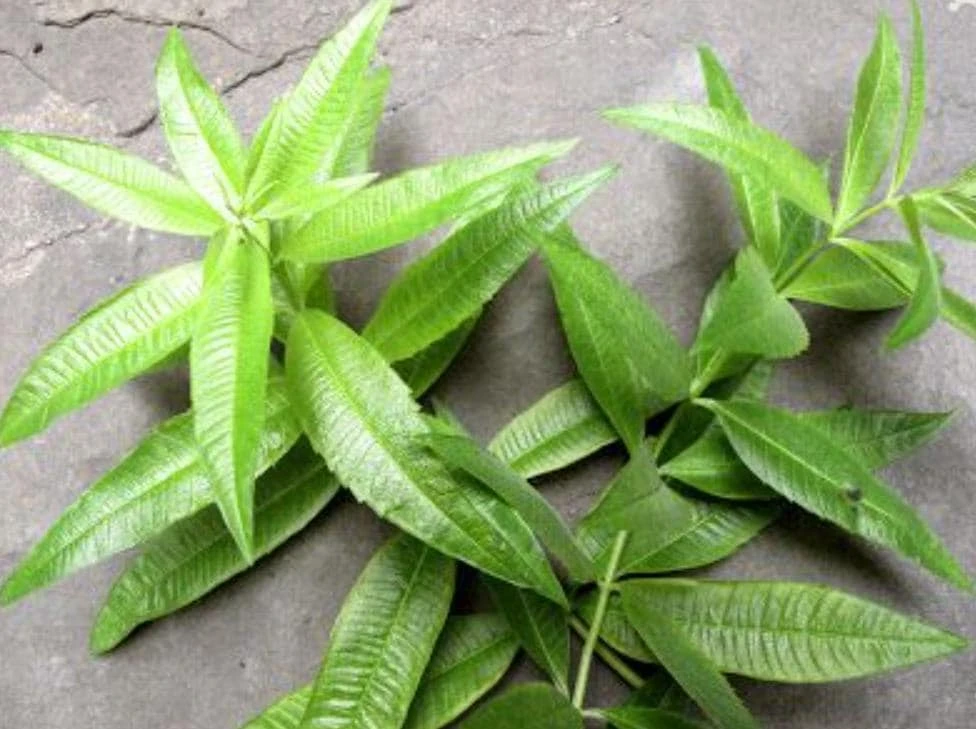
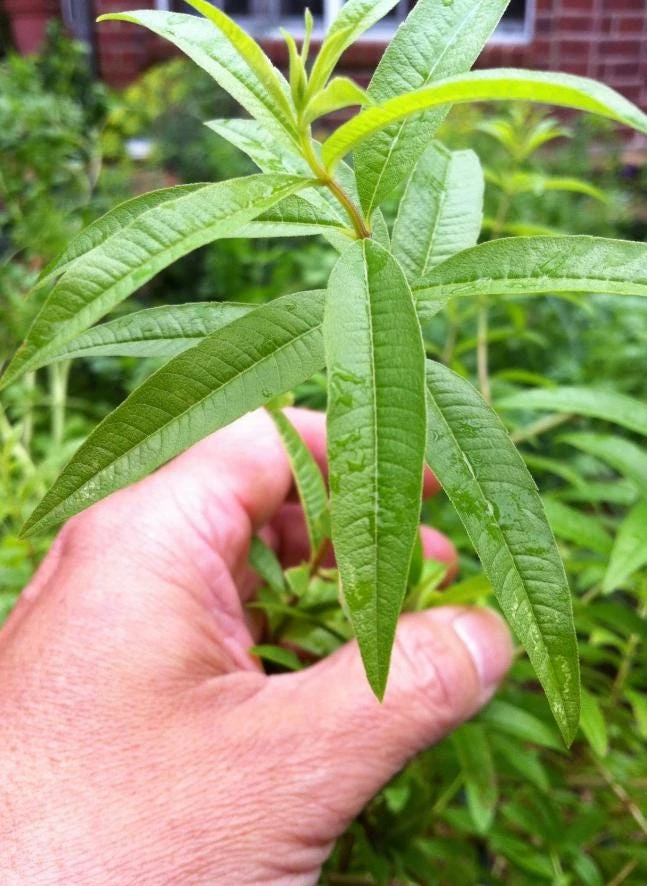
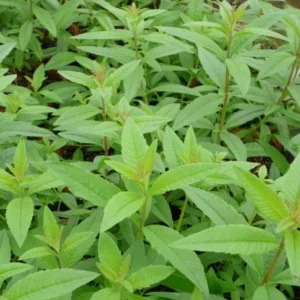
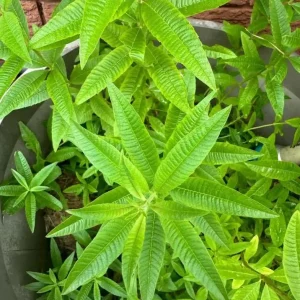
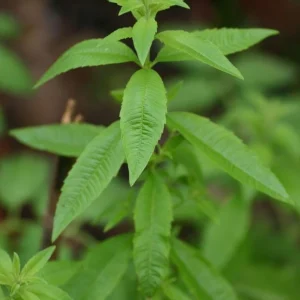
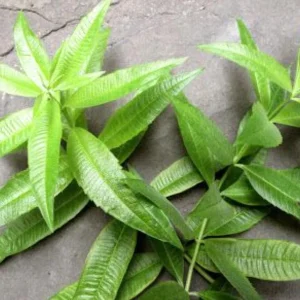
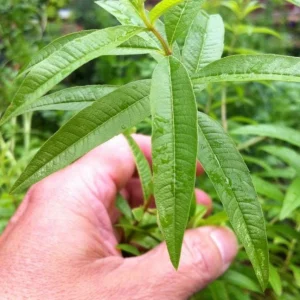
The lemon verbena herb plant is a fast-growing, deciduous shrub that can thrive in various settings, from sunny garden beds to bright indoor spots. Its slender, lance-shaped leaves are not only beautiful but also incredibly useful. Beyond its aromatic appeal, lemon verbena is a fantastic addition to any culinary repertoire, offering a zesty, citrusy flavor without the bitterness often associated with lemon zest. It’s a truly rewarding plant to cultivate, offering both aesthetic pleasure and practical benefits to its grower.
Key Benefits
Cultivating a lemon verbena live plant offers a multitude of advantages, enriching your home and garden with its unique qualities. From culinary delights to aromatic relaxation, this herb is a must-have.
- Exceptional Lemon Fragrance: The leaves emit a powerful, fresh lemon scent when bruised or rubbed, making it a natural air freshener for your home or garden.
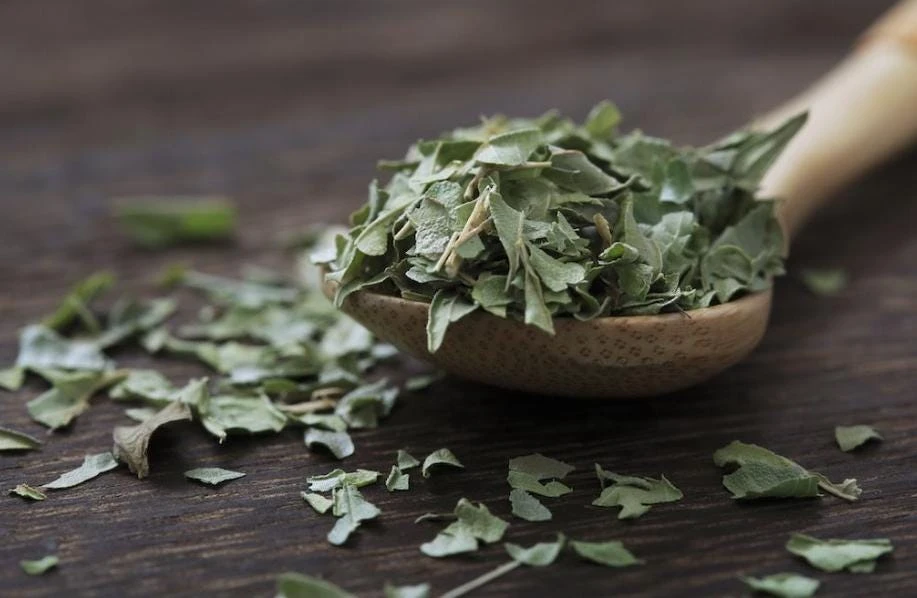
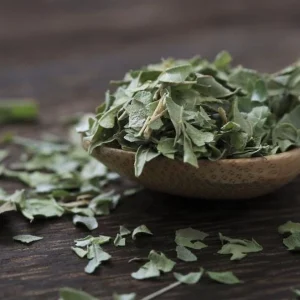
- Versatile Culinary Herb: Perfect for infusing teas, flavoring desserts, marinating poultry or fish, and adding a bright, citrusy note to various dishes. Explore diverse lemon verbena culinary uses.
- Natural Aromatic Source: Ideal for potpourri, sachets, and homemade cleaning products, providing a refreshing and uplifting scent.
- Attractive Garden Addition: Its bright green foliage and graceful growth habit make it a beautiful ornamental plant for herb gardens, borders, or containers.
- Easy to Grow: A relatively low-maintenance plant that adapts well to various conditions, making it suitable for both novice and experienced gardeners who want to grow lemon verbena.
- Potential Wellness Benefits: Historically used in traditional remedies for its calming properties and digestive aid, contributing to overall well-being.
- Pollinator Friendly: While not its primary feature, its small white flowers can attract beneficial insects to your garden.
Plant Care & Growing Tips
To ensure your lemon verbena live plant flourishes, understanding its specific care requirements is essential. This plant thrives with proper attention to sunlight, water, soil, and temperature. For optimal growth, provide a location that receives at least 6 hours of full sunlight daily. In hotter climates, some afternoon shade can be beneficial to prevent leaf scorch. When grown indoors, place it near a south-facing window or under grow lights to mimic its preferred conditions. The more sun it receives, the more fragrant its leaves will become.
Watering is crucial, especially for young plants. Keep the soil consistently moist but never waterlogged during the establishment phase. Once mature, allow the top inch or two of soil to dry out between waterings. Overwatering can lead to root rot, so ensure good drainage. Lemon verbena care also involves selecting the right soil. It prefers well-draining, fertile soil with a slightly acidic to neutral pH (6.0-7.0). A good quality potting mix amended with compost works well for container growing. Feed your plant with a balanced liquid fertilizer every 2-4 weeks during the growing season (spring and summer) to encourage lush foliage. Reduce feeding in fall and winter when growth slows.
Lemon verbena is a tender perennial, hardy in USDA Zones 9-11. In colder climates, it can be grown as an annual or brought indoors before the first frost. When temperatures drop below 40°F (4°C), the plant will likely go dormant, shedding its leaves. Pruning is beneficial for maintaining shape and encouraging bushier growth; pinch back new growth regularly. You can also prune more heavily in late winter or early spring before new growth begins. Regular harvesting of leaves for lemon verbena culinary uses also acts as a form of pruning, promoting a more productive plant.
Size & Details
This offering is for one healthy lemon verbena live plant, shipped as a young starter plant. At the time of shipping, the plant will typically stand approximately 3 to 6 inches tall, depending on the current batch and growth cycle. These young plants are grown in a 4-inch pot to ensure a well-established root system before they make their journey. For safe transit, plants are shipped without their original pots, and a small amount of soil may be removed to minimize weight and mess. This allows the plant to arrive in the best possible condition, ready for you to pot it into a larger container or plant it directly into your garden.
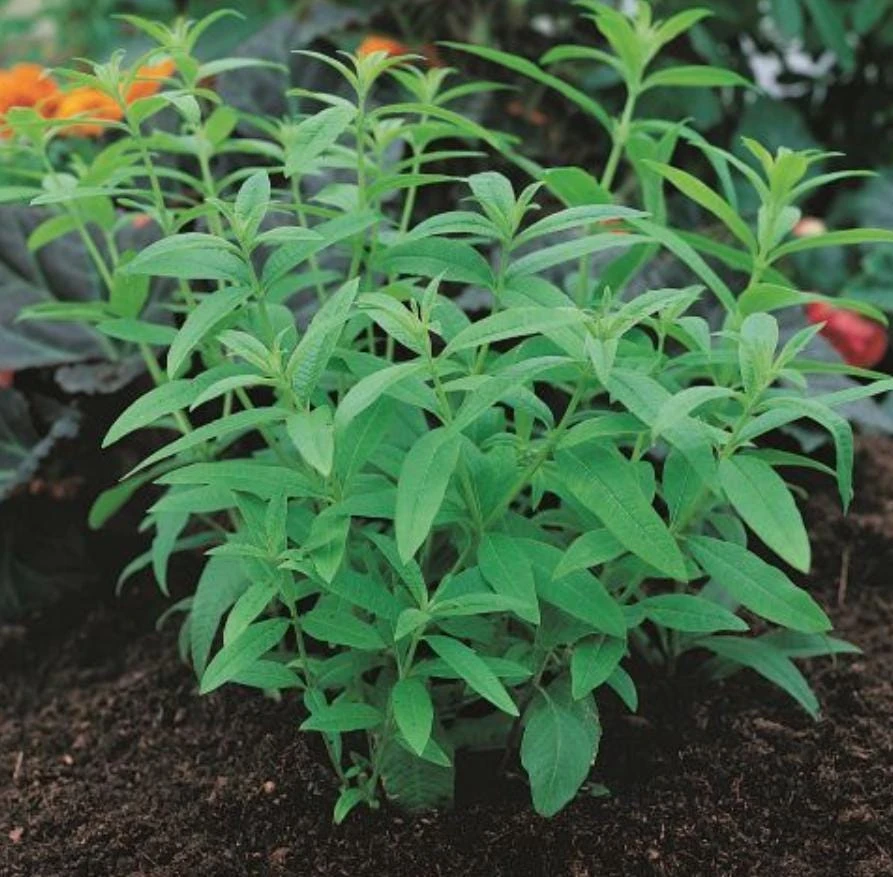
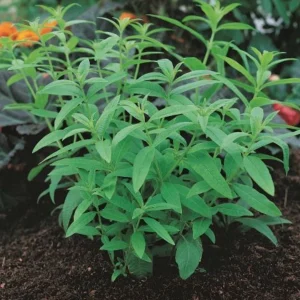
The lemon verbena herb plant is naturally fast-growing and, with proper care, will quickly develop into a more substantial shrub. Its mature size can vary significantly based on growing conditions; in ideal outdoor environments, it can reach heights of 3 to 5 feet and a similar spread. When grown in containers, its size will be more constrained but can still be quite impressive. You can expect to begin harvesting leaves for tea, cooking, and other uses shortly after the plant has settled into its new environment and started putting out new growth. With continued care, your lemon verbena live plant will provide a fragrant and flavorful bounty for many seasons.
Frequently Asked Questions
- Q: How big does this lemon verbena live plant get? A: This is a young starter plant, typically 3 to 6 inches tall upon arrival. With proper care, it can grow into a shrub 3 to 5 feet tall and wide, especially when planted in the ground in suitable climates. Container size will influence its mature dimensions.
- Q: What size pot does it come in? A: The plant is grown in a 4-inch pot to establish roots before shipping. However, it ships without the pot to ensure safe and efficient delivery. You will need to provide a new pot upon arrival.
- Q: Is this an indoor or outdoor plant? A: Lemon verbena can be grown both indoors and outdoors. It thrives outdoors in full sun in USDA Zones 9-11. In colder climates, it’s best grown in containers and brought indoors for winter, or treated as an annual.
- Q: How much sunlight does it need? A: This plant requires full sun, meaning at least 6 hours of direct sunlight per day, for best growth and fragrance. If growing indoors, place it in your brightest window or supplement with grow lights.
- Q: Is this plant easy to care for? A: Yes, lemon verbena is considered relatively easy to care for, making it suitable for gardeners of all experience levels. Its primary needs are ample sunlight, well-draining soil, and consistent watering. Following lemon verbena care guidelines ensures success.
- Q: What condition will it arrive in? A: We ship healthy, live starter plants. Minor cosmetic stress on leaves or stems during transit is normal for live plants. Your plant will need time to adjust and recover after shipping before actively producing new growth.
- Q: Can I use lemon verbena in cooking? A: Absolutely! Lemon verbena culinary uses are vast. Its leaves are prized for their strong lemony flavor and are excellent for teas, desserts, marinades, and any dish where a fresh citrus note is desired.
- Q: How long until it starts producing leaves for harvest? A: Once the plant has settled into its new environment and begun to establish new growth, you can start harvesting leaves. This usually occurs within a few weeks to a month after planting.
- Q: What type of soil does lemon verbena prefer? A: It prefers well-draining, fertile soil. A good quality potting mix with added compost is ideal for containers. Ensure the pot has drainage holes to prevent waterlogging.
- Q: Will it survive winter in my zone? A: In USDA Zones 9-11, lemon verbena is a perennial and will typically survive winter outdoors. In colder zones, it will need to be brought indoors or protected from frost, as it’s not cold-hardy.


Reviews
There are no reviews yet.