Overview
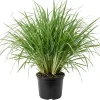
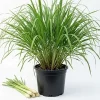
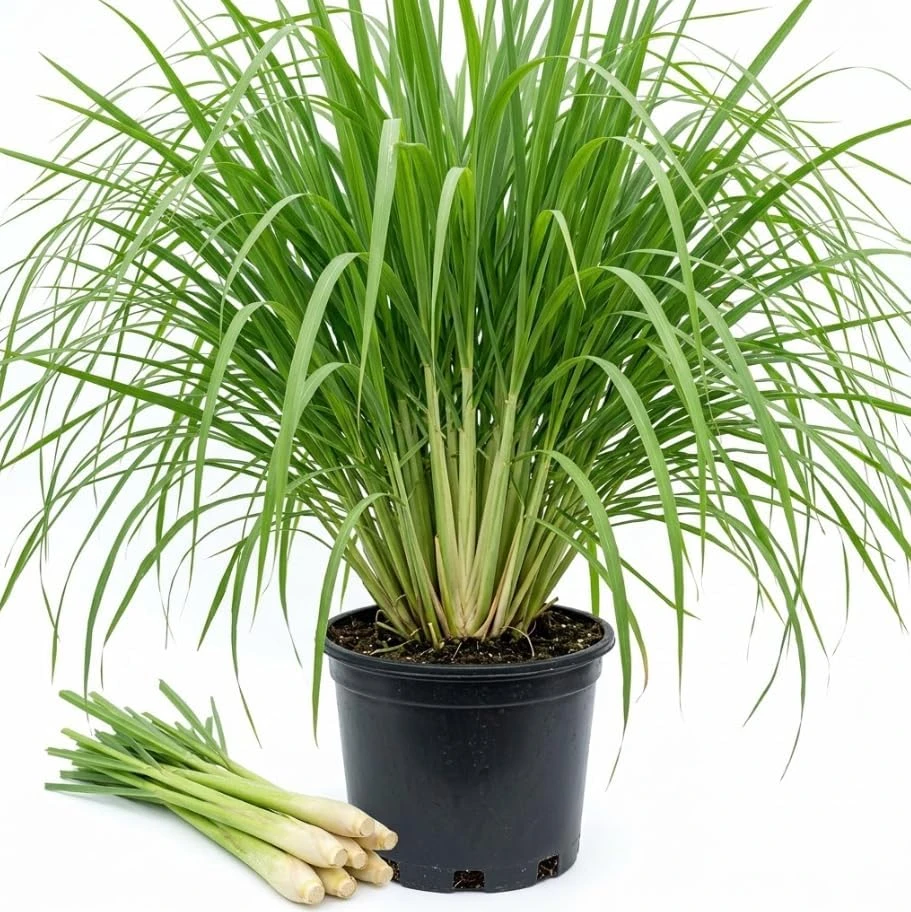
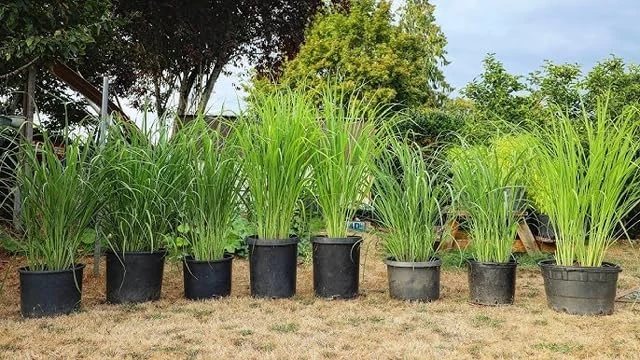
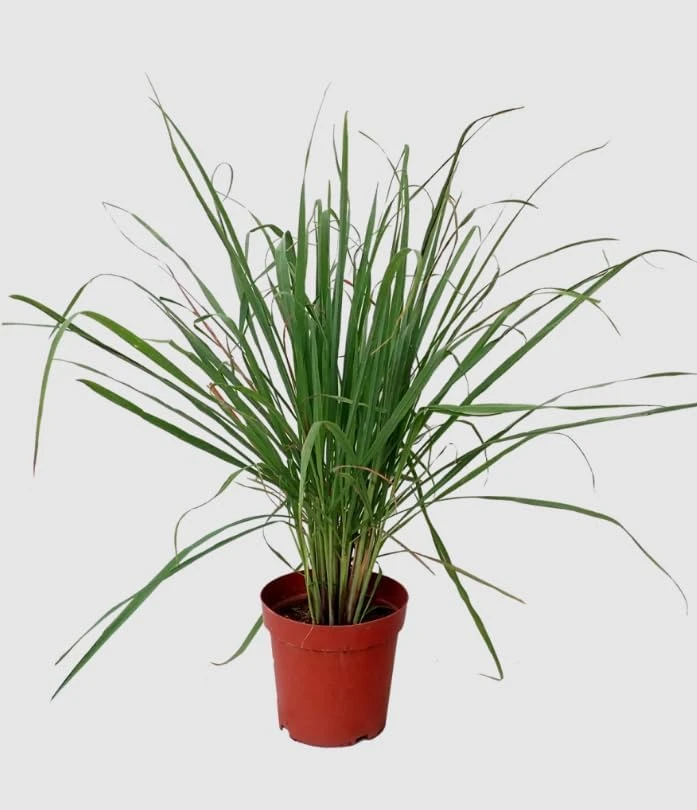
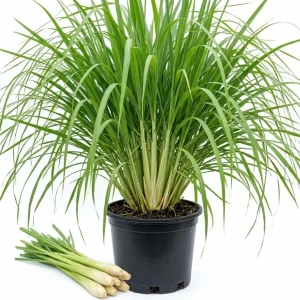
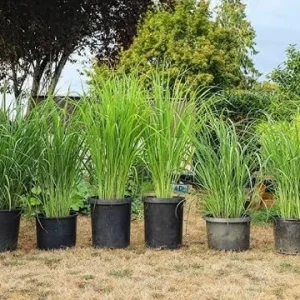
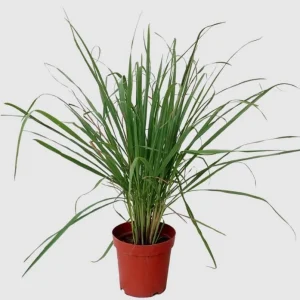
Transform your garden into a culinary paradise with this exceptional set of lemongrass live plant specimens. You will receive 5-6 robust and healthy plants, each approximately 1 foot tall and established in its own convenient gallon-sized pot. This makes them perfectly ready for transplanting into your garden bed, raised planter, or larger decorative container. Known for its distinctive citrusy aroma and flavor, lemongrass live plant is a versatile perennial herb cherished by chefs and gardeners alike. It adds an exotic touch to Asian cuisine, herbal teas, and even natural insect repellents. These thriving plants are well-suited for outdoor cultivation, flourishing in warm, sunny conditions and promising a bountiful harvest season after season.
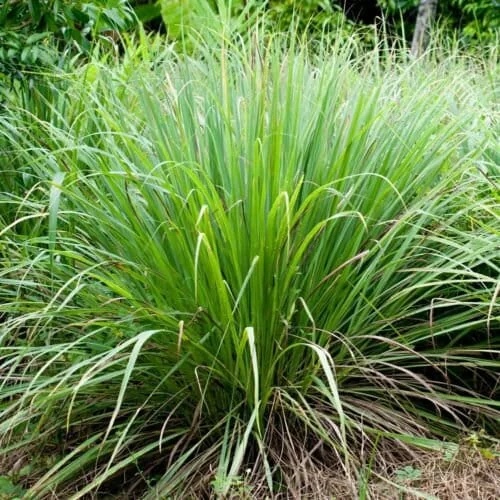
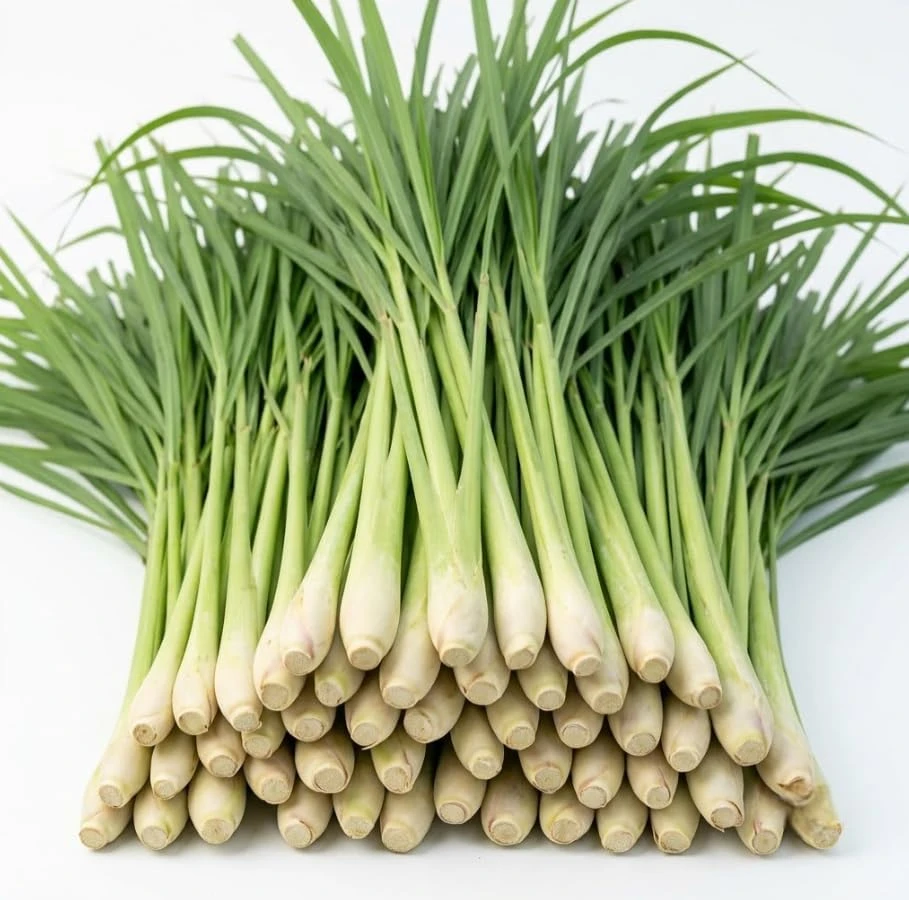
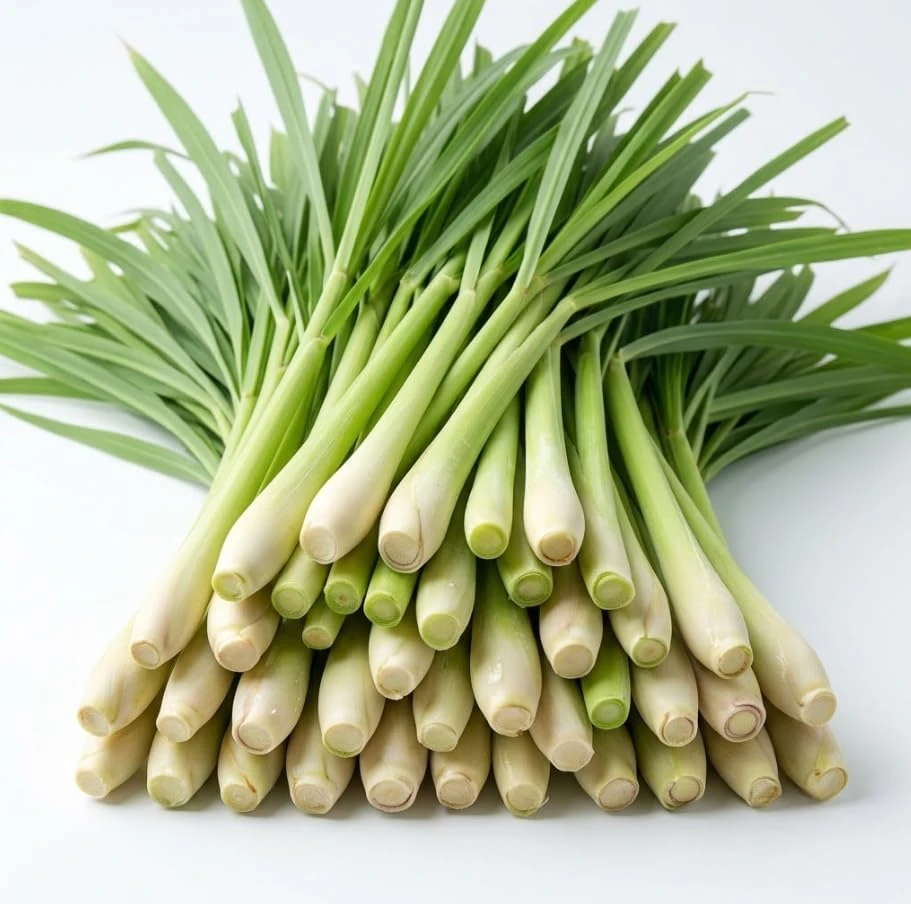
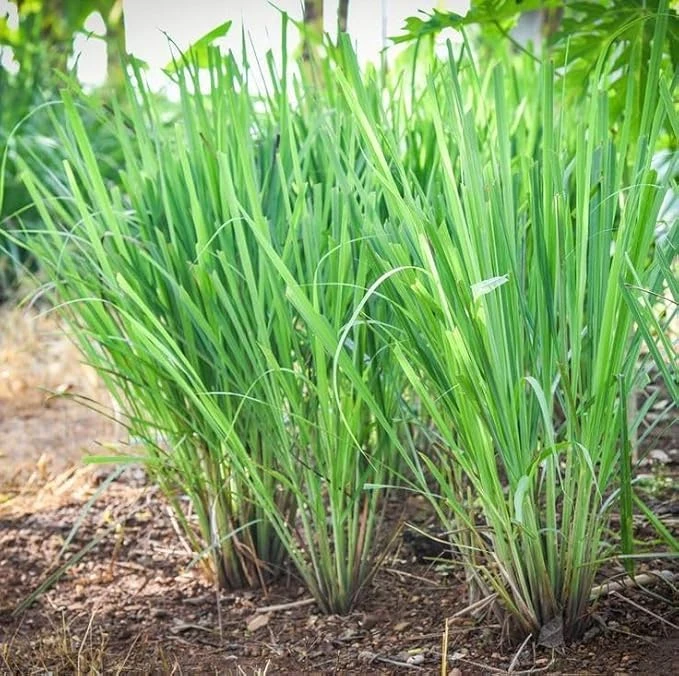
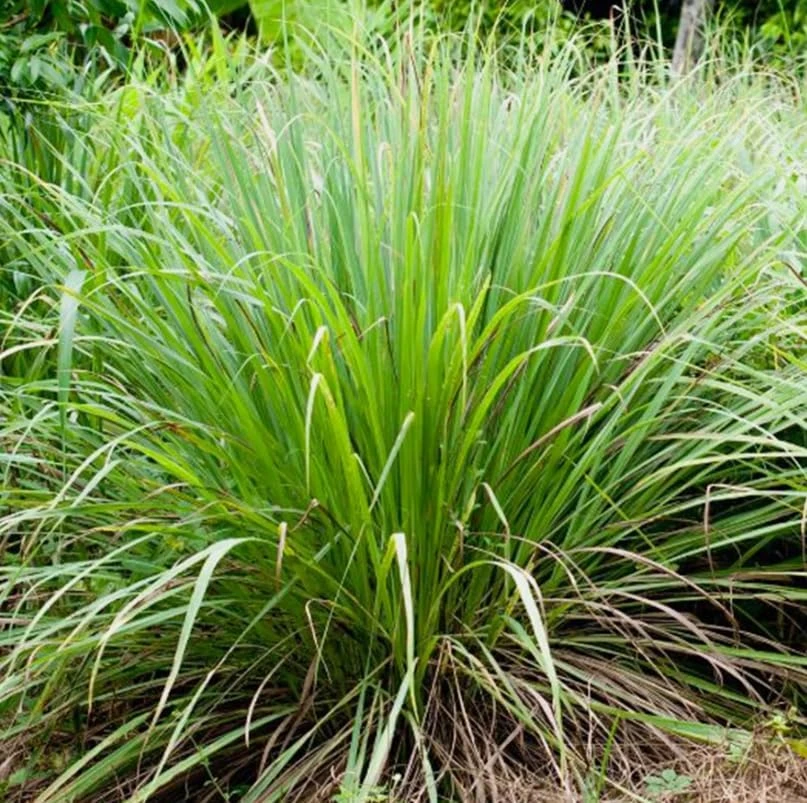
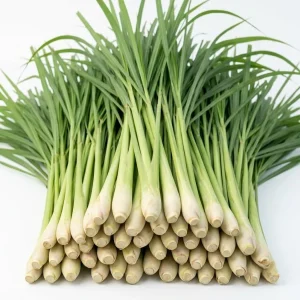
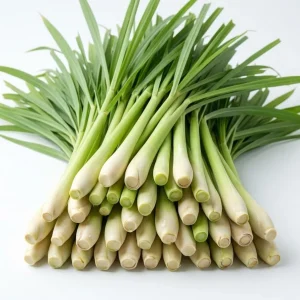
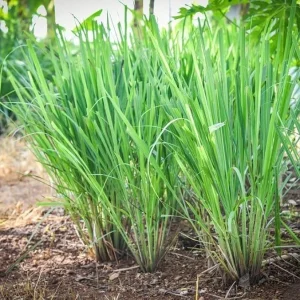
Lemongrass, scientifically known as Cymbopogon citratus, is a tropical grass that brings both beauty and utility to any outdoor setting. Its tall, slender, blade-like leaves create an elegant vertical element in garden designs, while its fragrant stalks are highly prized for their culinary applications. Growing your own lemongrass live plant ensures a fresh supply of this aromatic herb, allowing you to enjoy its vibrant flavor and health benefits right from your backyard. With this generous bundle of plants, you’ll have plenty to use for cooking, share with friends, or simply enjoy the delightful scent it contributes to your garden.
Key Benefits
Embrace the many advantages of cultivating your own lemongrass live plant. These robust herbs offer a blend of aesthetic appeal, practical use, and ease of care, making them a fantastic addition to almost any garden.
- Culinary Versatility: The fragrant stalks of lemongrass live plant are indispensable in many Asian dishes, lending a bright, citrusy, and slightly ginger-like flavor to soups, curries, marinades, and stir-fries. Having fresh lemongrass on hand elevates your home cooking.
- Aromatic Garden Addition: Beyond its culinary uses, lemongrass emits a pleasant, fresh, lemony scent that can enhance your outdoor living spaces. Its tall, graceful foliage also adds an attractive texture and height to garden beds.
- Natural Insect Repellent: Lemongrass contains citronella, a natural compound known for its insect-repelling properties. Planting it near patios or seating areas can help deter mosquitoes and other pests, making outdoor gatherings more enjoyable.
- Perennial Growth: As a perennial herb, lemongrass live plant returns year after year in suitable climates, providing a continuous supply without the need for annual replanting. This makes it a sustainable and cost-effective choice for your herb garden.
- Easy to Grow: Lemongrass is relatively low maintenance once established. It thrives with minimal fuss, making it an excellent choice for both experienced gardeners and those new to growing herbs.
- Health Benefits: Traditionally used in herbal medicine, lemongrass is believed to have antioxidant and anti-inflammatory properties. It’s also a popular ingredient in herbal teas for its soothing qualities.
- Attractive Foliage: The upright, arching green blades of lemongrass add architectural interest to your garden, creating a lush, tropical feel that complements other plants beautifully.
Plant Care & Growing Tips
Ensuring your lemongrass live plant thrives is straightforward with the right care. These plants are generally resilient and will reward you with abundant growth when their basic needs are met. For successful growing lemongrass, attention to sunlight, water, and soil is crucial, especially when grown outdoors.
Sunlight Requirements: Lemongrass is a sun-loving plant that performs best in full sun, meaning at least 6-8 hours of direct sunlight per day. When planting outdoors, choose a location that receives ample sunlight throughout the day. While it can tolerate partial shade, too little sun may result in leggy growth and reduced fragrance. For those in extremely hot climates, some afternoon shade can be beneficial to prevent scorching, but generally, more sun is better for robust growth and flavorful stalks.
Watering Schedule and Soil Moisture: These plants prefer consistently moist soil, especially during warm growing seasons. Water regularly, ensuring the soil doesn’t dry out completely between waterings. However, avoid overwatering, as soggy conditions can lead to root rot. A good rule of thumb is to water deeply when the top 1-2 inches of soil feel dry to the touch. During cooler months or if grown indoors, reduce watering frequency. Adequate drainage is key to preventing waterlogged roots.
Soil Type and Drainage:Lemongrass live plant thrives in rich, well-draining soil. A loamy soil amended with organic matter such as compost or well-rotted manure is ideal. Good drainage is paramount; if your garden soil is heavy clay, consider amending it with sand or planting in raised beds to improve drainage. The gallon pots these plants arrive in are designed to facilitate healthy root development, but ensure your chosen planting site also offers good drainage.
Temperature Range and USDA Hardiness Zone: Lemongrass is a tropical perennial, hardy in USDA Zones 9-11. It prefers warm temperatures and is sensitive to frost. In zones below 9, it is typically grown as an annual or brought indoors before the first frost. Optimal growing temperatures are between 70-95°F (21-35°C). Protecting plants from cold snaps is essential for their survival. If you are in a colder climate, consider planting in containers that can be moved indoors during winter, ensuring proper lemongrass care outdoor and indoor transition.
Fertilization Schedule: Feed your lemongrass every 2-4 weeks during the active growing season (spring and summer) with a balanced liquid fertilizer. Alternatively, incorporate a slow-release granular fertilizer into the soil at the beginning of the growing season. Adequate nutrients support vigorous growth and the production of healthy stalks. Reduce or cease fertilization during fall and winter when growth slows.
Common Problems and Solutions: Lemongrass is generally pest and disease resistant. The most common issues arise from improper watering. Yellowing leaves can indicate either overwatering or underwatering. Adjust your watering schedule accordingly. Root rot is a risk in poorly draining soil, so ensure good drainage. Keep an eye out for common garden pests like aphids, though they rarely cause significant damage to lemongrass. A strong spray of water or insecticidal soap can manage any outbreaks.
Size & Details
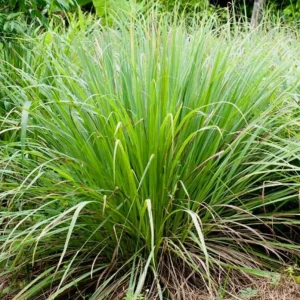
This offering includes a generous set of 5-6 lemongrass live plant specimens, each carefully nurtured and delivered in its own individual gallon-sized container. At the time of shipment, each plant stands approximately 1 foot tall, providing you with a significant head start for your herb garden. These plants exhibit a moderate to fast growth rate under optimal conditions, quickly establishing themselves and producing new fragrant stalks. When mature and grown outdoors in suitable climates, lemongrass can reach heights of 3-5 feet and spread 2-3 feet wide, forming dense clumps.
The plants are shipped as established, potted plants with a healthy root system, ensuring a smooth transition to your garden. While some foliage trimming may occur before shipment to promote plant health and manage transit, the core root system remains intact, allowing for rapid new growth upon planting. Expect to begin harvesting your own fresh fragrant lemongrass stalks within a few weeks of transplanting, with continuous production throughout the warm season. In ideal conditions, a single plant can provide multiple stalks for culinary use, making this bundle an excellent investment for any home chef or gardener interested in culinary herb plant cultivation.
Frequently Asked Questions
- Q: How big does this plant get? A: Each lemongrass live plant you receive will be approximately 1 foot tall in its gallon pot. When mature and grown in ideal outdoor conditions, lemongrass can reach heights of 3-5 feet and spread 2-3 feet wide, forming a beautiful, dense clump.
- Q: What size pot does it come in? A: Each of the 5-6 lemongrass live plant specimens in this set comes individually potted in a convenient gallon-sized container, ready for transplanting.
- Q: Is this an indoor or outdoor plant? A: Lemongrass is primarily an outdoor plant, thriving in warm, sunny conditions. In USDA Zones 9-11, it can be grown as a perennial outdoors. In colder zones, it is typically grown as an annual or brought indoors during winter.
- Q: How much sunlight does it need? A: This culinary herb plant requires full sun, meaning at least 6-8 hours of direct sunlight per day, for optimal growth and fragrance.
- Q: Is this plant easy to care for? A: Yes, lemongrass is considered relatively easy to care for. It primarily needs consistent watering, plenty of sunlight, and well-draining soil to thrive, making growing lemongrass accessible for most gardeners.
- Q: What condition will it arrive in? A: Your lemongrass live plant will arrive as a healthy, established plant in its gallon pot, with an intact root system. Some foliage may be trimmed for shipping, but the plant will quickly rebound.
- Q: Can I use lemongrass in cooking? A: Absolutely! The fragrant lemongrass stalks are highly prized for their citrusy, slightly ginger-like flavor and are a staple in many Asian cuisines for soups, curries, teas, and more.
- Q: How long until it blooms? A: Lemongrass is primarily grown for its stalks and foliage rather than its flowers. While it can produce flower stalks in very warm climates, it’s not typically grown for its blooms, and harvesting the stalks usually prevents flowering.
- Q: When is the best time to plant? A: The best time to plant your lemongrass live plant outdoors is in spring after all danger of frost has passed and soil temperatures have warmed up. This gives the plant ample time to establish itself before the peak growing season.
- Q: Will it survive winter in my zone? A: Lemongrass is hardy in USDA Zones 9-11. In zones colder than 9, it will not survive winter outdoors and should be treated as an annual or brought indoors to protect it from frost, requiring careful lemongrass care outdoor and indoor transition.


Reviews
There are no reviews yet.