Overview
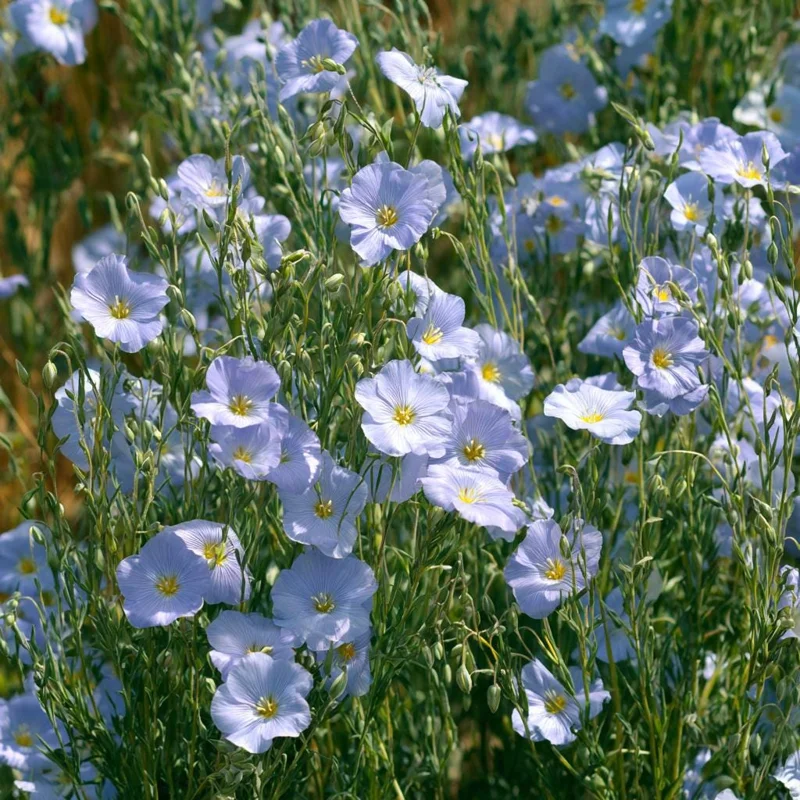
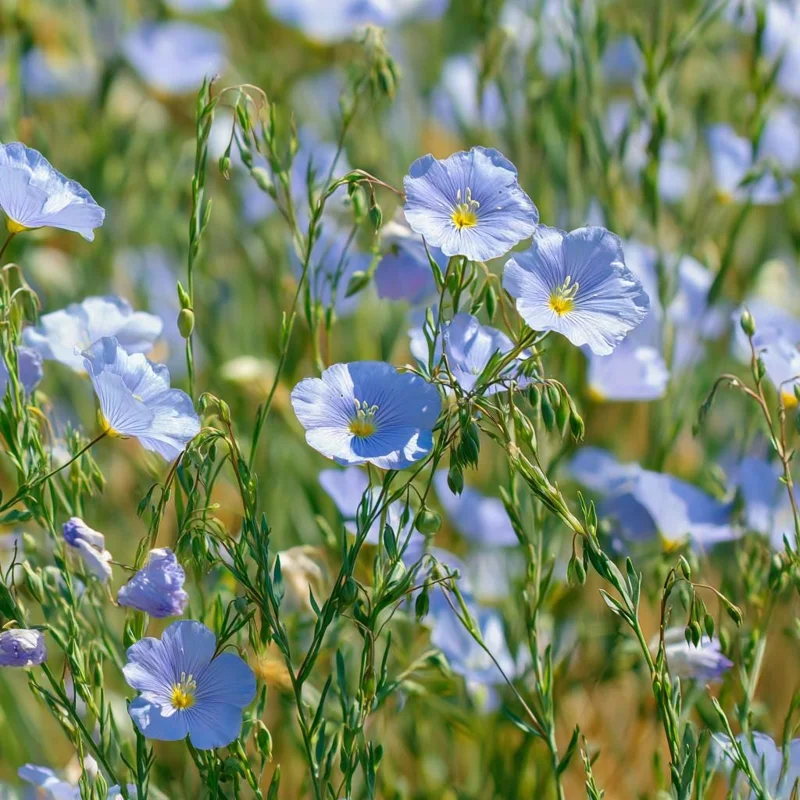
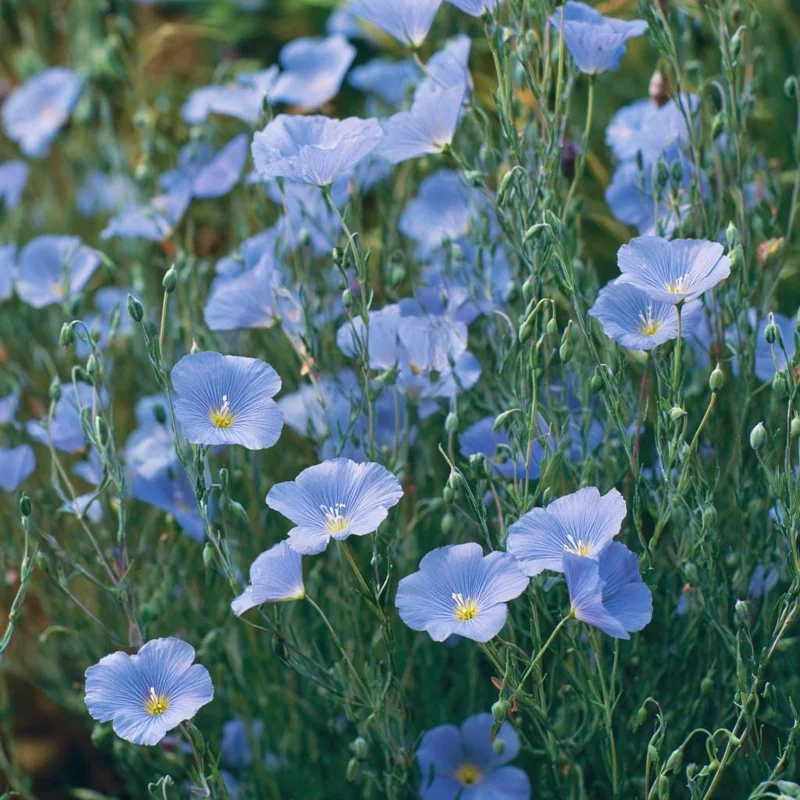
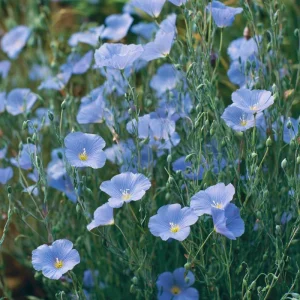
Discover the beauty of the American West with our premium Lewis Flax seeds. Each packet contains 100 seeds of Linum lewisii, a captivating perennial wildflower celebrated for its ethereal, soft pale blue blooms. Named after Meriwether Lewis of the Lewis and Clark expedition, this native plant brings natural elegance and a touch of history to any landscape. Ideal for creating stunning wildflower meadows, naturalized areas, or charming garden borders, Lewis Flax is a resilient choice for gardeners seeking both beauty and ecological benefit. These delicate yet hardy flowers sway gently in the breeze, creating a picturesque scene that enhances biodiversity.
Lewis Flax seeds are an excellent choice for those looking to support local ecosystems. The exquisite pale blue wildflower seeds are highly attractive to essential pollinators such as bees and butterflies, contributing to a healthy and vibrant garden environment. Easy to grow and remarkably low-maintenance once established, Linum lewisii thrives in sunny, well-drained conditions, making it a perfect addition to drought-tolerant landscapes. Plant these Lewis Flax seeds to enjoy a season-long display of captivating blooms that evoke the serene beauty of natural prairies.
Key Benefits
Planting Lewis Flax seeds offers numerous advantages, transforming your garden into a haven of natural beauty and ecological activity. These versatile seeds provide a host of benefits for both the gardener and the environment:
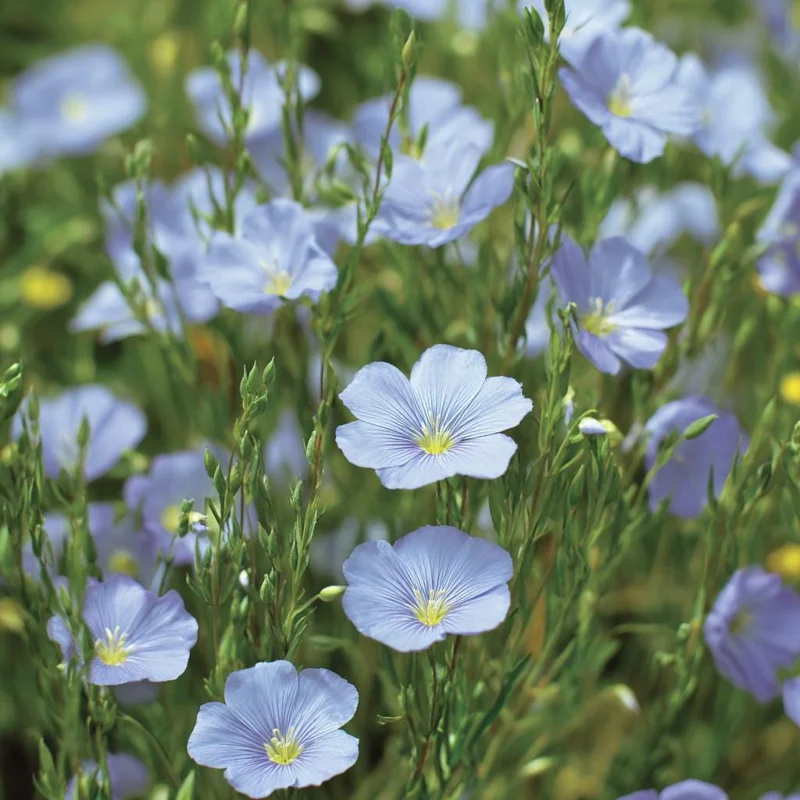
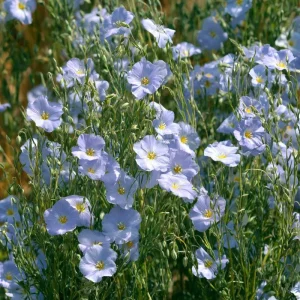
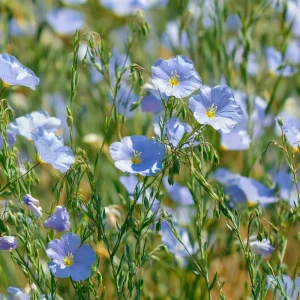
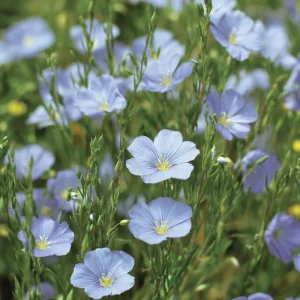
- Stunning Pale Blue Blooms: Enjoy a prolonged display of delicate, cup-shaped flowers that boast a captivating pale blue hue. These charming blossoms add a serene and natural aesthetic to any garden setting, creating a calming visual impact.
- Attracts Pollinators: Lewis Flax is an excellent choice for a pollinator friendly seeds garden. Its flowers are a magnet for bees, butterflies, and other beneficial insects, enhancing local biodiversity and supporting a healthy ecosystem. Growing Linum lewisii seeds helps sustain vital insect populations.
- Low Maintenance & Drought Tolerant: Once established, these wildflowers require minimal care. They are highly drought tolerant flax, making them perfect for xeriscaping or gardens in arid regions, significantly reducing water consumption.
- Versatile Garden Use: Ideal for a variety of landscaping applications, including wildflower meadows, rock gardens, naturalized areas, and mixed perennial borders. The slender stems and airy appearance of Lewis Flax integrate beautifully with other plants, enhancing the natural appeal of your outdoor space.
- Easy to Grow from Seed: Lewis Flax seeds are straightforward to sow and germinate, making them suitable for gardeners of all experience levels. With proper initial care, these seeds will flourish into robust, blooming plants, providing a rewarding gardening experience.
- Native Wildflower Appeal: As a native North American wildflower, Linum lewisii offers an authentic, natural look, contributing to local flora preservation and providing a habitat for native wildlife.
- Continuous Blooming: With regular deadheading, Lewis Flax can provide a continuous flush of its lovely pale blue wildflower seeds from late spring through summer, ensuring a long season of color and interest in your garden.
Plant Care & Growing Tips
Growing Lewis Flax seeds successfully begins with understanding their preferred conditions. These hardy wildflowers are forgiving, but optimal care will ensure a more vigorous display of their beautiful pale blue blooms. For best results, sow your Linum lewisii seeds directly in the garden in early spring after the last frost, or in the fall for germination the following spring. Choose a site that receives full sun, meaning at least 6-8 hours of direct sunlight per day. Adequate sunlight is crucial for prolific flowering and strong plant development. The soil should be well-draining; Lewis Flax does not tolerate wet feet, especially in winter. If your soil is heavy clay, amend it with organic matter or sand to improve drainage.
When sowing your wildflower garden seeds, lightly press them into the soil surface. Do not cover them deeply, as light is often required for germination. Keep the soil consistently moist but not waterlogged until seedlings emerge, which typically occurs within 14-28 days. Once established, Lewis Flax is remarkably drought-tolerant and requires minimal watering. Water deeply but infrequently, allowing the soil to dry out between waterings. Avoid overwatering, as this can lead to root rot. Fertilization is generally not necessary, especially in rich garden soils, as these wildflowers are adapted to leaner conditions. Over-fertilizing can lead to excessive foliage growth at the expense of flowers. This makes it a great choice for those seeking drought tolerant flax options.
To encourage a longer blooming period and more abundant flowers, deadhead spent blooms regularly. Simply pinch or snip off the faded flowers, which prompts the plant to produce new buds. While Lewis Flax is generally pest and disease resistant, ensure good air circulation to prevent any fungal issues. In colder climates, Lewis Flax may behave as an annual or short-lived perennial, though it often self-seeds readily, ensuring a continuous presence in your garden. These pollinator friendly seeds are designed for resilience, providing a beautiful and easy-care addition to your outdoor space.
Size & Details
Each packet contains 100 seeds of Lewis Flax seeds (Linum lewisii), providing ample opportunity to establish a beautiful patch of these native wildflowers. Once mature, individual plants typically reach a height of 1-3 feet (30-90 cm) and spread about 1-2 feet (30-60 cm) wide, forming an open, airy mound. The slender stems are topped with numerous delicate, five-petaled, pale blue flowers that measure approximately 1 inch (2.5 cm) in diameter. These plants have a moderate growth rate, establishing well within their first season and blooming from late spring through mid-summer, with potential for rebloom if deadheaded.
The seeds are shipped in a protective packet, ensuring their viability upon arrival. Expect germination within 2-4 weeks under ideal conditions. Lewis Flax is a perennial, meaning it will return year after year, though its lifespan can vary depending on growing conditions and climate. It typically grows vigorously in fields, forming large patches of its distinctive blooms, creating a natural and picturesque landscape that supports a healthy environment for pollinators. These Linum lewisii seeds are an excellent investment for sustainable gardening.
Frequently Asked Questions
- Q: How many Lewis Flax seeds are included in a packet? A: Each packet contains 100 seeds of Lewis Flax seeds (Linum lewisii), providing enough seeds for a significant planting area or multiple smaller projects.
- Q: Is Lewis Flax an indoor or outdoor plant? A: Lewis Flax seeds are intended for outdoor cultivation. They thrive in full sun conditions and are perfect for gardens, meadows, and naturalized landscapes.
- Q: How much sunlight does Lewis Flax need? A: Lewis Flax requires full sun, meaning at least 6 to 8 hours of direct sunlight per day, for optimal growth and abundant flowering.
- Q: Is this plant easy to care for? A: Yes, Lewis Flax is considered low-maintenance once established. It’s drought-tolerant and generally resistant to pests and diseases, making it suitable for beginners and experienced gardeners alike. Many find it easier to grow than other pale blue wildflower seeds.
- Q: What condition will the seeds arrive in? A: The Lewis Flax seeds will arrive in a protective packet, ensuring they are dry and viable, ready for planting according to the provided instructions.
- Q: When is the best time to plant Lewis Flax seeds? A: The best time to sow Linum lewisii seeds is in early spring after the last frost, or in the fall for germination the following spring.
- Q: Will Lewis Flax survive winter in my zone? A: Lewis Flax is a perennial and is generally hardy in USDA Zones 3-9. In colder zones, it may behave as an annual but often self-seeds to return the following year. It is a great option for drought tolerant flax in many regions.
- Q: Does Lewis Flax attract pollinators? A: Absolutely! Lewis Flax is known for being an excellent source of nectar and pollen, making it a fantastic choice for a pollinator friendly seeds garden, attracting bees and butterflies.
- Q: What type of soil does Lewis Flax prefer? A: Lewis Flax prefers well-draining soil and can tolerate poor to average soil conditions. Avoid heavy, waterlogged soils.
- Q: How tall do Lewis Flax plants grow? A: Mature Lewis Flax plants typically grow to a height of 1 to 3 feet (30-90 cm), with an airy and delicate appearance.


Reviews
There are no reviews yet.