Overview
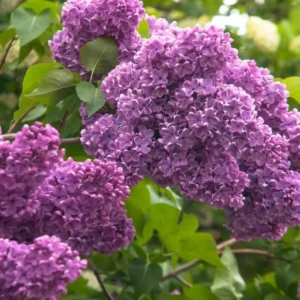
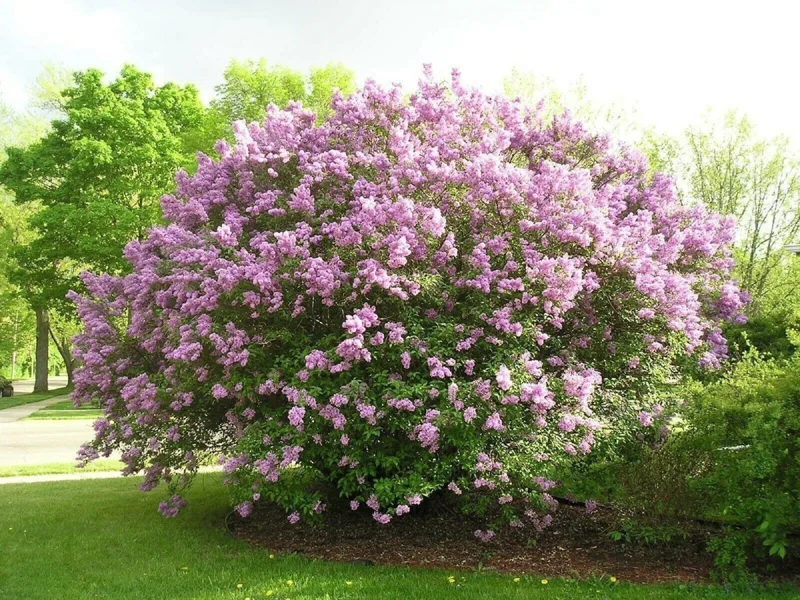
Introduce the classic charm and intoxicating aroma of a lilac live plant to your outdoor space. This starter plant, scientifically known as Syringa, promises to transform your garden with its stunning, fragrant blooms. A beloved deciduous shrub, the lilac is renowned for its ease of care and spectacular floral displays, making it a favorite among gardeners. Our lilac live plant is a well-rooted specimen, approximately 6-8 inches tall, shipped in a 2 1/2 x 3 1/2 inch pot, ready for planting and establishment in your garden. Lilacs are incredibly versatile, fitting seamlessly into various garden designs, from formal borders to informal cottage gardens. Choosing a syringa starter plant means investing in years of beautiful, scented blossoms.
The allure of the lilac extends beyond its visual appeal; its sweet, memorable fragrance is a hallmark of spring and early summer. This hardy shrub is a testament to enduring beauty and resilience, capable of flourishing in a wide range of climates. Whether you’re looking to create a fragrant hedge, a beautiful specimen plant, or add a touch of nostalgia to your landscape, a lilac live plant is an excellent choice. Its robust nature ensures that even novice gardeners can enjoy the rewards of growing this magnificent flowering shrub.
Key Benefits
Cultivating a fragrant lilac shrub offers numerous advantages, enriching your outdoor living space with beauty and sensory delight. These plants are not only visually appealing but also contribute positively to the garden ecosystem.
- Stunning Fragrance: Experience the iconic, sweet scent of lilac blooms that fills the air in spring and summer, creating a truly enchanting garden atmosphere. This makes your garden a more inviting and enjoyable space.
- Beautiful Blooms: Enjoy an abundance of showy flowers, often in shades of purple, pink, or white, adding vibrant color and texture to your landscape. The diverse range of colors available ensures there’s a lilac to complement any garden palette.
- Attracts Pollinators: The nectar-rich flowers are a magnet for bees, butterflies, and hummingbirds, supporting local biodiversity and contributing to a healthy garden ecosystem. This makes your garden come alive with activity.
- Low Maintenance: Once established, the lilac live plant is relatively easy to care for, requiring minimal attention to thrive and produce consistent blooms. Its resilience makes it suitable for busy gardeners.
- Versatile Landscaping: Ideal for use as a specimen plant, in mixed borders, as a fragrant hedge, or even as a cut flower for indoor arrangements. The versatility of the deciduous lilac bush allows for creative garden design.
- Winter Hardy: Suitable for USDA Zones 3-7, these plants are robust and can withstand colder temperatures, ensuring their return year after year. This hardiness provides long-term value and beauty.
- Good Cut Flower: The beautiful and fragrant blooms make excellent cut flowers, allowing you to bring the delightful scent and beauty of your garden indoors.
Plant Care & Growing Tips
Caring for your lilac live plant is straightforward, ensuring years of beautiful blooms with proper attention. Lilacs thrive in conditions that mimic their natural habitat, requiring specific light, soil, and watering practices to reach their full potential. Understanding these needs is key to a flourishing fragrant lilac shrub.
For optimal growth and abundant flowering, lilacs require full sun, meaning at least 6 hours of direct sunlight per day. Insufficient light can lead to sparse blooming. They prefer well-drained soil; heavy, waterlogged soils can lead to root rot. A neutral to slightly alkaline soil pH is ideal. When planting your syringa starter plant, amend the soil with compost to improve drainage and fertility. Water regularly during the first growing season to help establish a strong root system. Once established, lilacs are relatively drought-tolerant but will benefit from occasional deep watering during dry spells.
Pruning is essential for maintaining the health and vigor of your deciduous lilac bush and encouraging prolific flowering. The best time to prune is immediately after flowering in late spring or early summer, as lilacs bloom on old wood. Remove spent flower clusters, dead or damaged branches, and thin out overcrowded stems to improve air circulation. Fertilize in early spring with a balanced slow-release fertilizer if your soil is poor, but generally, lilacs do not require heavy feeding. Watch out for common pests like lilac borers and powdery mildew; good air circulation and proper plant spacing can help prevent fungal diseases. This outdoor lilac plant care ensures a healthy, vibrant shrub.
Size & Details
This offering is for a lilac live plant starter, approximately 6-8 inches tall, shipped as a well-rooted plant in a 2 1/2 x 3 1/2 inch pot. This size is ideal for establishing quickly in your garden, allowing for robust growth. Lilacs are known for their moderate to fast growth rate, and with proper care, this starter plant will develop into a substantial shrub. Expect it to reach a mature height of 4 feet or more, with a similar spread, creating a significant presence in your landscape.
The plant is a deciduous shrub, meaning it will lose its leaves in winter, preparing for a spectacular spring display. It is hardy in USDA Zones 3-7, making it suitable for a broad range of climates across the United States. Blooms typically appear in spring to early summer, depending on your specific climate zone and the variety. The flowers are known for their excellent quality as cut flowers, allowing you to enjoy their beauty and fragrance indoors. This lilac live plant will arrive ready for planting, packed carefully to ensure its health during transit.
Frequently Asked Questions
- Q: How big does this lilac live plant get? A: This lilac live plant starter is approximately 6-8 inches tall when shipped. With proper care, it can grow to a mature height of 4 feet or more, developing into a sizable and beautiful shrub in your garden.
- Q: Is this an indoor or outdoor plant? A: Lilacs are outdoor plants, specifically deciduous shrubs. They require a period of cold dormancy to produce their iconic blooms, making them unsuitable for continuous indoor cultivation. Plant your fragrant lilac shrub in a sunny outdoor location.
- Q: How much sunlight does a syringa starter plant need? A: A syringa starter plant thrives in full sun, meaning it needs at least 6 hours of direct sunlight per day. Adequate sunlight is crucial for abundant flowering and overall plant health.
- Q: Is this plant easy to care for? A: Yes, once established, the deciduous lilac bush is considered relatively easy to care for. It’s tolerant of various conditions but performs best with well-drained soil and plenty of sunshine. Regular pruning after flowering helps maintain its shape and encourages more blooms.
- Q: What condition will the lilac live plant arrive in? A: Your lilac live plant will arrive as a well-rooted starter plant in a 2 1/2 x 3 1/2 inch pot. It will be carefully packaged to ensure its health and vitality during shipping, ready for immediate planting upon arrival.
- Q: When is the best time to plant this outdoor lilac plant? A: The best time to plant your outdoor lilac plant care is in early spring or fall. This allows the plant to establish its root system before the stress of summer heat or winter cold.
- Q: Will this lilac survive winter in my zone? A: This lilac is winter hardy and suitable for USDA Zones 3-7. If your area falls within these zones, your plant should successfully survive the winter and return to bloom again in spring.
- Q: What type of soil does a lilac prefer? A: Lilacs prefer well-drained soil with a neutral to slightly alkaline pH. They do not tolerate heavy, waterlogged conditions, which can lead to root rot. Amending heavy soils with organic matter can improve drainage.
- Q: How often should I water my new lilac starter plant? A: During its first growing season, water your new lilac live plant regularly to keep the soil consistently moist but not waterlogged. Once established, it becomes more drought-tolerant but will benefit from deep watering during prolonged dry periods.
- Q: Can I use the blooms as cut flowers? A: Absolutely! Lilac blooms are excellent for cutting. Their beautiful appearance and delightful fragrance make them a perfect addition to indoor floral arrangements, bringing the essence of your garden inside.


Reviews
There are no reviews yet.