Overview
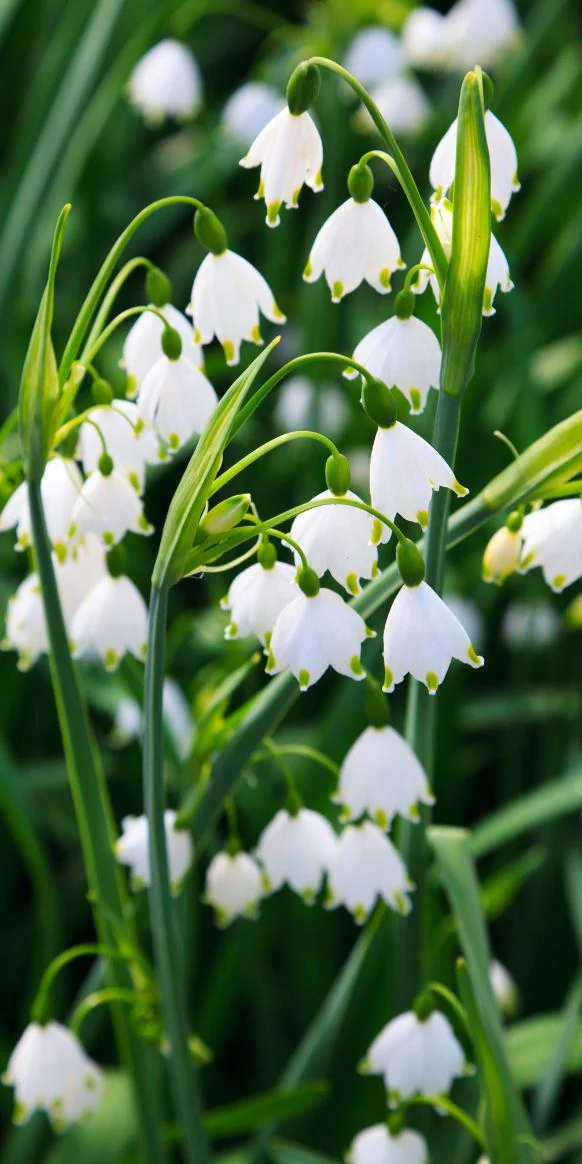
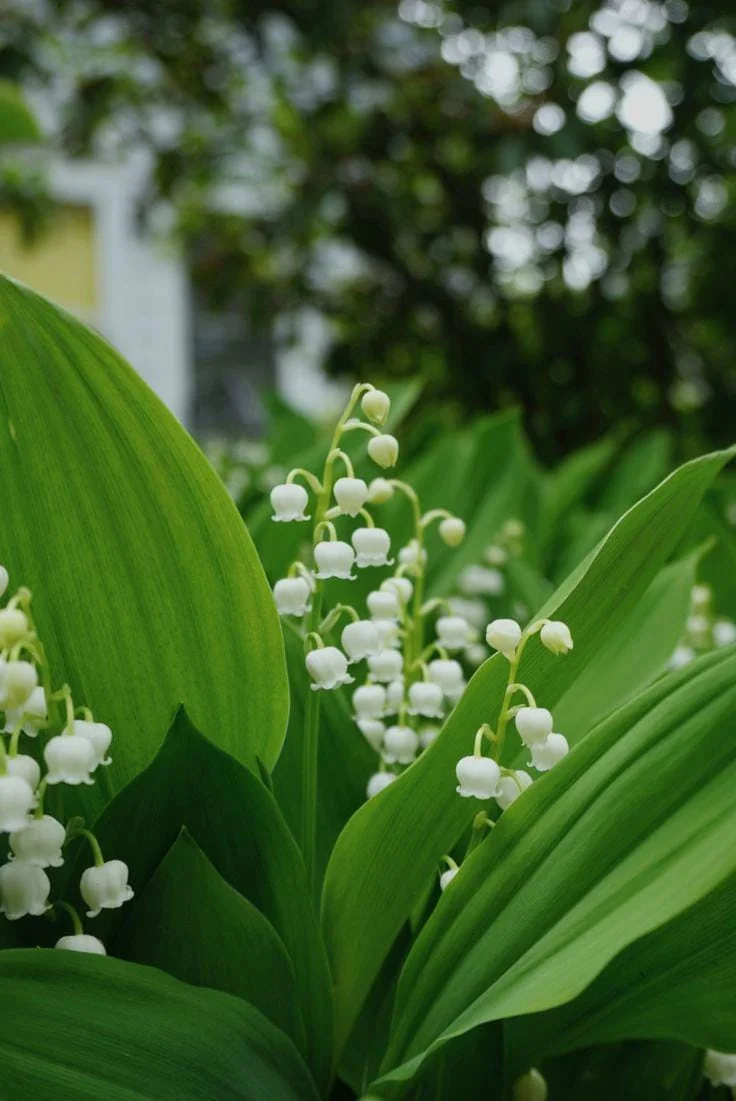
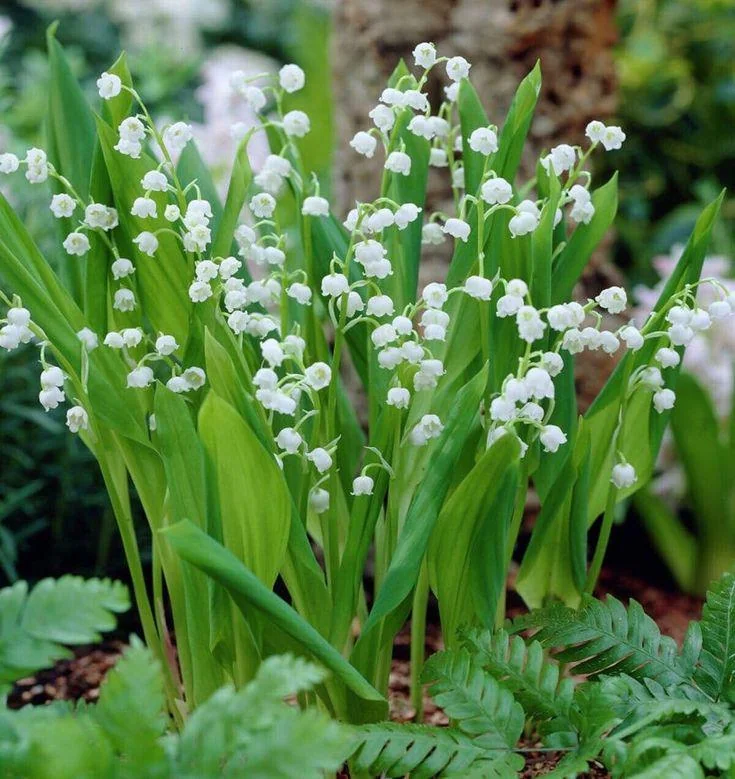
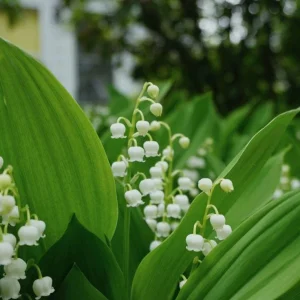
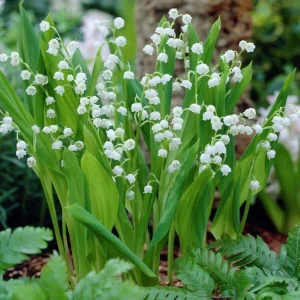
Introduce timeless charm and enchanting fragrance to your garden with the lily of the valley bare root. Known botanically as Convallaria majalis, this beloved plant is a classic choice for early spring landscapes, celebrated for its delicate, sweetly scented white flowers. Lily of the valley bare root plants are an excellent way to establish this perennial beauty, which quickly spreads to form lush carpets of green foliage adorned with nodding, bell-shaped blooms. Ideal for creating a serene, woodland-like atmosphere, these plants are highly adaptable and remarkably easy to care for, providing enduring beauty year after year.
The pristine white flowers of Convallaria majalis plant emerge in clusters on slender stems, offering a captivating perfume that signals the arrival of warmer weather. Beyond their aromatic appeal, the plants feature bright green, lance-shaped leaves that create an attractive, dense ground cover. Whether planted under trees, along pathways, or in shaded borders, this moisture-loving perennial adds elegance and a touch of wild beauty to any garden setting.
Key Benefits
Choosing lily of the valley bare root for your garden brings a multitude of advantages, enhancing both aesthetic appeal and garden health. These benefits make it a popular choice for gardeners seeking low-maintenance yet high-impact plants.
- Enchanting Fragrance: The iconic sweet perfume of lily of the valley bare root flowers fills the air in spring and early summer, creating a delightful sensory experience in your garden.
- Effective Ground Cover: These plants are exceptional at forming a dense, spreading ground cover, effectively suppressing weeds and creating a uniform, attractive landscape beneath trees and shrubs.
- Shade Tolerance: Thriving in partial to full shade, Convallaria majalis plant is perfect for those challenging areas of the garden where other flowering plants struggle to grow.
- Low Maintenance & Carefree: Once established, lily of the valley care is minimal. These hardy perennials are resilient and require little intervention, making them ideal for busy gardeners.
- Early Spring Blooms: Enjoy some of the first flowers of the season, bringing vibrant white color and life to your garden when many other plants are just beginning to emerge.
- Attractive Post-Bloom: Even after flowering, the plant remains visually appealing with its medium-bright green leaves and, in some cases, small red seed pods, ensuring continuous interest.
- Hardy Perennial: This plant is a robust perennial, returning year after year with increasing vigor. It is well-suited for a wide range of climates, particularly those within USDA Zones 3-8.
Plant Care & Growing Tips
Ensuring the success of your lily of the valley bare root plants involves understanding their basic needs, which are generally straightforward. These plants prefer cooler temperatures and consistent moisture to thrive. Plant your bare roots in the fall for best results, allowing them to establish a strong root system before the spring growing season. Dig holes large enough to accommodate the roots without bending, ensuring the crown is just below the soil surface. Space them about 4-6 inches apart if you desire a dense ground cover quickly.
For optimal growth, lily of the valley bare root plants flourish in partial to full shade. While they can tolerate some morning sun, intense afternoon sun can scorch their leaves. They are highly adaptable to various soil types but prefer rich, well-draining soil that retains moisture. Amending the soil with organic matter like compost can significantly improve its structure and fertility. Keep the soil consistently moist, especially during dry periods and throughout the flowering season. Adequate moisture is crucial for lush foliage and abundant blooms. Fertilize sparingly in early spring with a balanced, slow-release granular fertilizer if your soil is poor; otherwise, they typically do not require heavy feeding. With proper lily of the valley care, these plants will reward you with beautiful blooms and a delightful fragrance.
Size & Details
This offering includes lily of the valley bare root plants, which are dormant root sections ready for planting. Once established, these vigorous perennials typically grow to a height of 6-12 inches (15-30 cm) and spread similarly, creating a dense mat of foliage and flowers. The lance-shaped leaves reach 4 to 8 inches (10 to 20 cm) high and 3 to 5 inches (7.5 to 12.5 cm) wide. The plant is known for its relatively fast growth rate, quickly filling in shaded areas to form a beautiful ground cover. They are hardy in USDA Zones 3-8, and in some regions, can extend to USDA Zones 2-9. Expect charming white, bell-shaped flowers to appear in early to late spring, depending on your climate, providing a sweet perfume to your garden.
Frequently Asked Questions
- Q: How big does this Convallaria majalis plant get? A: Once established, lily of the valley bare root plants typically grow 6-12 inches (15-30 cm) tall and spread equally wide, forming a dense ground cover. The leaves themselves can be up to 8 inches tall.
- Q: Is this an indoor or outdoor plant? A: Lily of the Valley is primarily an outdoor plant, best grown in garden beds as ground cover. While it can be forced to bloom indoors, it generally thrives and spreads best in an outdoor environment.
- Q: How much sunlight does it need? A: This plant thrives in partial to full shade. It can tolerate some morning sun but should be protected from harsh afternoon sun, which can scorch its leaves.
- Q: Is this plant easy to care for? A: Yes, lily of the valley care is relatively easy. Once established, it is a low-maintenance perennial that is quite resilient and spreads readily, making it a good choice for beginners.
- Q: What condition will it arrive in? A: The product will arrive as dormant bare roots, which are essentially the root systems without foliage, ready for planting. This is the ideal form for planting in fall or early spring.
- Q: How long until it blooms? A: If planted in the fall, you can expect your lily of the valley bare root to bloom in the following spring. If planted in spring, it may bloom that year or the following spring once established.
- Q: When is the best time to plant lily of the valley bare root? A: The best time to plant lily of the valley bare root is in the fall, allowing the roots to establish over winter for a strong spring growth. Spring planting is also possible, especially in colder climates.
- Q: Will it survive winter in my zone? A: Yes, Lily of the Valley is very hardy and will survive winter in USDA Zones 3-8, and sometimes even Zone 2-9, as a perennial. It is well-adapted to cold climates.
- Q: What are the soil requirements for Convallaria majalis plant? A: While highly adaptable, Lily of the Valley prefers rich, well-draining soil that retains moisture. Amending with organic matter can enhance its growth.
- Q: What is the primary benefit of planting perennial white flowers like Lily of the Valley? A: The primary benefit is their exquisite fragrance and ability to quickly form a beautiful, low-maintenance ground cover in shaded areas, returning year after year.


Reviews
There are no reviews yet.