Overview
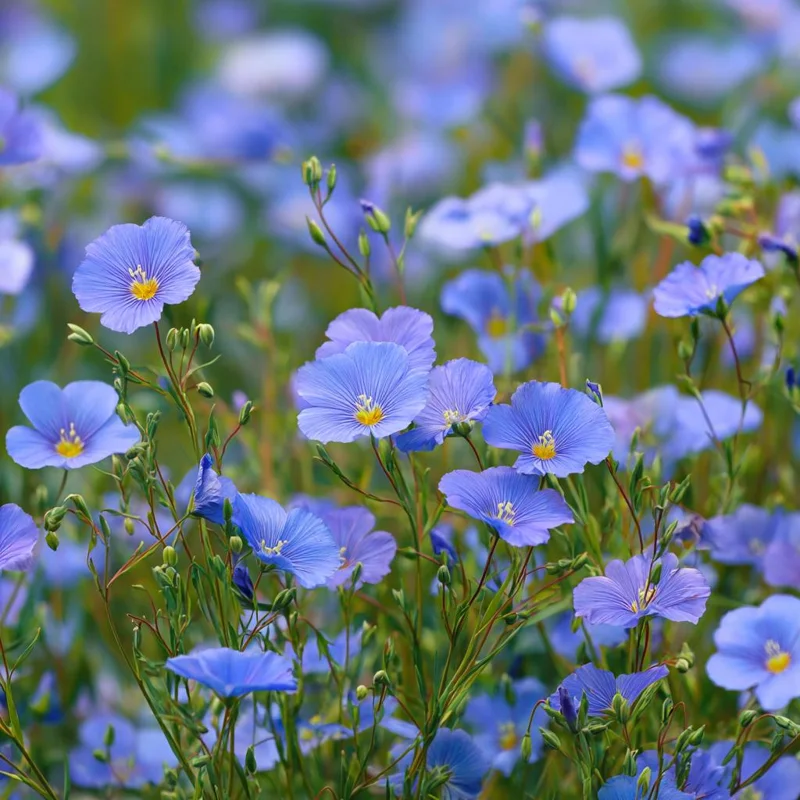
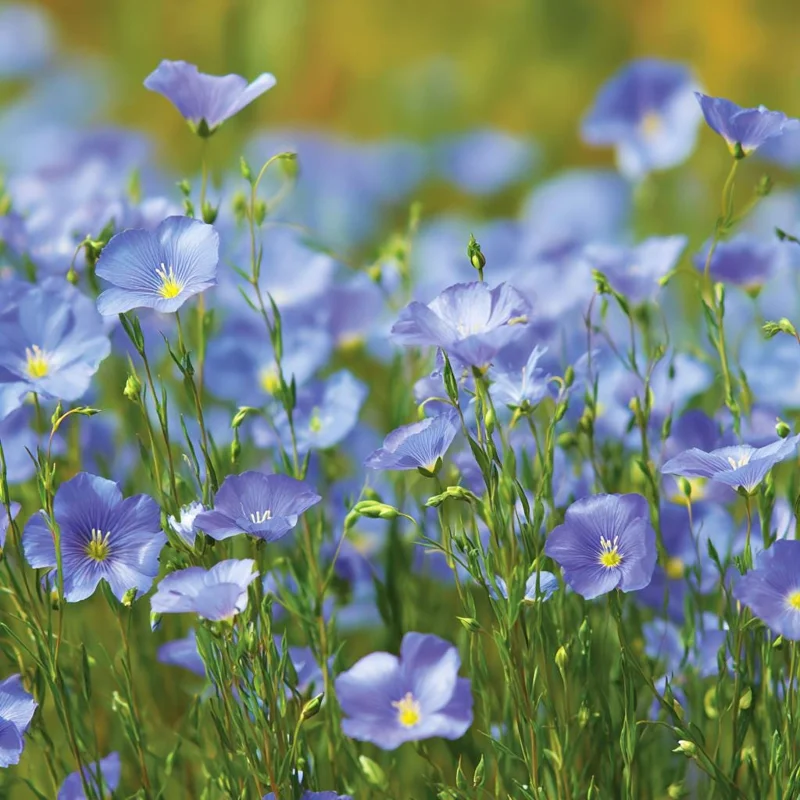
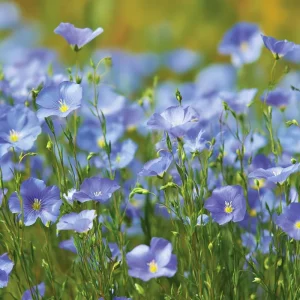
Introduce the serene beauty of nature to your garden with our premium blue flax wildflower seeds. Also known as Linum perenne seeds, these exquisite perennial seeds promise to transform your landscape with their delicate, sky-blue blooms and graceful, slender stems. Perfect for creating a tranquil meadow, enhancing garden borders, or naturalizing open spaces, these wildflower seeds offer an effortless way to add soft, airy elegance to any setting. Each packet contains approximately 350 seeds, providing ample opportunity to establish a thriving patch of these charming wildflowers. Beyond their aesthetic appeal, these seeds are a vital addition to any ecological garden, attracting a host of beneficial pollinators such as bees, butterflies, and other essential garden visitors. Growing blue flax is a rewarding experience for both novice and experienced gardeners, yielding a resilient and beautiful plant that contributes significantly to local biodiversity.
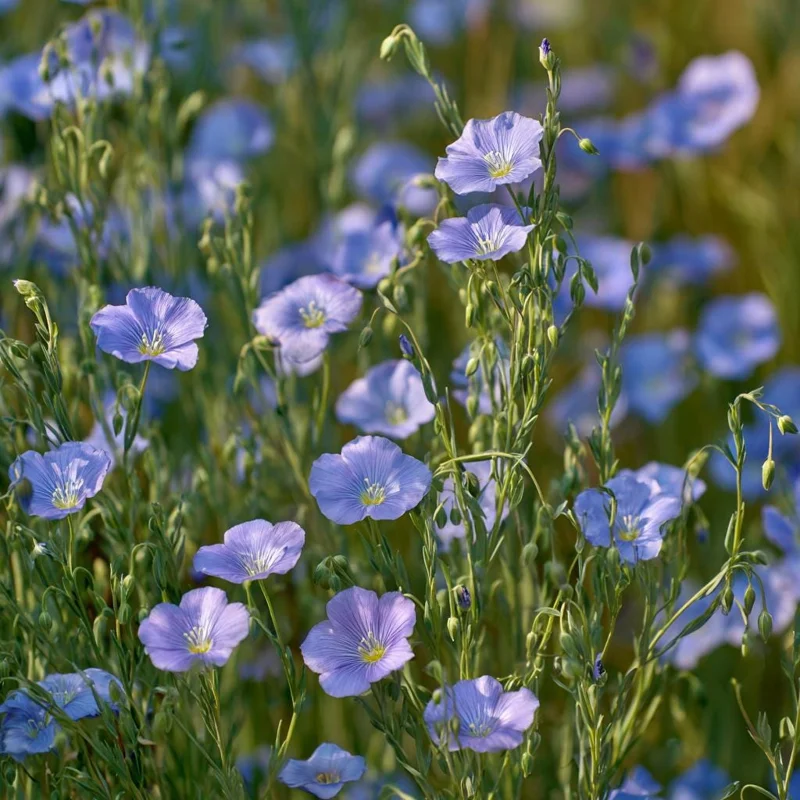
Blue flax wildflower seeds are celebrated for their adaptability and hardiness. Originating from temperate regions, Linum perenne is well-suited to various climates and soil conditions, making it a versatile choice for many gardeners across the United States. The plant typically reaches a height of 1 to 2 feet, forming a lovely, airy structure that sways gently in the breeze. Its ephemeral flowers open in the morning and often drop by evening, but new blooms continuously appear, ensuring a prolonged display throughout the growing season. This continuous blooming habit makes it a dynamic and ever-changing feature in your garden. For those looking to create a habitat that supports local wildlife, these pollinator friendly seeds are an excellent investment, providing a consistent food source and attracting a vibrant array of insects to your outdoor space.
Key Benefits
Our blue flax wildflower seeds offer a multitude of advantages for your garden and the environment. Growing these seeds means cultivating a plant that is not only beautiful but also ecologically beneficial and remarkably easy to care for.
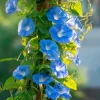
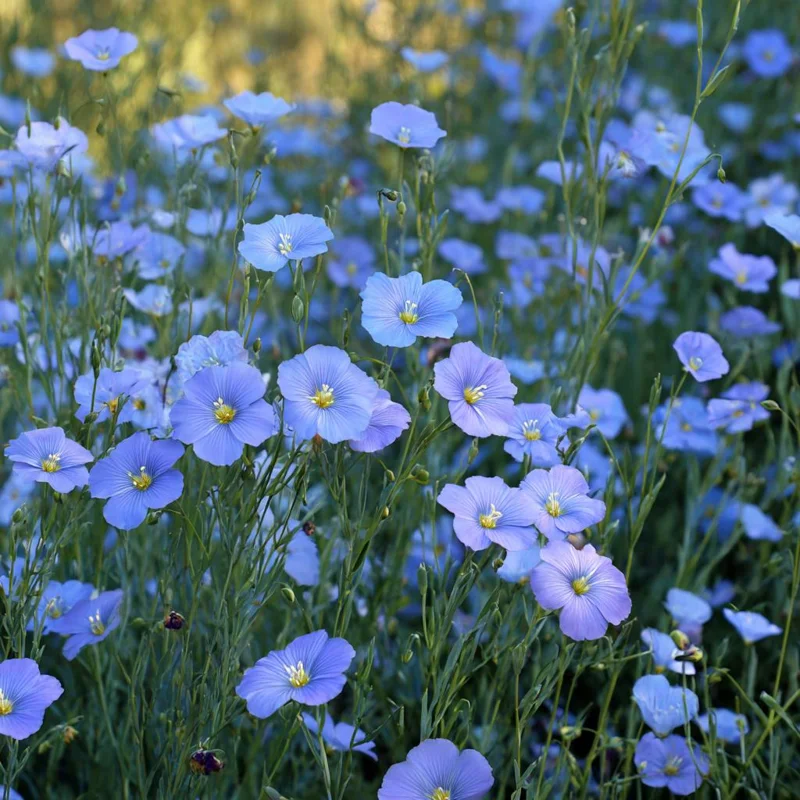
- Stunning Aesthetic Appeal: The delicate, sky-blue flowers of Linum perenne create a breathtaking visual display, adding a touch of natural elegance and serenity to any garden, meadow, or border. Their airy texture makes them perfect for softening landscapes. These Linum perenne seeds provide a vibrant splash of color.
- Attracts Pollinators: These are truly pollinator friendly seeds, drawing in bees, butterflies, and other beneficial insects. By planting blue flax wildflower seeds, you contribute to local biodiversity and support healthy ecosystems.
- Drought-Tolerant: Once established, Blue Flax is highly drought-tolerant, requiring minimal watering. This makes it an ideal choice for xeriscaping or gardens in regions with water restrictions, reducing your overall water consumption. Enjoy these beautiful drought tolerant wildflowers with less effort.
- Low-Maintenance: Linum perenne is incredibly easy to care for, thriving with little intervention. It requires minimal fertilization and generally resists pests and diseases, making it perfect for busy gardeners or those new to gardening.
- Continuous Blooming: Though individual flowers are short-lived, the plant produces a continuous succession of new blooms from late spring through summer, ensuring a prolonged period of vibrant color in your garden.
- Versatile Landscaping: Whether you’re designing a formal border, a wild meadow, or a rock garden, these Linum perenne seeds adapt beautifully. They are excellent for naturalizing large areas or adding fine texture to mixed plantings.
- Erosion Control: The fibrous root system of Blue Flax can help stabilize soil, making it useful in areas prone to erosion, such as slopes or banks.
Plant Care & Growing Tips
Successful cultivation of blue flax wildflower seeds begins with proper sowing and continues with straightforward care. These seeds are best sown directly into the garden in early spring after the last frost, or in the fall in regions with mild winters. Choose a site that receives full sun, meaning at least 6-8 hours of direct sunlight per day. While Blue Flax is adaptable, it performs best in well-draining soil. Avoid heavy clay soils that retain too much moisture, as this can lead to root rot. If your soil is heavy, amend it with organic matter like compost or sand to improve drainage.
When sowing your Linum perenne seeds, lightly press them into the soil surface. Do not cover them deeply, as light is often required for germination. Keep the soil consistently moist but not waterlogged until seedlings emerge, which typically occurs within 14 to 28 days. Once seedlings are established, thin them to a spacing of about 6-12 inches apart to ensure adequate air circulation and growth. Established plants are quite drought-tolerant, so water moderately, allowing the top inch or two of soil to dry out between waterings. Overwatering is a common mistake and should be avoided. These plants are relatively low-maintenance, requiring little in terms of fertilization. A light application of a balanced, slow-release fertilizer in early spring can be beneficial, but it’s often not necessary in fertile soils. Deadhead spent flowers to encourage further blooming throughout the season, though it’s not strictly required for the plant’s health. You’ll find that to grow blue flax is a simple and rewarding endeavor.
Blue flax wildflower seeds are hardy and generally disease and pest resistant. However, ensure good air circulation to prevent fungal issues in humid conditions. In colder climates, the plant may die back in winter but will typically return from the roots in spring. It’s suitable for USDA hardiness zones 3-9. These drought tolerant wildflowers are a great choice for sustainable gardening practices, as they require minimal resources once established. For the best results and a continuous display of delicate blue, consider sowing additional seeds in succession or allowing some plants to self-seed, enhancing your garden with more pollinator friendly seeds.
Size & Details
Each packet contains approximately 350 blue flax wildflower seeds, scientifically known as Linum perenne. These seeds will grow into perennial plants that typically reach a height of 1 to 2 feet (30-60 cm) with a similar spread, creating an airy, delicate appearance in the garden. The flowers are a vibrant sky-blue, approximately 1 inch (2.5 cm) in diameter, and bloom continuously from late spring through summer. The plant forms clumps of slender stems and fine, needle-like foliage. Our Linum perenne seeds are packaged to ensure viability and are ready for planting upon arrival. Expect germination to occur within 14-28 days under optimal conditions, with flowering typically beginning in the first year from a spring sowing. These seeds are perfect for naturalizing, mass plantings, or adding a fine texture to mixed borders, making growing blue flax a fulfilling experience.
Frequently Asked Questions
- Q: How big does this plant get? A: Blue Flax (Linum perenne) typically grows to a height of 1 to 2 feet (30-60 cm) with a similar spread, forming an airy, delicate clump. The slender stems create a graceful presence in the garden.
- Q: Is this an indoor or outdoor plant? A: Blue flax wildflower seeds are intended for outdoor cultivation. They thrive in full sun conditions in garden beds, meadows, and borders, and are not typically grown as houseplants.
- Q: How much sunlight does it need? A: Blue Flax requires full sun, meaning at least 6-8 hours of direct sunlight per day, to produce the best blooms and maintain healthy growth. Less light may result in leggy plants and fewer flowers.
- Q: Is this plant easy to care for? A: Yes, Blue Flax is considered a low-maintenance plant. Once established from Linum perenne seeds, it is drought-tolerant and generally requires minimal care, making it an excellent choice for beginners and busy gardeners who enjoy growing blue flax.
- Q: What condition will the seeds arrive in? A: Your blue flax wildflower seeds will arrive as a packet of viable seeds, ready for planting according to the provided instructions. They are carefully packaged to ensure freshness and successful germination.
- Q: How long until it blooms? A: When sown in spring, Blue Flax can often begin blooming in its first year, typically from late spring through summer. Established plants will bloom reliably each year.
- Q: When is the best time to plant blue flax wildflower seeds? A: The best time to plant blue flax wildflower seeds is in early spring after the last frost, or in the fall in areas with mild winters. Fall planting allows for natural stratification over winter.
- Q: Will it survive winter in my zone? A: Blue Flax is a perennial hardy in USDA Zones 3-9. It will typically survive winter in these zones, dying back to the ground and regrowing from the roots in spring.
- Q: Are these truly pollinator-friendly seeds? A: Absolutely! Blue Flax is renowned for attracting a variety of pollinators, including bees and butterflies, making it an excellent choice for supporting local ecosystems and creating a vibrant, living garden. These are truly pollinator friendly seeds.
- Q: Are these drought-tolerant wildflowers? A: Yes, once established, Blue Flax is highly drought-tolerant, making it a sustainable choice for gardens in drier climates or for those looking to conserve water. This makes them ideal drought tolerant wildflowers.


Reviews
There are no reviews yet.