Overview
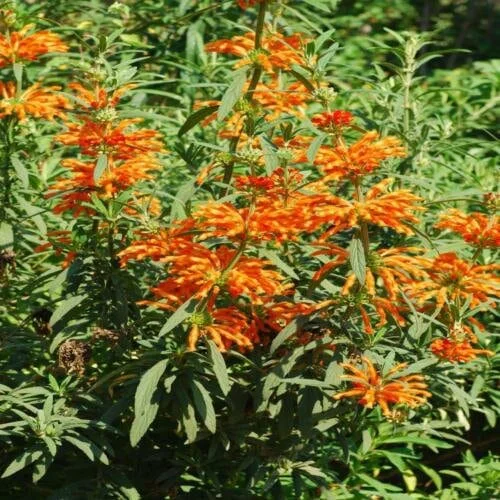
Introducing the magnificent lion’s ear live plant, scientifically known as Leonotis leonurus. This captivating perennial is a must-have for any garden enthusiast looking to add dramatic flair and vibrant color. Often called Lion’s Tail due to its fuzzy, orange flowers that resemble a lion’s ear or tail, this plant creates a stunning visual impact. Our offering is a well-rooted starter plant, approximately 6-8 inches tall, ready to establish itself in your outdoor space. The lion’s ear live plant is celebrated for its unique architectural form and ability to attract hummingbirds and butterflies, making your garden a lively sanctuary. It’s a robust and relatively low-maintenance plant, perfect for creating a focal point or adding texture to perennial borders.
The Leonotis leonurus is native to Southern Africa and has adapted beautifully to various climates, particularly thriving in warmer regions. Its distinctive whorls of bright orange, two-lipped flowers appear in late summer through fall, providing a spectacular display when many other plants are fading. This plant is not only beautiful but also resilient, making it an excellent choice for gardeners seeking both aesthetic appeal and ease of care. Explore the joy of growing lion’s ear in your own backyard.
Key Benefits
The lion’s ear live plant offers a multitude of benefits, enhancing your garden with its unique charm and ecological advantages. Its striking appearance and hardy nature make it a versatile addition to various landscape designs.
- Spectacular Blooms: Enjoy abundant, showy, two-lipped orange flowers that emerge in distinctive whorls, providing a prolonged season of vibrant color from late summer into fall. These unique blooms are a true garden highlight.
- Attracts Pollinators: The tubular flowers are a magnet for hummingbirds, butterflies, and bees, contributing to a healthy and biodiverse garden ecosystem. It’s an excellent choice for a pollinator garden.
- Low Maintenance: Once established, the lion’s ear perennial is remarkably drought-tolerant and requires minimal care, making it suitable for busy gardeners or those in water-wise landscapes.
- Architectural Form: Growing up to 4 feet tall, its upright, bushy habit provides a strong vertical element and structural interest to garden beds and borders. It stands out beautifully against other foliage.
- Deer Resistant: Generally, deer tend to avoid this plant, which is a significant advantage for gardens in areas prone to deer browsing.
- Versatile Landscaping: Ideal for xeriscaping, Mediterranean gardens, cottage gardens, or as a striking accent plant in mixed borders. Its adaptability allows for diverse planting options.
- Extended Bloom Season: Provides color and interest during a time when many other garden plants are past their prime, ensuring your garden remains attractive well into the cooler months.
Plant Care & Growing Tips
Caring for your lion’s ear live plant is straightforward, making it a rewarding addition for gardeners of all experience levels. This resilient perennial thrives with proper attention to its basic needs, ensuring a spectacular display of its vibrant orange flowers. Understanding the specific requirements for leonotis leonurus care will help your plant flourish.
For optimal growth, plant your lion’s ear live plant in a location that receives full sun to light shade. ‘Full sun’ means at least 6 hours of direct sunlight per day, which encourages the most prolific blooming. While it can tolerate some partial shade, too much shade may result in fewer flowers and a leggier growth habit. The plant prefers well-drained soil; avoid heavy, waterlogged conditions, as this can lead to root rot. If your soil is heavy clay, amend it with organic matter like compost or sand to improve drainage. Once established, this plant is quite drought-tolerant, but regular watering during prolonged dry spells will promote healthier growth and more abundant blooms. Allow the soil to dry out between waterings. Fertilization is generally not heavily required; a light application of a balanced, slow-release granular fertilizer in spring is usually sufficient.
The lion’s ear perennial is hardy in USDA Zones 8-10. In colder zones, it can be grown as an annual or brought indoors during winter. Pruning can be done in late winter or early spring to encourage bushier growth and more flowers. Cut back the previous year’s growth to about one-third of its height. Deadheading spent flowers during the blooming season can also encourage further flushes of blooms. Watch out for common pests like aphids, though serious issues are rare. Good air circulation and proper watering practices will help prevent most fungal diseases. By following these simple guidelines, you’ll be well on your way to successfully growing lion’s ear and enjoying its striking beauty for many seasons.
Size & Details
This offering is for one lion’s ear live plant, approximately 6-8 inches in height upon arrival. Each plant is well-rooted and developed in a 2 1/2 x 3 1/2 inch pot, providing a strong foundation for transplanting into your garden or a larger container. The lion’s ear perennial is known for its vigorous growth, typically reaching mature heights of up to 4 feet tall with a similar spread when planted in ideal conditions. Its growth rate is moderate to fast, allowing it to establish quickly and begin flowering in its first season under optimal care. The plant will produce showy, two-lipped orange flowers, approximately 2 inches long, arranged in distinctive whorls along the stems. Expect blooms from late summer through fall, adding significant visual interest to your landscape. This starter plant offers an excellent opportunity to introduce the unique beauty of Leonotis leonurus to your outdoor space.
Frequently Asked Questions
- Q: How big does this lion’s ear live plant get? A: This plant typically grows to an impressive height of about 4 feet tall and can spread to a similar width. The starter plant you receive will be approximately 6-8 inches tall, ready for growth.
- Q: Is this an indoor or outdoor plant? A: The lion’s ear live plant is primarily an outdoor perennial, thriving in full sun to light shade. In colder climates (below USDA Zone 8), it can be grown as an annual or overwintered indoors in a pot.
- Q: How much sunlight does it need? A: For the best blooming performance and overall health, the lion’s ear perennial requires at least 6 hours of direct sunlight daily. It can tolerate light shade, but flowering may be reduced.
- Q: Is this plant easy to care for? A: Yes, leonotis leonurus care is considered relatively easy. It’s a hardy and drought-tolerant plant once established, making it suitable for beginners and experienced gardeners alike.
- Q: What condition will it arrive in? A: Your lion’s ear live plant will arrive well-rooted in a 2 1/2 x 3 1/2 inch pot, carefully packaged to ensure its health and vitality during transit.
- Q: How long until it blooms? A: Under good growing conditions, your lion’s ear live plant may start producing its distinctive orange flowers in its first growing season, typically from late summer through fall.
- Q: What’s the best soil for growing lion’s ear? A: This plant prefers well-draining soil. If your soil is heavy, amending it with compost or sand will improve drainage and prevent waterlogging.
- Q: Will it survive winter in my zone? A: The lion’s ear perennial is hardy in USDA Zones 8-10. If you are in a colder zone, you will need to protect it from frost or grow it as an annual.
- Q: Is this an orange flower plant that attracts wildlife? A: Absolutely! The vibrant orange, two-lipped flowers of the lion’s ear live plant are a favorite of hummingbirds, butterflies, and bees, making it a great addition to a wildlife-friendly garden.
- Q: Do I need to prune my lion’s ear live plant? A: Pruning in late winter or early spring can help maintain a tidy shape and encourage more vigorous growth and abundant flowering. You can cut back about one-third of the previous year’s growth.


Reviews
There are no reviews yet.