Overview
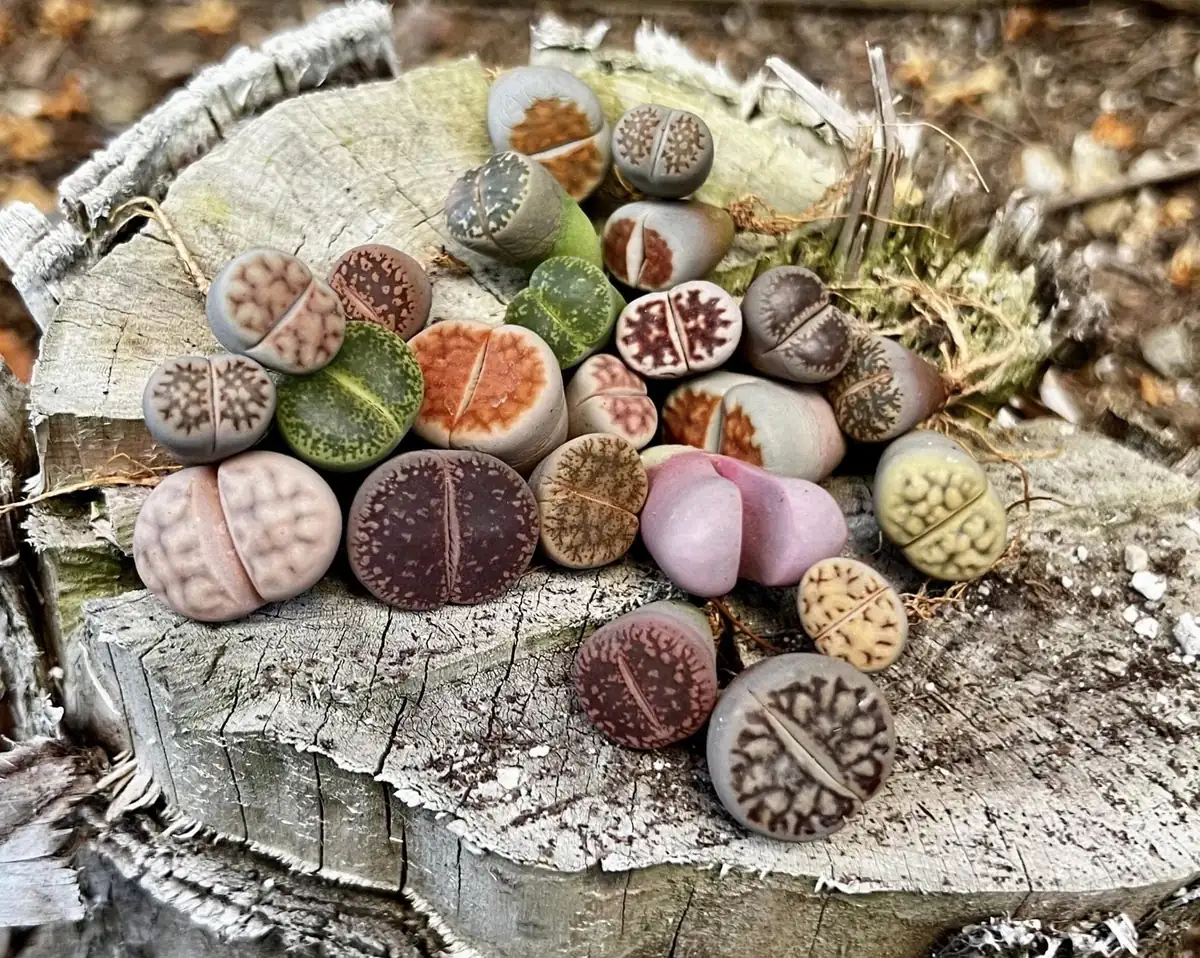
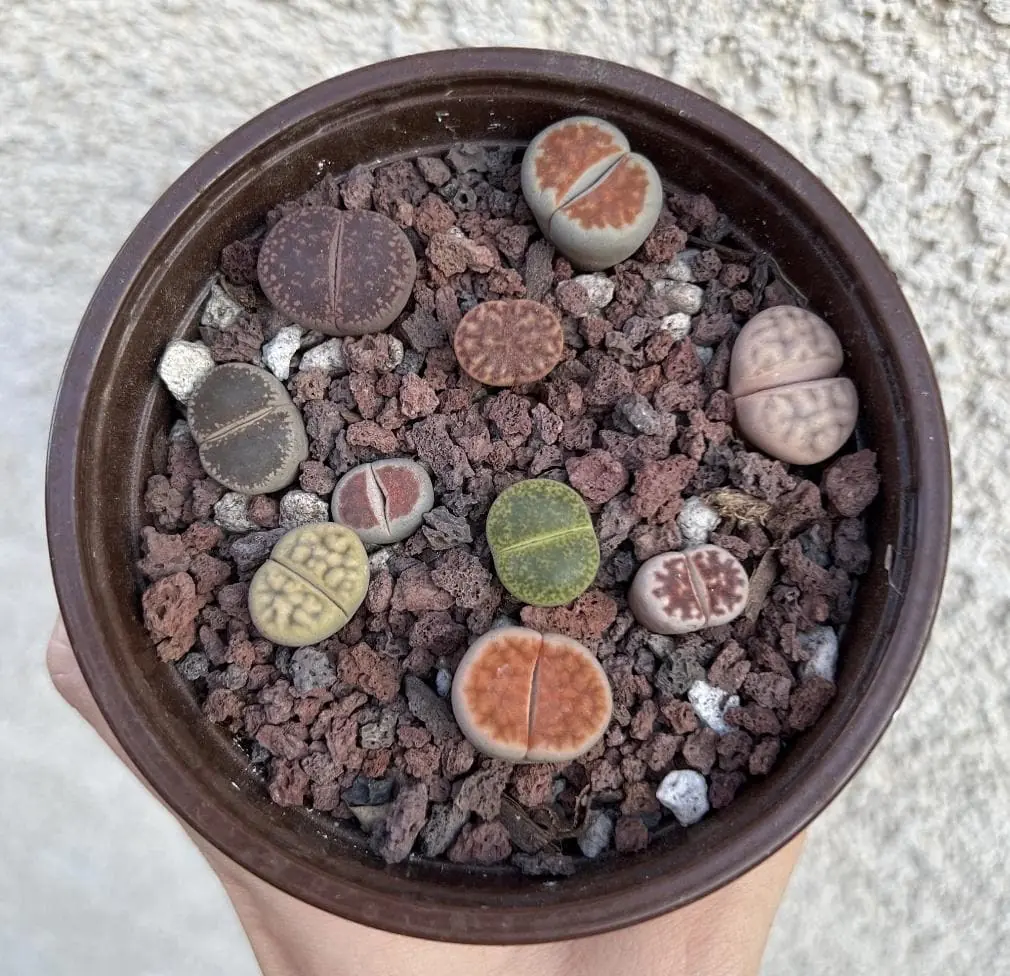
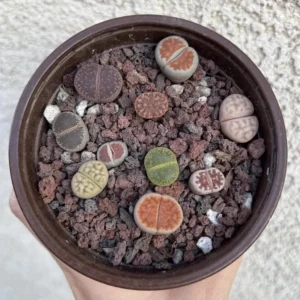
Introduce a truly unique botanical marvel to your home with lithops living stones. Often referred to as “living stones” due to their uncanny resemblance to pebbles or rocks, these fascinating succulents are native to the arid landscapes of southern Africa. Their remarkable camouflage is an evolutionary adaptation, allowing them to blend seamlessly into their natural surroundings and avoid predation. Each Lithops plant typically consists of a single pair of thick, fused leaves with a distinctive slit in the center. From this central fissure, new leaves emerge, gradually replacing the old pair once a year. These specialized leaves act as natural water reservoirs, enabling the plant to endure long periods of drought. Their slow growth rate and extraordinary appearance make them a captivating conversation starter and a prized possession for any succulent enthusiast or collector of unique indoor plants.
Cultivating lithops living stones offers a rewarding experience, providing a glimpse into the wonders of desert flora. They are a testament to nature’s ingenuity, evolving to thrive in harsh conditions. Despite their exotic origins, with the right care, these plants can flourish in a home environment, bringing a piece of the African landscape directly to your windowsill or desk. Their subtle beauty and intriguing form make them an excellent choice for minimalist decor or as a distinctive addition to a diverse succulent collection.
Key Benefits
Owning a lithops living stones plant comes with a host of advantages, making it a highly desirable choice for both novice and experienced plant parents. Their unique characteristics provide both aesthetic appeal and practical benefits:
- Exceptional Aesthetic Appeal: These succulents are unlike any other plant, with their stone-like appearance and often intricate patterns. They add an immediate focal point and a touch of natural artistry to any indoor space, making them perfect for modern or minimalist decor schemes.
- Low Maintenance & Drought-Tolerant: Lithops are renowned for their minimal care requirements. They thrive on neglect, making them ideal for individuals with busy schedules or those new to plant care. Their ability to store water means infrequent watering is key.
- Conversation Starter: Their striking resemblance to colorful pebbles consistently sparks curiosity and conversation. Visitors will be fascinated by these ‘living stones’ and their unique adaptation.
- Compact Size: Lithops remain small, making them perfect for windowsills, desks, terrariums, or small apartment living where space is at a premium. They don’t require large pots or extensive growing areas.
- Unique Flowering Display: When grown successfully, these plants produce surprisingly delicate, daisy-like flowers in shades of white or yellow, emerging from the central slit. This unexpected bloom adds another layer of beauty to their already captivating form.
- Educational Value: Growing colorful succulents like Lithops offers an opportunity to learn about plant adaptations, desert ecosystems, and the fascinating world of botany. They are a living lesson in survival and evolution.
- Air Purification: Like many houseplants, Lithops contribute to a healthier indoor environment by absorbing carbon dioxide and releasing oxygen, albeit on a small scale due to their size.
Plant Care & Growing Tips
Caring for lithops living stones is straightforward once you understand their specific needs, which are tailored to their arid native environment. The most critical aspect of lithops plant care is preventing overwatering, as this is the most common cause of failure. These plants prefer extremely bright light, ideally direct morning sun or very bright indirect light for at least 4-6 hours a day. South-facing windows are often ideal. Insufficient light can lead to etiolation, where the plant stretches and loses its compact, stone-like shape.
When it comes to watering, less is definitely more. Lithops store water in their leaves, and their watering cycle is closely tied to their growth phases. Generally, water only when the old leaves have completely shriveled and the new leaves are fully formed. This usually means watering only a few times a year. During their dormant periods, typically in summer and winter, avoid watering altogether. The soil must be extremely well-draining; a mix specifically formulated for succulents and cacti, often containing a high percentage of grit, perlite, or pumice, is essential. Good airflow around the plant is also beneficial.
Lithops thrive in warm temperatures, ideally between 65-80°F (18-27°C) during their active growing season. They can tolerate cooler temperatures down to about 50°F (10°C) during dormancy but should be protected from frost. Fertilization is rarely needed for these slow growers; if you do fertilize, use a highly diluted, low-nitrogen succulent fertilizer once a year during their active growth phase. Repotting is only necessary when the plant outgrows its container, typically every few years, ensuring you use fresh, well-draining soil. Pay attention to the plant’s natural growth cycle, and you’ll find these ‘living stones’ to be hardy and long-lived additions to your collection of easy care succulents.
Size & Details
Our lithops living stones are shipped as healthy, established live plants, ready to be introduced to their new home. Each plant typically consists of one to two pairs of fused leaves, resembling small, colorful pebbles. While exact dimensions can vary slightly, a mature Lithops generally measures between 0.5 to 1.5 inches (1.2 to 3.8 cm) in diameter and height, maintaining its compact, ground-hugging form. They are incredibly slow-growing, often taking several years to reach their full size, which contributes to their low-maintenance appeal. The plant will be carefully packaged to ensure safe arrival, usually in a small nursery pot or as a bare root specimen, depending on the shipping conditions and plant health requirements. Expect these resilient succulents to settle quickly into their new environment, ready to display their unique charm and potential for beautiful, daisy-like blooms.
Frequently Asked Questions
- Q: How big does this plant get? A: Lithops living stones are very compact, typically growing to about 0.5 to 1.5 inches in diameter and height. They are perfect for small spaces and remain miniature even at maturity.
- Q: What size pot does it come in? A: The plant is usually shipped in a small nursery pot (e.g., 2-inch) or as a carefully packaged bare-root specimen to ensure its health during transit.
- Q: Is this an indoor or outdoor plant? A: While they can be grown outdoors in very specific, arid climates (like USDA zones 9-11), they are primarily cultivated as unique indoor plants in most regions due to their specific light and watering needs.
- Q: How much sunlight does it need? A: Lithops require very bright light, ideally several hours of direct morning sun or intense indirect light throughout the day. A south-facing window is often ideal for optimal growth.
- Q: Is this plant easy to care for? A: Yes, they are considered easy care succulents once you understand their unique watering requirements, which are very infrequent. Overwatering is the main challenge to avoid.
- Q: Is it good for beginners? A: With a little research into their specific watering schedule, Lithops can be a rewarding plant for beginners looking for something unusual and low-maintenance.
- Q: What condition will it arrive in? A: Your Lithops will arrive healthy and carefully packaged to withstand shipping. It may be in a small pot or bare-rooted, ready for immediate planting or repotting.
- Q: Is it shipped in soil? A: Depending on the season and specific plant, it may be shipped in a small amount of well-draining soil in a nursery pot, or as a bare-root plant with minimal substrate.
- Q: When is the best time to water Lithops? A: Water only when the old leaves have completely shriveled and the new leaves are fully formed. Avoid watering during their summer and winter dormant periods to prevent rot. This is crucial for successful lithops plant care.
- Q: Can these colorful succulents bloom? A: Yes, when properly cared for, Lithops can produce beautiful, daisy-like flowers in white or yellow that emerge from the central slit, typically in the fall.


Reviews
There are no reviews yet.