Overview
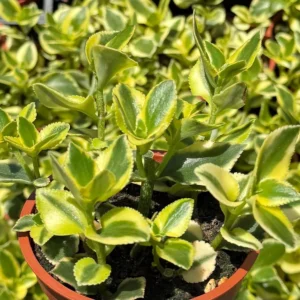
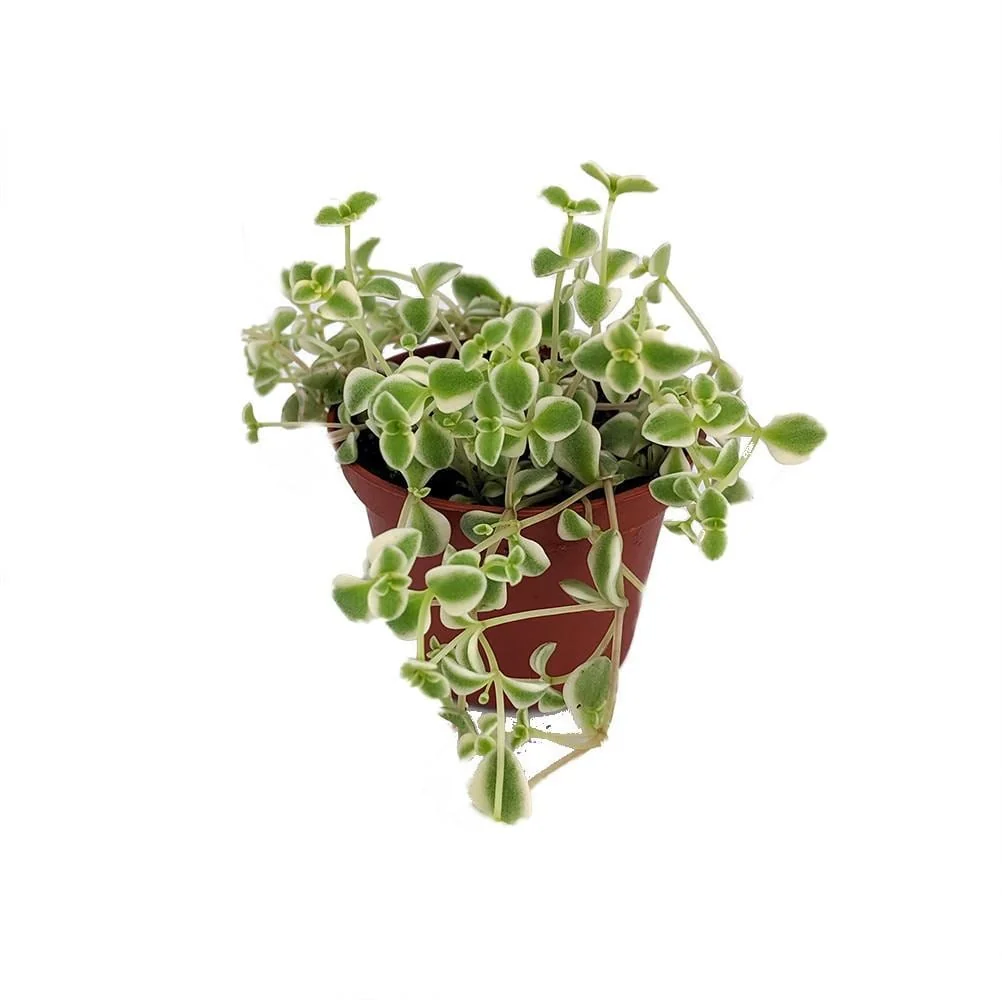
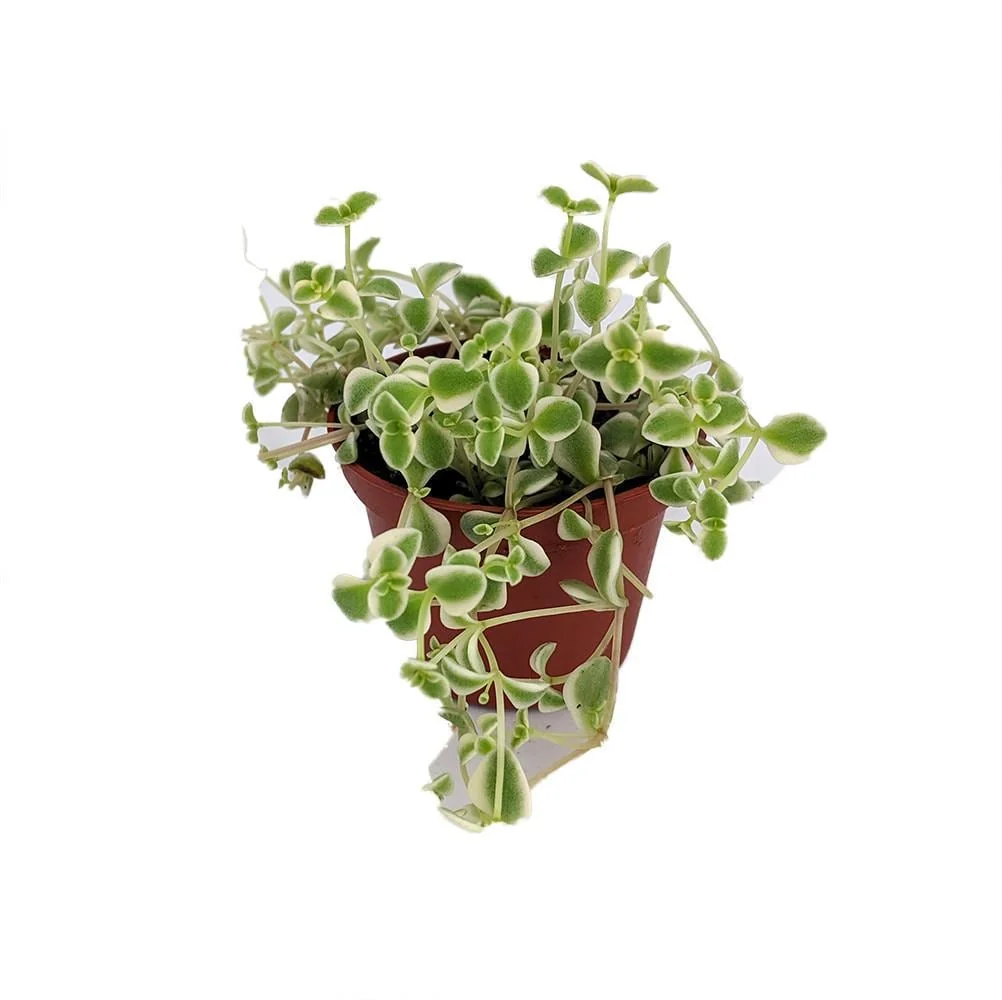
The little missy sedum succulent is a delightful and versatile live plant, highly sought after for its delicate beauty and adaptability. This particular variety of sedum, often admired for its charming variegated leaves, presents a unique aesthetic that can enhance any indoor or outdoor space. Unlike many of its sedum relatives, ‘Little Missy’ can tolerate slightly more shade, making it a flexible choice for various light conditions, though it is not as frost hardy as some other sedum types. It forms a lovely matting ground cover, typically reaching up to 2 inches tall, and during the summer months, it produces tiny, delicate pink blossoms that add an extra touch of charm. Whether you’re looking to fill a planter, create a vibrant ground cover, or add to your succulent collection, this hardy sedum plant is an excellent choice for both novice and experienced gardeners.
This live plant is shipped in a 2.5 inch pot, ready to be placed in its new home. Its compact size makes it ideal for windowsills, small containers, or as a vibrant addition to a rock garden. The variegated foliage provides year-round interest, ensuring your space remains lively and inviting. Cultivating a little missy sedum succulent is a rewarding experience, offering both visual appeal and a relatively easy care routine.
Key Benefits
The little missy sedum succulent offers a range of benefits that make it a standout choice for plant enthusiasts. Its unique characteristics contribute to its popularity and ease of integration into diverse garden designs or indoor settings.
- Charming Variegated Foliage: The delicate, variegated leaves provide continuous visual interest, adding texture and subtle color variations to your plant collection. This makes the little missy sedum succulent a captivating focal point.
- Versatile Growth Habit: Growing as a matting ground cover, it’s perfect for filling in spaces between pavers, cascading from hanging baskets, or as a low-growing accent in diverse landscapes. Its compact nature also makes it ideal for small pots.
- Drought-Tolerant: Like most succulents, ‘Little Missy’ is highly drought-tolerant once established, requiring minimal watering. This makes it a low-maintenance option for busy individuals or those in dryer climates.
- Adaptable Lighting: While most sedums prefer full sun, this variety can tolerate slightly more shade, offering greater flexibility in placement. This makes it a more forgiving plant for various light conditions, especially useful for finding the perfect spot.
- Tiny Pink Blooms: In summer, the plant is adorned with minuscule pink blossoms, adding a delicate pop of color and enhancing its overall appeal. These flowers attract pollinators and provide seasonal beauty.
- Excellent for Containers & Rock Gardens: Its small size and spreading nature make it an ideal candidate for container gardening, terrariums, or as an attractive addition to rock gardens where it can spread naturally.
- Easy to Propagate: Sedums are generally easy to propagate from cuttings, allowing you to expand your collection or share with friends and family effortlessly. This contributes to the plant’s long-term value and enjoyment.
Plant Care & Growing Tips
Caring for your little missy sedum succulent is relatively straightforward, making it an excellent choice for both beginners and experienced plant lovers. Understanding its specific needs will ensure healthy growth and vibrant foliage. When considering sedum plant care, remember that while adaptable, a few key conditions will help it thrive.
For sunlight, this variegated sedum can tolerate slightly more shade than other sedums but still prefers ample bright light. Outdoors, aim for at least 4-6 hours of direct sunlight, with some protection from intense afternoon sun in very hot climates. Indoors, place it near a bright window where it receives plenty of indirect light, and consider supplementing with a grow light if natural light is insufficient. Watering should be done sparingly; allow the soil to dry out completely between waterings. Overwatering is the most common cause of succulent demise. During the growing season (spring and summer), water thoroughly until water drains from the bottom of the pot, then wait until the soil is dry again. Reduce watering significantly in fall and winter.
The ideal soil for a sedum ground cover like ‘Little Missy’ is a well-draining succulent or cactus mix. Good drainage is crucial to prevent root rot. You can amend regular potting soil with perlite or pumice to improve drainage. This plant is hardy in USDA Zones 8-11, thriving in temperatures between 60-85°F (15-29°C). While it can tolerate slightly cooler temperatures, it is not frost hardy, so bring it indoors or provide protection if temperatures drop below freezing. Fertilize sparingly, if at all. A balanced, diluted liquid fertilizer can be applied once or twice during the growing season, but healthy growth can often be achieved without it. Watch out for common pests like mealybugs or aphids, and treat with insecticidal soap if necessary.
Size & Details
This little missy sedum succulent is supplied as a live plant in a 2.5 inch pot, making it an ideal size for immediate display or transplanting. When mature, it forms a dense, matting ground cover that typically reaches a height of up to 2 inches tall, with a spread that can gradually expand to several inches wide, creating a lush carpet of variegated foliage. Its growth rate is moderate, allowing it to establish itself well within a season. The plant arrives well-rooted and ready to continue its growth in your chosen environment.
The compact nature of this sedum makes it perfect for various applications, from small decorative pots and terrariums to filling gaps in rock gardens or as an edging plant. During the summer months, you can anticipate the emergence of its charming, minuscule pink blossoms, adding a seasonal touch of color. This hardy sedum plant is designed to provide lasting beauty with minimal fuss.
Frequently Asked Questions
- Q: How big does this little missy sedum succulent get? A: The ‘Little Missy’ Sedum typically grows as a low-lying ground cover, reaching a height of up to 2 inches tall. Its spread can be much wider, creating a dense mat of foliage over time.
- Q: Is this an indoor or outdoor plant? A: This little missy sedum succulent is versatile and can thrive both indoors and outdoors. Outdoors, it’s suitable for ground cover or rock gardens. Indoors, it makes a great container plant near a bright window.
- Q: How much sunlight does the variegated sedum need? A: While it tolerates slightly more shade than other sedums, the ‘Little Missy’ Sedum still prefers bright light. Aim for at least 4-6 hours of direct sunlight outdoors, or a very bright spot indoors.
- Q: Is this plant easy to care for? A: Yes, the hardy sedum plant is considered relatively easy to care for, making it suitable for beginners. Its drought tolerance and adaptable nature contribute to its low-maintenance appeal.
- Q: What condition will it arrive in? A: Your ‘Little Missy’ Sedum will arrive as a live plant, well-rooted in a 2.5 inch pot, carefully packaged to ensure its health and safety during transit.
- Q: When is the best time to plant sedum ground cover? A: The best time to plant this sedum ground cover is in spring or early summer, allowing it ample time to establish before cooler weather. For indoor plants, it can be potted year-round.
- Q: Will this sedum survive winter in my zone? A: The ‘Little Missy’ Sedum is hardy in USDA Zones 8-11. If you are in a colder zone, it’s best to bring the plant indoors or provide significant winter protection to prevent frost damage.
- Q: Does this sedum produce flowers? A: Yes, during the summer months, the little missy sedum succulent is dotted with tiny, delicate pink blossoms, adding to its charm and visual appeal.
- Q: What kind of soil is best for sedum plant care? A: A well-draining soil mix is crucial. Use a succulent or cactus potting mix, or amend regular potting soil with perlite or pumice to ensure excellent drainage.
- Q: How often should I water my variegated sedum? A: Water sparingly. Allow the soil to dry out completely between waterings. Overwatering is detrimental, so err on the side of underwatering, especially during cooler months.


Reviews
There are no reviews yet.