Overview
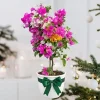
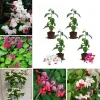
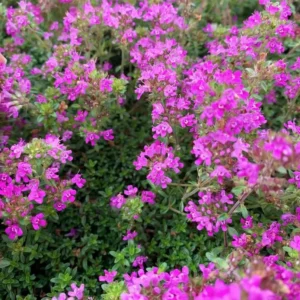
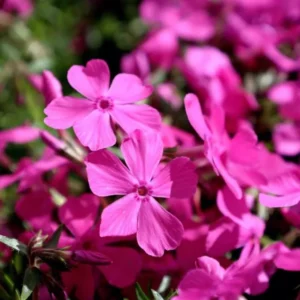
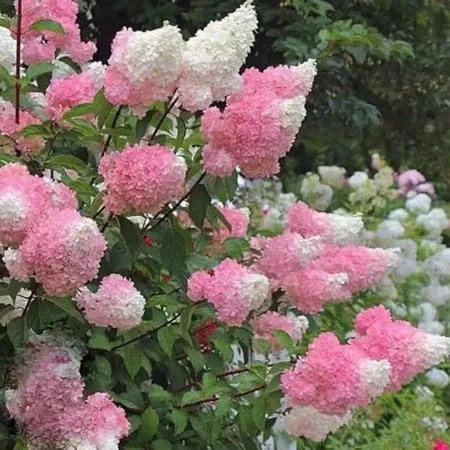
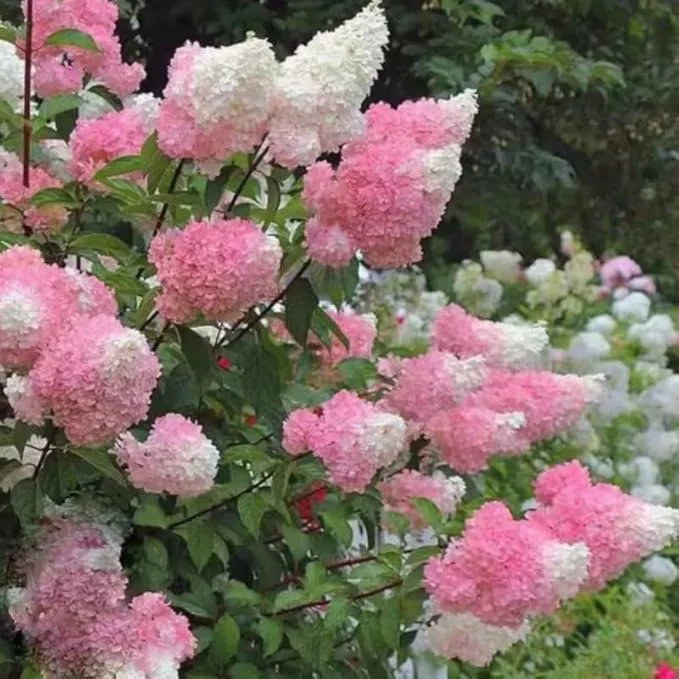
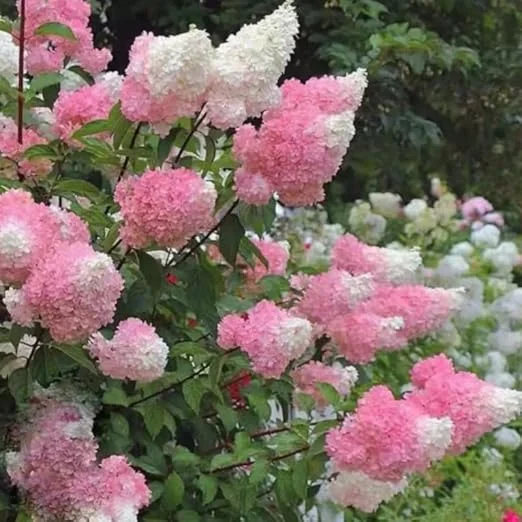
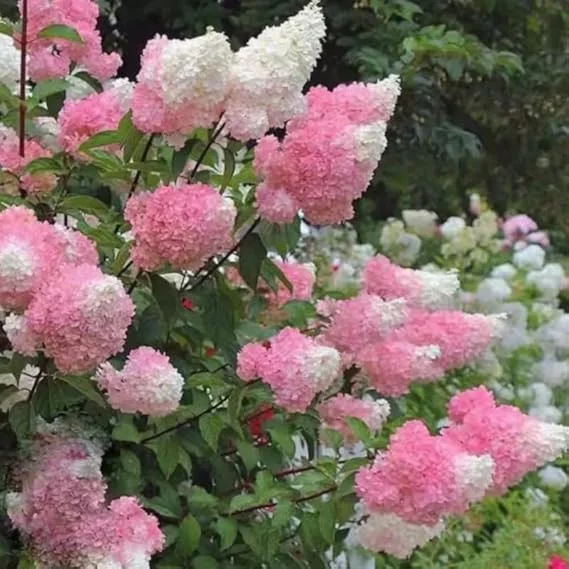
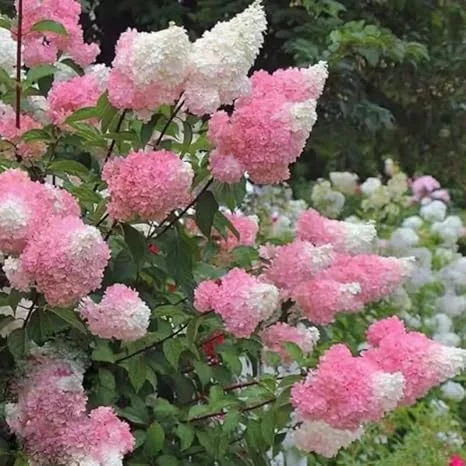
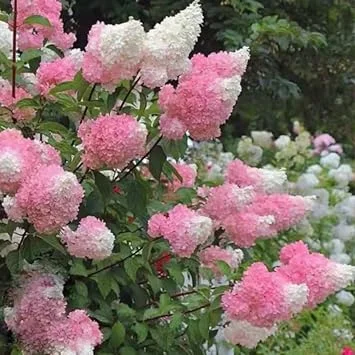
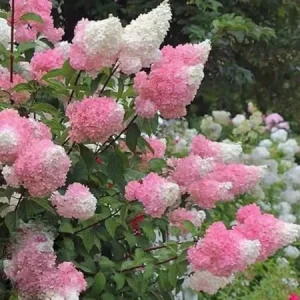
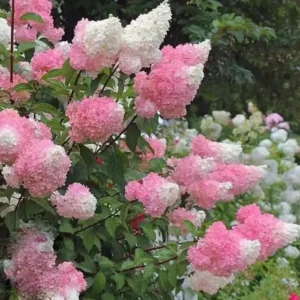
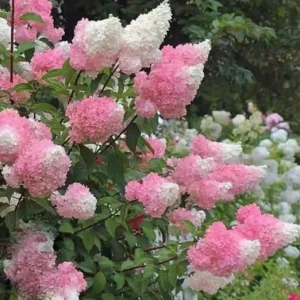
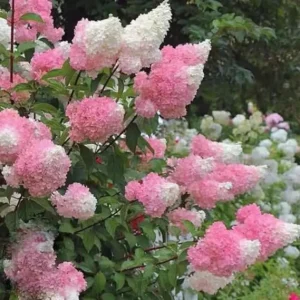
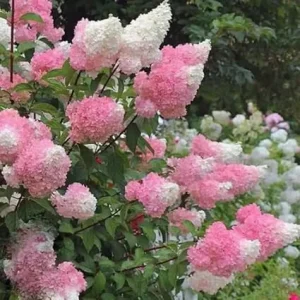
Introduce a touch of timeless elegance to your outdoor space with this exquisite live hydrangea plant. Known for their abundant and showy blossoms, hydrangeas are a beloved choice for gardeners seeking vibrant color and lush foliage. This particular variety showcases charming pink and white flowers, creating a delicate yet striking display in your landscape. Arriving as a well-rooted specimen, approximately 5 to 7 inches tall, it is perfectly prepared for immediate planting and establishment. Whether you’re a seasoned gardener or just starting, this live hydrangea plant offers a rewarding growing experience, transforming any area into a blooming sanctuary.
Hydrangeas are celebrated for their versatility and ability to thrive in various garden settings. This plant, while dormant in winter, will burst into life with spectacular blooms from late spring through summer, providing a continuous source of beauty. Its robust nature makes it an excellent choice for adding structure and visual interest to garden beds, borders, and even large containers. The captivating blend of pink and white hues ensures it will complement a wide range of garden aesthetics, from classic to contemporary.
Key Benefits
Adding a live hydrangea plant to your garden offers numerous advantages, enhancing both its aesthetic appeal and ecological value. This plant is not just a pretty face; it’s a resilient and rewarding addition that brings joy season after season.
- Stunning Floral Display: Enjoy a magnificent show of pink and white flowers that bloom profusely from late spring to summer, creating a focal point in any garden. The vibrant colors and full clusters make for an impressive visual impact.
- Versatile Garden Use: Ideal for a variety of landscaping applications, including garden borders, decorative containers, accent plantings, or as a striking landscape highlight. Its adaptable nature allows it to fit seamlessly into diverse garden designs.
- Well-Rooted & Ready to Plant: This live hydrangea plant arrives with a strong, established root system, ensuring a smoother transition and quicker growth once planted in your garden. This reduces planting stress and promotes vigorous development.
- Low Maintenance Beauty: Once established, hydrangeas are relatively easy to care for, requiring minimal attention beyond regular watering and occasional feeding. This makes them perfect for gardeners seeking high reward with less effort.
- Thrives in Diverse Climates: Known to thrive in USDA Zones 5-9, this hydrangea is suitable for a wide range of climates across the US, offering reliability and consistent performance in many regions.
- Seasonal Interest: Provides continuous interest throughout the growing season, from its emergence in spring, through its summer bloom, and into its dormant winter phase, adding dynamic beauty to your evolving garden.
- Attracts Pollinators: The abundant flowers can attract beneficial pollinators like bees and butterflies, contributing to a healthier and more vibrant garden ecosystem.
Plant Care & Growing Tips
Proper care is essential for ensuring your live hydrangea plant flourishes and produces its spectacular pink and white flowers. Hydrangeas are generally hardy, but understanding their specific needs will help them thrive for many years. When considering hydrangea care, focus on providing the right environment from the start.
For sunlight exposure, this hydrangea prefers partial sun. This means it benefits from 4-6 hours of direct sunlight, ideally in the morning, with protection from intense afternoon sun, especially in hotter climates. Too much direct, harsh sun can scorch the leaves and fade the flowers. Conversely, too much shade can reduce flowering. When it comes to watering, hydrangeas love consistent moisture. The soil should be well-drained but consistently moist, never waterlogged. Water deeply several times a week, especially during dry spells and in the first year after planting. Reduce watering in cooler months. A good way to check is to feel the top inch of soil; if it’s dry, it’s time to water. The plant thrives in well-drained, moist soil, ideally enriched with organic matter. A slightly acidic to neutral soil pH is generally preferred for optimal growth and bloom color intensity (though the color of some hydrangeas can change with soil pH, this specific variety is noted for its pink hydrangea and white hydrangea blooms).
This live hydrangea plant is hardy in USDA Zones 5-9, meaning it can withstand winter temperatures down to -20°F (-29°C) in Zone 5. During the dormant winter period, the plant will shed its leaves and appear bare, which is a natural and healthy part of its life cycle. Protect young plants in colder zones with a layer of mulch around the base. Fertilize in early spring with a balanced slow-release fertilizer formulated for flowering shrubs. Avoid over-fertilizing, which can promote foliage growth at the expense of flowers. Pruning is best done in late winter or early spring, removing any dead or weak stems to encourage new growth and abundant flowering. Keep an eye out for pests like aphids or spider mites, and treat with insecticidal soap if necessary. Proper hydrangea care ensures a stunning display each season.
Size & Details
This live hydrangea plant arrives as a robust, well-rooted specimen, typically measuring between 5 to 7 inches tall from the top of the soil. This size makes it an excellent choice for immediate planting in your garden beds, borders, or even larger decorative containers. The plant is shipped in a nursery pot, ensuring its root system remains protected and hydrated during transit, allowing for a smooth transition to its new home. Hydrangeas are known for their moderate growth rate, and with proper care, this plant will establish itself quickly and begin to fill out, becoming a significant feature in your garden within a few seasons.
Expect this hydrangea to develop into a full, bushy shrub, typically reaching mature heights of 3 to 6 feet and similar widths, depending on variety and growing conditions. It will begin to produce its characteristic pink and white flowers from late spring, continuing through the summer months, providing a long season of ornamental interest. The plant is naturally dormant in winter plant, shedding its leaves and conserving energy for the next spectacular spring bloom. This natural dormancy is crucial for its long-term health and vigor.
Frequently Asked Questions
- Q: How big does this plant get? A: This live hydrangea plant typically grows to a mature height of 3 to 6 feet and can spread similarly wide, creating a full and attractive shrub in your garden. Its ultimate size can vary based on growing conditions and pruning.
- Q: What size pot does it come in? A: The plant is shipped as a well-rooted specimen, approximately 5 to 7 inches tall, typically in a standard nursery pot suitable for its size, ensuring safe transport and easy planting upon arrival.
- Q: Is this an indoor or outdoor plant? A: This hydrangea is primarily an outdoor plant, designed to thrive in garden settings within USDA Zones 5-9. While it can be started indoors, its long-term success is best achieved when planted outdoors.
- Q: How much sunlight does it need? A: This hydrangea prefers partial sun, meaning it needs about 4-6 hours of direct sunlight per day, ideally in the morning, with protection from the intense afternoon sun. This helps ensure healthy growth and abundant flowering.
- Q: Is this plant easy to care for? A: Yes, hydrangeas are generally considered easy to care for once established. They require consistent moisture, especially in their first year, and benefit from annual fertilization and light pruning.
- Q: What condition will it arrive in? A: Your live hydrangea plant will arrive well-rooted and carefully packaged to minimize stress during transit. It may appear dormant or have some yellowing leaves depending on the season, but this is normal.
- Q: How long until it blooms? A: With proper care, you can expect this hydrangea to start producing its beautiful pink and white flowers from late spring through summer, typically within its first year or two after planting.
- Q: When is the best time to plant? A: The best time to plant this hydrangea is in spring or early fall, allowing it enough time to establish its root system before extreme summer heat or winter cold sets in.
- Q: Will it survive winter in my zone? A: This hydrangea is hardy in USDA Zones 5-9, meaning it is well-equipped to survive winter temperatures within this range. It will enter a natural dormant state during colder months, which is normal for a dormant in winter plant.
- Q: What type of soil is best for hydrangea care? A: Hydrangeas prefer well-drained, moist soil that is rich in organic matter. A slightly acidic to neutral pH is generally ideal for robust growth and flower development.


Reviews
There are no reviews yet.