Overview
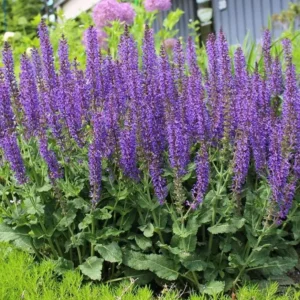
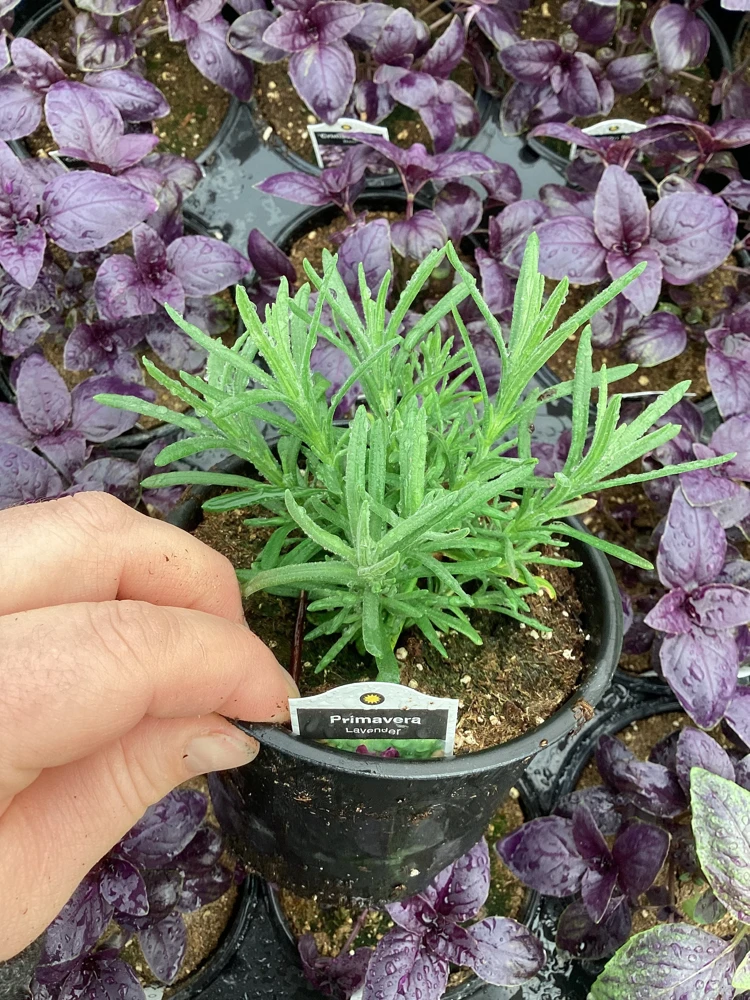
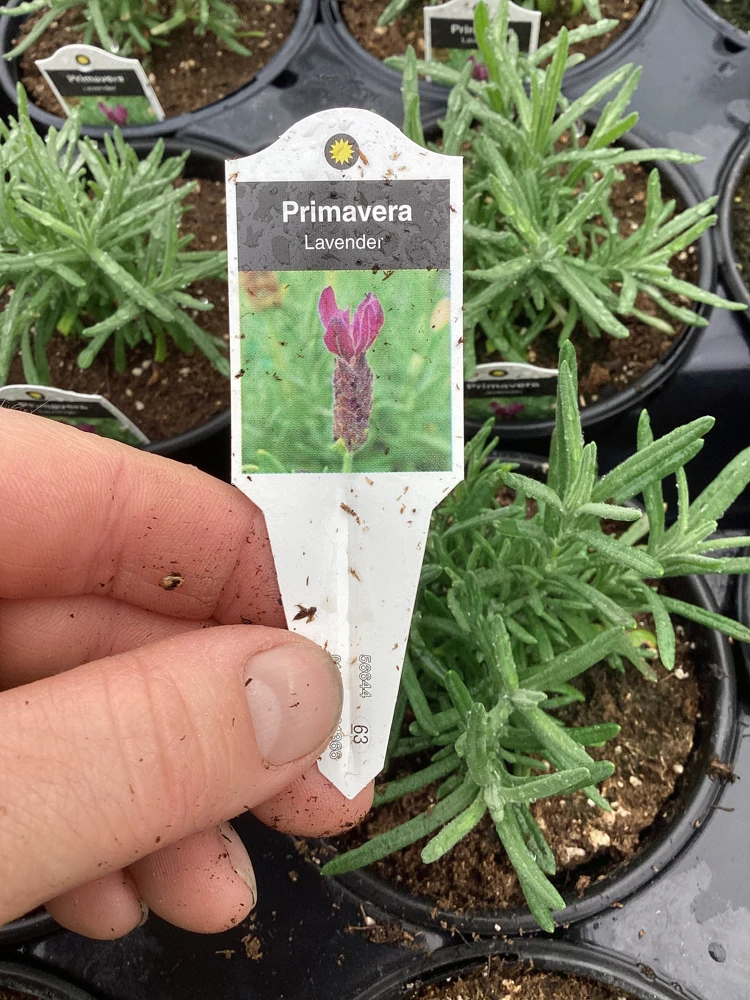
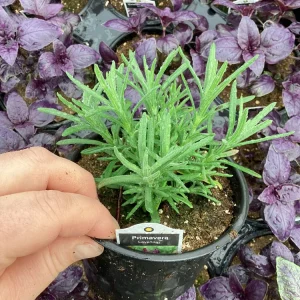
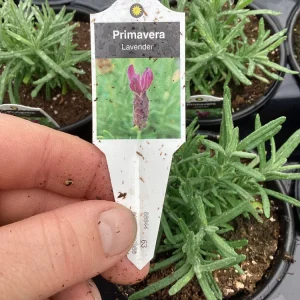
Discover the charm and enduring beauty of the lavender primavera live plant, a superb choice for gardeners seeking both visual appeal and a delightful fragrance. This particular variety, ‘Primavera’, is celebrated for its robust nature, extended blooming season, and exceptional heat tolerance, making it a reliable performer in many climates. Originating from the Mediterranean, lavender (Lavandula angustifolia) has been cherished for centuries for its aromatic properties and its calming presence in gardens. Our ‘Primavera’ lavender plant arrives as a healthy, established specimen, ready to bring its distinctive silvery-green foliage and vibrant purple flower spikes to your outdoor space. Whether you’re creating a fragrant pathway, a pollinator-friendly garden, or simply wish to enjoy the soothing scent on your patio, this live lavender plant is an excellent addition.
The lavender primavera live plant is more than just a pretty face; it’s a versatile herb known for its essential oils, culinary uses, and medicinal properties. This variety is particularly noted for its ability to bloom earlier and longer than many other lavenders, often from late spring through fall, providing continuous beauty and fragrance. Its compact yet bushy growth habit makes it suitable for various garden designs, from formal hedges to informal cottage gardens. Bees and butterflies are naturally attracted to its nectar-rich flowers, making it a wonderful choice for supporting local ecosystems. Embrace the tranquility and natural elegance that this beautiful lavender plant brings to any landscape.
Key Benefits
Adding a lavender primavera live plant to your garden offers a multitude of benefits, from enhancing sensory experiences to providing practical uses. This resilient plant is a joy to grow and a treasure to behold, contributing positively to both your outdoor environment and your well-being.
- Extended Blooming Season: The ‘Primavera’ variety is renowned for its long flowering period, often blooming from late spring into fall. This means you get to enjoy its beautiful purple spikes and intoxicating fragrance for many months, providing continuous visual interest in your garden.
- Delightful Fragrance: Lavender is famous for its soothing and calming aroma. The flowers and foliage of this lavender primavera live plant release a pleasant scent, especially when brushed against or under the warmth of the sun, creating a relaxing atmosphere in any outdoor area.
- Attracts Pollinators: The nectar-rich flowers are a magnet for beneficial insects like bees, butterflies, and other pollinators. By planting ‘Primavera’ lavender, you contribute to local biodiversity and help support the health of your garden ecosystem.
- Drought Tolerant & Low Maintenance: Once established, this lavender plant is highly drought-tolerant, requiring minimal watering. It thrives on neglect, making it an ideal choice for busy gardeners or those in drier climates. Its robust nature means less fuss and more enjoyment.
- Versatile Garden Use: Perfect for a variety of landscaping applications, including borders, rock gardens, mass plantings, herb gardens, or as a striking container plant. Its upright growth habit and silvery-green foliage add texture and color to any design.
- Culinary & Aromatic Uses: The flowers and leaves of lavender can be used in culinary dishes, teas, or for crafting sachets, potpourri, and essential oils. Enjoy fresh lavender in your kitchen or harness its calming scent for homemade aromatherapy products.
- Deer and Rabbit Resistant: The strong aromatic oils that make lavender so appealing to humans and pollinators tend to deter deer and rabbits, offering a natural pest-resistant solution for your garden beds.
Plant Care & Growing Tips
Proper care ensures your lavender primavera live plant thrives and provides abundant blooms. Lavender is generally easy to care for, especially when its basic needs are met. The key to success lies in providing the right environment and avoiding overwatering.
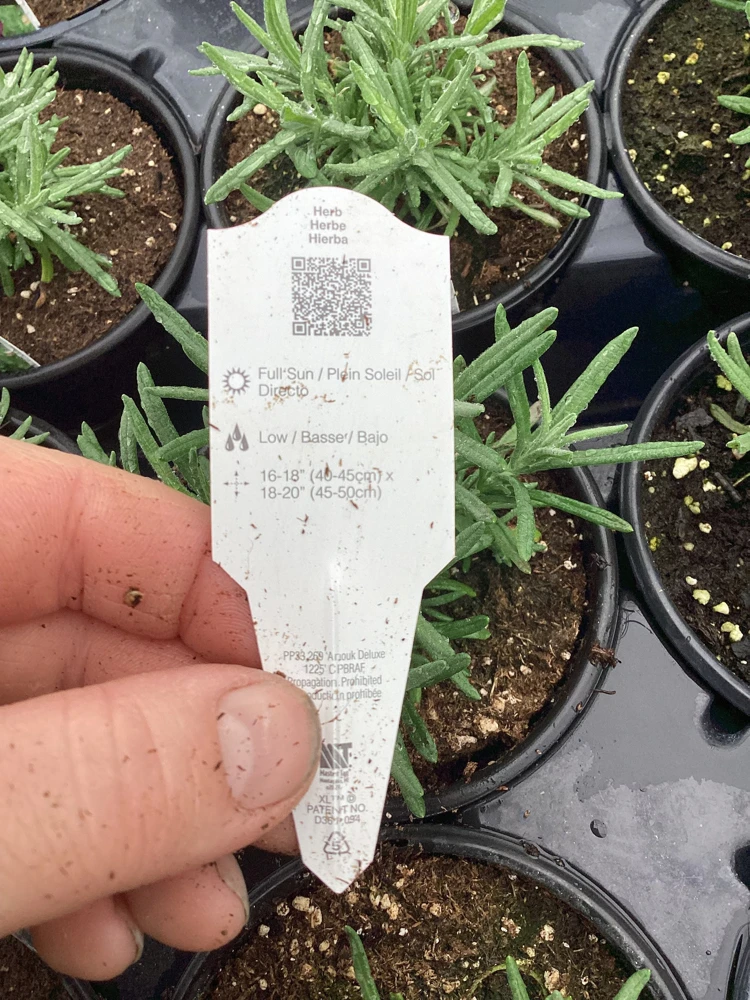
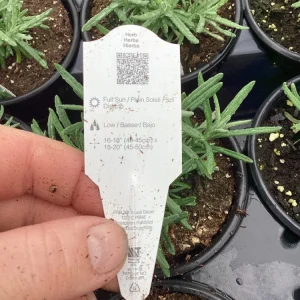
Sunlight Requirements: ‘Primavera’ lavender absolutely loves the sun. It requires at least 6-8 hours of direct sunlight per day to produce the best blooms and maintain a compact, healthy shape. Plant it in the sunniest spot in your garden, ideally facing south or west, where it can soak up the rays all day long. In shadier conditions, it may become leggy and produce fewer flowers. This plant is best suited for outdoor environments where it can receive ample light.
Watering Schedule and Soil Moisture Preferences: Lavender prefers well-draining soil and is highly susceptible to root rot if kept too wet. Water thoroughly after planting, and then allow the soil to dry out completely between waterings. Once established (typically after the first growing season), it is very drought-tolerant and will only need occasional watering during prolonged dry spells. Overwatering is the most common cause of lavender failure, so err on the side of underwatering rather than overwatering. Ensure the soil is never soggy.
Soil Type and Drainage Requirements: The ideal soil for lavender primavera live plant is lean, well-draining, and slightly alkaline (pH 6.5-7.5). Sandy or gravelly soil is perfect. If you have heavy clay soil, amend it generously with sand, gravel, or organic matter to improve drainage. Planting on a slight mound can also help prevent water from pooling around the roots. Good drainage is critical for the health and longevity of your lavender.
Temperature Range and USDA Hardiness Zone: ‘Primavera’ lavender is quite resilient and hardy. It typically thrives in USDA Hardiness Zones 5-9. It can tolerate both heat and moderate cold, but needs protection in very harsh winters in colder zones. In hot, humid climates, ensure good air circulation to prevent fungal issues. This variety is known for its heat tolerance, making it a great choice for warmer regions.
Fertilization Schedule and Type: Lavender generally prefers poor to moderately fertile soil and does not require heavy fertilization. In fact, too much fertilizer can lead to lush foliage but fewer flowers. If your soil is very poor, a light application of a balanced, slow-release granular fertilizer in early spring can be beneficial. Avoid high-nitrogen fertilizers, which promote leafy growth over blooms. A little compost incorporated into the soil at planting is usually sufficient.
Common Problems and Solutions: The most common issues with lavender are related to overwatering and poor drainage, leading to root rot. Ensure proper soil conditions and watering practices. Fungal diseases like powdery mildew can occur in humid conditions with poor air circulation; prune for better airflow and avoid overhead watering. Pests are generally not a major problem due to lavender’s strong scent, but occasionally spittlebugs or aphids may appear; a strong jet of water or insecticidal soap can manage these.
Size & Details
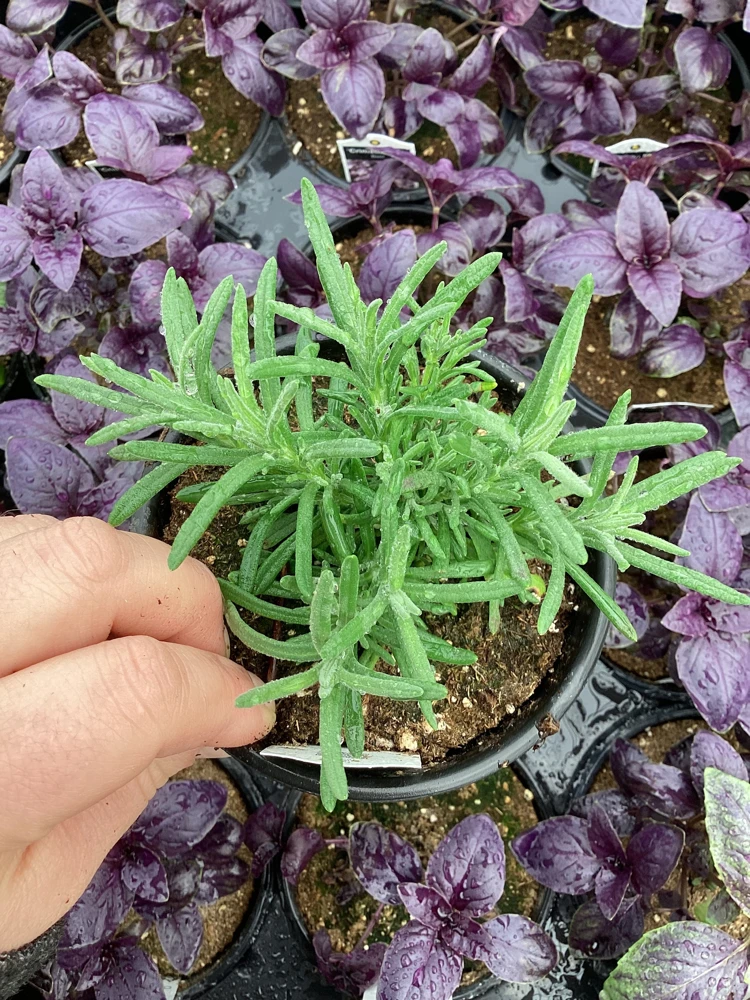
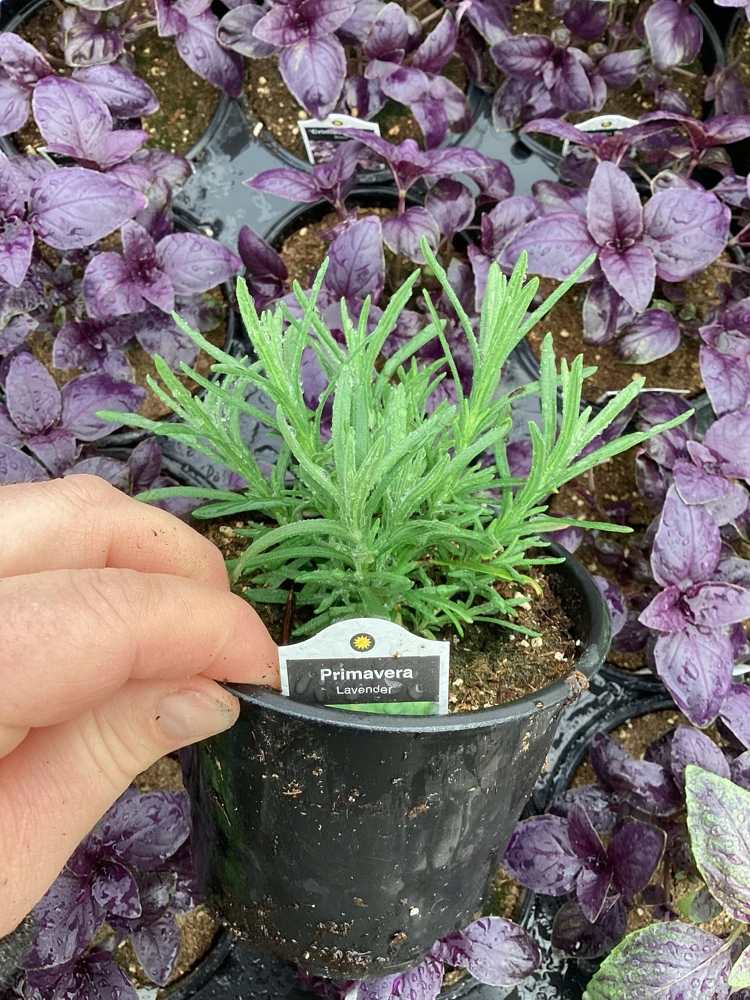
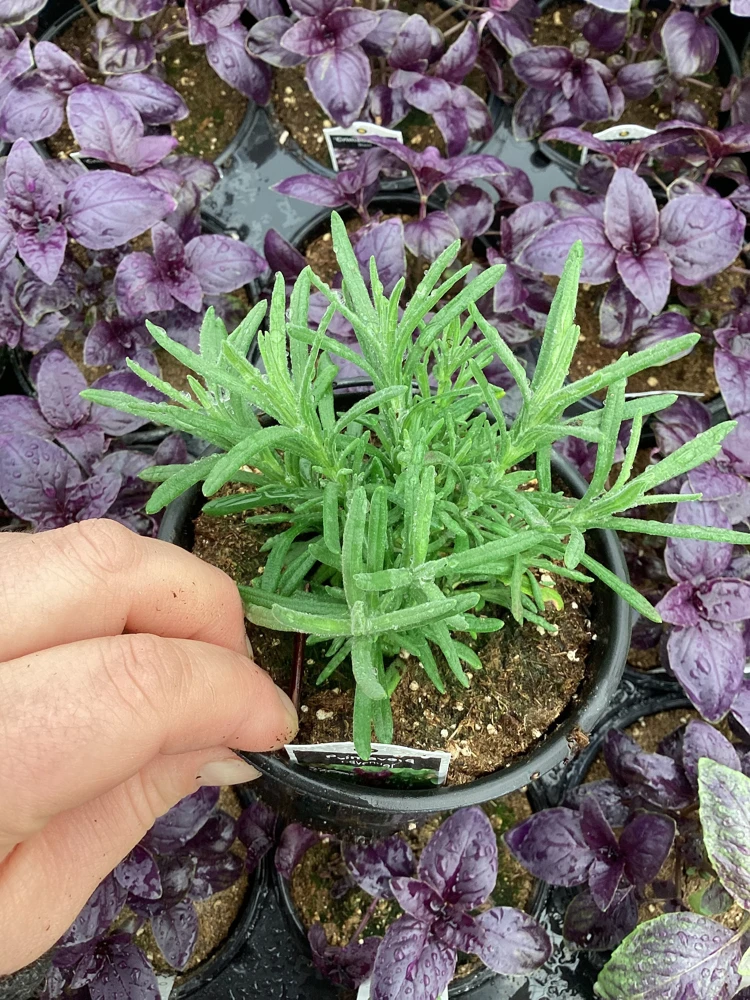
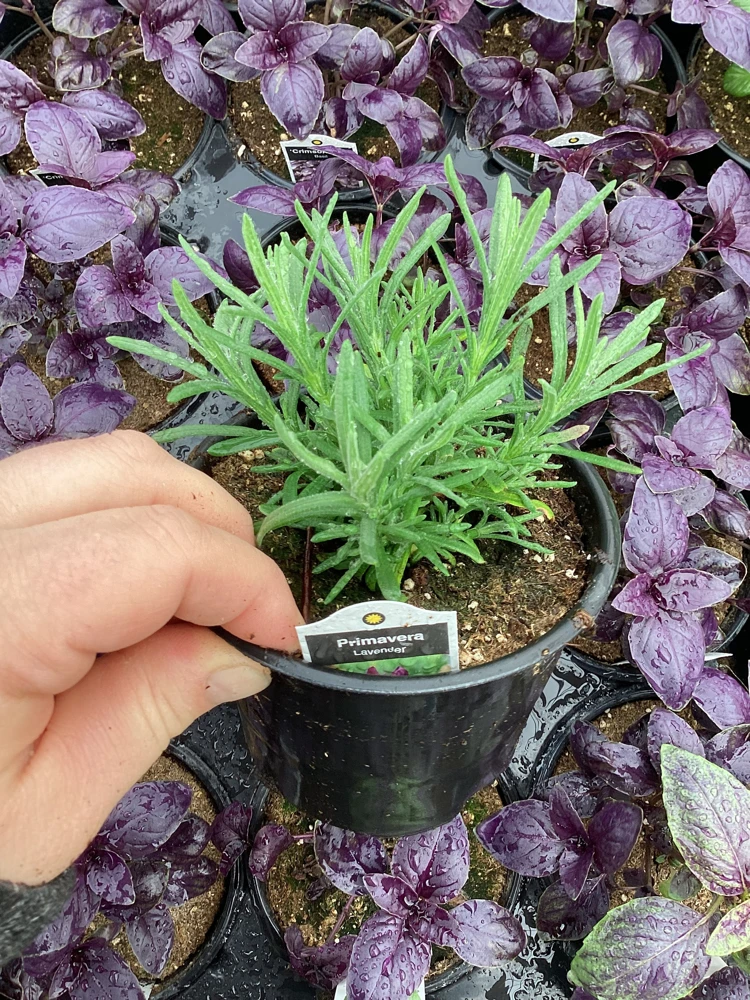
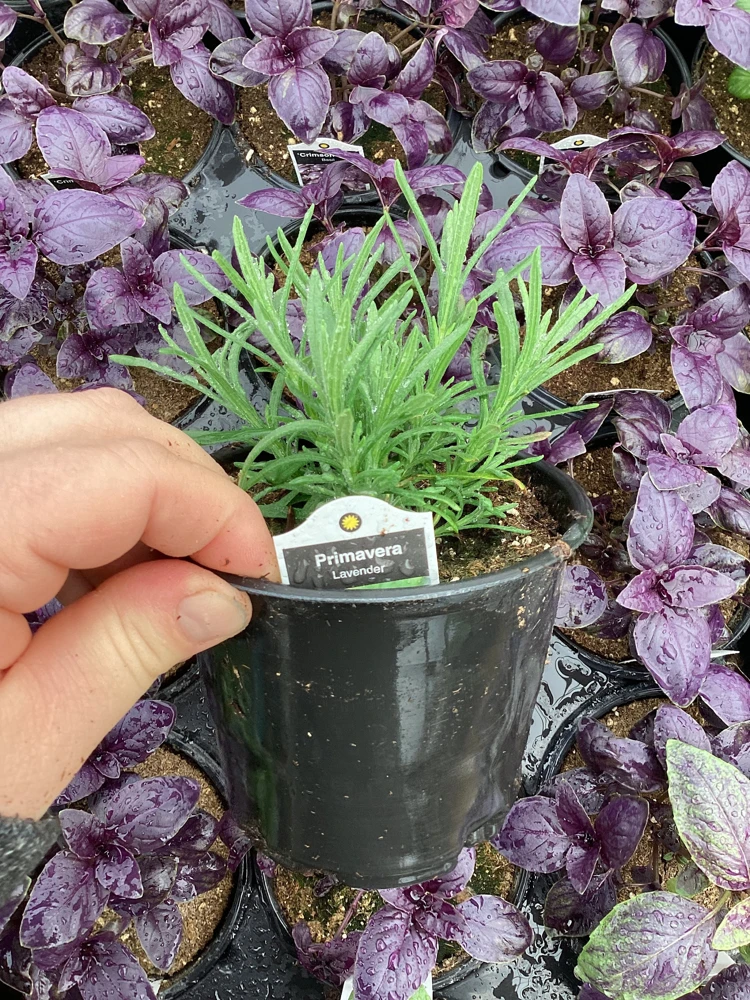
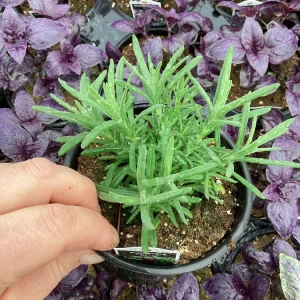
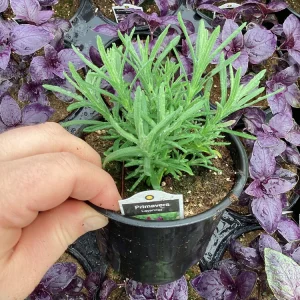
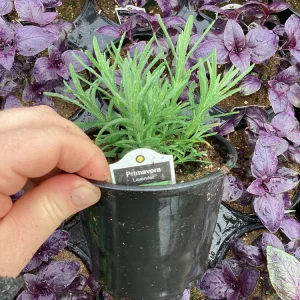
Your lavender primavera live plant will arrive in a 4.5-inch nursery pot, a well-established young plant ready for transplanting into your garden or a larger container. At maturity, this variety typically grows to about 18-24 inches tall and spreads 18-24 inches wide, forming a compact, mounding shrub. Its moderate growth rate means it will fill out nicely within one to two seasons when provided with optimal conditions. The plant features attractive silvery-green, narrow foliage that provides year-round interest, even when not in bloom.
‘Primavera’ lavender is known for its early and extended bloom cycle, often starting to flower in late spring and continuing through early autumn, depending on climate and care. The plant produces numerous upright spikes of vibrant purple flowers, which are highly fragrant. It ships as a healthy, actively growing plant rooted in its nursery pot, ensuring a smooth transition to its new home. Regular pruning after the first flush of flowers can encourage a second bloom and maintain a tidy, bushy shape, which is essential for healthy growing lavender primavera.
Frequently Asked Questions
- Q: How big does this lavender plant get? A: The lavender primavera live plant typically grows to a mature size of about 18-24 inches in height and spreads 18-24 inches wide, forming a beautiful, compact mound. Its size makes it versatile for various garden applications.
- Q: What size pot does it come in? A: This lavender plant is shipped in a 4.5-inch nursery pot, providing a healthy root system for successful transplanting. It is ready to be moved to a larger container or directly into your garden.
- Q: Is this an indoor or outdoor plant? A: ‘Primavera’ lavender is primarily an outdoor plant. It requires full sun and good air circulation to thrive, conditions that are difficult to replicate indoors. It is best suited for garden beds, borders, or outdoor containers.
- Q: How much sunlight does it need? A: For optimal growth and abundant blooms, this fragrant lavender plant needs at least 6-8 hours of direct sunlight per day. Plant it in the sunniest part of your garden.
- Q: Is this plant easy to care for? A: Yes, ‘Primavera’ lavender is considered relatively easy to care for, especially once established. It is drought-tolerant and requires minimal fuss, making it a great choice for both beginner and experienced gardeners. The main key is well-draining soil and plenty of sun.
- Q: What condition will it arrive in? A: Your outdoor lavender plant will arrive as a healthy, live plant rooted in its nursery pot, carefully packaged to ensure it reaches you in excellent condition and ready for planting.
- Q: How long until it blooms? A: This ‘Primavera’ lavender is known for its early and extended blooming. Depending on when you plant it and your local climate, you can expect blooms from late spring through fall, often starting in its first season.
- Q: When is the best time to plant? A: The best time to plant ‘Primavera’ lavender is in the spring after the last frost, or in early fall in milder climates. This allows the plant to establish its root system before extreme weather.
- Q: Will it survive winter in my zone? A: ‘Primavera’ lavender is hardy in USDA Zones 5-9. In Zone 5, it may benefit from winter protection like a layer of mulch. In warmer zones, it typically overwinters without issue.
- Q: What’s the minimum temperature it can tolerate? A: This lavender variety can tolerate temperatures down to around -20°F (-29°C) in Zone 5, especially with some winter protection. It is quite resilient to cold as long as it has good drainage.


Reviews
There are no reviews yet.