Overview
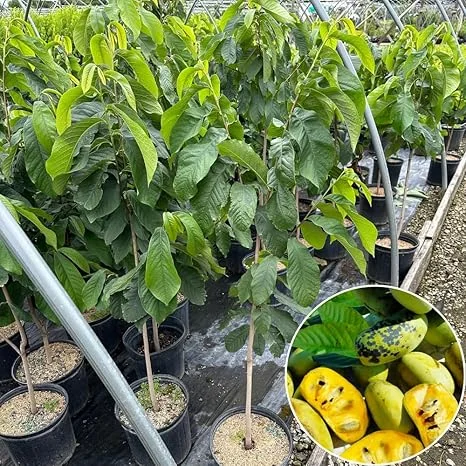
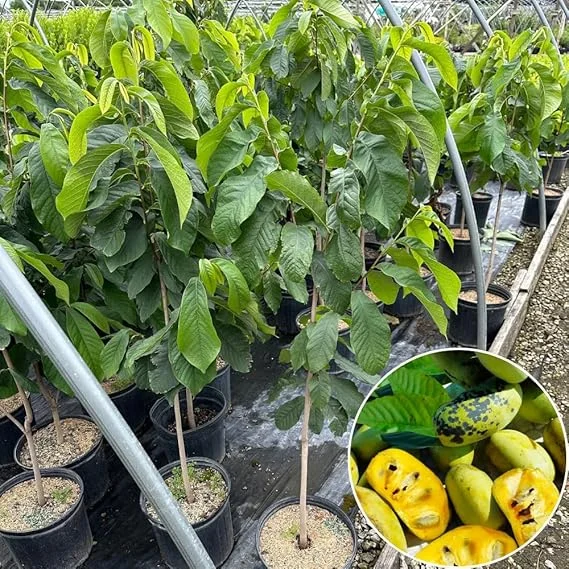
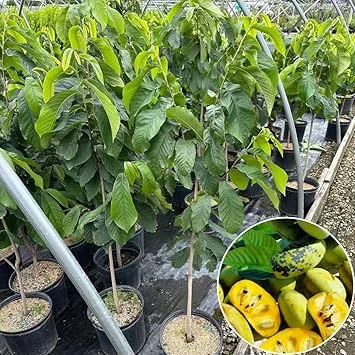
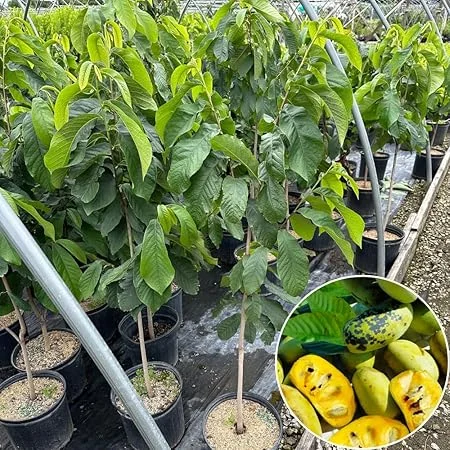
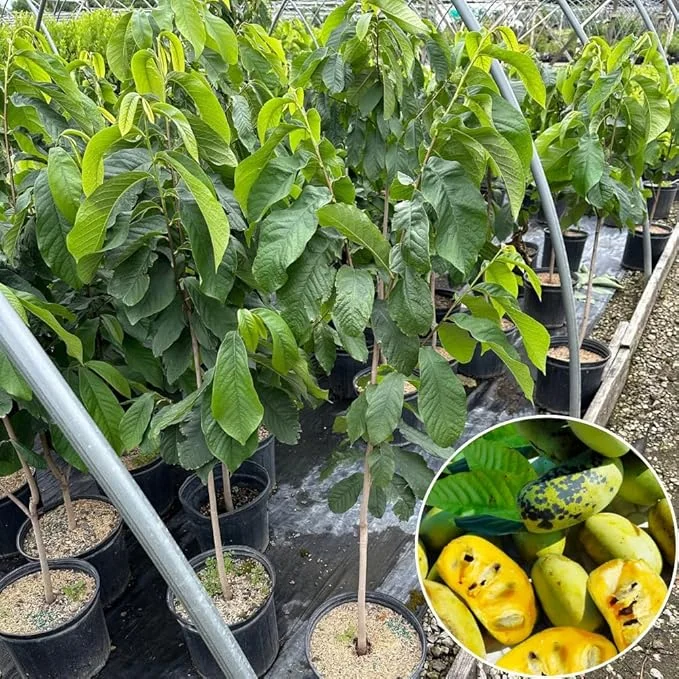
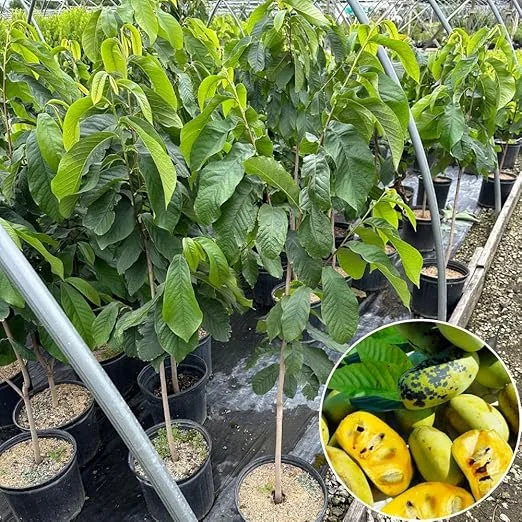
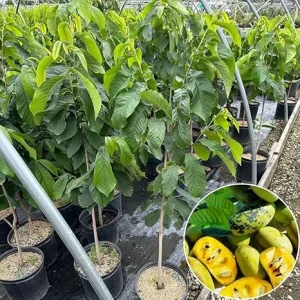
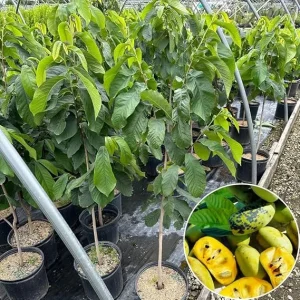
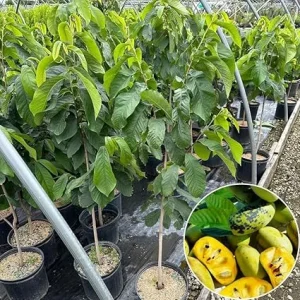
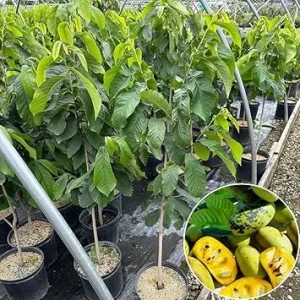
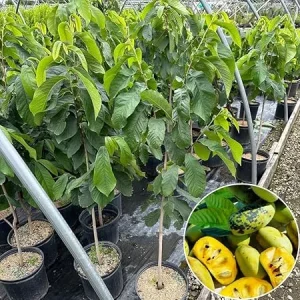
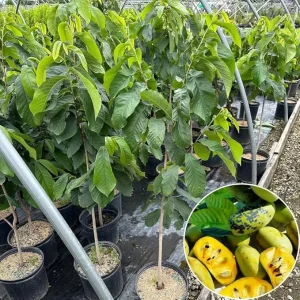
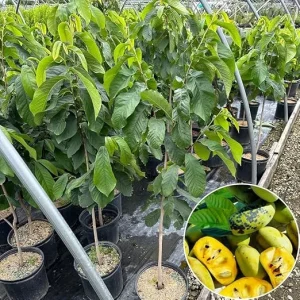
Experience the joy of growing your own exotic fruit with this remarkable pawpaw tree live plant. This well-rooted specimen arrives approximately 2.5 feet tall, ready to be transplanted into your garden or home orchard. The pawpaw, also known as the paw paw fruit tree, is America’s largest native edible fruit, often described as having a sweet, tropical flavor reminiscent of banana, mango, and vanilla custard. Unlike many tropical fruits, the pawpaw is surprisingly cold-hardy, making it an excellent choice for a wide range of climates across the United States. This deciduous tree will enter dormancy in winter, emerging with lush green foliage in spring and summer, eventually bearing its unique and delicious fruit.
Cultivating a pawpaw tree live plant offers a rewarding experience, providing both ornamental beauty with its tropical-looking leaves and the unparalleled delight of freshly harvested, homegrown pawpaws. It’s a fantastic addition for gardeners looking to diversify their edible landscape with a truly distinct and low-maintenance fruit-bearing tree. Get ready to enjoy the rich, creamy texture and sweet aroma of your very own pawpaw fruits.
Key Benefits
Adding a pawpaw tree live plant to your garden provides numerous advantages, from its unique fruit to its aesthetic appeal and hardiness.
- Delicious, Unique Fruit: Enjoy the sweet, tropical-flavored fruit with a creamy, custard-like texture, often compared to a blend of banana, mango, and vanilla. Fresh pawpaws are a rare treat not typically found in grocery stores.
- Cold-Hardy & Adaptable: This cold hardy fruit tree thrives in USDA Hardiness Zones 5-9, making it suitable for many temperate climates where other tropical fruits cannot grow.
- Ornamental Value: The large, tropical-looking leaves provide excellent shade and add a unique aesthetic to any landscape or orchard planting.
- Low Maintenance: Once established, the pawpaw tree live plant is relatively easy to care for, requiring minimal intervention compared to many other fruit trees.
- Native American Fruit: Support biodiversity and enjoy a historic fruit that is native to the eastern United States, making it well-adapted to local conditions.
- Good for Landscaping: Grows into a medium-sized tree, providing shade and visual interest, perfect for integrating into various garden designs.
Plant Care & Growing Tips
Proper care is essential to ensure your pawpaw tree live plant thrives and produces abundant fruit. Pawpaws prefer full sun exposure for optimal fruit production, though young trees (first year or two) can benefit from some partial shade to protect their tender leaves from scorching. They are understory trees in their natural habitat, but mature trees require ample sunlight to bear fruit. Plant your pawpaw in well-draining, slightly acidic to neutral soil (pH 5.5-7.0) rich in organic matter. Avoid heavy, waterlogged soils, as this can lead to root rot. When transplanting, ensure the root ball is not disturbed too much.
Regular watering is crucial, especially during the first few years after planting and during dry spells. Keep the soil consistently moist but never soggy. Once established, they are more drought-tolerant but will still benefit from irrigation during prolonged dry periods. Fertilize your paw paw fruit tree sparingly in its first few years, using a balanced, slow-release fertilizer in early spring. As the tree matures, a fertilizer higher in phosphorus and potassium can encourage fruiting. Pruning is generally minimal, focused on removing dead, damaged, or crossing branches to maintain good air circulation and tree structure. While generally robust, keep an eye out for common pests and diseases, though pawpaws are known for their relative resistance.
To ensure you grow pawpaw tree successfully, consider planting at least two genetically distinct trees for cross-pollination, as most pawpaw varieties are not self-pollinating. While they are cold-hardy, providing some winter protection for very young trees in the colder parts of their range can be beneficial. With proper care, your pawpaw will reward you with delicious fruit for many years.
Size & Details
This offering is for one pawpaw tree live plant, approximately 2.5 feet tall upon arrival, measured from the base of the root system to the top of the plant. It is a well-rooted specimen, ready for immediate transplanting into your garden or orchard. Pawpaw trees typically grow into a medium-sized tree, reaching a mature height of 15-25 feet tall with a spread of 10-15 feet. The growth rate is moderate, and fruit production usually begins within 3-5 years after planting. The plant will be shipped in a protective container, ensuring it arrives healthy and ready to thrive in its new home. Ensure you have adequate space for its mature size when planning your planting location.
Frequently Asked Questions
- Q: How big does this pawpaw tree live plant get? A: This pawpaw tree will arrive approximately 2.5 feet tall. At maturity, it typically grows to a height of 15-25 feet with a spread of 10-15 feet, making it a medium-sized tree.
- Q: Is this an indoor or outdoor plant? A: This is an outdoor plant, specifically a cold hardy fruit tree designed for planting in gardens and home orchards. It requires outdoor conditions to thrive and produce fruit.
- Q: How much sunlight does it need? A: Mature pawpaw trees require full sun exposure (at least 6-8 hours of direct sunlight daily) for best fruit production. Young trees in their first year or two may benefit from partial shade protection.
- Q: Is this plant easy to care for? A: Once established, the pawpaw tree is relatively low maintenance compared to many other fruit trees. It requires consistent watering when young and well-draining soil.
- Q: What condition will it arrive in? A: Your pawpaw tree live plant will arrive well-rooted in a protective container, ensuring its health and readiness for transplanting into your garden.
- Q: How long until it produces fruit? A: Typically, pawpaw trees begin to bear fruit within 3-5 years after planting, depending on growing conditions and care.
- Q: Will it survive winter in my zone? A: Yes, this paw paw fruit tree is known for its cold-hardiness and thrives in USDA Hardiness Zones 5-9. It is deciduous and will enter dormancy in winter.
- Q: Do I need more than one pawpaw tree to get fruit? A: Most pawpaw varieties require cross-pollination to set fruit, meaning you’ll need to plant at least two genetically distinct trees to ensure successful fruiting. This is key if you want to grow pawpaw tree successfully.
- Q: What kind of soil is best for a pawpaw tree? A: Pawpaws prefer well-draining, fertile soil that is rich in organic matter. A slightly acidic to neutral pH (5.5-7.0) is ideal.


Reviews
There are no reviews yet.