Overview
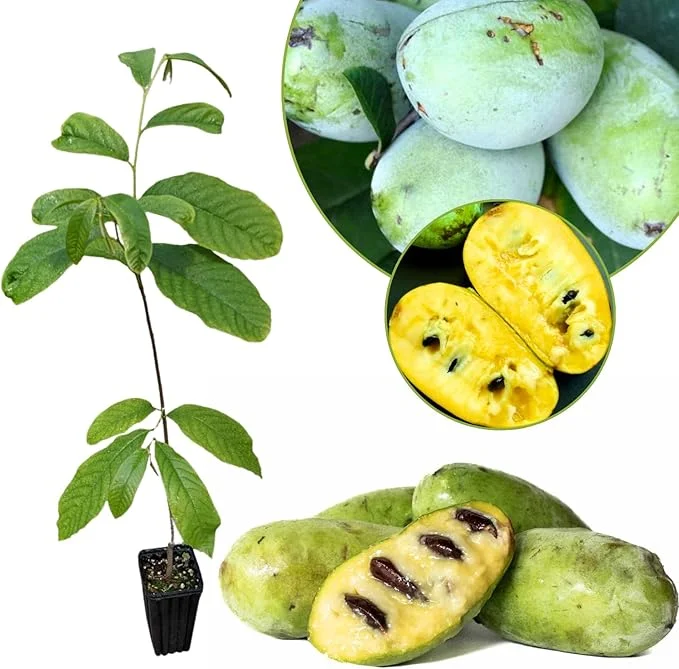
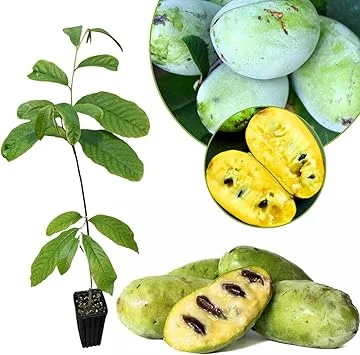
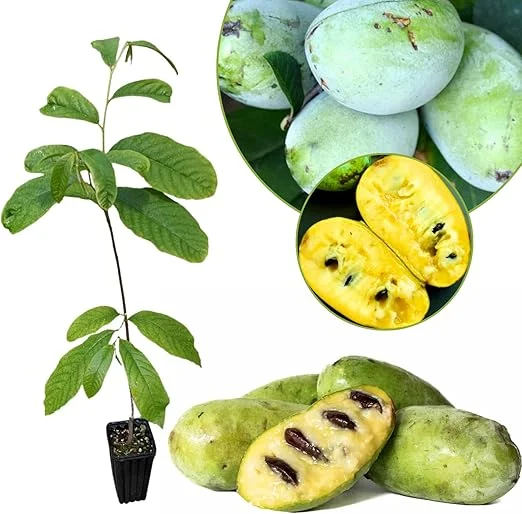
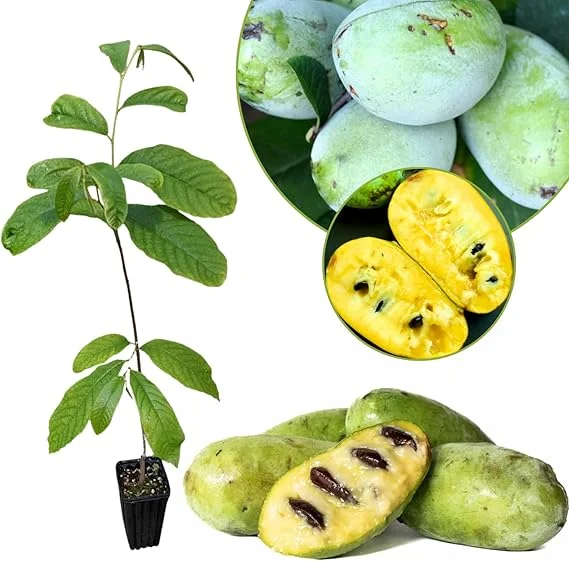
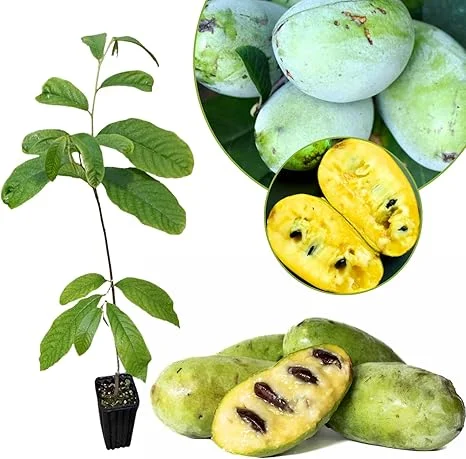
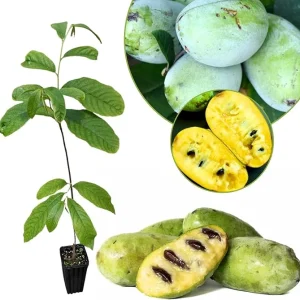
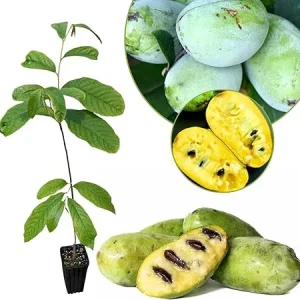
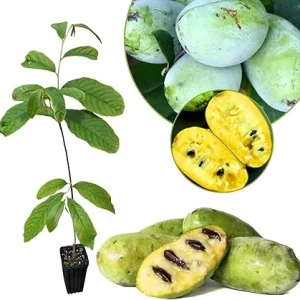
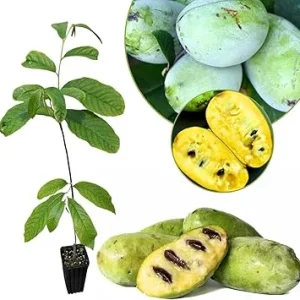
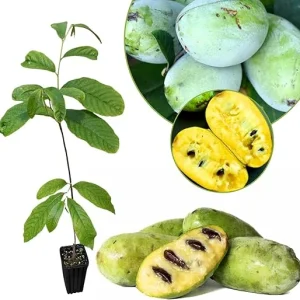
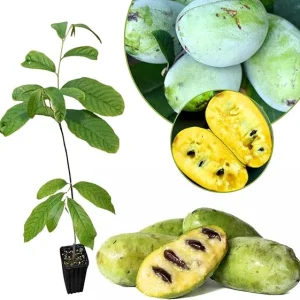
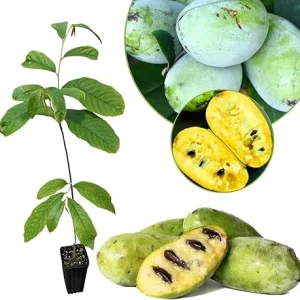
Cultivate a taste of the tropics right in your backyard with our premium live pawpaw tree. This well-rooted plant, measuring 6-8 inches tall, is ready for transplanting and will thrive in a home orchard or garden setting. Pawpaw trees (Asimina triloba) are native to North America, known for producing unique, delicious fruit with a creamy, custard-like texture and a flavor profile reminiscent of banana, mango, and vanilla. This cold-hardy fruit tree is an excellent choice for gardeners looking for an exotic yet resilient addition to their landscape, offering both ornamental beauty and delectable harvests.
Our pawpaw fruit plant is specifically selected for its vigor and ability to adapt to various climates, making it a reliable option for many regions. These trees are not only producers of exceptional fruit but also add a lush, tropical aesthetic to your property with their broad, vibrant green foliage. Enjoy the satisfaction of growing your own gourmet fruit that is rarely found in grocery stores.
Key Benefits
Adding a pawpaw tree to your garden offers a multitude of advantages, from the joy of fresh, homegrown fruit to enhancing your landscape’s biodiversity. Discover the rich rewards of nurturing this unique plant:
- Unique Fruit Production: Enjoy sweet, tropical-flavored pawpaw fruits with a creamy, custard-like consistency, offering a delightful blend of banana, mango, and vanilla notes straight from your own backyard.
- Cold-Hardy & Resilient: This cold hardy fruit tree is robust and well-suited for USDA Hardiness Zones 5-9, making it a reliable choice for temperate climates where many tropical fruits cannot survive.
- Ornamental Appeal: Beyond its fruit, the pawpaw tree provides significant aesthetic value with its large, tropical-looking leaves, creating a lush canopy perfect for shade and visual interest in your landscape.
- Low Maintenance: Once established, the live pawpaw tree is relatively low-maintenance, requiring minimal intervention to thrive and produce fruit, making it ideal for both experienced and novice gardeners.
- Pollinator Friendly: Pawpaw flowers attract beneficial pollinators, contributing to the health and biodiversity of your garden ecosystem.
- Shade & Landscaping: Grows into a medium-sized tree (15-25 feet tall) that offers excellent shade and is perfect for various landscaping designs, from orchard plantings to naturalized areas.
- Rare & Gourmet Fruit: Grow a gourmet fruit that is difficult to find commercially, providing you with an exclusive harvest and a unique culinary experience.
Plant Care & Growing Tips
Caring for your pawpaw fruit plant is straightforward, especially given its natural resilience. For optimal growth and fruit production, understanding its specific needs is key. Pawpaw trees thrive in locations with full sun exposure, meaning they need at least 6-8 hours of direct sunlight daily to produce the best fruit. While young trees benefit from some afternoon shade in very hot climates, mature trees prefer full sun. Ensure the planting site has well-draining soil, rich in organic matter. A slightly acidic to neutral pH (5.5-7.0) is ideal. When planting, dig a hole twice as wide as the root ball and just as deep, backfilling with a mix of garden soil and compost.
Watering is crucial, especially during the first few years after planting. Keep the soil consistently moist but never waterlogged. Once established, pawpaw trees are more tolerant of drought but will perform best with regular watering during dry spells. Fertilize in early spring with a balanced, slow-release fertilizer or an organic option suitable for fruit trees. Protect young trees from deer and other pests. Pruning should be minimal, focusing on removing dead or diseased branches and maintaining a strong central leader. With proper care, your live pawpaw tree will reward you with years of delicious fruit.
Size & Details
This offering includes one well-rooted live pawpaw tree, standing approximately 6-8 inches tall from the base of the root system to the tip of the highest stem. The plant arrives ready for transplanting into your garden or orchard, typically shipped in a nursery pot or bare-root, depending on the season and supplier. Pawpaw trees are relatively fast-growing once established, reaching a mature height of 15-25 feet tall with a similar spread, forming a medium-sized tree. They feature lush, green foliage that provides excellent shade and a tropical aesthetic. The tree will begin producing fruit within 3-5 years after planting, with peak production occurring around 7-10 years. This cold-hardy fruit tree is an ideal choice for temperate climates.
Frequently Asked Questions
- Q: How big will this pawpaw plant get? A: This live pawpaw tree arrives 6-8 inches tall. At maturity, it typically grows to a height of 15-25 feet, forming a medium-sized tree with a similar spread, providing ample shade and fruit.
- Q: Is this an indoor or outdoor plant? A: This pawpaw fruit plant is intended for outdoor planting. It is a cold-hardy fruit tree that thrives in garden settings and home orchards within USDA Hardiness Zones 5-9.
- Q: How much sunlight does a pawpaw tree need? A: Pawpaw trees require full sun exposure, meaning at least 6-8 hours of direct sunlight per day, for optimal growth and fruit production. Young trees may benefit from some afternoon shade in extremely hot climates.
- Q: Is this plant easy to care for? A: Yes, once established, the live pawpaw tree is considered relatively low-maintenance. It’s a resilient native tree that performs well with basic care, making it suitable for gardeners of varying experience levels.
- Q: What condition will the pawpaw tree arrive in? A: Your pawpaw fruit plant will arrive well-rooted and healthy, ready for transplanting. It is carefully packaged to ensure its safety during transit and will be either in a nursery pot or bare-root, depending on the season.
- Q: When is the best time to plant a pawpaw tree? A: The best time to plant a pawpaw tree is in early spring or late fall, when the plant is dormant or just beginning to emerge from dormancy. This allows it to establish its root system before the stress of summer heat.
- Q: Will it survive winter in my zone? A: This is a cold hardy fruit tree, rated for USDA Hardiness Zones 5-9. If your zone falls within this range, it will typically survive winter outdoors without special protection once established.
- Q: How long until it produces fruit? A: A live pawpaw tree typically begins to produce fruit within 3-5 years after planting, with full production achieved around 7-10 years. Patience is key for this delicious harvest.
- Q: What kind of soil does a pawpaw plant prefer? A: The pawpaw fruit plant thrives in well-draining, fertile soil rich in organic matter. A slightly acidic to neutral pH (5.5-7.0) is ideal for healthy growth and fruit development.
- Q: Can I grow pawpaws in a container? A: While possible for very young trees, pawpaw trees are best grown directly in the ground due to their mature size and extensive root system. Container growing would require a very large pot and frequent repotting.


Reviews
There are no reviews yet.