
Overview
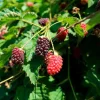
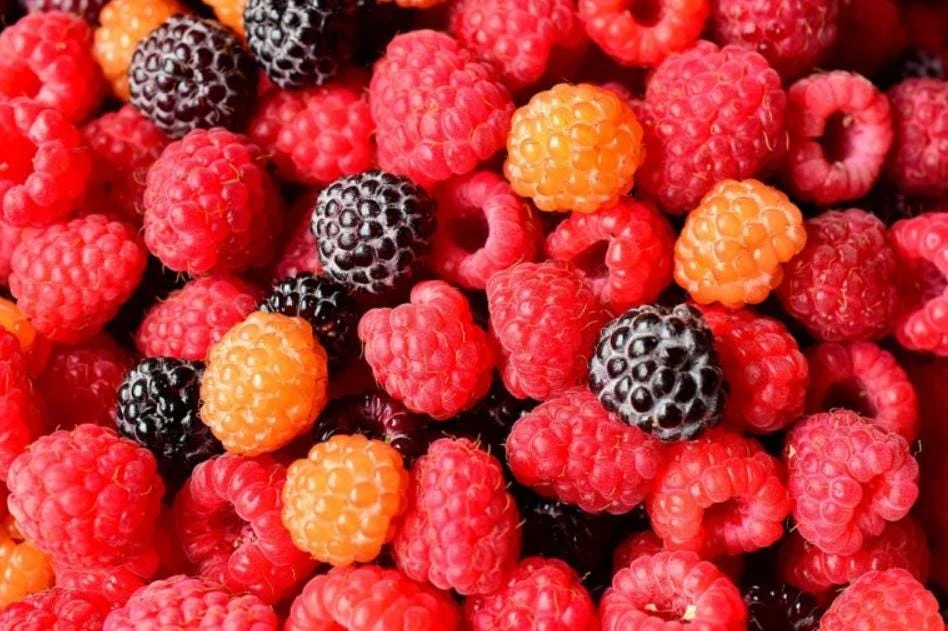
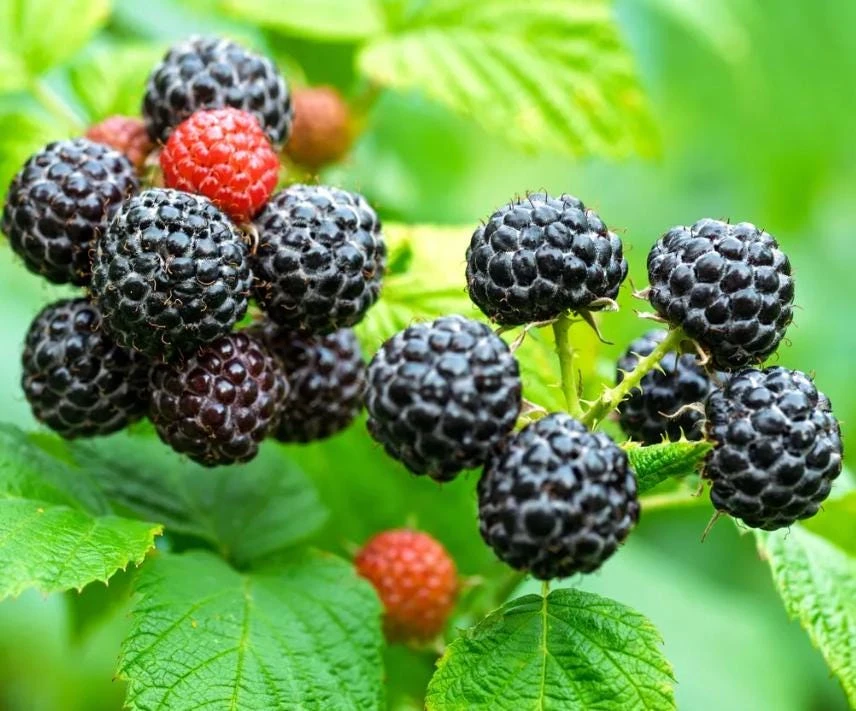
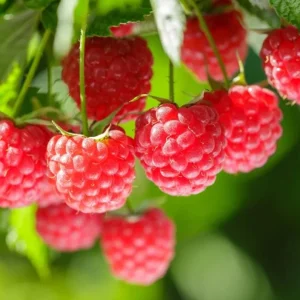
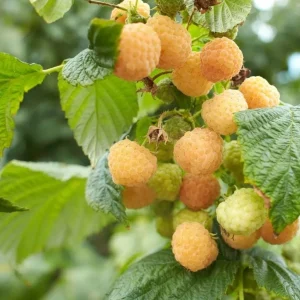
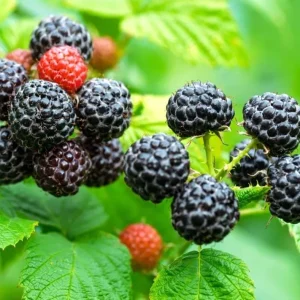
Bring the joy of homegrown fruit to your garden with this vibrant raspberry live plant. You will receive one healthy young starter plant, ready to thrive and produce delicious berries. Raspberries, scientifically known as Rubus idaeus or related varieties, are beloved for their sweet, juicy fruit and vigorous growth. This fruiting berry bush is a fantastic addition to any edible landscape, offering both ornamental appeal and a rewarding harvest. Imagine stepping into your garden and plucking fresh, ripe raspberries directly from your own plants – a truly satisfying experience for any gardener, from novice to expert. This particular offering is for a random variety, ensuring a delightful surprise of red, golden, or dark berries once mature.
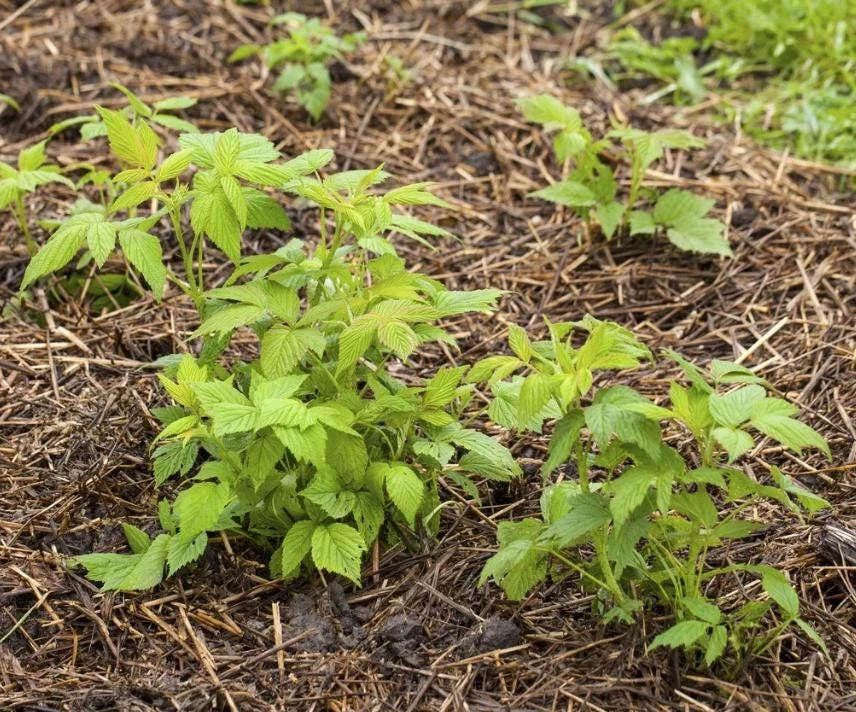
Our raspberry live plant is carefully cultivated to ensure a strong start for your gardening journey. Shipped as a young plant, approximately 3 to 6 inches tall, it is designed to establish quickly in its new environment. These plants are known for their productive growth habit, forming canes that will eventually bear fruit. Growing your own raspberries not only provides a fresh, healthy food source but also connects you deeply with nature and the rewarding cycle of cultivation. Experience the pleasure of nurturing a plant from a small starter to a bountiful producer of sweet, succulent fruit.
Key Benefits
Adding a raspberry live plant to your garden offers numerous advantages, enhancing both your landscape and your culinary options. These benefits extend beyond just fresh fruit, contributing to a more sustainable and enjoyable gardening experience.
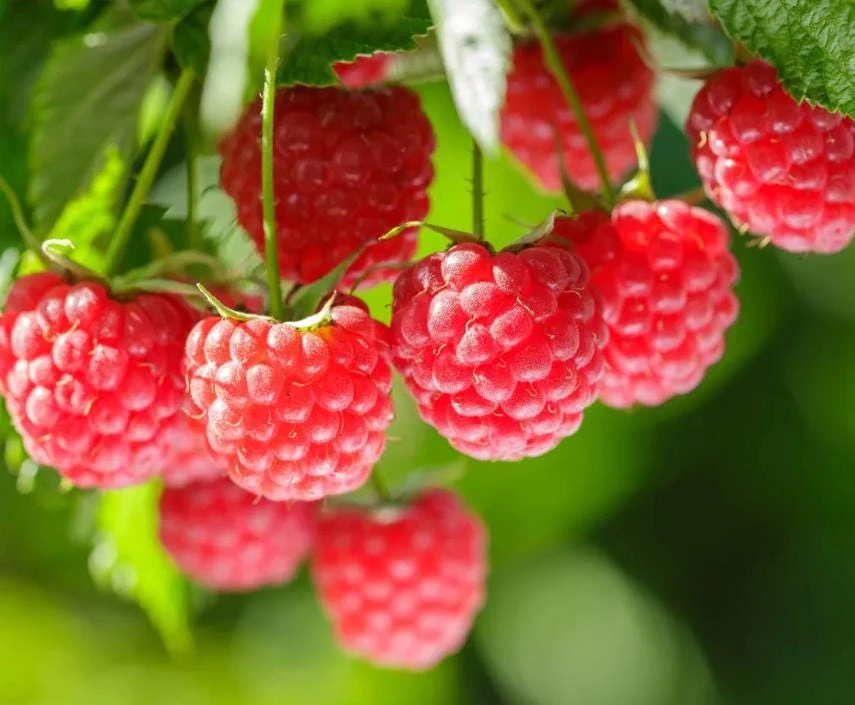
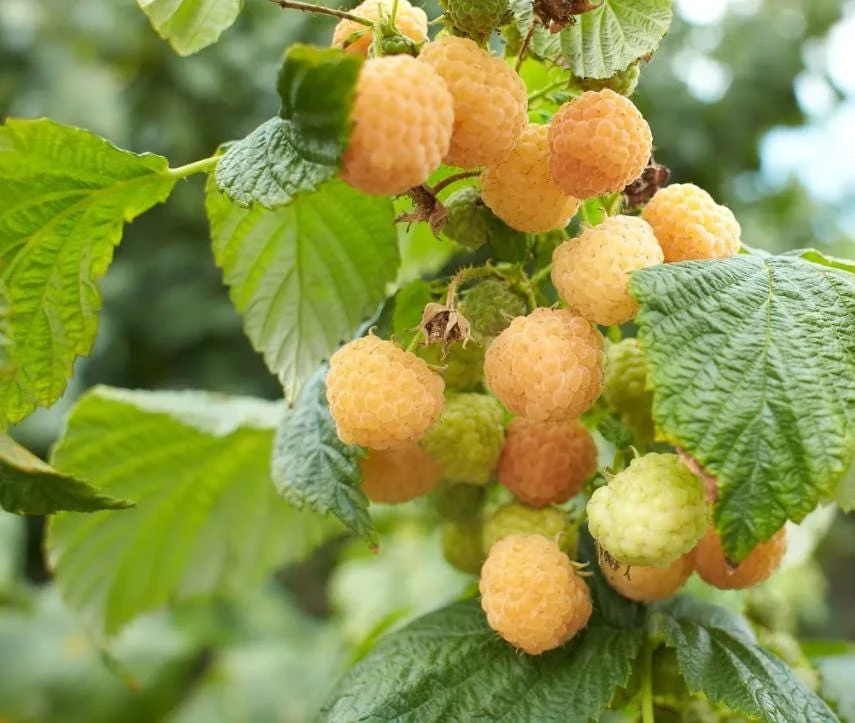
- Homegrown Sweet Berries: Enjoy the unparalleled taste of fresh raspberries, harvested directly from your garden. Depending on the variety, you can anticipate sweet red, golden, or dark berries, perfect for snacking, desserts, or preserves. Growing your own ensures peak freshness and flavor.
- Productive Fruiting Bush: Raspberry plants are known for their vigorous growth and generous yields. With proper care, your plant will develop into a robust fruiting berry bush, providing a consistent supply of delicious fruit season after season.
- Versatile Garden Addition: Suitable for a variety of garden settings, these plants can be grown in garden beds, used as an edible hedge, or trained along fences and trellises. They also perform well in large containers, making them adaptable to different garden sizes and styles.
- Health Benefits of Raspberries: Fresh raspberries are packed with vitamins, antioxidants, and fiber. Cultivating your own ensures a ready supply of these nutritious berries, contributing to a healthy diet right from your backyard.
- Rewarding Gardening Experience: Nurturing a plant from a young starter to a fruit-bearing bush is immensely satisfying. The process of watching your raspberry live plant grow and eventually produce fruit is a rewarding journey for any gardener.
- Supports Pollinators: Raspberry flowers attract bees and other beneficial pollinators to your garden, contributing to a healthy local ecosystem and improving overall garden biodiversity.
- Aesthetic Appeal: Beyond their fruit, raspberry bushes add a natural, rustic charm to your garden with their vibrant green foliage and attractive berries, enhancing the visual appeal of your outdoor space.
Plant Care & Growing Tips
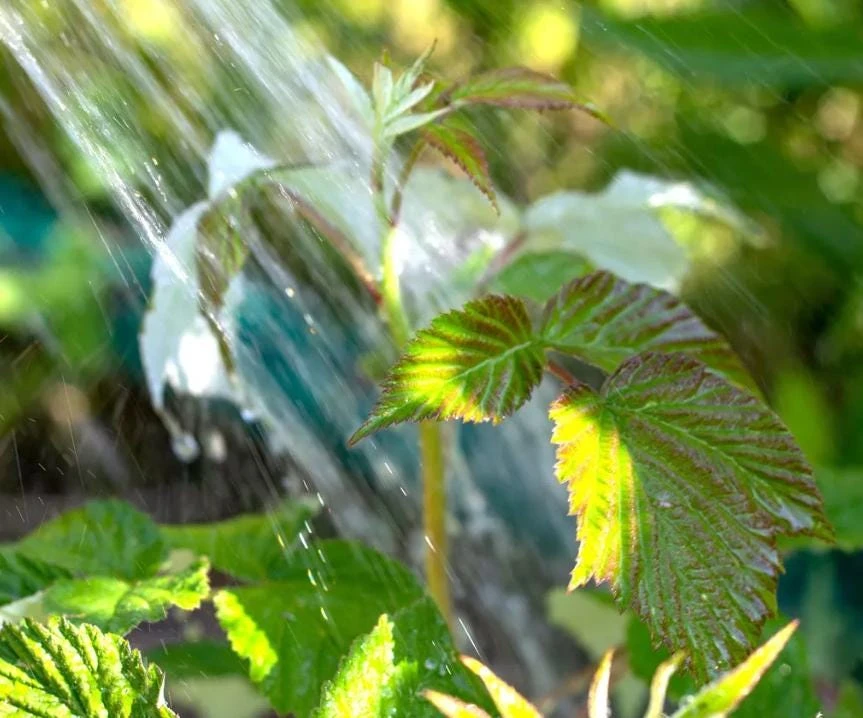
Caring for your raspberry live plant is straightforward, and with proper attention, you’ll be enjoying fresh berries in no time. Raspberries generally prefer a location with full sun, meaning at least 6-8 hours of direct sunlight per day. This ensures optimal fruit production and plant health. While they thrive in moderate to warm environments, they are quite adaptable. When planting, choose a site with well-draining soil. Raspberries do not like ‘wet feet,’ so ensure good drainage to prevent root rot. Amending heavy clay soils with organic matter like compost can significantly improve drainage and provide essential nutrients.
Watering is crucial, especially during establishment and dry spells. Water regularly while the plant is establishing its root system, then maintain consistent moisture without overwatering. The soil should feel consistently moist but not soggy. Fertilize in early spring with a balanced slow-release fertilizer or organic compost to support vigorous growth and fruit development. Pruning is an important aspect of raspberry plant care, typically done in late winter or early spring to remove old, fruited canes and encourage new growth. Depending on whether you have primocane-fruiting (fall-bearing) or floricane-fruiting (summer-bearing) varieties, pruning techniques will vary slightly. Protect your plants from common pests and diseases by ensuring good air circulation and practicing good garden hygiene.
For those looking to grow raspberry bush in containers, select a large pot with good drainage, at least 15-20 gallons in capacity, to accommodate the root system. Provide a sturdy trellis or support system for the canes as they grow. Even though this is a relatively easy edible berry plant to care for, consistent monitoring for any signs of stress, pests, or nutrient deficiencies will ensure a healthy and productive plant. Remember that young plants may take some time to adjust after shipping and before actively producing new growth. Patience and consistent care are key to a bountiful harvest.
Size & Details
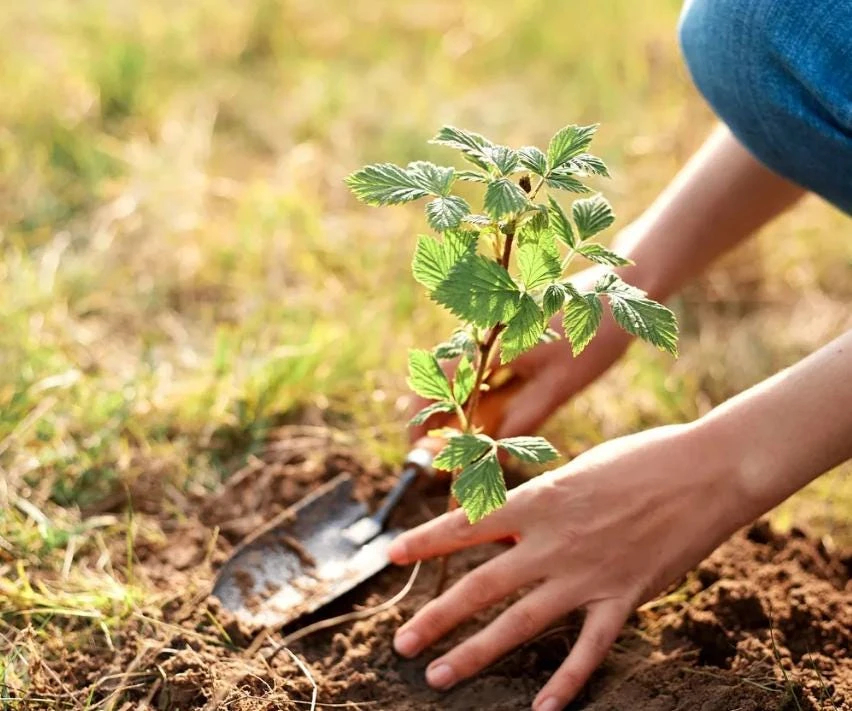
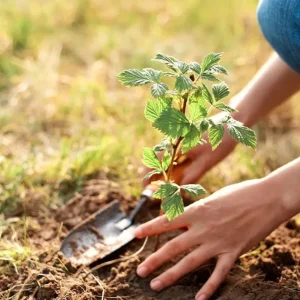
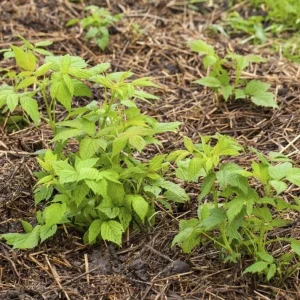
Your raspberry live plant will arrive as a healthy young starter, approximately 3 to 6 inches tall, depending on the current batch and growing stage. This is a small, robust plant that has been grown in a nursery pot to help establish a strong root system before shipping. Please note that plants are shipped without their pot to ensure safe transit, though a small amount of soil may be removed as necessary. This ensures the plant is compact and protected during its journey to you.
These young plants are ready for immediate planting upon arrival and will require proper care, sunlight, and watering to continue developing into a mature fruiting berry bush. The ultimate size and fruit production of your raspberry bush will depend on your specific growing conditions, care routine, and the particular variety you receive. Raspberry plants are known for their relatively fast growth once established, typically beginning to produce fruit within 1-2 years after planting. Expect a vigorous growth habit, forming canes suitable for garden beds, edible landscapes, or large containers when provided with adequate support.
Frequently Asked Questions
- Q: How big does this raspberry live plant get? A: Your plant will arrive as a young starter, approximately 3 to 6 inches tall. With proper care and growing conditions, a mature raspberry live plant can reach heights of 5-8 feet and spread several feet wide, depending on the variety and pruning.
- Q: Is this an indoor or outdoor plant? A: This sweet fruiting berry plant is primarily an outdoor plant, thriving best in garden beds, edible landscapes, or large outdoor containers where it can receive adequate sunlight and space.
- Q: How much sunlight does it need? A: Raspberry plants require a minimum of 6-8 hours of direct sunlight per day to ensure optimal growth and fruit production. They prefer full sun exposure to produce the sweetest berries.
- Q: Is this raspberry plant easy to care for? A: Yes, raspberry plants are generally considered easy to care for, making them suitable for beginner gardeners. Consistent watering, adequate sunlight, and occasional pruning are the main requirements for a successful harvest.
- Q: What condition will it arrive in? A: You will receive one healthy young edible berry plant. It ships without its pot to ensure safe transit, and minor cosmetic leaf or stem stress is normal for live plants during shipping.
- Q: How long until it produces fruit? A: Typically, a young raspberry live plant will begin to produce fruit within 1-2 years after planting, depending on the variety and growing conditions. Patience and consistent care will lead to a rewarding harvest.
- Q: What’s the best way to grow raspberry bush? A: To grow raspberry bush successfully, plant it in well-draining soil in a full sun location. Provide consistent moisture, especially during dry periods, and offer support like a trellis for the canes.
- Q: What type of soil does a raspberry plant prefer? A: Raspberry plants prefer well-draining, slightly acidic to neutral soil (pH 6.0-6.8) that is rich in organic matter. Avoid heavy, waterlogged soils to prevent root issues.
- Q: Can I grow this raspberry plant in a pot? A: Yes, you can grow this fruiting berry plant in a large container, at least 15-20 gallons, provided it has good drainage and you offer adequate support for the growing canes.
- Q: What is the best time to plant a raspberry bush? A: The best time to plant a raspberry bush is typically in early spring after the last frost, or in the fall before the ground freezes, allowing the roots to establish before extreme temperatures.


Reviews
There are no reviews yet.