Overview
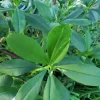
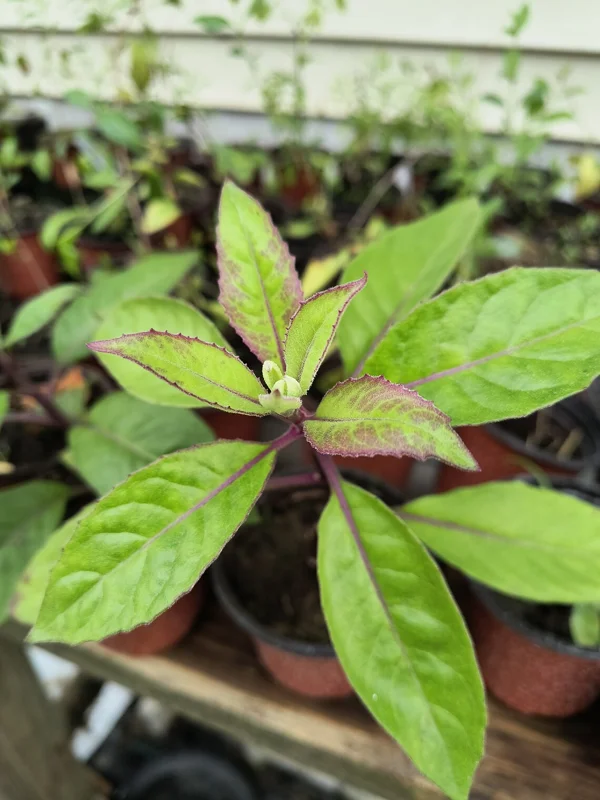
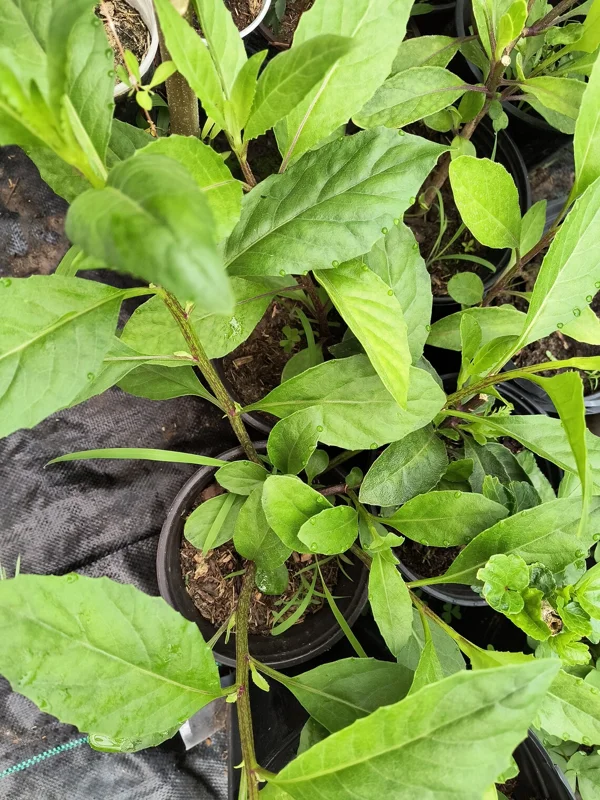
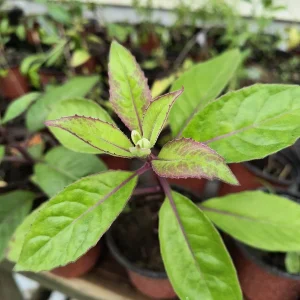
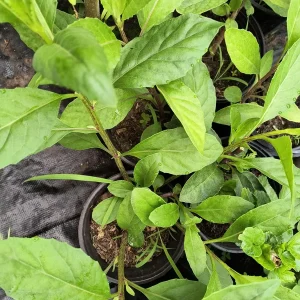
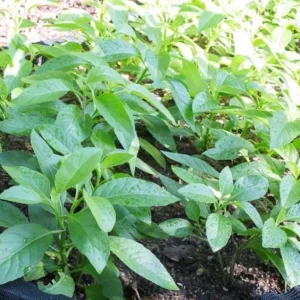
Bring the goodness of fresh, nutritious greens to your home with the longevity spinach live plant. Also known by its botanical name, Gynura Procumbens, and sometimes referred to as ‘cholesterol spinach’ or ‘daun dewa’, this remarkable perennial vegetable is celebrated for its ease of cultivation and impressive health benefits. Originating from Southeast Asia, longevity spinach is a fast-growing, low-maintenance plant that can be grown both indoors in cooler climates or outdoors in warmer regions. It produces tender, succulent leaves with a mild, slightly peppery flavor, making it a versatile addition to salads, smoothies, stir-fries, and more. Our plants arrive healthy and established, ready to thrive in your garden or a container on your patio or windowsill.
The longevity spinach live plant is an excellent choice for gardeners looking for a continuous harvest of edible greens. Unlike annual spinach varieties that bolt in heat, longevity spinach continues to produce throughout the warmer months, providing a reliable source of fresh foliage. Its attractive green leaves also make it a pleasant ornamental plant, adding lushness to any space. Whether you’re a seasoned gardener or just starting, this plant offers a rewarding growing experience and a bountiful supply of healthful leaves.
Key Benefits
Incorporating the longevity spinach live plant into your garden or kitchen offers a multitude of advantages, making it a highly desirable and functional plant.
- Nutrient-Dense Edible Greens: Longevity spinach is packed with vitamins, minerals, and antioxidants, making it a fantastic addition to a healthy diet. Its leaves can be enjoyed raw in salads or cooked in various dishes, providing a fresh, mild flavor.
- Easy to Grow and Maintain: This plant is incredibly forgiving and low-maintenance, suitable for gardeners of all skill levels. It tolerates a range of conditions and is relatively pest-resistant, simplifying its care routine.
- Perennial Growth: Unlike many annual greens, longevity spinach live plant is a perennial. This means it will continue to grow and produce year after year in suitable climates, offering a continuous harvest without the need for replanting.
- Versatile Culinary Use: The tender leaves are perfect for a variety of culinary applications. Use them in salads, sandwiches, stir-fries, soups, or blend them into smoothies for an added nutritional boost.
- Medicinal Properties: Traditionally, Gynura Procumbens has been used in herbal medicine for its potential health benefits, including supporting healthy blood sugar and cholesterol levels, as suggested by its common name, ‘cholesterol spinach’.
- Adaptable to Various Settings: It can be grown in garden beds, raised beds, or containers, making it suitable for small spaces, urban gardening, or even as an indoor houseplant in colder regions.
- Vigorous Growth: Known for its rapid growth, you’ll be harvesting fresh leaves regularly, ensuring a steady supply of this nutritious green.
Plant Care & Growing Tips
Caring for your longevity spinach live plant is straightforward, ensuring a bountiful harvest with minimal effort. This resilient plant prefers warm, humid conditions but can adapt to various environments. For optimal growth, provide it with plenty of bright, indirect sunlight. If growing outdoors, choose a spot that receives morning sun and afternoon shade, especially in hot climates, to prevent leaf scorching. Indoors, a south or east-facing window is ideal, or you can supplement with a grow light.
Watering should be consistent, keeping the soil evenly moist but not waterlogged. Allow the top inch of soil to dry out slightly between waterings to prevent root rot. Longevity spinach plant care also involves ensuring good drainage. Plant your longevity spinach in well-draining potting mix. A general-purpose organic potting soil enriched with compost works well. While not a heavy feeder, a balanced liquid fertilizer applied every 4-6 weeks during the growing season will encourage lush foliage. Pruning regularly by harvesting leaves will also promote bushier growth and more production. Protect your plant from frost, as it is not cold-hardy. In zones with freezing winters, consider growing it in a container that can be brought indoors.
This edible greens plant is generally pest-resistant, but occasionally, common garden pests like aphids or spider mites might appear. Address these with organic insecticidal soap or neem oil. With proper care, your longevity spinach will be a productive and attractive addition to your edible garden, providing fresh greens for many months. Remember that consistent moisture and adequate light are key to a thriving perennial spinach plant.
Size & Details
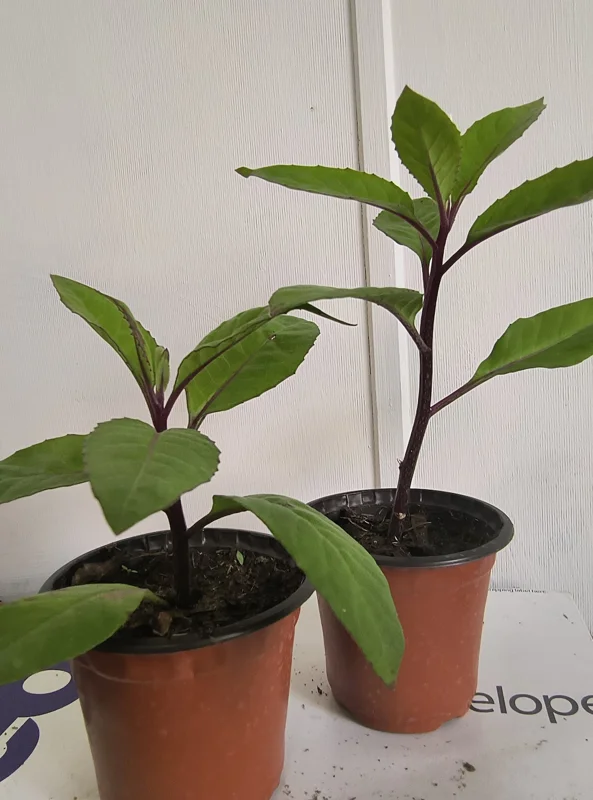
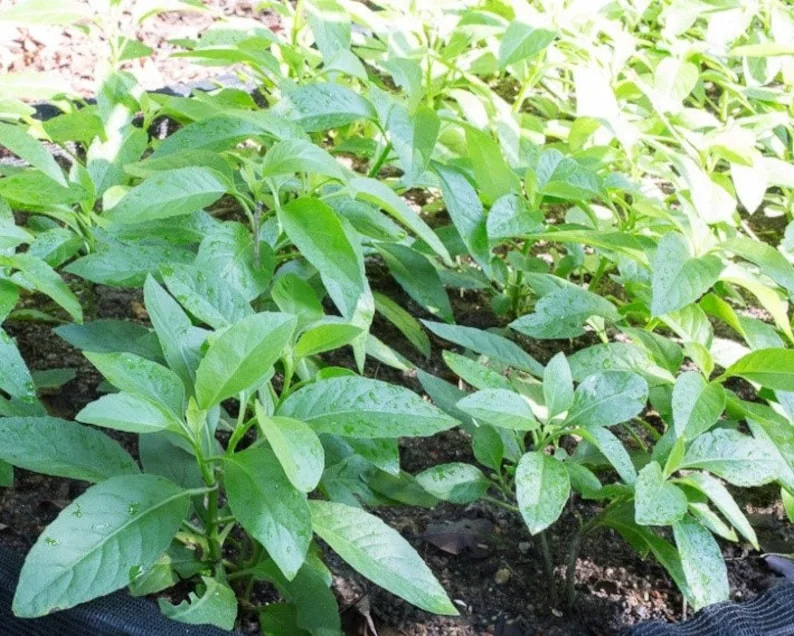
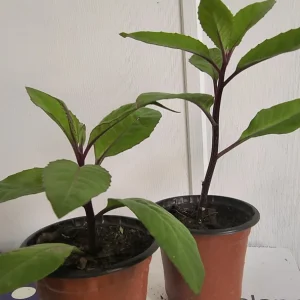
This longevity spinach live plant arrives healthy and established, measuring approximately 12-16 inches in height from the base of the pot to the top of the foliage. It is potted in a half-gallon nursery container, providing ample space for its root system to be well-developed and ready for transplanting. Longevity spinach is a fast grower, and with proper care, it can quickly spread to form a dense mat or be trained to climb. When mature, it typically reaches a height of 1-3 feet and can spread several feet wide if allowed. It ships as a live, actively growing plant, carefully packaged to ensure its safe arrival.
The plant will continue to grow vigorously once established in your garden or a larger pot, providing a continuous harvest of fresh leaves. Expect a moderate to fast growth rate under ideal conditions. This versatile edible greens plant is known for its resilience and ability to thrive in various settings, making it an excellent long-term investment for your edible landscape.
Frequently Asked Questions
- Q: How big does this plant get? A: Your longevity spinach live plant will arrive between 12-16 inches tall in a half-gallon pot. When mature, it can reach 1-3 feet in height and spread several feet wide, depending on growing conditions and pruning.
- Q: Is this an indoor or outdoor plant? A: This plant can be grown both indoors and outdoors. It thrives outdoors in USDA Zones 9-11 as a perennial. In colder climates, it can be grown as an annual or brought indoors during winter as a houseplant.
- Q: How much sunlight does it need? A: Longevity spinach prefers bright, indirect light to partial shade. If growing outdoors in hot climates, protect it from intense afternoon sun. Indoors, an east or south-facing window is ideal.
- Q: Is this plant easy to care for? A: Yes, longevity spinach plant care is considered easy. It’s a low-maintenance plant that tolerates a range of conditions, making it suitable for beginners and experienced gardeners alike.
- Q: What condition will it arrive in? A: Your plant will arrive as a healthy, actively growing specimen in a half-gallon nursery pot, carefully packaged to minimize stress during transit.
- Q: Is it shipped in soil? A: Yes, the longevity spinach live plant is shipped in its nursery pot with soil to ensure its vitality and ease of transplanting upon arrival.
- Q: Can I use longevity spinach in cooking? A: Absolutely! The leaves of this edible greens plant are mild and slightly peppery, perfect for salads, smoothies, stir-fries, soups, and more.
- Q: When is the best time to plant? A: You can plant longevity spinach any time after the last frost in spring for outdoor growth. For indoor cultivation, it can be planted year-round.
- Q: Will it survive winter in my zone? A: As a perennial spinach plant, it will survive winter outdoors in USDA Zones 9-11. In zones with colder winters, it needs to be protected from frost or brought indoors.
- Q: What’s the minimum temperature it can tolerate? A: Longevity spinach is sensitive to cold and will not tolerate frost. It thrives in temperatures generally above 50°F (10°C).


Reviews
There are no reviews yet.