Overview
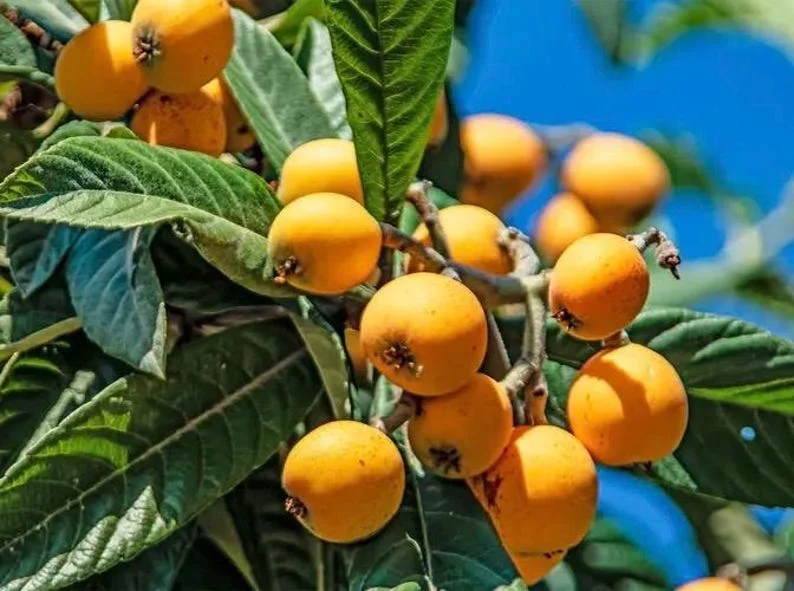
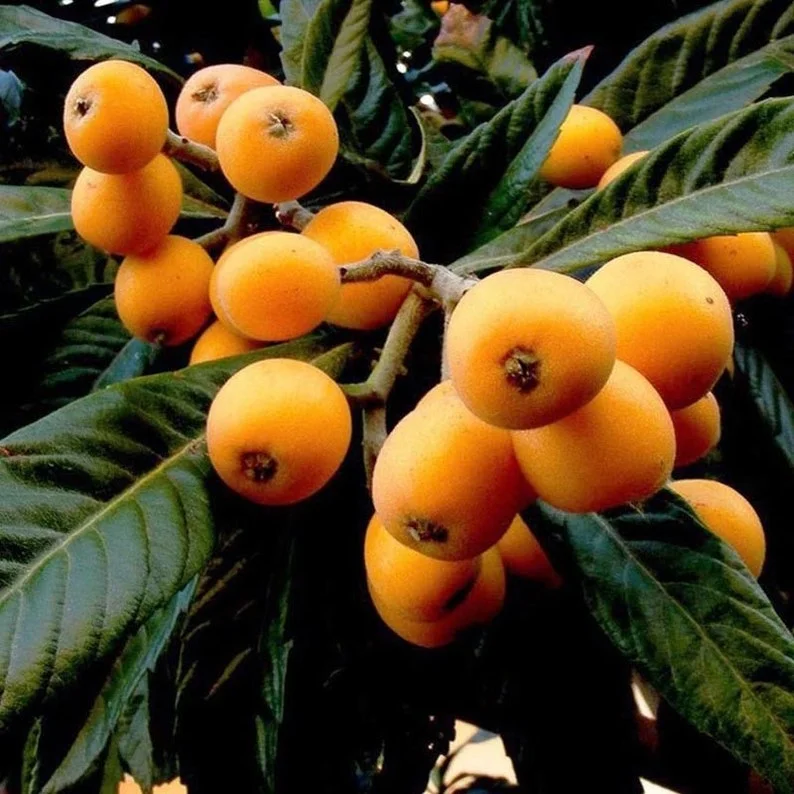
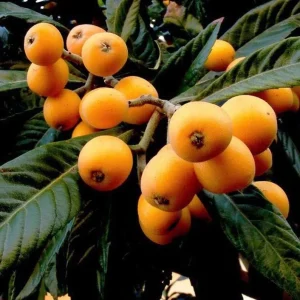
Discover the joy of growing your own delicious fruit with our premium loquat live plant. This subtropical evergreen tree, scientifically known as Eriobotrya japonica, is a delightful addition to any garden or patio. Native to China, the loquat is cherished for its attractive foliage, fragrant flowers, and most notably, its sweet and tangy fruit. Our loquat live plant arrives healthy and well-rooted, typically standing 5-8 inches tall in a 4-inch pot, making it an ideal starter for both novice and experienced gardeners. It’s perfect for creating an edible landscape, adding a touch of exotic beauty, or simply enjoying fresh, homegrown fruit. Experience the unique flavor and ornamental appeal of this versatile fruit tree.
The loquat tree is renowned for its ability to thrive in a variety of climates, though it prefers warmer zones. Its lush, dark green leaves provide year-round interest, and in autumn or early winter, it produces delicate, fragrant white flowers. These blossoms eventually mature into small, round to pear-shaped fruits that ripen in late winter or early spring, offering a refreshing burst of flavor when other fruits are scarce. Growing a loquat live plant is a rewarding endeavor, providing both aesthetic pleasure and a bountiful harvest.
Key Benefits
Cultivating a loquat tree offers a multitude of advantages, from its ornamental value to its delectable fruit. Here are some key benefits you can expect from your loquat live plant:
- Delicious Fresh Fruit: Enjoy sweet, tangy loquats directly from your tree. The fruit is rich in vitamins, minerals, and antioxidants, perfect for snacking, jams, pies, or preserves.
- Attractive Evergreen Foliage: The large, leathery, dark green leaves provide year-round beauty, making it an excellent choice for landscaping or as a specimen plant. The dense canopy offers shade and visual interest.
- Fragrant Winter Blooms: Unlike most fruit trees, loquats flower in the fall and winter, producing charming, fragrant white flowers that add a lovely scent to your garden during cooler months.
- Adaptable & Resilient: The loquat live plant is known for its hardiness and ability to adapt to various soil types and environmental conditions once established. It’s relatively low-maintenance compared to many other fruit trees.
- Supports Local Wildlife: The flowers attract pollinators like bees, while the ripe fruit can be a treat for birds and other small wildlife, contributing to your garden’s ecosystem.
- Container Growing Potential: For those with limited space or in colder climates, loquat trees can be successfully grown in large containers, allowing them to be moved indoors during harsh winters.
- Unique Edible Landscape: Add a distinctive element to your edible garden. A loquat fruit tree provides both aesthetic appeal and a practical food source.
Plant Care & Growing Tips
Caring for your loquat live plant is straightforward, ensuring a healthy tree and abundant fruit. Loquats prefer a location with full sun to partial shade, meaning at least 6 hours of direct sunlight per day for optimal fruit production. While they can tolerate some shade, more sun generally leads to a sweeter and larger harvest. Ensure the planting site has well-draining soil; loquats are not particular about soil type but do not like soggy roots. A slightly acidic to neutral pH (6.0-7.0) is ideal. When planting, dig a hole twice as wide as the root ball and just as deep. Carefully remove the plant from its 4-inch pot, loosen any circling roots, and place it in the hole, ensuring the top of the root ball is level with the ground. Backfill with soil, gently firming it around the roots, and water thoroughly.
Watering is crucial, especially during the first year of establishment. Keep the soil consistently moist but not waterlogged. Once established, loquats are relatively drought-tolerant but will benefit from deep watering during dry spells, particularly when flowering and fruiting. Fertilize your loquat live plant with a balanced slow-release fertilizer in early spring and again in mid-summer. Avoid over-fertilizing, as this can lead to excessive foliage growth at the expense of fruit production. Pruning is generally minimal, focusing on removing dead, diseased, or crossing branches. You can also prune to maintain a desired size and shape, or to open up the canopy for better air circulation and sunlight penetration. This helps improve fruit quality and reduces disease risk. Protecting young trees from harsh frosts in colder zones is advisable. Understanding how to grow loquat tree successfully involves these basic care principles.
Size & Details
This offering is for one healthy loquat live plant, which typically measures 5-8 inches in height from the soil line. It comes pre-potted in a standard 4-inch nursery pot, providing a robust root system ready for transplanting into your garden or a larger container. The plant is young but established, showcasing strong, vibrant foliage characteristic of a healthy loquat seedling. Loquat trees are moderate growers, often reaching heights of 10-25 feet in maturity, though they can be kept smaller with pruning. The mature spread can be similar to its height, creating a beautiful, rounded canopy. Expect the plant to establish quickly once transplanted, with fruit production typically beginning within 3-5 years under ideal conditions. This size is perfect for easy handling and transport, allowing you to get a head start on cultivating your very own loquat fruit tree.
Frequently Asked Questions
- Q: How big does this plant get? A: This loquat live plant is currently 5-8 inches tall in a 4-inch pot. Mature loquat trees can reach heights of 10-25 feet, but their size can be managed with proper pruning, especially if grown in a container.
- Q: Is this an indoor or outdoor plant? A: Loquats are primarily outdoor plants, thriving in full sun to partial shade. However, in colder climates, they can be grown in large containers and moved indoors during winter months to protect them from frost.
- Q: How much sunlight does it need? A: For optimal growth and fruit production, your loquat live plant requires at least 6 hours of direct sunlight per day. It can tolerate some partial shade, especially in hot climates, but full sun is preferred.
- Q: Is this plant easy to care for? A: Yes, loquats are considered relatively easy to care for once established. They are quite hardy and adaptable to various conditions, making them a good choice for both beginner and experienced gardeners who want to grow loquat tree.
- Q: What condition will it arrive in? A: Your loquat live plant will arrive well-packaged and healthy, with its roots securely in a 4-inch pot, ready for planting. We take great care to ensure safe transit.
- Q: When is the best time to plant? A: The best time to plant your loquat tree is in spring or fall, when temperatures are moderate. This allows the plant to establish its root system before extreme heat or cold.
- Q: Can I use the fruits for cooking? A: Absolutely! The fruits from your loquat fruit tree are excellent for eating fresh, making jams, jellies, pies, and other desserts. They have a unique sweet and tart flavor.
- Q: What’s the best soil for a loquat? A: Loquats prefer well-draining soil, but they are not overly particular about soil type. A slightly acidic to neutral pH is ideal. Avoid heavy clay soils that retain too much water.
- Q: Will it survive winter in my zone? A: Loquats are generally hardy in USDA Zones 8-10. They can tolerate light frosts but require protection in colder zones or should be grown in containers and moved indoors.
- Q: What is the scientific name for loquat? A: The scientific name for loquat is Eriobotrya japonica. This is the same plant as the common eriobotrya japonica often sought after for its fruit and ornamental value.


Reviews
There are no reviews yet.