Overview
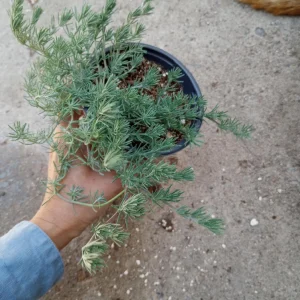
Transform your outdoor space into a tranquil oasis with a lotus live plant. Revered for its breathtaking beauty and symbolic significance, the lotus is an iconic aquatic perennial that brings a touch of serenity to any water garden or pond. Each plant is carefully cultivated and delivered in a 6-inch pot, ensuring it’s ready for immediate placement in your aquatic environment. The majestic flowers and expansive leaves of the lotus create a stunning focal point, attracting beneficial insects and adding a lush, verdant texture to your landscape. Whether you’re an experienced water gardener or just starting, this aquatic lotus plant offers a rewarding and visually spectacular addition to your home.
The lotus, scientifically known as Nelumbo nucifera, is not just a plant of profound beauty but also of cultural importance across many traditions. Its unique ability to rise from muddy waters to produce pristine blossoms symbolizes purity, enlightenment, and rebirth. Our live lotus plants are robust and healthy, providing a strong foundation for vigorous growth and abundant flowering. They are perfectly suited for various outdoor water features, from large decorative pots on a patio to naturalized ponds, making them a versatile choice for enhancing your garden’s aesthetic.
Key Benefits
Adding a lotus live plant to your garden offers numerous advantages beyond its undeniable beauty. These plants are not only visually striking but also contribute positively to the ecosystem of your water feature. Here are some of the key benefits:
- Stunning Aesthetic Appeal: The large, vibrant flowers and broad, elegant leaves of the lotus create an unparalleled visual spectacle. They add a dramatic and exotic touch to any water garden, making it a focal point of admiration.
- Natural Water Filtration: Lotus plants help to naturally filter pond water by absorbing excess nutrients, which can reduce algae growth and improve water clarity, contributing to a healthier aquatic environment.
- Habitat for Wildlife: The dense foliage provides shade and shelter for aquatic life, such as fish and frogs, contributing to a balanced and thriving pond ecosystem.
- Symbolic Significance: Known as a symbol of purity and spiritual awakening, the lotus brings a deeper, meaningful element to your garden, fostering a sense of peace and tranquility.
- Low Maintenance for Aquatic Plants: Once established, a lotus pond plant requires relatively low maintenance compared to many other flowering plants, thriving with minimal intervention in appropriate conditions.
- Seasonal Interest: From the emergence of new leaves in spring to the spectacular summer blooms and fascinating seed pods in fall, lotus plants provide continuous interest throughout the growing season.
- Versatile Placement: Ideal for large containers, whiskey barrels, or directly in the muddy bottom of a pond, offering flexibility in how you incorporate this beautiful plant into your landscape.
Plant Care & Growing Tips
Caring for your lotus live plant is a rewarding experience, leading to spectacular blooms and lush foliage. Lotuses thrive in full sun, requiring at least 6-8 hours of direct sunlight per day to produce abundant flowers. Choose a location for your pond or container where it will receive ample sunshine throughout the day. In terms of water depth, the potted lotus should be submerged so that the top of the pot is 6-18 inches below the water’s surface, allowing enough space for the leaves and flowers to emerge gracefully above the water.
The ideal soil for a lotus pond plant is heavy, clay-based soil. Avoid light, potting mixes that contain perlite or vermiculite, as these can float out of the pot and cloud your water. A good quality aquatic soil or a mix of garden soil and clay works best. Fertilization is crucial for vigorous growth and flowering. Use aquatic fertilizer tablets specifically designed for pond plants, inserting them into the soil around the rhizome every 3-4 weeks during the growing season (spring to late summer). Stop fertilizing in early fall to allow the plant to prepare for dormancy.
Protect your lotus from strong winds, which can damage the large leaves and delicate flowers. If you’re growing lotus in pots, consider placing them in a sheltered area. In colder climates (below USDA Zone 4), lotus plants grown in containers should be moved to a protected, frost-free location for winter, such as a garage or basement, ensuring the rhizome remains submerged in water to prevent freezing. Overwintering larger pond plants can involve deepening the pond or insulating the plant’s roots. Watch for pests like aphids or spider mites, which can be gently rinsed off with water. Maintain good water quality to prevent fungal issues and ensure your water garden plants thrive.
Size & Details
This lotus live plant is shipped as a healthy, actively growing specimen, nestled in a 6-inch nursery pot. The plant’s initial height will vary, but mature lotus plants typically grow 2-5 feet above the water surface, with leaves that can span 1-2 feet in diameter. The magnificent flowers can reach 8-12 inches across. When you receive your plant, it will be ready to be placed directly into your pond or a larger aquatic container. Expect the plant to establish itself quickly and begin producing new leaves and eventually stunning blooms during its first growing season, typically from late spring through summer. The lotus is a relatively fast-growing aquatic plant under optimal conditions, providing lush growth and beautiful flowers within months of planting.
Frequently Asked Questions
- Q: How big does this lotus get? A: A mature lotus live plant can grow quite large, with leaves and flowers extending 2-5 feet above the water surface. The exact size depends on the variety and growing conditions, but it will certainly be a prominent feature in your water garden.
- Q: What size pot does it come in? A: This aquatic lotus plant is delivered in a 6-inch nursery pot, which is a good starting size for establishment. You can keep it in this pot or transplant it into a larger aquatic container or directly into your pond.
- Q: Is this an indoor or outdoor plant? A: The lotus is primarily an outdoor aquatic plant. It thrives in full sun and requires a water environment, making it ideal for ponds, water gardens, or large outdoor containers. It is not typically grown as an indoor houseplant.
- Q: How much sunlight does it need? A: For optimal growth and prolific blooming, your lotus pond plant needs at least 6-8 hours of direct sunlight per day. Choose a sunny spot for your water feature to ensure it receives adequate light.
- Q: Is this plant easy to care for? A: Once established in the right conditions (full sun, heavy soil, proper water depth), lotus plants are relatively easy to care for. The main tasks involve seasonal fertilization and potential winter protection in colder zones, making growing lotus in pots manageable for many.
- Q: What condition will it arrive in? A: Your lotus live plant will arrive as a healthy, actively growing specimen in its 6-inch pot, carefully packaged to ensure its safe journey. It will be ready for immediate placement in your water garden.
- Q: How long until it blooms? A: With proper care and sufficient sunlight, your lotus plant can begin to produce its first blooms during its initial growing season, typically from late spring through the summer months. Establishment time can vary.
- Q: When is the best time to plant? A: The best time to plant or place your lotus in its permanent water home is during the spring or early summer, once all danger of frost has passed and water temperatures have begun to warm up.
- Q: Will it survive winter in my zone? A: Lotus plants are generally hardy in USDA Zones 4-10. In colder zones (4-8), if planted in containers, they should be brought indoors to a frost-free location for winter. If planted in a pond, ensure the rhizome is below the ice line.
- Q: What’s the minimum temperature it can tolerate? A: While the rhizomes can tolerate freezing if deep enough in a pond, the active growing plant is sensitive to frost. For optimal health, the water temperature should ideally remain above 50°F (10°C) during the growing season.


Reviews
There are no reviews yet.